The Impact of Egg Donation and Egg Freezing on Women’s Health
Egg donation and egg freezing are two procedures that have become increasingly popular in recent years, especially among women who are looking to delay starting a family. While both of these options have their benefits, they also come with their own set of potential risks and impacts on women’s health. In this blog post, we will delve into the world of egg donation and egg freezing, exploring their effects on women’s physical, mental, and emotional well-being.
Egg Donation:
Egg donation is the process of retrieving eggs from a donor and using them to help another woman or couple conceive a child. This process is often used by couples struggling with infertility, same-sex couples, or single women who want to have a child. While egg donation can be a life-changing opportunity for those who are unable to conceive on their own, it also has its own set of implications for women’s health.
One of the main concerns with egg donation is the effect it can have on a woman’s hormones. In order to retrieve eggs, the donor must undergo a series of hormone injections to stimulate the production of multiple eggs. These hormones can cause a range of side effects, such as mood swings, headaches, bloating, and abdominal discomfort. In rare cases, they can also lead to more serious complications such as ovarian hyperstimulation syndrome (OHSS). This condition occurs when the ovaries become swollen and painful, and can even result in hospitalization.
In addition to the physical impact, egg donation can also have emotional consequences for women. The process of undergoing hormone injections, egg retrieval, and the knowledge that their eggs will be used to help others can be emotionally taxing. Many donors report feeling a sense of loss or grief after the procedure, as well as concerns about the well-being of the child that may be born from their eggs.
Furthermore, egg donation can also have long-term effects on a woman’s fertility. While it is possible for donors to still conceive naturally after the procedure, there is a risk of reduced ovarian reserve, meaning the number of eggs a woman has available for future pregnancies may be decreased. This is a crucial factor to consider for women who may still want to have biological children in the future.
Egg Freezing:
Egg freezing, also known as oocyte cryopreservation, is a process where a woman’s eggs are retrieved, frozen, and stored for future use. This option has become increasingly popular for women who want to delay starting a family for various reasons, such as focusing on their careers or not yet finding the right partner. While it allows women to preserve their fertility, egg freezing also has its own set of implications for women’s health.
The Impact of Egg Donation and Egg Freezing on Women's Health
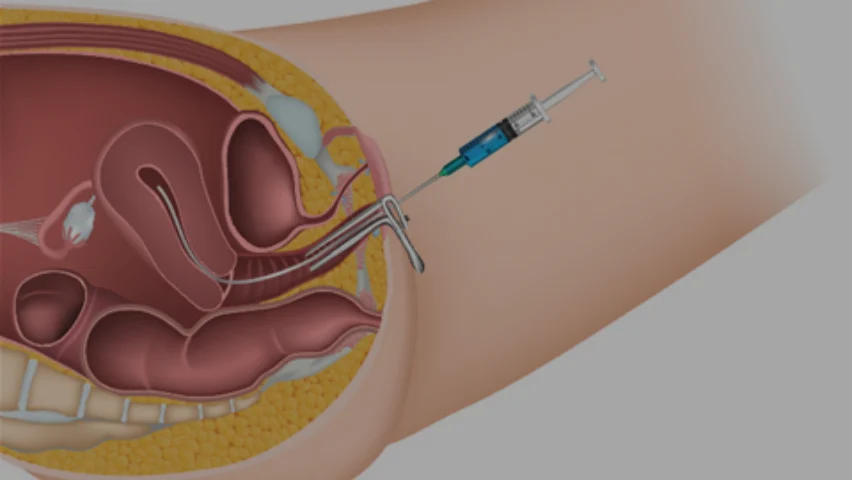
The process of egg freezing involves the same hormone injections as egg donation, which can have similar physical and emotional effects. However, the main concern with egg freezing is the potential long-term effects on a woman’s health. The procedure itself is relatively new, and there is limited research on the potential risks associated with it. Some studies have suggested that the hormones used in the process may increase the risk of certain health conditions, such as breast and uterine cancer. Additionally, the process of retrieving eggs can also lead to complications such as bleeding, infection, and damage to surrounding organs.
Another important consideration with egg freezing is the success rate. While it is a viable option for preserving fertility, there is no guarantee that the frozen eggs will result in a successful pregnancy in the future. This can lead to disappointment and emotional distress for women who have undergone the procedure. Additionally, the cost of egg freezing can be a barrier for many women, as it is not typically covered by insurance and can be quite expensive.
The Importance of Informed Consent and Ongoing Support:
Both egg donation and egg freezing are complex procedures that have the potential to impact a woman’s physical, mental, and emotional well-being. As with any medical procedure, it is crucial for women to fully understand the risks and potential effects before making a decision. This is why informed consent is essential in both egg donation and egg freezing.
Informed consent means that individuals are fully informed about the details, risks, and benefits of a medical procedure, and are able to make an informed decision about whether or not to proceed. In the case of egg donation and egg freezing, this means providing donors and patients with thorough information about the procedures, potential side effects, and long-term implications. This allows women to make an informed decision about their own health and fertility.
In addition to informed consent, ongoing support is also crucial for women who have undergone egg donation or egg freezing. These procedures can have a significant impact on a woman’s mental and emotional well-being, and it is important for them to have access to resources and support systems to help them navigate any challenges that may arise. This can include counseling, support groups, and access to information about their fertility and reproductive health.
In conclusion, egg donation and egg freezing are two procedures that have the potential to greatly impact women’s health and fertility. While they offer opportunities for women to have a child or preserve their fertility, there are also potential risks and implications that must be carefully considered. Informed consent and ongoing support are essential for women to make informed decisions about their health and well-being.
Summary:
Egg donation and egg freezing are two procedures that have become popular among women for various reasons. While they offer benefits such as helping couples struggling with infertility or preserving fertility, they also come with potential risks and impacts on women’s health. The hormone injections used in these procedures can cause physical side effects and emotional distress. In addition, there are long-term implications on fertility and potential risks such as cancer. Informed consent and ongoing support are crucial for women to make informed decisions and navigate any challenges that may arise.