Blog Post:
Egg donation and egg freezing are two popular options for women who want to preserve their fertility. Both procedures involve the extraction and storage of a woman’s eggs, but they serve different purposes. Egg donation is typically used by women who want to help others become parents, while egg freezing is often chosen by women who want to delay pregnancy and preserve their own fertility for the future. In both cases, hormones play a crucial role in the success of the procedures.
Let’s take a closer look at the role of hormones in egg donation and egg freezing.
Egg Donation:
Egg donation is a process in which a woman donates her eggs to be used by another woman or couple who are unable to conceive on their own. The eggs are retrieved from the donor’s ovaries through a surgical procedure called follicular aspiration. Before the retrieval, the donor is given fertility medications to stimulate the production of multiple eggs.
The main hormone used in egg donation is follicle-stimulating hormone (FSH). This hormone is responsible for stimulating the growth and development of follicles in the ovaries, which in turn produce mature eggs. In an egg donation cycle, the donor is given FSH injections for 10-12 days to ensure the development of multiple follicles and eggs. The dosage of FSH is carefully monitored and adjusted to avoid any complications such as ovarian hyperstimulation syndrome (OHSS).
In addition to FSH, other hormones such as luteinizing hormone (LH) and human chorionic gonadotropin (hCG) may also be used in egg donation. LH helps to trigger ovulation, while hCG prepares the eggs for retrieval.
Egg donors may experience side effects from the hormone medications, such as bloating, mood swings, and breast tenderness. These side effects are usually temporary and subside once the donation cycle is completed.
Egg Freezing:
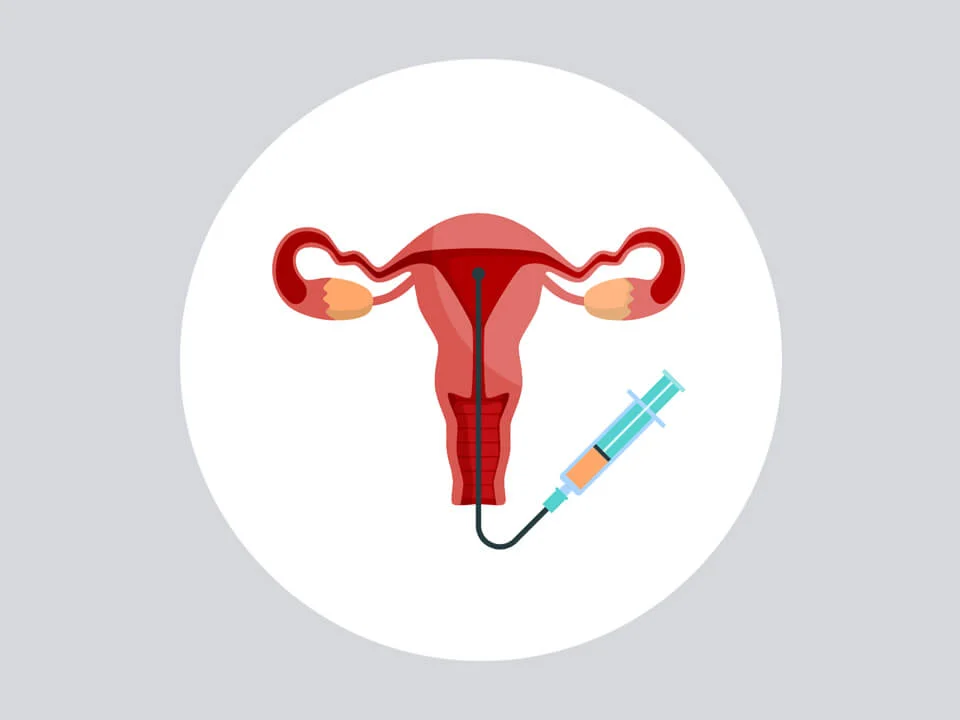
Egg Donation vs Egg Freezing: The Role of Hormones
Egg freezing, also known as oocyte cryopreservation, involves retrieving a woman’s eggs and freezing them for future use. This procedure is often chosen by women who are not ready to start a family yet, but want to preserve their fertility. It can also be recommended to women who are about to undergo medical treatments that may affect their fertility, such as chemotherapy.
Similar to egg donation, egg freezing also requires the use of fertility medications to stimulate the ovaries and produce multiple eggs. The main hormone used in egg freezing is also FSH, but the dosage and length of the medication may vary depending on the woman’s age and ovarian reserve. Women in their 20s may need a shorter period of medication compared to women in their 30s or 40s.
Once the eggs are retrieved, they are frozen and stored for future use. When a woman is ready to use her frozen eggs, they are thawed, fertilized with sperm, and implanted in her uterus.
The Role of Hormones:
Hormones play a crucial role in the success of both egg donation and egg freezing. FSH is the key hormone responsible for stimulating the ovaries and producing multiple eggs. However, the dosage and length of medication may vary based on the individual’s needs and goals.
In egg donation, the focus is on producing as many mature eggs as possible in one cycle. This requires a higher dosage of FSH and sometimes other hormones such as LH and hCG. On the other hand, in egg freezing, the goal is to retrieve a smaller number of high-quality eggs. This may require a lower dosage of FSH and a shorter medication period.
Monitoring hormone levels throughout the process is crucial to ensure the safety and success of both procedures. Blood tests and ultrasounds are used to track the growth of follicles and adjust the medication as needed. This helps to avoid any potential complications and increase the chances of a successful egg retrieval.
In Conclusion:
Egg donation and egg freezing are two options available for women to preserve their fertility. Both procedures involve hormone medications to stimulate the ovaries and produce multiple eggs. While egg donation focuses on producing a high number of eggs, egg freezing aims to retrieve a smaller number of high-quality eggs. The dosage and length of hormone medication may vary based on the individual’s needs and goals, and careful monitoring is necessary to ensure the success and safety of the procedures.
In summary, hormones play a crucial role in egg donation and egg freezing, and their proper use and monitoring are essential for the success of these procedures.