Blog Post Title: The Role of Hormone Imbalances in Infertility and How to Address Them Naturally
Infertility affects approximately 1 in 8 couples, with hormonal imbalances being one of the leading causes. Hormones play a crucial role in our reproductive health, and any disruption in their levels can significantly impact fertility. In this blog post, we will explore the connection between hormone imbalances and infertility and discuss natural ways to address them.
Understanding Hormone Imbalances and Infertility
Hormones are chemical messengers that regulate various functions in our body, including reproduction. In women, fertility depends on the proper functioning of the hypothalamic-pituitary-ovarian (HPO) axis, which is responsible for the production and release of hormones. Any disruption in this axis can result in hormonal imbalances, leading to infertility.
The most common hormones involved in fertility are estrogen, progesterone, and testosterone. Estrogen is responsible for the development and maturation of the egg, while progesterone prepares the uterus for pregnancy. Testosterone plays a crucial role in egg development and ovulation in women.
When these hormones are not in balance, it can lead to various fertility issues, such as irregular menstrual cycles, anovulation, and recurrent miscarriages. Hormonal imbalances can also affect men’s fertility by causing a decrease in sperm count and quality.
Causes of Hormonal Imbalances
Several factors can disrupt the delicate balance of hormones in our bodies, leading to infertility. Some of the common causes include:
1. Polycystic Ovary Syndrome (PCOS)
PCOS is a common hormonal disorder in women of reproductive age, affecting approximately 5-10% of women. It is characterized by high levels of androgens (male hormones) and insulin resistance, leading to irregular menstrual cycles, anovulation, and ovarian cysts. PCOS can significantly impact a woman’s fertility, making it challenging to conceive.
2. Thyroid Disorders
The thyroid gland produces hormones that regulate metabolism, growth, and development. Any dysfunction in this gland can lead to hormonal imbalances, affecting fertility. Both hypothyroidism (underactive thyroid) and hyperthyroidism (overactive thyroid) can cause irregular menstrual cycles and ovulation problems.
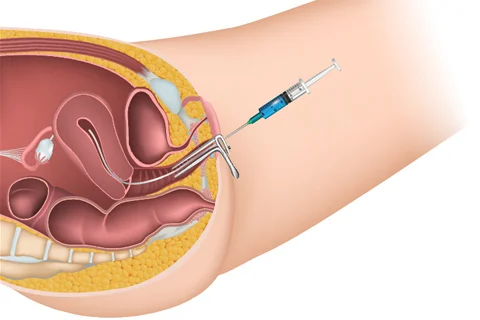
The Role of Hormone Imbalances in Infertility and How to Address Them Naturally
3. Stress
Chronic stress can affect the production and release of hormones, leading to imbalances. It can also cause an increase in cortisol (stress hormone) levels, which can interfere with the HPO axis and disrupt fertility.
4. Nutritional Deficiencies
Nutrients play a crucial role in hormone production and regulation. Deficiencies in essential vitamins and minerals, such as zinc, vitamin D, and B vitamins, can cause hormonal imbalances, affecting fertility.
Natural Ways to Address Hormonal Imbalances and Improve Fertility
1. Manage Stress
Stress can significantly impact our hormonal balance, making it one of the essential factors to address when trying to conceive. Incorporating stress management techniques, such as yoga, meditation, and deep breathing, can help reduce stress levels and improve fertility.
2. Maintain a Healthy Weight
Being underweight or overweight can disrupt the production and release of hormones, leading to infertility. Maintaining a healthy weight through a balanced diet and regular exercise can help regulate hormone levels and improve fertility.
3. Incorporate Nutrient-Dense Foods
Eating a diet rich in whole, nutrient-dense foods can help correct nutritional deficiencies and improve hormonal balance. Some foods that can support hormonal health include leafy greens, fatty fish, nuts and seeds, and whole grains.
4. Consider Herbal Remedies
Certain herbs, such as chasteberry, maca root, and ashwagandha, have been traditionally used to support hormonal balance and improve fertility. Consult with a healthcare practitioner before incorporating any herbs into your routine.
5. Address Underlying Health Issues
If you have been diagnosed with PCOS, thyroid disorders, or any other underlying health conditions, working with a healthcare practitioner to manage these conditions can help improve fertility.
In conclusion, hormonal imbalances can significantly impact fertility and make it challenging to conceive. By addressing the root causes of these imbalances and incorporating natural methods to support hormonal health, you can improve your chances of conceiving. Remember to consult with a healthcare practitioner before making any significant changes to your lifestyle or incorporating new supplements or herbs.
Summary:
Infertility affects 1 in 8 couples, and hormonal imbalances are one of the leading causes. Hormones play a crucial role in reproductive health, and any disruption in their levels can significantly impact fertility. The most common hormones involved in fertility are estrogen, progesterone, and testosterone. Several factors can cause hormonal imbalances, including PCOS, thyroid disorders, stress, and nutritional deficiencies. To address these imbalances and improve fertility, one can manage stress, maintain a healthy weight, incorporate nutrient-dense foods, consider herbal remedies, and address underlying health issues. It is essential to consult with a healthcare practitioner before making any significant changes to lifestyle or incorporating new supplements or herbs.