Tag: fertility specialist

  • Fertility Preservation for Men: Exploring Sperm Banking

    Fertility Preservation for Men: Exploring Sperm Banking

    Fertility is a vital aspect of human life, and for many men, the thought of not being able to have biological children can be devastating. However, advances in medical technology have made it possible for men to preserve their fertility through a process called sperm banking. Sperm banking involves collecting and storing a man’s semen so that it can be used for future fertility treatments. In this blog post, we will explore the process of sperm banking, its benefits, and how men can go about preserving their fertility.

    What is Sperm Banking?

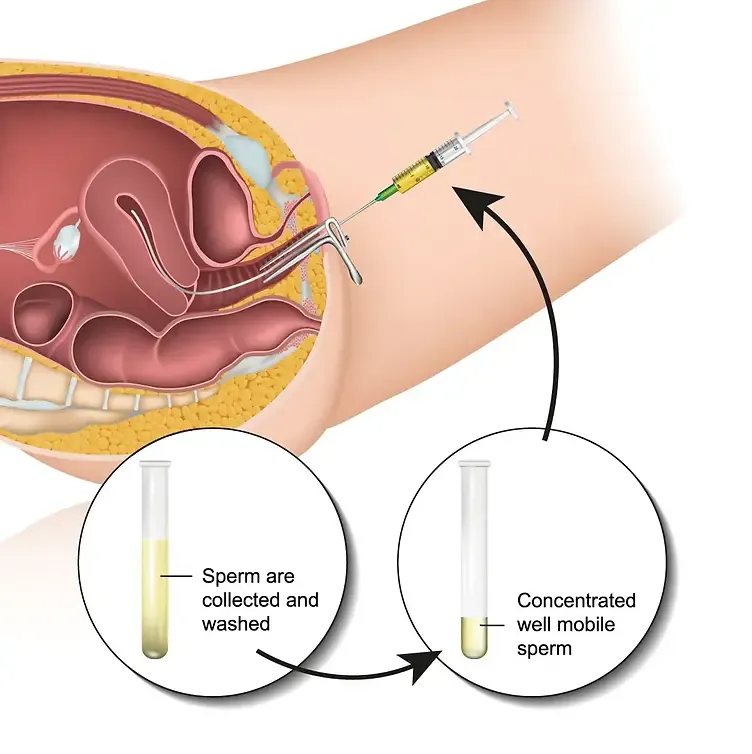
    Sperm banking, also known as sperm cryopreservation, is the process of collecting and freezing a man’s semen for future use. The collected semen is then stored in a specialized facility called a sperm bank. Sperm banking is a form of fertility preservation, which is the process of preserving reproductive cells or tissues for future use. The frozen semen can be used for various fertility treatments, such as in vitro fertilization (IVF), intrauterine insemination (IUI), or other assisted reproductive techniques.

    The Process of Sperm Banking

    The process of sperm banking typically involves four main steps: consultation, sperm collection, freezing, and storage.

    1. Consultation: The first step of sperm banking involves a consultation with a fertility specialist. During this consultation, the specialist will explain the entire process and answer any questions or concerns the man may have. The specialist will also discuss the man’s medical history and perform a physical examination to ensure he is a suitable candidate for sperm banking.

    2. Sperm Collection: Once the man has been cleared for sperm banking, he will be asked to provide a semen sample. The sample can be collected in the privacy of the man’s home or at the sperm bank. To collect the sample, the man will need to ejaculate into a sterile cup. It is recommended that the man abstains from sexual activity for 2-5 days before collecting the sample to ensure the highest sperm count.

    3. Freezing: After the sample has been collected, it is then frozen and stored in liquid nitrogen at a temperature of -196°C. Freezing the sperm helps to preserve its viability and ensures that it remains usable for future fertility treatments.

    4. Storage: The frozen sperm is then stored in a secure facility, such as a sperm bank, until it is needed for future use. Sperm can be stored for an indefinite period, and the man can choose to have it stored for as long as he wishes.

    Benefits of Sperm Banking

    Illustration of IUI procedure with uterus and syringe against a DNA background.

    Fertility Preservation for Men: Exploring Sperm Banking

    There are several benefits to sperm banking, including:

    1. Insurance for Future Fertility: For men who are facing medical treatments that may affect their fertility, such as chemotherapy or radiation therapy, sperm banking provides a way to preserve their fertility and have the option to have biological children in the future.

    2. Flexibility: Sperm banking allows men to delay fatherhood until they are ready without worrying about age-related decline in fertility. It also gives them the option to have children with a partner later in life, even if they are no longer producing sperm.

    3. Peace of Mind: Sperm banking can offer peace of mind to men who have a family history of fertility issues or those who have experienced fertility problems in the past. Knowing that they have a backup plan for future fertility can alleviate stress and anxiety.

    4. Higher Success Rates: Frozen sperm has a higher success rate compared to fresh sperm when used in fertility treatments. This is because the sperm has been screened and frozen before use, ensuring the highest quality.

    How to Preserve Your Fertility through Sperm Banking

    If you are considering sperm banking, here are some steps to follow:

    1. Consult a Fertility Specialist: The first step is to consult a fertility specialist who can guide you through the process and determine if sperm banking is suitable for you.

    2. Choose a Sperm Bank: It is essential to choose a reputable sperm bank with a track record of success. The bank should also have proper storage facilities and follow all necessary regulations.

    3. Plan Ahead: It is best to start the process of sperm banking as soon as possible, especially if you are facing medical treatments that may affect your fertility. This will ensure that you have the highest quality sperm sample stored for future use.

    4. Consider Your Options: Sperm banking can be expensive, and it is essential to consider all your options carefully. Some fertility clinics offer discounted rates for sperm banking, and some insurance plans may cover the cost.

    In conclusion, sperm banking is a safe and effective way for men to preserve their fertility for future use. It offers peace of mind, flexibility, and higher success rates in fertility treatments. If you are considering sperm banking, it is essential to consult a fertility specialist and plan ahead. With advances in medical technology, men now have the option to preserve their fertility and have biological children later in life.

  • Fertility Preservation for Women: Understanding Your Options

    Blog Post: Fertility Preservation for Women: Understanding Your Options

    Fertility preservation is a topic that is becoming increasingly important for women of reproductive age. With advancements in medical technology, women now have more options than ever before to preserve their fertility for the future. Whether a woman is facing a medical condition that may affect her fertility, undergoing cancer treatment, or simply wants to delay childbearing, understanding the available options for fertility preservation is crucial. In this blog post, we will explore the various methods of fertility preservation for women and provide information to help you make informed decisions about your reproductive health.

    Understanding Female Fertility

    Before delving into the options for fertility preservation, it is important to understand the basics of female fertility. A woman is born with a finite number of eggs, which is known as her ovarian reserve. As she ages, her ovarian reserve decreases, and the quality of her eggs may also decline. This is why fertility decreases with age, and why women over the age of 35 may have difficulty conceiving.

    Fertility Preservation Options

    There are several options available for preserving fertility in women. These include egg freezing, embryo freezing, ovarian tissue freezing, and hormonal suppression.

    1. Egg Freezing
    Egg freezing, also known as oocyte cryopreservation, is a process where a woman’s eggs are retrieved and frozen for future use. This is typically done through in vitro fertilization (IVF), where the eggs are harvested, frozen, and stored until the woman is ready to use them. This method is best for women who are not ready to have children yet but want to preserve their fertility for future use.

    2. Embryo Freezing
    Embryo freezing is similar to egg freezing, but instead of freezing individual eggs, the eggs are fertilized with sperm to create embryos. The embryos are then frozen and can be used for future IVF procedures. This method is ideal for women who have a partner and are ready to start a family, but may be facing medical treatments that could affect their fertility.

    illustration of intrauterine insemination procedure with a syringe and catheter in the uterus.

    Fertility Preservation for Women: Understanding Your Options

    3. Ovarian Tissue Freezing
    Ovarian tissue freezing involves removing a small piece of the ovary and freezing it for future use. This method is still considered experimental, but it is an option for women who may not be able to undergo egg or embryo freezing due to medical reasons. The frozen ovarian tissue can be transplanted back into the woman’s body in the future, where it can potentially grow and produce eggs.

    4. Hormonal Suppression
    Hormonal suppression is a method of preserving fertility that involves taking medications to suppress ovulation. This method is often used for women who are undergoing cancer treatment and want to prevent damage to their ovaries. It can also be used for women who are at risk of premature menopause.

    Factors to Consider

    When considering fertility preservation options, there are several factors to keep in mind. These include age, medical history, personal preferences, and financial considerations. It is important to consult with a fertility specialist to understand which method may be the most suitable for your individual situation.

    Benefits and Limitations

    Each method of fertility preservation has its own benefits and limitations. Egg and embryo freezing have become more common and have a higher success rate, but they require a partner or donor sperm for fertilization. Ovarian tissue freezing is still considered experimental and may have a lower success rate. Hormonal suppression may not be effective for all women and may have side effects.

    Summary

    Fertility preservation is an important consideration for women who want to preserve their ability to have children in the future. With various options available, it is important to understand the basics of female fertility and the benefits and limitations of each method. Factors such as age, medical history, and personal preferences should also be taken into account when choosing a fertility preservation method.

    In summary, fertility preservation for women includes options such as egg freezing, embryo freezing, ovarian tissue freezing, and hormonal suppression. Each method has its own benefits and limitations, and it is important to consult with a fertility specialist to determine the best option for your individual situation. With advancements in medical technology, women now have more options than ever before to preserve their fertility and have children when they are ready.

  • Fertility Preservation: A Comprehensive Guide for Young Adults

    Blog Post Title: Fertility Preservation: A Comprehensive Guide for Young Adults

    Summary:

    Fertility preservation is the process of preserving eggs, sperm, or reproductive tissue to be used in the future for assisted reproductive technologies. It is becoming increasingly popular among young adults who are not yet ready to start a family but want to ensure their ability to do so in the future. This guide will provide a comprehensive overview of fertility preservation for young adults, including the reasons for considering it, the different methods available, and the costs and success rates associated with each option.

    Reasons for Considering Fertility Preservation:

    There are several reasons why young adults may consider fertility preservation. One of the most common reasons is a medical diagnosis that may affect fertility, such as cancer or endometriosis. Treatments for these conditions, such as chemotherapy or surgery, can damage reproductive organs and decrease fertility. Fertility preservation allows individuals to preserve their reproductive potential before undergoing these treatments.

    Another reason for considering fertility preservation is a personal choice to delay parenthood. Today’s young adults are more career-focused and may not be ready to start a family until later in life. By preserving their fertility, they can ensure their ability to have biological children when they are ready.

    Methods of Fertility Preservation:

    There are several methods of fertility preservation available for young adults. The most common method for women is egg freezing, also known as oocyte cryopreservation. This involves stimulating the ovaries with hormones to produce multiple eggs, which are then retrieved and frozen for later use.

    For men, sperm freezing, or sperm cryopreservation, is the most common method. This involves collecting a sperm sample and freezing it for future use. This method is often used by men who are facing medical treatments that may affect their fertility.

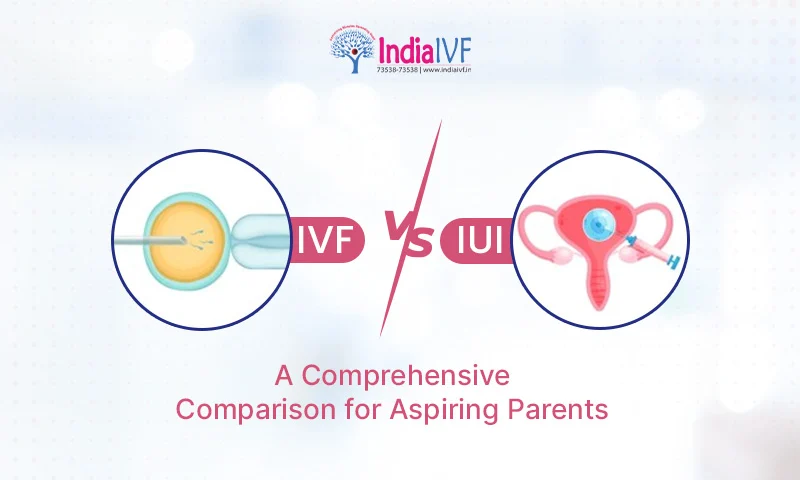
    IVF vs IUI comparison graphic highlighting reproductive methods for aspiring parents.

    Fertility Preservation: A Comprehensive Guide for Young Adults

    In addition to egg and sperm freezing, there is also the option of preserving reproductive tissue for future use. This includes ovarian tissue cryopreservation for women and testicular tissue cryopreservation for men. These methods involve removing a small piece of tissue from the reproductive organs and freezing it for later use.

    Cost and Success Rates:

    The cost of fertility preservation can vary significantly depending on the method chosen and the individual’s specific circumstances. On average, egg freezing can cost between $5,000 and $15,000, while sperm freezing can range from $500 to $1,000. The cost of preserving reproductive tissue can be more expensive, with ovarian tissue cryopreservation costing around $10,000 and testicular tissue cryopreservation costing up to $15,000.

    When it comes to success rates, the age at which the fertility preservation is performed plays a significant role. For women, the younger the age, the higher the success rate, as the quality of eggs decreases with age. On average, the success rate for egg freezing is around 40%, while for sperm freezing, it is around 50%. However, these success rates can vary depending on individual circumstances and the expertise of the fertility clinic.

    Things to Consider Before Starting Fertility Preservation:

    Before undergoing fertility preservation, there are several factors to consider. It is essential to discuss with a fertility specialist the individual’s specific circumstances, including their age, medical history, and family planning goals. It is also crucial to understand the potential risks and side effects associated with each method and the success rates for each option.

    Additionally, it is essential to consider the long-term storage costs associated with fertility preservation. Eggs, sperm, and reproductive tissue need to be stored in specialized facilities and incur annual storage fees. It is crucial to factor in these costs when considering fertility preservation.

    Conclusion:

    Fertility preservation is a vital option for young adults who want to ensure their ability to have biological children in the future. With advancements in technology and increasing awareness, it is becoming a more accessible and common choice. By understanding the reasons for considering fertility preservation, the different methods available, and the associated costs and success rates, young adults can make an informed decision about their reproductive future.

    SEO Metadata:

  • Finding the Right Path: Egg Retrieval vs Egg Sharing

    Finding the Right Path: Egg Retrieval vs Egg Sharing

    Making the decision to use an egg donor for fertility treatment can be a daunting and emotional process. There are several options available, including egg retrieval and egg sharing. Both options have their own benefits and drawbacks, and it can be challenging to determine which one is the right path for you. In this blog post, we will explore the differences between egg retrieval and egg sharing, and provide some guidance on how to make the best decision for your individual situation.

    Egg Retrieval
    Egg retrieval is the process of using eggs from an anonymous donor to create embryos that can be transferred to the intended parent or parents. This option is typically used by individuals or couples who are unable to produce viable eggs on their own. The donor’s eggs are fertilized with sperm in a laboratory, and the resulting embryos are then implanted into the intended parent or parents’ uterus. This process allows individuals or couples to have a genetic connection to their child, as the sperm used for fertilization can come from the intended father.

    One of the main benefits of egg retrieval is the ability to have a genetic connection to the child. This can be important for some individuals or couples who want to have a child that shares their DNA. Additionally, egg retrieval can be a more affordable option compared to other fertility treatments, as it does not involve the use of a surrogate. However, there are also some drawbacks to consider. The success rates for egg retrieval can vary, and it may take several attempts before a successful pregnancy is achieved. Additionally, the process can be emotionally challenging, as it involves using a donor’s eggs instead of the intended parent or parents’ own eggs.

    illustration explaining the steps of intrauterine insemination (IUI) process on a bright yellow background

    Finding the Right Path: Egg Retrieval vs Egg Sharing

    Egg Sharing
    Egg sharing is a process in which a woman undergoing fertility treatment donates some of her eggs to another individual or couple who are also undergoing fertility treatment. This option is typically used by individuals or couples who have viable eggs, but may not be able to afford the cost of fertility treatment on their own. The woman donating her eggs will go through the same process as someone undergoing egg retrieval, but instead of using the embryos for herself, she will donate them to another individual or couple.

    One of the main benefits of egg sharing is the opportunity to help others who are struggling with fertility. Many women who choose this option find it fulfilling and rewarding to be able to give the gift of life to someone else. Egg sharing can also be a more affordable option for individuals or couples who are seeking fertility treatment. However, there are also some drawbacks to consider. The success rates for egg sharing can vary, and it may take several attempts before a successful pregnancy is achieved. Additionally, there may be legal and ethical considerations to take into account, as the donor and intended parent or parents may have different expectations or desires for the child.

    Making the Decision
    When considering egg retrieval versus egg sharing, it is important to carefully weigh the benefits and drawbacks of each option. It may also be helpful to seek guidance from a fertility specialist, who can provide personalized advice based on your individual situation. Some important factors to consider when making this decision include your personal desires for a genetic connection to the child, your financial situation, and your emotional readiness for the process.

    It is also important to keep in mind that there is no right or wrong decision when it comes to egg retrieval versus egg sharing. What matters most is finding the path that is right for you and your family. Whether you choose egg retrieval or egg sharing, the most important thing is that you are able to achieve your dream of having a child.

    Summary:
    Choosing between egg retrieval and egg sharing can be a difficult decision for individuals or couples seeking fertility treatment. Egg retrieval involves using eggs from an anonymous donor, while egg sharing involves a woman donating some of her own eggs to another individual or couple. Both options have their own benefits and drawbacks, and it is important to carefully consider your personal desires, financial situation, and emotional readiness when making this decision. There is no right or wrong choice, as the most important thing is finding the path that is right for you and your family.

  • Navigating the Options: Egg Retrieval vs Egg Sharing

    Navigating the Options: Egg Retrieval vs Egg Sharing

    Egg donation has become a popular option for couples struggling with infertility or those who are unable to conceive naturally. This process involves retrieving eggs from a woman’s ovaries and fertilizing them with sperm in a laboratory. The resulting embryos are then transferred to the intended mother’s uterus in hopes of achieving a successful pregnancy. However, there are two different ways in which eggs can be obtained for donation: through egg retrieval or egg sharing. In this blog post, we will explore the differences between egg retrieval and egg sharing and help you navigate these options in your journey towards parenthood.

    Egg Retrieval: The Process and Pros/Cons

    Egg retrieval, also known as egg donation, is a medical procedure where a woman’s eggs are collected from her ovaries and donated to a recipient. The entire process typically takes 3-6 weeks and involves the following steps:

    1. Screening: The first step in egg retrieval is the screening process. This includes comprehensive physical and psychological evaluations, as well as tests to determine the donor’s overall health and fertility.

    2. Hormone Stimulation: Once a donor is deemed suitable, they will undergo hormone stimulation to increase the number of eggs produced during their menstrual cycle. This involves daily injections of hormones for about 10-12 days.

    3. Egg Retrieval: Once the eggs have matured, a minor surgical procedure is performed to retrieve the eggs from the ovaries. This is done under sedation and takes about 20-30 minutes.

    4. Recovery: After the procedure, donors may experience some discomfort and cramping, but most are able to resume their normal activities within a day or two.

    Pros:
    – Donors have no legal or financial responsibility towards any resulting children.
    – Donors receive compensation for their time and effort.
    – Donors can help couples struggling with infertility achieve their dream of parenthood.

    Cons:
    – The process can be physically and emotionally demanding.
    – There is a small risk of complications from the surgical procedure.
    – Donors may have to undergo multiple rounds of stimulation and retrieval.

    Egg Sharing: The Process and Pros/Cons

    Egg sharing, also known as shared egg donation, is a process where a woman donates a portion of her eggs to another woman while also keeping some for herself. This option is often chosen by women who are seeking fertility treatment for themselves but also wish to help others in need.

    1. Screening: The first step in egg sharing is the same as egg retrieval, where the donor undergoes physical and psychological evaluations, as well as fertility tests.

    Illustration of intrauterine insemination (IUI) procedure, showing sperm injection into the uterus.

    Navigating the Options: Egg Retrieval vs Egg Sharing

    2. Hormone Stimulation: The donor then undergoes hormone stimulation, similar to egg retrieval, to produce multiple eggs.

    3. Egg Retrieval: Instead of retrieving all the eggs, a portion of them is shared with the recipient while the donor keeps the rest for herself.

    4. Fertility Treatment: The recipient undergoes fertility treatment using the shared eggs, while the donor also receives treatment using her remaining eggs.

    Pros:
    – Donors can fulfill their desire to help others while also receiving fertility treatment for themselves.
    – There is no financial compensation, but donors often receive discounted fertility treatment.
    – Donors can potentially have a biological child while also helping someone else become a parent.

    Cons:
    – The donor’s fertility treatment may be delayed or affected due to the sharing process.
    – There is a chance that the donor may not have enough eggs to share.
    – Donors may have to undergo multiple rounds of stimulation and retrieval for their own treatment.

    Navigating the Options

    Choosing between egg retrieval and egg sharing can be a difficult decision. Both options have their own pros and cons, and ultimately, it comes down to personal preferences and circumstances. Here are a few factors to consider when making this decision:

    1. Motivation: What is your main motivation for donating your eggs? If you are primarily interested in helping others, then egg retrieval may be the better option. However, if you are also seeking fertility treatment for yourself, then egg sharing may be a more suitable choice.

    2. Time Commitment: Egg retrieval typically takes less time than egg sharing, as the donor does not have to undergo fertility treatment. If you have a busy schedule or are unable to commit to a longer process, then egg retrieval may be a better option.

    3. Emotional Considerations: Both egg retrieval and egg sharing can be emotionally challenging, but egg sharing may come with additional emotional complexities. Donors may feel a sense of attachment to the shared eggs, which can make it difficult to let go.

    4. Legal and Financial Implications: Egg retrieval may be a better option for those who do not want any legal or financial responsibility towards resulting children. However, egg sharing may be more appealing to those seeking discounted fertility treatment or the potential to have a biological child while also helping someone else.

    In conclusion, both egg retrieval and egg sharing have their own unique benefits and drawbacks. It is important to carefully consider your motivations, time commitment, emotional readiness, and legal/financial implications before making a decision. Consulting with a fertility specialist can also help you navigate these options and make an informed choice that is best suited for you.

    Summary: Egg retrieval and egg sharing are two options for egg donation, which involves retrieving eggs from a woman’s ovaries and donating them to help others achieve parenthood. Egg retrieval is a straight-forward process with no financial or legal obligations, while egg sharing involves sharing a portion of eggs with a recipient while also keeping some for oneself. Factors such as motivation, time commitment, emotional readiness, and legal/financial implications should be considered when deciding between these options. Consulting with a fertility specialist can also provide guidance in navigating these choices.

  • The Importance of Finding the Right Doctor for Male and Female Infertility Treatments

    Blog Post Title: The Importance of Finding the Right Doctor for Male and Female Infertility Treatments

    Summary:
    Infertility is a common issue that affects both men and women, and it can be an emotionally and physically challenging journey for couples who are trying to conceive. In many cases, seeking help from a fertility specialist is necessary in order to overcome infertility. However, finding the right doctor for male and female infertility treatments is crucial for a successful and personalized treatment plan. In this blog post, we will discuss the importance of finding the right doctor for infertility treatments and the key factors to consider when choosing one.

    First and foremost, infertility is not just a physical condition, but it also has a significant impact on one’s mental and emotional well-being. Therefore, it is essential to find a fertility specialist who is not only knowledgeable and experienced but also compassionate and understanding. A good doctor will not only provide medical expertise but also offer emotional support and guidance throughout the treatment process.

    When it comes to fertility treatments, there is no one-size-fits-all approach. Each individual or couple may have different underlying causes of infertility, and it is crucial to find a doctor who will take the time to understand each patient’s unique situation. A good fertility doctor will conduct a thorough evaluation of the patients’ medical history, perform necessary tests, and provide a personalized treatment plan tailored to their specific needs.

    Moreover, the success rates of fertility treatments heavily depend on the skills and expertise of the doctor. It is essential to choose a fertility specialist who has extensive experience and a proven track record of success in treating both male and female infertility. They should also be up-to-date with the latest advancements and techniques in fertility treatment to offer the best possible care to their patients.

    Illustration of a uterus with a syringe indicating an intrauterine insemination procedure.

    The Importance of Finding the Right Doctor for Male and Female Infertility Treatments

    Another crucial factor to consider when choosing a fertility doctor is the type of treatments they offer. Some doctors may specialize in a particular type of fertility treatment, while others may offer a comprehensive range of options. It is essential to find a doctor who offers a variety of treatments and is open to discussing all available options to find the best fit for the patient’s needs and preferences.

    Communication is also key in the patient-doctor relationship, especially when it comes to fertility treatments. It is vital to choose a doctor who is an effective communicator and is willing to answer any questions and address any concerns that the patient may have. They should also be transparent about the treatment process, potential risks and side effects, and the chances of success.

    Moreover, fertility treatments can be expensive, and it is essential to find a doctor who is transparent about the costs involved. A good fertility specialist will discuss the costs and any potential additional expenses upfront, allowing patients to plan and budget accordingly. They should also be willing to work with the patient’s insurance provider to maximize insurance coverage and minimize out-of-pocket expenses.

    In addition to the above factors, it is also crucial to consider the location and accessibility of the fertility doctor’s clinic. Fertility treatments often require multiple visits and procedures, and it is vital to find a clinic that is conveniently located and easily accessible for the patient.

    In conclusion, finding the right doctor for male and female infertility treatments is crucial for a successful and personalized treatment plan. It is essential to choose a doctor who is not only knowledgeable and experienced but also compassionate and understanding. They should also offer a variety of treatments, have a proven track record of success, and be an effective communicator. By considering all these factors, couples can find a fertility specialist who can help them navigate through the challenges of infertility and achieve their dream of starting a family.

  • Male and Female Infertility Treatments: Debunking Common Misconceptions

    Summary:

    Infertility is a condition that affects both men and women, and it can be a stressful and overwhelming experience for couples who are trying to conceive. There are many myths and misconceptions surrounding infertility and its treatments, particularly when it comes to male and female infertility. In this blog post, we will debunk some of the most common misconceptions about male and female infertility treatments.

    Myth #1: Infertility is only a female problem.

    Fact: Infertility affects both men and women equally. According to the World Health Organization, about 15% of couples worldwide experience infertility, and in about 30% of these cases, the problem is solely attributed to the male partner. In another 20-30% of cases, both partners have contributing factors to infertility. It is crucial to understand that infertility is not just a female problem and that both partners should be evaluated when trying to conceive.

    Myth #2: Infertility is always caused by a medical problem.

    Fact: While some cases of infertility are caused by underlying medical conditions, there are also many cases of unexplained infertility. This means that even after thorough testing and evaluation, the cause of infertility cannot be identified. Factors such as age, lifestyle, and environmental factors can also contribute to infertility.

    Myth #3: Infertility treatments are only for women.

    Fact: Many people believe that infertility treatments only involve procedures for women, such as in vitro fertilization (IVF). However, there are also various treatments available for men, including medication, surgery, and assisted reproductive techniques like intrauterine insemination (IUI). It is essential for both partners to undergo evaluation and determine the best treatment plan for their specific situation.

    Illustration showing fertilization and implantation timeline with a woman looking hopeful.

    Male and Female Infertility Treatments: Debunking Common Misconceptions

    Myth #4: Infertility treatments always result in multiple pregnancies.

    Fact: While some fertility treatments may increase the chances of multiple pregnancies, not all of them do. For example, in IUI, the risk of multiple pregnancies is relatively low, while IVF carries a higher risk. It is crucial to discuss the potential risks and benefits of each treatment option with your doctor before making a decision.

    Myth #5: Natural remedies and alternative treatments can cure infertility.

    Fact: While some natural remedies and alternative treatments may help improve fertility, they are not a cure for infertility. It is essential to consult with a fertility specialist and undergo proper medical evaluation before trying any alternative treatments. These remedies may also interfere with prescribed fertility treatments, so it is crucial to inform your doctor of any supplements or treatments you are using.

    Myth #6: Infertility treatments are always expensive.

    Fact: While some fertility treatments can be costly, there are also more affordable options available, such as medication and surgery. Additionally, many insurance companies now offer coverage for fertility treatments, so it is essential to check with your provider to see what is covered under your plan.

    Myth #7: If you have had a successful pregnancy before, you will not experience infertility.

    Fact: Infertility can happen to anyone, regardless of their previous pregnancy history. Age, health conditions, and other factors can affect fertility at any time. It is crucial to seek medical evaluation if you are struggling to conceive, even if you have had a successful pregnancy before.

    In conclusion, there are many misconceptions surrounding male and female infertility and its treatments. Infertility is not just a female problem, and there are various treatments available for both men and women. It is essential to seek proper medical evaluation and consult with a fertility specialist to determine the best treatment plan for your specific situation. Additionally, it is crucial to be aware of these common misconceptions and educate yourself to make informed decisions about your fertility journey.

  • Personalizing Your Fertility Journey: Finding the Right Balance of Supplements and Medical Treatments

    Personalizing Your Fertility Journey: Finding the Right Balance of Supplements and Medical Treatments

    Facing fertility challenges can be a difficult and emotional journey for many individuals and couples. While medical treatments such as in vitro fertilization (IVF) and other assisted reproductive technologies have become more widely available, many people are also turning to supplements and alternative therapies to enhance their chances of conceiving. However, with the abundance of information and options available, it can be overwhelming to determine what is the best approach for your unique situation. In this blog post, we will discuss the importance of personalizing your fertility journey and finding the right balance between supplements and medical treatments to increase your chances of success.

    Understanding Your Body and Needs

    The first step in personalizing your fertility journey is to understand your body and your specific needs. Every person is different and fertility issues can stem from a variety of factors such as hormonal imbalances, structural issues, or underlying health conditions. It is essential to work closely with a fertility specialist to identify the root cause of your fertility challenges and develop a customized treatment plan.

    Supplements for Fertility

    Supplements have become increasingly popular among those trying to conceive, with promises of improving fertility and increasing chances of pregnancy. While some supplements may have potential benefits, it is important to remember that they are not a miracle cure and should not be used as a replacement for medical treatments. It is crucial to consult with your doctor before taking any supplements as they may interact with other medications or have negative effects on your fertility.

    Some supplements that have shown potential benefits for fertility include:

    1. Coenzyme Q10 (CoQ10) – This antioxidant has been linked to improved egg quality and increased chances of conception in women over 35.

    2. Folic Acid – This B vitamin has been found to reduce the risk of birth defects and support healthy egg development.

    3. Omega-3 Fatty Acids – Found in fish oil, these fatty acids have been associated with increased fertility in women and improved sperm quality in men.

    Illustration of intrauterine insemination process, showing sperm collection and injection into the uterus.

    Personalizing Your Fertility Journey: Finding the Right Balance of Supplements and Medical Treatments

    4. Vitamin D – Deficiencies in this vitamin have been linked to infertility and pregnancy complications, making it an important supplement to consider.

    While these supplements may have potential benefits, it is crucial to consult with your doctor and have your levels monitored to ensure you are taking the right dosage and not at risk of any negative interactions.

    Medical Treatments for Fertility

    Medical treatments such as IVF, intrauterine insemination (IUI), and fertility medications are often the first line of treatment for fertility issues. These treatments are tailored to your specific needs and may involve hormone therapy, surgical interventions, or assisted reproductive technologies. It is important to work closely with your fertility specialist to understand the risks, success rates, and costs associated with each treatment option.

    Finding the Right Balance

    It is essential to find the right balance between supplements and medical treatments when personalizing your fertility journey. While supplements may have potential benefits, they should not be used as a replacement for medical treatments. On the other hand, solely relying on medical treatments may overlook underlying issues that could be addressed with supplements or alternative therapies.

    Communication and collaboration with your fertility specialist is key in finding the right balance. Your doctor can help you understand which supplements may be beneficial for your specific needs and how to incorporate them into your treatment plan alongside medical interventions. It is also vital to keep your doctor informed of any supplements you are taking to avoid any negative interactions or potential risks.

    Other Factors to Consider

    In addition to supplements and medical treatments, there are other factors that can impact your fertility journey. These include diet, exercise, stress levels, and overall lifestyle habits. It is important to maintain a healthy and balanced lifestyle while trying to conceive to support your body and increase your chances of success. Your fertility specialist can also provide guidance on lifestyle changes that may benefit your fertility journey.

    In summary, personalizing your fertility journey involves understanding your body and needs, working closely with a fertility specialist, and finding the right balance between supplements and medical treatments. Remember to always consult with your doctor and keep them informed of any supplements or lifestyle changes you are making to ensure the best possible outcomes.

  • The Truth About Fertility Supplements and Medical Treatments

    Blog Post:

    Fertility is a topic that is often shrouded in mystery and misinformation. Couples struggling to conceive may feel overwhelmed and desperate to find solutions, leading them to turn to fertility supplements and medical treatments. However, there is a lot of confusion and conflicting information surrounding these options. In this blog post, we will explore the truth about fertility supplements and medical treatments, and provide you with the information you need to make informed decisions about your fertility journey.

    Fertility Supplements:

    Fertility supplements are often marketed as a natural and safe way to boost fertility and increase the chances of conception. These supplements can include a variety of vitamins, minerals, herbs, and other ingredients that claim to improve reproductive health. While some of these supplements may have legitimate benefits, it is important to approach them with caution and do your research before adding them to your daily routine.

    The truth is, there is limited scientific evidence to support the effectiveness of most fertility supplements. Many of the studies that have been conducted are small and inconclusive, making it difficult to determine if these supplements actually work. Additionally, the supplements are not regulated by the FDA, so there is no guarantee of their safety or effectiveness. Some supplements may even contain ingredients that can be harmful to both the mother and the baby if taken in large doses.

    Furthermore, fertility supplements can be expensive and may not be covered by insurance. This can add additional financial stress to couples who are already struggling with the emotional toll of infertility. It is important to consult with your doctor before taking any fertility supplements, as they can interact with any medications you may be taking and may not be suitable for everyone.

    Medical Treatments:

    There are a variety of medical treatments available for couples facing fertility issues, including fertility drugs, intrauterine insemination (IUI), and in vitro fertilization (IVF). These treatments are often seen as a more effective and reliable option compared to fertility supplements. However, they also come with their own set of risks and considerations.

    diagram of a uterus with a syringe for intrauterine insemination procedure

    The Truth About Fertility Supplements and Medical Treatments

    Fertility drugs, such as Clomid, are often the first line of treatment for women who are not ovulating regularly. These drugs work by stimulating the ovaries to produce more eggs, increasing the chances of conception. While they can be effective, they also carry a risk of multiple pregnancies, which can be dangerous for both the mother and the babies.

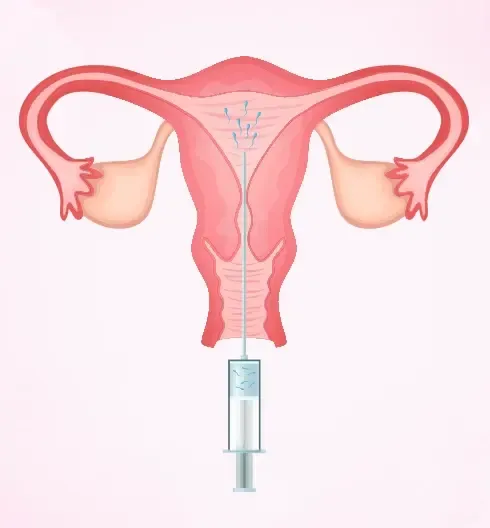
    IUI involves placing sperm directly into the uterus, increasing the chances of fertilization. This procedure is often used when there are issues with sperm count or motility. However, success rates for IUI are lower compared to IVF, and it may not be an option for couples with certain fertility issues.

    IVF is the most well-known and commonly used fertility treatment. It involves fertilizing eggs with sperm in a laboratory and then transferring the resulting embryo into the woman’s uterus. IVF can be a costly and emotionally taxing process, with no guarantee of success. It also carries a risk of multiple pregnancies and can have physical and emotional side effects.

    The Importance of Seeking Professional Help:

    It is important to note that fertility supplements and medical treatments should not be seen as a replacement for professional medical help. If you and your partner have been trying to conceive for over a year (or six months if the woman is over 35), it is recommended to seek the advice of a fertility specialist. They can help identify any underlying issues and recommend the best course of action for your specific situation.

    Additionally, fertility treatments should always be accompanied by lifestyle changes, such as maintaining a healthy diet, exercising regularly, and reducing stress. These factors play a significant role in fertility and can greatly impact the success of any fertility treatment.

    In summary, fertility supplements and medical treatments can be appealing options for couples struggling to conceive, but it is important to approach them with caution and do your research. While some supplements may have benefits, they are not regulated and may not be suitable for everyone. Medical treatments, while more effective, also come with their own risks and should be accompanied by professional help and lifestyle changes. Seeking the guidance of a fertility specialist is crucial for anyone facing fertility issues, as they can provide personalized recommendations and support throughout the journey.

    SEO Metadata:

  • Fertility Options: Choosing Between Artificial Insemination and Natural Conception

    Blog Post:

    Fertility Options: Choosing Between Artificial Insemination and Natural Conception

    For many couples and individuals trying to conceive, the journey to parenthood can be a difficult and emotional one. Fortunately, advancements in medical technology have provided various fertility options to help those struggling with infertility. Two of the most popular methods are artificial insemination and natural conception. Both have their own advantages and considerations, and it can be overwhelming to decide which one is right for you. In this blog post, we will discuss the differences between these two options to help guide you in making the best decision for your fertility journey.

    Artificial Insemination:

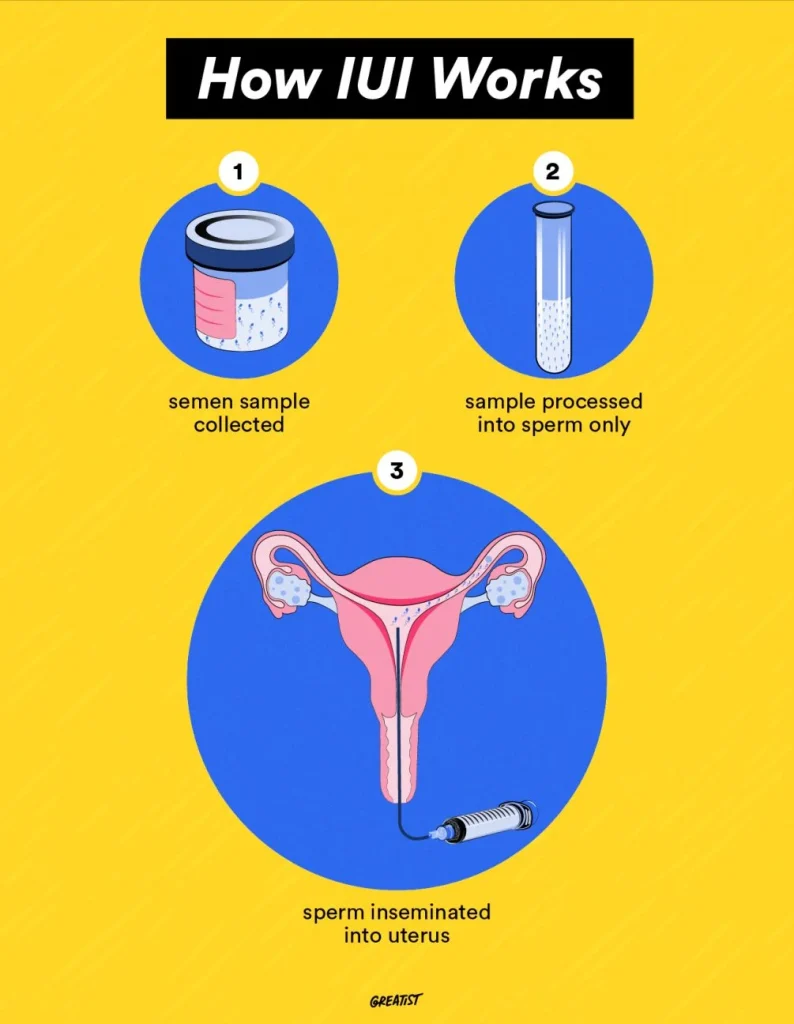
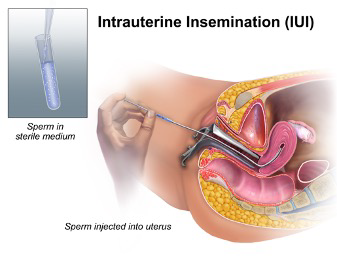
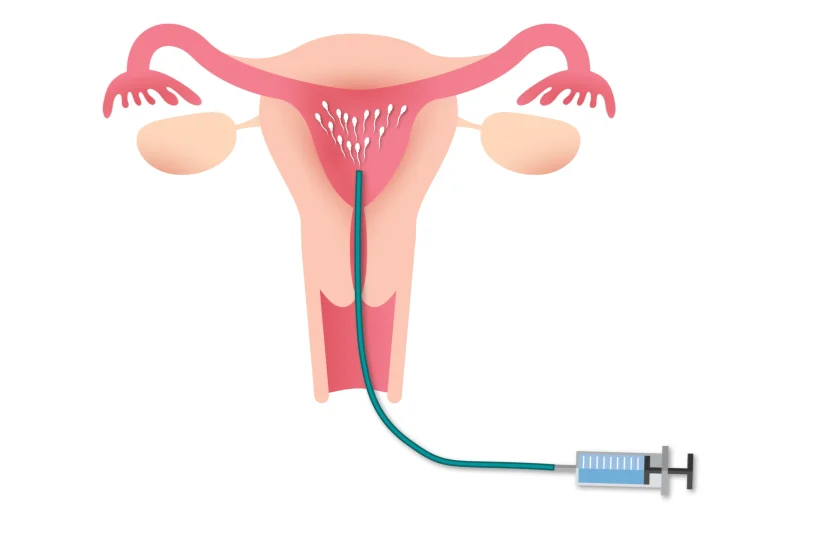
    Artificial insemination, also known as intrauterine insemination (IUI), is a procedure that involves placing washed and concentrated sperm directly into a woman’s uterus. This method is often used for couples who have been trying to conceive for a year or more without success, or for individuals who are single or in same-sex relationships. There are two types of artificial insemination – intracervical insemination (ICI) and intrauterine insemination (IUI).

    In ICI, the sperm is placed in the cervix using a thin catheter, while in IUI, the sperm is placed directly into the uterus using a similar method. IUI is usually the preferred method as it bypasses the cervix and places the sperm closer to the egg for fertilization. It is also accompanied by a higher success rate compared to ICI.

    Natural Conception:

    Natural conception, also known as sexual intercourse or “trying the old-fashioned way,” involves a man ejaculating his sperm into the woman’s vagina during her fertile window. This method is the most common way couples try to conceive and has been used for centuries. It is also the most cost-effective option as it does not require any medical procedures or interventions.

    However, natural conception may not be suitable for everyone. For instance, it may not be feasible for individuals or couples with certain medical conditions or those with low sperm count or motility. It also requires accurate timing and monitoring of the woman’s ovulation cycle, which can be challenging and stressful for some.

    illustration of a uterus with a syringe, representing intrauterine insemination procedure

    Fertility Options: Choosing Between Artificial Insemination and Natural Conception

    Important Considerations:

    When deciding between artificial insemination and natural conception, there are several important factors to consider. These include:

    1. Success Rate: The success rate of artificial insemination depends on various factors such as the age of the woman, the cause of infertility, and the quality of sperm. On average, the success rate for IUI is around 10-20% per cycle, while the success rate for natural conception is around 20-30% per cycle. However, the success rates may vary for each individual depending on their specific circumstances.

    2. Cost: Artificial insemination can be quite expensive, with one cycle costing anywhere between $300 to $900. In contrast, natural conception does not require any medical procedures, making it a more affordable option for couples on a budget.

    3. Medical Conditions: Certain medical conditions may make natural conception impossible or increase the risk of complications. For example, individuals with blocked fallopian tubes or endometriosis may have a better chance of conceiving through artificial insemination.

    4. Emotional and Psychological Impact: Trying to conceive can take a toll on one’s emotional and psychological well-being. Artificial insemination may involve more medical procedures and interventions, which can be overwhelming for some individuals. On the other hand, natural conception can be less stressful and more intimate for couples as it does not involve any medical interventions.

    Which Option is Right for You?

    Choosing between artificial insemination and natural conception is a personal decision that should be based on your specific needs and circumstances. It is essential to consult with a fertility specialist who can guide you in making the best decision for your fertility journey. They can help assess your individual situation and recommend the most suitable option for you.

    In summary, both artificial insemination and natural conception are viable options for couples and individuals trying to conceive. While artificial insemination may have a higher success rate, it can be expensive and may not be suitable for everyone. On the other hand, natural conception may be more affordable and intimate, but it may not be feasible for some individuals. It is crucial to consider factors such as success rates, cost, medical conditions, and emotional impact when deciding between these two options. Consulting with a fertility specialist and understanding your individual needs can help you make an informed decision and increase your chances of success.