Summary:
Infertility is a condition that affects both men and women, and it can be a stressful and overwhelming experience for couples who are trying to conceive. There are many myths and misconceptions surrounding infertility and its treatments, particularly when it comes to male and female infertility. In this blog post, we will debunk some of the most common misconceptions about male and female infertility treatments.
Myth #1: Infertility is only a female problem.
Fact: Infertility affects both men and women equally. According to the World Health Organization, about 15% of couples worldwide experience infertility, and in about 30% of these cases, the problem is solely attributed to the male partner. In another 20-30% of cases, both partners have contributing factors to infertility. It is crucial to understand that infertility is not just a female problem and that both partners should be evaluated when trying to conceive.
Myth #2: Infertility is always caused by a medical problem.
Fact: While some cases of infertility are caused by underlying medical conditions, there are also many cases of unexplained infertility. This means that even after thorough testing and evaluation, the cause of infertility cannot be identified. Factors such as age, lifestyle, and environmental factors can also contribute to infertility.
Myth #3: Infertility treatments are only for women.
Fact: Many people believe that infertility treatments only involve procedures for women, such as in vitro fertilization (IVF). However, there are also various treatments available for men, including medication, surgery, and assisted reproductive techniques like intrauterine insemination (IUI). It is essential for both partners to undergo evaluation and determine the best treatment plan for their specific situation.
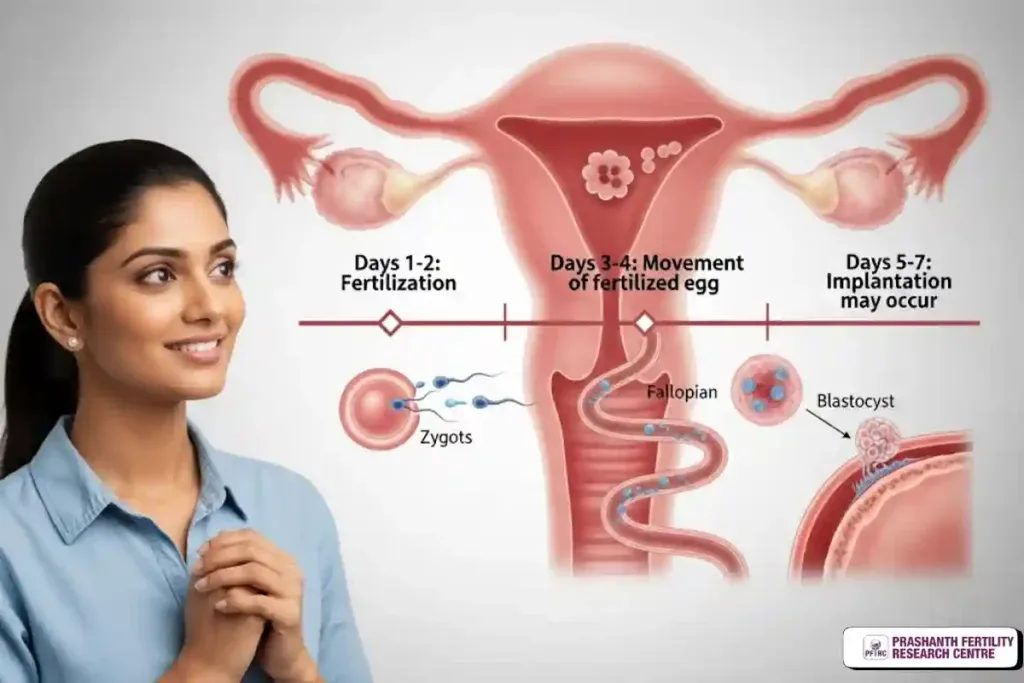
Male and Female Infertility Treatments: Debunking Common Misconceptions
Myth #4: Infertility treatments always result in multiple pregnancies.
Fact: While some fertility treatments may increase the chances of multiple pregnancies, not all of them do. For example, in IUI, the risk of multiple pregnancies is relatively low, while IVF carries a higher risk. It is crucial to discuss the potential risks and benefits of each treatment option with your doctor before making a decision.
Myth #5: Natural remedies and alternative treatments can cure infertility.
Fact: While some natural remedies and alternative treatments may help improve fertility, they are not a cure for infertility. It is essential to consult with a fertility specialist and undergo proper medical evaluation before trying any alternative treatments. These remedies may also interfere with prescribed fertility treatments, so it is crucial to inform your doctor of any supplements or treatments you are using.
Myth #6: Infertility treatments are always expensive.
Fact: While some fertility treatments can be costly, there are also more affordable options available, such as medication and surgery. Additionally, many insurance companies now offer coverage for fertility treatments, so it is essential to check with your provider to see what is covered under your plan.
Myth #7: If you have had a successful pregnancy before, you will not experience infertility.
Fact: Infertility can happen to anyone, regardless of their previous pregnancy history. Age, health conditions, and other factors can affect fertility at any time. It is crucial to seek medical evaluation if you are struggling to conceive, even if you have had a successful pregnancy before.
In conclusion, there are many misconceptions surrounding male and female infertility and its treatments. Infertility is not just a female problem, and there are various treatments available for both men and women. It is essential to seek proper medical evaluation and consult with a fertility specialist to determine the best treatment plan for your specific situation. Additionally, it is crucial to be aware of these common misconceptions and educate yourself to make informed decisions about your fertility journey.