Personalizing Your Fertility Journey: Finding the Right Balance of Supplements and Medical Treatments
Facing fertility challenges can be a difficult and emotional journey for many individuals and couples. While medical treatments such as in vitro fertilization (IVF) and other assisted reproductive technologies have become more widely available, many people are also turning to supplements and alternative therapies to enhance their chances of conceiving. However, with the abundance of information and options available, it can be overwhelming to determine what is the best approach for your unique situation. In this blog post, we will discuss the importance of personalizing your fertility journey and finding the right balance between supplements and medical treatments to increase your chances of success.
Understanding Your Body and Needs
The first step in personalizing your fertility journey is to understand your body and your specific needs. Every person is different and fertility issues can stem from a variety of factors such as hormonal imbalances, structural issues, or underlying health conditions. It is essential to work closely with a fertility specialist to identify the root cause of your fertility challenges and develop a customized treatment plan.
Supplements for Fertility
Supplements have become increasingly popular among those trying to conceive, with promises of improving fertility and increasing chances of pregnancy. While some supplements may have potential benefits, it is important to remember that they are not a miracle cure and should not be used as a replacement for medical treatments. It is crucial to consult with your doctor before taking any supplements as they may interact with other medications or have negative effects on your fertility.
Some supplements that have shown potential benefits for fertility include:
1. Coenzyme Q10 (CoQ10) – This antioxidant has been linked to improved egg quality and increased chances of conception in women over 35.
2. Folic Acid – This B vitamin has been found to reduce the risk of birth defects and support healthy egg development.
3. Omega-3 Fatty Acids – Found in fish oil, these fatty acids have been associated with increased fertility in women and improved sperm quality in men.
4. Vitamin D – Deficiencies in this vitamin have been linked to infertility and pregnancy complications, making it an important supplement to consider.
While these supplements may have potential benefits, it is crucial to consult with your doctor and have your levels monitored to ensure you are taking the right dosage and not at risk of any negative interactions.
Medical Treatments for Fertility
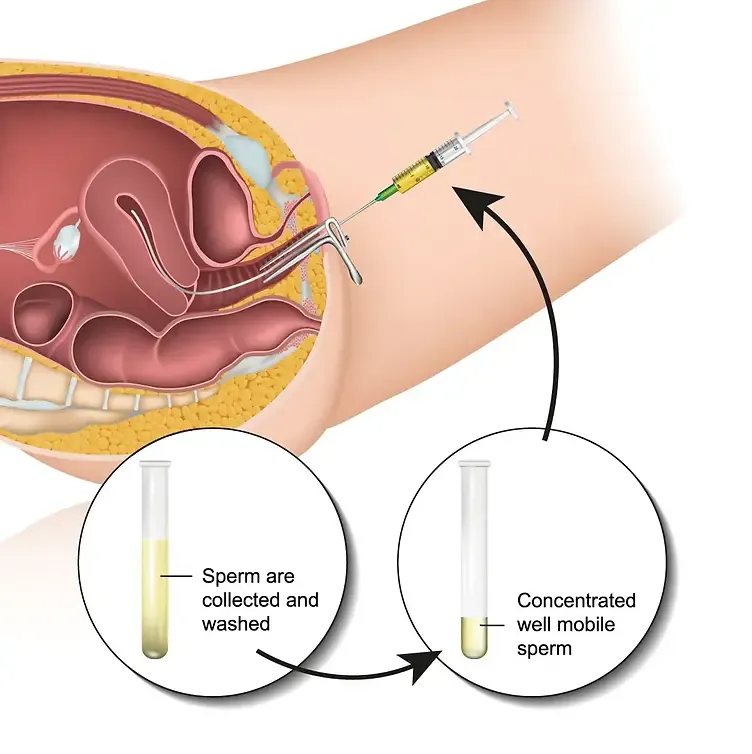
Medical treatments such as IVF, intrauterine insemination (IUI), and fertility medications are often the first line of treatment for fertility issues. These treatments are tailored to your specific needs and may involve hormone therapy, surgical interventions, or assisted reproductive technologies. It is important to work closely with your fertility specialist to understand the risks, success rates, and costs associated with each treatment option.
Finding the Right Balance
It is essential to find the right balance between supplements and medical treatments when personalizing your fertility journey. While supplements may have potential benefits, they should not be used as a replacement for medical treatments. On the other hand, solely relying on medical treatments may overlook underlying issues that could be addressed with supplements or alternative therapies.
Communication and collaboration with your fertility specialist is key in finding the right balance. Your doctor can help you understand which supplements may be beneficial for your specific needs and how to incorporate them into your treatment plan alongside medical interventions. It is also vital to keep your doctor informed of any supplements you are taking to avoid any negative interactions or potential risks.
Other Factors to Consider
In addition to supplements and medical treatments, there are other factors that can impact your fertility journey. These include diet, exercise, stress levels, and overall lifestyle habits. It is important to maintain a healthy and balanced lifestyle while trying to conceive to support your body and increase your chances of success. Your fertility specialist can also provide guidance on lifestyle changes that may benefit your fertility journey.
In summary, personalizing your fertility journey involves understanding your body and needs, working closely with a fertility specialist, and finding the right balance between supplements and medical treatments. Remember to always consult with your doctor and keep them informed of any supplements or lifestyle changes you are making to ensure the best possible outcomes.