Tag: Timing

  • The Science Behind Clinical Insemination

    Blog Post:

    Clinical insemination, also known as artificial insemination, is a fertility treatment option that has been used for decades to help individuals and couples conceive. In this process, sperm is inserted directly into the female’s reproductive tract, bypassing the need for natural fertilization. While this may seem like a straightforward procedure, there is actually a lot of science behind it. In this blog post, we will delve into the science behind clinical insemination and how it works.

    The Basics of Clinical Insemination

    Before we dive into the science, let’s first understand the basics of clinical insemination. There are two main types of insemination: intrauterine insemination (IUI) and intracervical insemination (ICI). IUI involves injecting washed and prepared sperm directly into the uterus, while ICI involves placing the sperm at the opening of the cervix. The goal of both procedures is to increase the chances of sperm reaching and fertilizing the egg.

    The Science Behind Sperm

    To understand how clinical insemination works, we must first understand the science behind sperm. Sperm is the male reproductive cell that carries genetic material necessary for fertilization. Sperm is produced in the testicles and travels through the vas deferens, where it is mixed with fluids from the seminal vesicles and prostate gland to form semen.

    Sperm cells have a unique structure that allows them to swim towards the egg. They have a long tail, known as a flagellum, which propels them forward. The head of the sperm contains genetic material and is covered by a cap called the acrosome, which contains enzymes that help the sperm penetrate the egg.

    Sperm also has a limited lifespan. Once ejaculated, sperm can survive in the female reproductive tract for up to five days. This is why timing is crucial in clinical insemination; the sperm must be introduced into the reproductive tract during the window of time when the female is fertile.

    Preparing Sperm for Insemination

    Before sperm can be used in clinical insemination, it must go through a preparation process. This involves washing the sperm to remove any impurities or dead cells, as well as concentrating the sperm to increase the chances of fertilization. This process also removes any antibodies that may be present, which can hinder the sperm’s ability to fertilize the egg.

    The sperm preparation process also involves separating the “good” sperm from the “bad” sperm. Sperm with abnormal shape or movement may not be able to fertilize an egg, so they are removed during this process. This ensures that only the healthiest and most viable sperm are used for insemination.
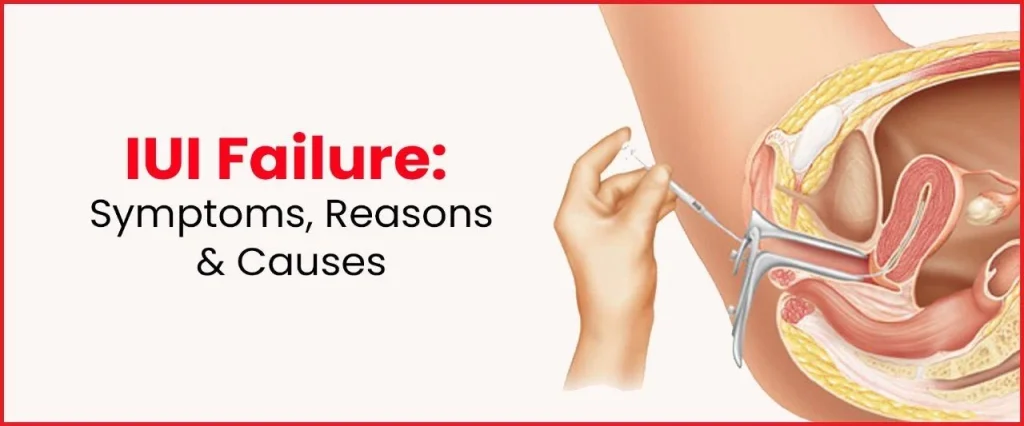
    illustration of IUI procedure with text on symptoms, reasons, and causes of IUI failure

    The Science Behind Clinical Insemination

    The Role of Hormones in Clinical Insemination

    Hormones play a crucial role in clinical insemination. In women, the hormone follicle-stimulating hormone (FSH) is responsible for stimulating the growth and development of follicles, which are structures that contain the eggs. As the follicles mature, they produce estrogen, which thickens the uterine lining and prepares it for potential implantation.

    In men, the hormone luteinizing hormone (LH) stimulates the production of testosterone, which is necessary for the production of sperm. When the sperm is collected for insemination, it is important to ensure that the male partner has adequate levels of LH to produce healthy sperm.

    The Timing of Clinical Insemination

    Timing is crucial in clinical insemination. As mentioned earlier, sperm can survive in the female reproductive tract for up to five days, while the egg is only viable for 12-24 hours after ovulation. This means that the sperm must be introduced into the reproductive tract during the fertile window to increase the chances of fertilization.

    To determine the best timing for insemination, doctors may use methods such as tracking ovulation through basal body temperature charting, monitoring hormone levels, or using ultrasound to track the growth of follicles. This allows for more accurate timing of the insemination procedure and increases the chances of success.

    The Success Rates of Clinical Insemination

    The success rates of clinical insemination vary depending on factors such as the age of the female, the cause of infertility, and the quality of sperm used. On average, the success rates for IUI range from 10-20%, while the success rates for ICI can be slightly lower.

    It is important to note that clinical insemination is not a guarantee for pregnancy and may require multiple attempts for success. However, for couples struggling with fertility issues, clinical insemination can be a less invasive and more affordable option compared to other fertility treatments.

    In conclusion, the science behind clinical insemination is complex and involves a deep understanding of the male and female reproductive systems and the role of hormones. By understanding the science behind this procedure, we can appreciate the technology and advancements that have made it possible for many individuals and couples to conceive.

    Summary:

    Clinical insemination, also known as artificial insemination, is a fertility treatment option that involves injecting sperm directly into the female reproductive tract. This procedure has been used for decades and involves a complex understanding of the science behind sperm, hormones, and the timing of insemination. Sperm must be prepared and timed correctly for the procedure to have a higher chance of success. While success rates vary, clinical insemination can be a more affordable and less invasive option for couples struggling with fertility issues.


  • Fertility Preservation for Cancer Patients: What You Need to Know

    Title: Fertility Preservation for Cancer Patients: What You Need to Know

    Introduction:

    Cancer treatment can have a significant impact on a person’s fertility, especially for young patients who have not started or completed their family planning. The good news is that advancements in medical technology have made it possible for cancer patients to preserve their fertility before undergoing treatment. In this blog post, we will discuss the importance of fertility preservation for cancer patients, the options available, and what you need to know before making a decision.

    Why is Fertility Preservation Important for Cancer Patients?

    Cancer treatment, such as chemotherapy, radiation, and surgery, can damage reproductive organs and affect hormone levels, leading to infertility. For young cancer patients, this can be devastating as they may not have had the chance to start a family. However, with fertility preservation, patients can have hope for their future family planning.

    Options for Fertility Preservation:

    1. Cryopreservation of Eggs, Sperm, or Embryos:

    Cryopreservation is the process of freezing and storing eggs, sperm, or embryos for future use. For male cancer patients, sperm can be collected through masturbation or testicular biopsy. For female patients, eggs can be retrieved through a procedure called ovarian stimulation and then frozen. Embryos can also be created using the patient’s eggs and sperm and frozen for future use.

    2. Ovarian Tissue Freezing:

    For female patients who do not have time to undergo ovarian stimulation, or for those who cannot delay cancer treatment, ovarian tissue freezing may be an option. This involves removing a piece of ovarian tissue and freezing it for later use. The tissue can be transplanted back into the patient’s body after they have completed their cancer treatment, allowing them to conceive naturally.

    3. Gonadal Shielding:

    For patients who need radiation therapy in the pelvic area, gonadal shielding can help protect the reproductive organs from radiation damage. This involves placing a lead shield over the pelvic area during radiation treatment, minimizing the exposure of reproductive organs to radiation.

    Comparison of IUI and IVF, illustrating procedures and definitions for each fertility treatment.

    Fertility Preservation for Cancer Patients: What You Need to Know

    Things to Consider Before Making a Decision:

    1. Timing is crucial:

    Fertility preservation should be done before starting cancer treatment, as some treatments can affect fertility immediately. It is essential to discuss fertility preservation options with your doctor as soon as possible to make an informed decision.

    2. Costs:

    Fertility preservation can be expensive, and most insurance companies do not cover the cost. Patients should discuss the costs with their doctor and explore financial assistance options, such as grants and fertility preservation loans.

    3. Success rates:

    The success rates of fertility preservation vary depending on the patient’s age, type of cancer, and the chosen method. It is essential to discuss the potential success rates with your doctor and understand the risks involved.

    4. Emotional impact:

    Undergoing cancer treatment is emotionally challenging, and the added stress of fertility preservation can be overwhelming. It is crucial to have a support system in place and to seek counseling if needed.

    Conclusion:

    Fertility preservation is vital for cancer patients who want to have children in the future. It provides hope and options for patients who may have thought that their cancer treatment would leave them unable to conceive. By discussing fertility preservation with your doctor and understanding the options available, you can make an informed decision about your future family planning.

    Summary:

    Fertility preservation is crucial for cancer patients as cancer treatment can damage reproductive organs and affect fertility. The options available for fertility preservation include cryopreservation of eggs, sperm, or embryos, ovarian tissue freezing, and gonadal shielding. Before making a decision, patients should consider the timing, costs, success rates, and emotional impact of fertility preservation. By discussing with their doctor and understanding the options, cancer patients can have hope for their future family planning.

  • The Role of Timing: Donor Insemination vs Partner Insemination

    The Role of Timing: Donor Insemination vs Partner Insemination

    Timing plays a crucial role in both donor insemination and partner insemination, two common methods used by individuals and couples to conceive a child. While both methods involve the introduction of sperm into the female reproductive system, there are key differences in terms of timing and how it affects the success of the insemination. In this blog post, we will delve into the importance of timing in both donor insemination and partner insemination, and how it can impact the outcome of the process.

    Donor insemination, also known as artificial insemination by donor (AID), is a process where a woman receives a sperm donation from a known or anonymous donor. The timing of a donor insemination is crucial because it involves the coordination of the donor’s sperm with the woman’s ovulation cycle. This is typically done through fertility tracking methods such as basal body temperature charting, ovulation predictor kits, or ultrasounds.

    One of the main advantages of donor insemination is that it allows for more control over the timing of conception. As the sperm is obtained from a donor, the process can be planned in advance, making it easier to coordinate with the woman’s ovulation. This is particularly beneficial for women with irregular or unpredictable ovulation cycles.

    Timing is also important in donor insemination because it can affect the success rate of the procedure. In order for conception to occur, the sperm needs to be present in the reproductive system during the woman’s fertile window, which is typically a few days leading up to and including ovulation. By tracking ovulation and timing the insemination accordingly, the chances of the sperm fertilizing the egg are increased.

    A person administering an injection into their abdomen with a yellow pen-like device.

    The Role of Timing: Donor Insemination vs Partner Insemination

    On the other hand, partner insemination, also known as artificial insemination by partner (AIP), involves using the male partner’s sperm to inseminate the female partner. Unlike donor insemination, the timing of partner insemination can be a bit more challenging as it relies on the male partner’s ability to produce sperm on demand. This means that the timing of the insemination may not always align perfectly with the woman’s ovulation.

    However, there are ways to improve the timing in partner insemination. One method is through the use of fertility medications, such as Clomid, which can stimulate the production of sperm and increase the chances of conception. Another option is to collect and freeze the male partner’s sperm in advance, allowing for more control over the timing of the insemination.

    Overall, timing is crucial in both donor insemination and partner insemination. While donor insemination offers more control over the timing of conception, partner insemination may require more planning and coordination to ensure the sperm is present during the woman’s fertile window.

    In addition to timing, there are other factors that can impact the success of both donor insemination and partner insemination. These include the health and fertility of both partners, the quality of the sperm, and any underlying fertility issues. It is important for individuals and couples considering either method to consult with a fertility specialist to determine the best course of action.

    In conclusion, timing plays a significant role in both donor insemination and partner insemination. While donor insemination offers more control over the timing of conception, partner insemination may require more planning and coordination. However, with the help of fertility tracking methods and medical interventions, couples can increase their chances of successful conception through either method.

  • Fertility Supplements vs Medical Treatments: The Importance of Timing

    Blog Post:

    When it comes to fertility, many couples face challenges and seek solutions to improve their chances of conception. In recent years, there has been a rise in the use of fertility supplements as an alternative to medical treatments. However, the timing of these interventions is crucial and can greatly impact their effectiveness. In this blog post, we will discuss the importance of timing when it comes to fertility supplements versus medical treatments.

    Fertility Supplements:

    Fertility supplements are supplements that claim to improve fertility and increase the chances of conception. These supplements are often marketed as natural and safe alternatives to medical treatments. They may contain a combination of vitamins, minerals, herbs, and other ingredients that are said to boost fertility.

    One of the main benefits of fertility supplements is that they are easily accessible and can be purchased over the counter. They also tend to be more affordable compared to medical treatments. Additionally, some couples may feel more comfortable trying natural remedies before resorting to medical interventions.

    However, it is important to note that fertility supplements are not regulated by the FDA and their effectiveness is not scientifically proven. While some may have positive effects on fertility, others may have little to no effect at all. It is also crucial to consult with a healthcare professional before starting any new supplement, as they may interact with other medications or have potential side effects.

    Timing is Key:

    When it comes to fertility, timing is everything. Both fertility supplements and medical treatments need to be taken at the right time in order to have the best chance of success. For fertility supplements, timing is important because they may contain ingredients that need to build up in the body over time in order to be effective. This means that they need to be taken consistently and for a certain period of time before any improvements in fertility can be seen.

    Additionally, certain supplements may be more effective during specific phases of the menstrual cycle. For example, supplements that contain folic acid may be more beneficial during the preconception phase, while others that contain herbs like chasteberry may be more effective during the ovulation phase.

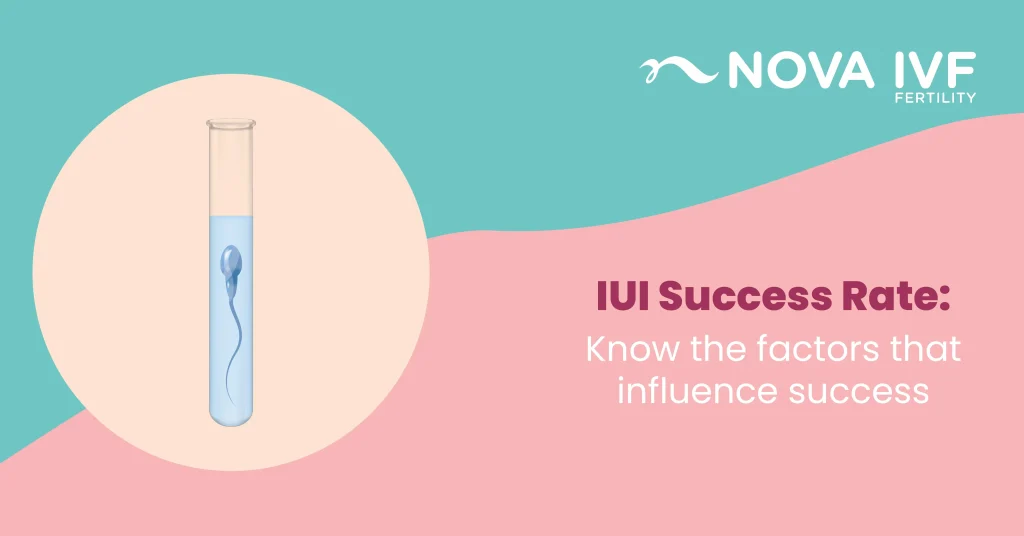
    test tube with sperm in blue liquid, promoting IUI success rate and factors influencing fertility.

    Fertility Supplements vs Medical Treatments: The Importance of Timing

    On the other hand, medical treatments such as fertility drugs or assisted reproductive technologies (ART) also have a specific timeline for optimal effectiveness. Fertility drugs are typically taken for a certain number of days during a woman’s menstrual cycle, and ART procedures are timed according to a woman’s ovulation cycle.

    The Importance of Medical Treatments:

    While fertility supplements may seem like a more natural and less invasive option, medical treatments are often necessary for couples struggling with infertility. Medical treatments are backed by scientific research and have been proven to be successful in helping couples conceive.

    Fertility drugs, such as clomiphene citrate and letrozole, are commonly prescribed to stimulate ovulation in women. These drugs work by regulating the hormones responsible for ovulation and increasing the chances of releasing a healthy egg.

    ART procedures, such as in vitro fertilization (IVF) and intrauterine insemination (IUI), are also highly effective treatments for infertility. These procedures involve retrieving eggs from the woman’s ovaries, fertilizing them with sperm in a laboratory, and then transferring the resulting embryo(s) into the woman’s uterus.

    The timing of these procedures is crucial, as they need to be performed at the right time during the woman’s menstrual cycle in order to increase the chances of conception. This is where the expertise of a fertility specialist comes in, as they can closely monitor a woman’s cycle and determine the best timing for the procedures.

    In some cases, couples may need to combine medical treatments with fertility supplements in order to increase their chances of conceiving. In these situations, it is important to consult with a healthcare professional to ensure that the supplements do not interfere with the medical treatments.

    In conclusion, both fertility supplements and medical treatments have their own benefits and drawbacks when it comes to improving fertility. However, the timing of these interventions is crucial and can greatly impact their effectiveness. It is important for couples to consult with a healthcare professional and carefully consider their options before embarking on any fertility journey. Remember, timing is key when it comes to fertility.

    Summary:

    Fertility is a topic that many couples struggle with and seek solutions for. In recent years, there has been a rise in the use of fertility supplements as an alternative to medical treatments. While these supplements may seem like a more natural and accessible option, the timing of their intake is crucial for their effectiveness. Medical treatments, on the other hand, have been scientifically proven to be successful in helping couples conceive, but also require careful timing. Both options should be considered and discussed with a healthcare professional, as timing is key when it comes to fertility.

  • The Role of Timing: Artificial Insemination vs Natural Conception

    Blog Post: The Role of Timing: Artificial Insemination vs Natural Conception

    When it comes to starting a family, many couples may face challenges in conceiving a child. In recent years, there has been a rise in the use of artificial insemination as a method of conception. However, the debate between natural conception and artificial insemination still remains. One crucial factor that plays a role in both methods is timing. In this blog post, we will explore the role of timing in artificial insemination and natural conception and how it can impact the success of both methods.

    Natural Conception and Timing

    Natural conception, also known as sexual intercourse, is the most common way for couples to conceive a child. It involves the fertilization of an egg by sperm during the woman’s fertile window. The fertile window refers to the days in a woman’s menstrual cycle when she is most likely to conceive. Typically, this window occurs around day 14 of a 28-day menstrual cycle, but it can vary from woman to woman.

    Timing is crucial in natural conception because the egg is only viable for fertilization for about 12-24 hours after it is released from the ovary. Sperm, on the other hand, can survive in the female reproductive tract for up to 5 days. This means that couples need to have sexual intercourse during the fertile window to increase their chances of conception.

    Several factors can affect the timing of ovulation and, therefore, the fertile window. Stress, hormonal imbalances, and certain health conditions can all impact a woman’s menstrual cycle and make it difficult to pinpoint the exact time of ovulation. Additionally, age can also play a role, as women’s fertility declines with age, making it more challenging to conceive naturally.

    Artificial Insemination and Timing

    Artificial insemination involves the insertion of sperm directly into a woman’s uterus or cervix, bypassing the need for sexual intercourse. This method is often used by couples who have been unsuccessful in conceiving naturally or by same-sex couples or single individuals who want to have a child.

    Timing is also crucial in artificial insemination, but in a slightly different way. Unlike natural conception, where couples need to time sexual intercourse during the fertile window, artificial insemination requires the timing of the insemination procedure. The timing of the procedure is critical as it needs to be done when the woman is ovulating to increase the chances of conception.

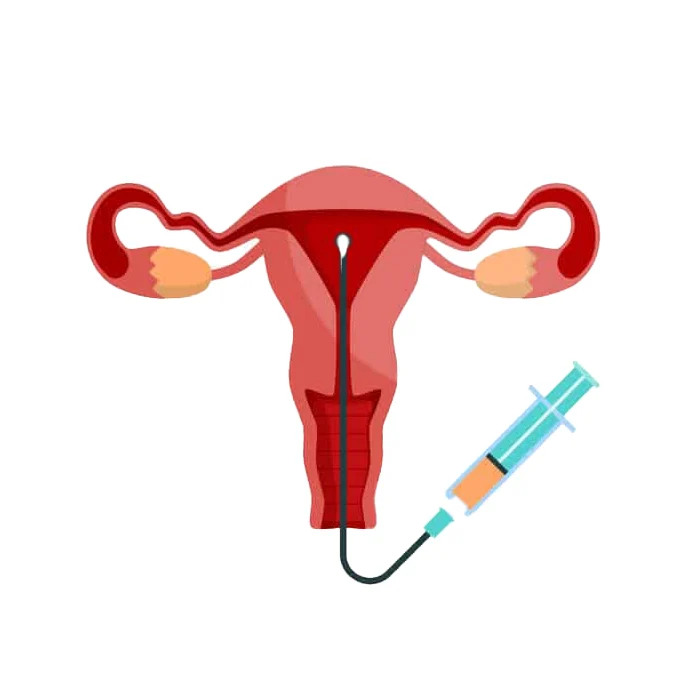
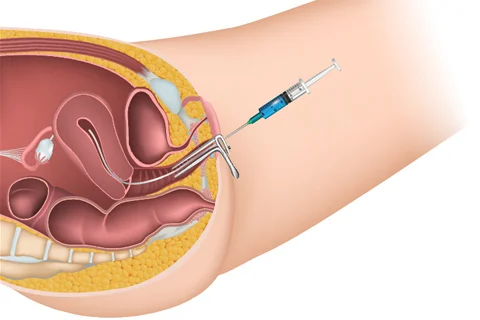
    illustration of a uterus with a syringe for intrauterine insemination (IUI) procedure

    The Role of Timing: Artificial Insemination vs Natural Conception

    There are two types of artificial insemination: intrauterine insemination (IUI) and intracervical insemination (ICI). In IUI, the sperm is inserted directly into the uterus, while in ICI, it is placed in the cervix. IUI is typically performed around 24-36 hours after the woman has received a trigger shot, which helps induce ovulation. On the other hand, ICI is usually done within a few hours of a positive ovulation test.

    Timing is also essential in artificial insemination because sperm can only survive for a limited time outside of the body. To ensure the sperm is viable and can fertilize the egg, the timing of the procedure needs to be precise.

    Which Method is More Effective?

    When it comes to timing, both natural conception and artificial insemination require careful planning and consideration. However, studies have shown that artificial insemination may be more effective, especially for couples who have been struggling with fertility issues.
    In natural conception, the chances of conceiving in each cycle are around 20%, while in artificial insemination, it can be as high as 25%. This is because artificial insemination allows for a higher concentration of sperm, increasing the chances of fertilization. Additionally, artificial insemination also bypasses any potential issues with sperm motility or the female reproductive system, which can affect natural conception.

    Moreover, artificial insemination also allows for timing to be more controlled and precise. With natural conception, there is a higher chance of missing the fertile window, while artificial insemination can be timed to coincide with ovulation.

    Summarizing the Role of Timing in Artificial Insemination vs Natural Conception

    Timing plays a crucial role in both artificial insemination and natural conception. In natural conception, couples need to time sexual intercourse during the woman’s fertile window, while in artificial insemination, the timing of the procedure is essential. Both methods require careful planning and consideration to increase the chances of conception.

    While natural conception may be the preferred method for many couples, artificial insemination may be a more effective option, especially for those struggling with fertility issues. With the ability to control timing and bypass potential issues, artificial insemination can increase the chances of conception and help couples start a family.
    In conclusion, timing is a vital factor in both artificial insemination and natural conception. Whether couples choose to conceive naturally or opt for artificial insemination, understanding the role of timing can help them make an informed decision and increase their chances of success.

  • Intrauterine Insemination vs Timed Intercourse: The Importance of Monitoring and Timing for Success

    Intrauterine Insemination vs Timed Intercourse: The Importance of Monitoring and Timing for Success

    When it comes to trying to conceive, there are various methods available for couples struggling to get pregnant. Two commonly used methods are intrauterine insemination (IUI) and timed intercourse. Both of these methods involve the use of fertility treatments, but they differ in the way they are performed. In this blog post, we will dive into the differences between IUI and timed intercourse and explore the crucial role that monitoring and timing play in the success of these methods.

    What is Intrauterine Insemination (IUI)?

    Intrauterine insemination, also known as artificial insemination, is a fertility treatment that involves placing washed and concentrated sperm directly into the woman’s uterus. This procedure is usually performed around the time of ovulation to increase the chances of fertilization. IUI can be done with either a partner’s sperm or a donor’s sperm.

    What is Timed Intercourse?

    Timed intercourse, on the other hand, is a method where couples are advised to have sex during the woman’s most fertile days. This is usually determined by tracking ovulation through methods such as ovulation predictor kits, basal body temperature charting, and cervical mucus monitoring. The goal of timed intercourse is to have sperm available in the reproductive tract at the time of ovulation to increase the chances of fertilization.

    The Importance of Monitoring

    Regardless of which method a couple chooses, monitoring plays a crucial role in determining the success of the treatment. Monitoring involves tracking ovulation and the growth of follicles (the structures in the ovaries that contain eggs). This can be done through blood tests and ultrasound scans.

    For IUI, monitoring is essential to determine the optimal time for the procedure. Ovulation can be triggered using medication to ensure that the insemination is done at the most fertile time. Monitoring also helps to ensure that the woman does not have multiple eggs released, which could result in a high-risk pregnancy.

    In the case of timed intercourse, monitoring is equally important. By tracking ovulation, couples can time intercourse correctly to increase the chances of fertilization. Additionally, monitoring can help identify any potential issues that may be affecting a woman’s ovulation, such as hormonal imbalances or irregular cycles.

    The Role of Timing

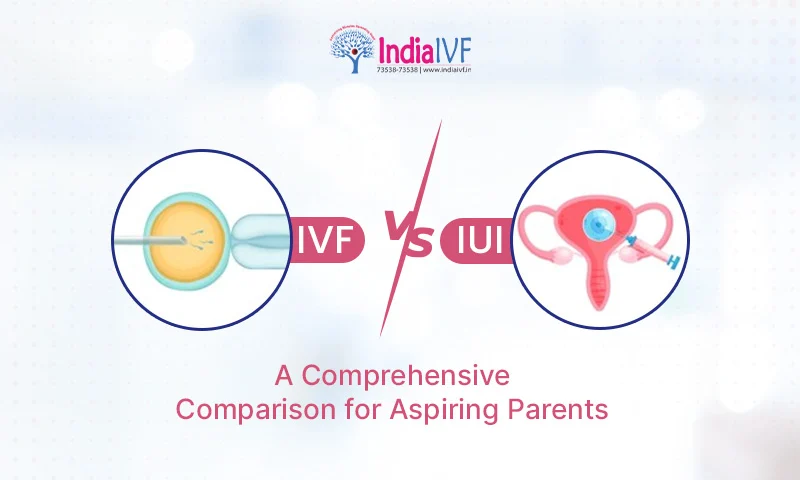
    IVF vs IUI comparison graphic highlighting reproductive methods for aspiring parents.

    Intrauterine Insemination vs Timed Intercourse: The Importance of Monitoring and Timing for Success

    Timing is crucial in both IUI and timed intercourse. In IUI, the timing of the procedure is crucial to ensure that the sperm is in the reproductive tract at the time of ovulation. If the timing is off, the sperm may not be able to reach the egg, resulting in a failed insemination.

    Similarly, in timed intercourse, timing is essential to ensure that the sperm is present in the reproductive tract when the egg is released. If the timing is off, the sperm may not be able to reach the egg, decreasing the chances of fertilization.

    Factors Affecting Timing and Success

    Many factors can affect the timing and success of both IUI and timed intercourse. These include:

    1. Ovulation disorders: Women with ovulation disorders may have difficulty predicting when they will ovulate, making it challenging to time intercourse or IUI correctly.

    2. Age: As women age, their ovarian reserve (the number of eggs in the ovaries) decreases, making it more challenging to predict ovulation accurately.

    3. Sperm quality: Poor sperm quality can affect the success of both IUI and timed intercourse. In IUI, the sperm is washed and concentrated, so the quality is less critical. However, in timed intercourse, the sperm must be able to reach and fertilize the egg on its own.

    4. Underlying health conditions: Certain health conditions, such as polycystic ovary syndrome (PCOS) and endometriosis, can affect ovulation and decrease the chances of success for both IUI and timed intercourse.

    5. Lifestyle factors: Factors such as smoking, excessive alcohol consumption, and obesity can also impact a couple’s ability to conceive. These factors can affect ovulation and sperm quality, making it harder to time intercourse or IUI correctly.

    In conclusion, IUI and timed intercourse are two commonly used methods for couples trying to conceive. Both methods rely on monitoring and timing to increase the chances of success. It is crucial for couples to work closely with their fertility specialist to determine the best approach for their specific situation and to ensure that they are monitoring and timing correctly.

    SEO Metadata:

  • The Importance of Timing: Intrauterine Insemination vs Timed Intercourse for Couples Struggling with Infertility

    The journey to starting a family can be filled with excitement and anticipation, but for many couples, it can also be filled with frustration and disappointment. Infertility affects approximately 1 in 8 couples, and can be a difficult and emotional experience. When trying to conceive, timing is everything, and it can be overwhelming to navigate the various methods and techniques available. One of the most common choices for couples struggling with infertility is the decision between intrauterine insemination (IUI) and timed intercourse. Both have their own benefits and drawbacks, but understanding the importance of timing can make all the difference in achieving a successful pregnancy.

    Intrauterine insemination (IUI) is a form of assisted reproductive technology (ART) where sperm is placed directly into the uterus, increasing the chances of fertilization. This is typically done around the time of ovulation, and can be done with or without the use of fertility medications. Timed intercourse, on the other hand, involves having intercourse during the woman’s fertile window, which is the time leading up to and including ovulation. While both methods aim to increase the chances of conception, there are some key differences that couples should be aware of when making this decision.

    One of the main benefits of IUI is that it allows for a higher concentration of sperm to be placed directly into the uterus, bypassing any potential obstacles in the cervix. This can be especially helpful for couples where the male partner has a low sperm count or poor sperm motility. Additionally, IUI can also be beneficial for couples with unexplained infertility, as it increases the chances of sperm and egg meeting in the fallopian tubes. However, IUI does not guarantee fertilization, and there is still a chance of multiple unsuccessful attempts.

    Timed intercourse, on the other hand, relies on the natural process of fertilization through intercourse during the fertile window. This method is less invasive and less expensive compared to IUI, making it a more attractive option for couples who may not have the resources for ART treatments. However, timing is crucial for this method to be successful. Couples must accurately track the woman’s menstrual cycle and use ovulation predictor kits to determine the best time for intercourse. This can be a challenging and stressful process, and the window for conception is smaller compared to IUI, making it more difficult for some couples to conceive.

    Another important factor to consider is the success rates of each method. Studies have shown that IUI has a higher success rate compared to timed intercourse, with pregnancy rates ranging from 10-20% per cycle. This is due to the higher concentration of sperm being placed directly into the uterus, increasing the chances of fertilization. However, the success rates of IUI can also be affected by factors such as the woman’s age, overall health, and the quality of the sperm being used.

    Timing is also crucial when it comes to the age of the woman. As a woman ages, her fertility declines, and the chances of conception decrease. This is why it is important for couples to seek medical advice and consider the most effective method for their individual situation. For women over the age of 35, IUI may be a more suitable option as it can bypass any potential age-related issues with the cervix or fallopian tubes.

    illustration of intrauterine insemination procedure with a syringe and catheter in the uterus.

    The Importance of Timing: Intrauterine Insemination vs Timed Intercourse for Couples Struggling with Infertility

    It’s also important to note that timing is not the only factor that affects the success of these methods. Other lifestyle factors such as diet, exercise, and stress levels can also play a role in fertility. It’s important for couples to take a holistic approach and make lifestyle changes that can improve their overall reproductive health.

    In addition to timing, another key consideration for couples struggling with infertility is the cost. IUI can be a more expensive option compared to timed intercourse, as it involves the use of fertility medications and medical procedures. Insurance coverage for these treatments can vary, so it’s important for couples to research and understand their options before making a decision.

    Ultimately, the decision between IUI and timed intercourse should be made in consultation with a fertility specialist, who can provide personalized recommendations based on the couple’s medical history and individual factors. Both methods have their own benefits and drawbacks, and it’s important for couples to understand their options and make an informed decision that is best for their unique situation.

    In conclusion, timing plays a crucial role in the journey of conception for couples struggling with infertility. The decision between IUI and timed intercourse is a personal one and should be made after careful consideration of each method’s benefits, success rates, and cost. Seeking medical advice and making lifestyle changes can also greatly improve the chances of success for both methods. Regardless of which method is chosen, the most important thing is for couples to remain hopeful and support each other through this challenging process.

    Summary:

    Timing is crucial when it comes to the journey of conception for couples struggling with infertility. Intrauterine insemination (IUI) and timed intercourse are two common methods used to increase the chances of pregnancy, each with their own benefits and drawbacks. IUI involves placing sperm directly into the uterus, while timed intercourse relies on natural fertilization through intercourse during the fertile window. Factors such as age, success rates, and cost should be considered when making a decision, and seeking medical advice is important. Ultimately, both methods require accurate timing and a holistic approach to improve the chances of success.

  • The Importance of Timing: Understanding Ovulation with Artificial Insemination and IVF

    Timing is everything when it comes to achieving a successful pregnancy. For couples struggling with fertility issues, understanding ovulation and utilizing assisted reproductive technologies such as artificial insemination and in vitro fertilization (IVF) can greatly increase their chances of conception. In this blog post, we will explore the importance of timing in the process of ovulation and how it relates to artificial insemination and IVF.

    Ovulation is a key factor in the reproductive process, as it is the release of a mature egg from the ovary. This typically occurs once a month in women with regular menstrual cycles, but can vary for each individual. Understanding when ovulation occurs is crucial for couples trying to conceive, as it is the only time during a woman’s cycle when pregnancy can occur.

    Tracking Ovulation: The Basics
    There are a few different methods for tracking ovulation, including tracking changes in cervical mucus, basal body temperature, and using ovulation predictor kits. These methods can help pinpoint the most fertile time in a woman’s cycle, as ovulation typically occurs within 24-48 hours after a surge in luteinizing hormone (LH) is detected.

    However, for couples using assisted reproductive technologies such as artificial insemination or IVF, timing becomes even more critical. Let’s take a closer look at how understanding ovulation can greatly impact the success of these procedures.

    Artificial Insemination: The Role of Timing
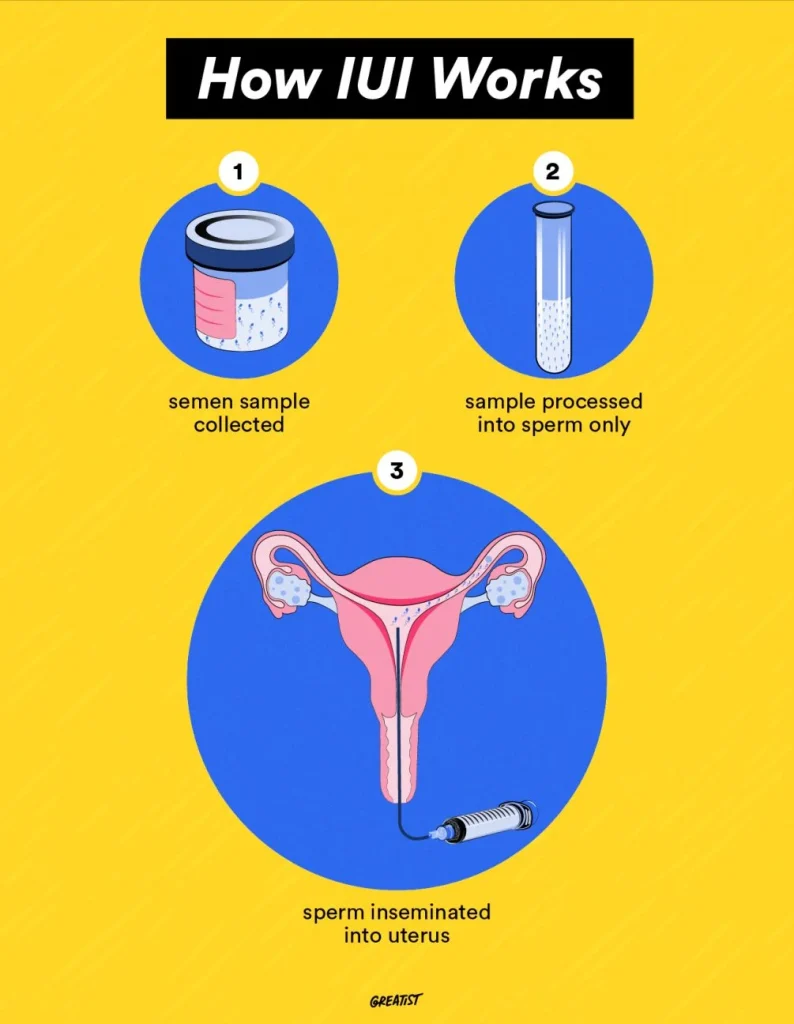
    Artificial insemination (AI), also known as intrauterine insemination (IUI), is a procedure in which sperm is placed directly into a woman’s uterus. This can be done using the partner’s sperm or donor sperm, and can be timed to coincide with ovulation.

    Timing is crucial for artificial insemination, as the sperm must be in the fallopian tubes at the time of ovulation in order to fertilize the egg. This means that the insemination must be performed shortly before or during ovulation. The success rate for AI greatly increases when it is timed correctly with ovulation.

    In some cases, medications such as clomiphene citrate or human chorionic gonadotropin (hCG) may be used to stimulate ovulation and increase the chances of success with AI. The use of these medications allows for more control over the timing of ovulation, making it easier to plan for the insemination procedure.

    IVF: The Importance of Synchronization
    In vitro fertilization (IVF) is a more complex assisted reproductive technology that involves the fertilization of eggs and sperm in a laboratory setting, followed by the transfer of resulting embryos into the uterus. Timing is crucial for IVF, as the eggs must be retrieved and fertilized at the optimal time in order for the procedure to be successful.

    illustration explaining the steps of intrauterine insemination (IUI) process on a bright yellow background

    The Importance of Timing: Understanding Ovulation with Artificial Insemination and IVF

    In order to retrieve eggs, a woman must undergo ovarian stimulation, which involves taking medications to stimulate the ovaries to produce multiple eggs. This process must be carefully timed with the woman’s natural cycle or with the use of medications, in order to achieve the best results.

    Once the eggs are retrieved, they are fertilized in the laboratory and allowed to develop for a few days before being transferred into the uterus. The timing of this transfer is also crucial, as it needs to coincide with the optimal time for implantation in the uterine lining.

    Understanding ovulation and timing is especially important for women with irregular menstrual cycles, as it can be more difficult to predict when ovulation will occur. In these cases, hormonal monitoring and ultrasound may be used to track ovulation and determine the best time for the IVF procedure.

    The Role of Technology
    Advances in technology have greatly improved the success rates of artificial insemination and IVF. Ovulation predictor kits, fertility tracking apps, and other tools can help women accurately track their ovulation and increase their chances of conception.

    In addition, many fertility clinics now offer time-lapse imaging, which allows for more precise monitoring of embryo development during IVF. This technology can help doctors select the healthiest embryos for transfer, increasing the chances of a successful pregnancy.

    The Emotional Impact
    Understanding the importance of timing in assisted reproductive technologies can not only increase the chances of success, but also help alleviate some of the stress and emotional strain that comes with struggling to conceive. By knowing when ovulation is likely to occur, couples can plan and prepare for the necessary procedures, making the process more manageable.

    In addition, having a better understanding of their fertility and the role of timing can give couples a sense of control and empowerment during a difficult journey.

    In conclusion, timing is crucial when it comes to understanding ovulation and utilizing assisted reproductive technologies such as artificial insemination and IVF. By tracking ovulation and working closely with medical professionals, couples can greatly increase their chances of achieving a successful pregnancy. And with advancements in technology and a better understanding of the role of timing, the journey to parenthood may become a little easier for those struggling with fertility issues.

    SEO metadata: