Timing is everything when it comes to achieving a successful pregnancy. For couples struggling with fertility issues, understanding ovulation and utilizing assisted reproductive technologies such as artificial insemination and in vitro fertilization (IVF) can greatly increase their chances of conception. In this blog post, we will explore the importance of timing in the process of ovulation and how it relates to artificial insemination and IVF.
Ovulation is a key factor in the reproductive process, as it is the release of a mature egg from the ovary. This typically occurs once a month in women with regular menstrual cycles, but can vary for each individual. Understanding when ovulation occurs is crucial for couples trying to conceive, as it is the only time during a woman’s cycle when pregnancy can occur.
Tracking Ovulation: The Basics
There are a few different methods for tracking ovulation, including tracking changes in cervical mucus, basal body temperature, and using ovulation predictor kits. These methods can help pinpoint the most fertile time in a woman’s cycle, as ovulation typically occurs within 24-48 hours after a surge in luteinizing hormone (LH) is detected.
However, for couples using assisted reproductive technologies such as artificial insemination or IVF, timing becomes even more critical. Let’s take a closer look at how understanding ovulation can greatly impact the success of these procedures.
Artificial Insemination: The Role of Timing
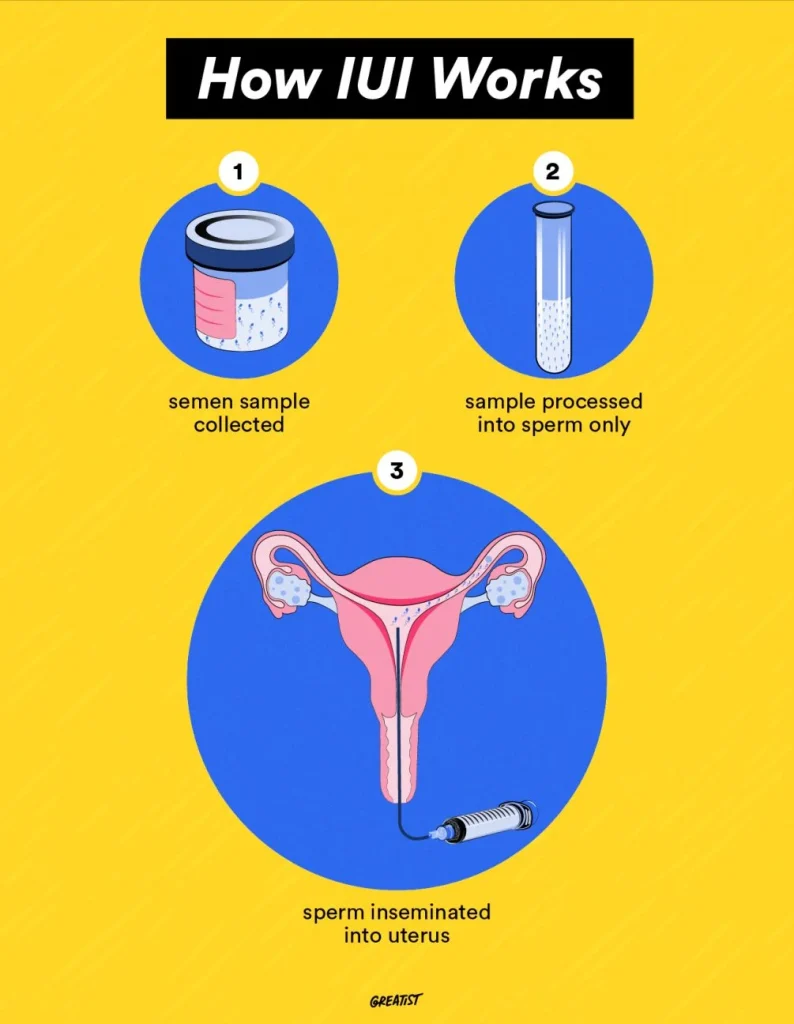
Artificial insemination (AI), also known as intrauterine insemination (IUI), is a procedure in which sperm is placed directly into a woman’s uterus. This can be done using the partner’s sperm or donor sperm, and can be timed to coincide with ovulation.
Timing is crucial for artificial insemination, as the sperm must be in the fallopian tubes at the time of ovulation in order to fertilize the egg. This means that the insemination must be performed shortly before or during ovulation. The success rate for AI greatly increases when it is timed correctly with ovulation.
In some cases, medications such as clomiphene citrate or human chorionic gonadotropin (hCG) may be used to stimulate ovulation and increase the chances of success with AI. The use of these medications allows for more control over the timing of ovulation, making it easier to plan for the insemination procedure.
IVF: The Importance of Synchronization
In vitro fertilization (IVF) is a more complex assisted reproductive technology that involves the fertilization of eggs and sperm in a laboratory setting, followed by the transfer of resulting embryos into the uterus. Timing is crucial for IVF, as the eggs must be retrieved and fertilized at the optimal time in order for the procedure to be successful.
The Importance of Timing: Understanding Ovulation with Artificial Insemination and IVF
In order to retrieve eggs, a woman must undergo ovarian stimulation, which involves taking medications to stimulate the ovaries to produce multiple eggs. This process must be carefully timed with the woman’s natural cycle or with the use of medications, in order to achieve the best results.
Once the eggs are retrieved, they are fertilized in the laboratory and allowed to develop for a few days before being transferred into the uterus. The timing of this transfer is also crucial, as it needs to coincide with the optimal time for implantation in the uterine lining.
Understanding ovulation and timing is especially important for women with irregular menstrual cycles, as it can be more difficult to predict when ovulation will occur. In these cases, hormonal monitoring and ultrasound may be used to track ovulation and determine the best time for the IVF procedure.
The Role of Technology
Advances in technology have greatly improved the success rates of artificial insemination and IVF. Ovulation predictor kits, fertility tracking apps, and other tools can help women accurately track their ovulation and increase their chances of conception.
In addition, many fertility clinics now offer time-lapse imaging, which allows for more precise monitoring of embryo development during IVF. This technology can help doctors select the healthiest embryos for transfer, increasing the chances of a successful pregnancy.
The Emotional Impact
Understanding the importance of timing in assisted reproductive technologies can not only increase the chances of success, but also help alleviate some of the stress and emotional strain that comes with struggling to conceive. By knowing when ovulation is likely to occur, couples can plan and prepare for the necessary procedures, making the process more manageable.
In addition, having a better understanding of their fertility and the role of timing can give couples a sense of control and empowerment during a difficult journey.
In conclusion, timing is crucial when it comes to understanding ovulation and utilizing assisted reproductive technologies such as artificial insemination and IVF. By tracking ovulation and working closely with medical professionals, couples can greatly increase their chances of achieving a successful pregnancy. And with advancements in technology and a better understanding of the role of timing, the journey to parenthood may become a little easier for those struggling with fertility issues.
SEO metadata: