The journey to starting a family can be filled with excitement and anticipation, but for many couples, it can also be filled with frustration and disappointment. Infertility affects approximately 1 in 8 couples, and can be a difficult and emotional experience. When trying to conceive, timing is everything, and it can be overwhelming to navigate the various methods and techniques available. One of the most common choices for couples struggling with infertility is the decision between intrauterine insemination (IUI) and timed intercourse. Both have their own benefits and drawbacks, but understanding the importance of timing can make all the difference in achieving a successful pregnancy.
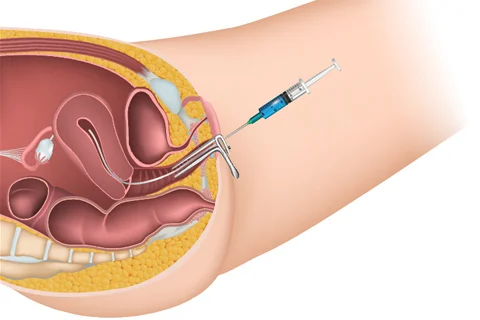
Intrauterine insemination (IUI) is a form of assisted reproductive technology (ART) where sperm is placed directly into the uterus, increasing the chances of fertilization. This is typically done around the time of ovulation, and can be done with or without the use of fertility medications. Timed intercourse, on the other hand, involves having intercourse during the woman’s fertile window, which is the time leading up to and including ovulation. While both methods aim to increase the chances of conception, there are some key differences that couples should be aware of when making this decision.
One of the main benefits of IUI is that it allows for a higher concentration of sperm to be placed directly into the uterus, bypassing any potential obstacles in the cervix. This can be especially helpful for couples where the male partner has a low sperm count or poor sperm motility. Additionally, IUI can also be beneficial for couples with unexplained infertility, as it increases the chances of sperm and egg meeting in the fallopian tubes. However, IUI does not guarantee fertilization, and there is still a chance of multiple unsuccessful attempts.
Timed intercourse, on the other hand, relies on the natural process of fertilization through intercourse during the fertile window. This method is less invasive and less expensive compared to IUI, making it a more attractive option for couples who may not have the resources for ART treatments. However, timing is crucial for this method to be successful. Couples must accurately track the woman’s menstrual cycle and use ovulation predictor kits to determine the best time for intercourse. This can be a challenging and stressful process, and the window for conception is smaller compared to IUI, making it more difficult for some couples to conceive.
Another important factor to consider is the success rates of each method. Studies have shown that IUI has a higher success rate compared to timed intercourse, with pregnancy rates ranging from 10-20% per cycle. This is due to the higher concentration of sperm being placed directly into the uterus, increasing the chances of fertilization. However, the success rates of IUI can also be affected by factors such as the woman’s age, overall health, and the quality of the sperm being used.
Timing is also crucial when it comes to the age of the woman. As a woman ages, her fertility declines, and the chances of conception decrease. This is why it is important for couples to seek medical advice and consider the most effective method for their individual situation. For women over the age of 35, IUI may be a more suitable option as it can bypass any potential age-related issues with the cervix or fallopian tubes.
It’s also important to note that timing is not the only factor that affects the success of these methods. Other lifestyle factors such as diet, exercise, and stress levels can also play a role in fertility. It’s important for couples to take a holistic approach and make lifestyle changes that can improve their overall reproductive health.
In addition to timing, another key consideration for couples struggling with infertility is the cost. IUI can be a more expensive option compared to timed intercourse, as it involves the use of fertility medications and medical procedures. Insurance coverage for these treatments can vary, so it’s important for couples to research and understand their options before making a decision.
Ultimately, the decision between IUI and timed intercourse should be made in consultation with a fertility specialist, who can provide personalized recommendations based on the couple’s medical history and individual factors. Both methods have their own benefits and drawbacks, and it’s important for couples to understand their options and make an informed decision that is best for their unique situation.
In conclusion, timing plays a crucial role in the journey of conception for couples struggling with infertility. The decision between IUI and timed intercourse is a personal one and should be made after careful consideration of each method’s benefits, success rates, and cost. Seeking medical advice and making lifestyle changes can also greatly improve the chances of success for both methods. Regardless of which method is chosen, the most important thing is for couples to remain hopeful and support each other through this challenging process.
Summary:
Timing is crucial when it comes to the journey of conception for couples struggling with infertility. Intrauterine insemination (IUI) and timed intercourse are two common methods used to increase the chances of pregnancy, each with their own benefits and drawbacks. IUI involves placing sperm directly into the uterus, while timed intercourse relies on natural fertilization through intercourse during the fertile window. Factors such as age, success rates, and cost should be considered when making a decision, and seeking medical advice is important. Ultimately, both methods require accurate timing and a holistic approach to improve the chances of success.