Blog Post:
Clinical insemination, also known as artificial insemination, is a fertility treatment option that has been used for decades to help individuals and couples conceive. In this process, sperm is inserted directly into the female’s reproductive tract, bypassing the need for natural fertilization. While this may seem like a straightforward procedure, there is actually a lot of science behind it. In this blog post, we will delve into the science behind clinical insemination and how it works.
The Basics of Clinical Insemination
Before we dive into the science, let’s first understand the basics of clinical insemination. There are two main types of insemination: intrauterine insemination (IUI) and intracervical insemination (ICI). IUI involves injecting washed and prepared sperm directly into the uterus, while ICI involves placing the sperm at the opening of the cervix. The goal of both procedures is to increase the chances of sperm reaching and fertilizing the egg.
The Science Behind Sperm
To understand how clinical insemination works, we must first understand the science behind sperm. Sperm is the male reproductive cell that carries genetic material necessary for fertilization. Sperm is produced in the testicles and travels through the vas deferens, where it is mixed with fluids from the seminal vesicles and prostate gland to form semen.
Sperm cells have a unique structure that allows them to swim towards the egg. They have a long tail, known as a flagellum, which propels them forward. The head of the sperm contains genetic material and is covered by a cap called the acrosome, which contains enzymes that help the sperm penetrate the egg.
Sperm also has a limited lifespan. Once ejaculated, sperm can survive in the female reproductive tract for up to five days. This is why timing is crucial in clinical insemination; the sperm must be introduced into the reproductive tract during the window of time when the female is fertile.
Preparing Sperm for Insemination
Before sperm can be used in clinical insemination, it must go through a preparation process. This involves washing the sperm to remove any impurities or dead cells, as well as concentrating the sperm to increase the chances of fertilization. This process also removes any antibodies that may be present, which can hinder the sperm’s ability to fertilize the egg.
The sperm preparation process also involves separating the “good” sperm from the “bad” sperm. Sperm with abnormal shape or movement may not be able to fertilize an egg, so they are removed during this process. This ensures that only the healthiest and most viable sperm are used for insemination.
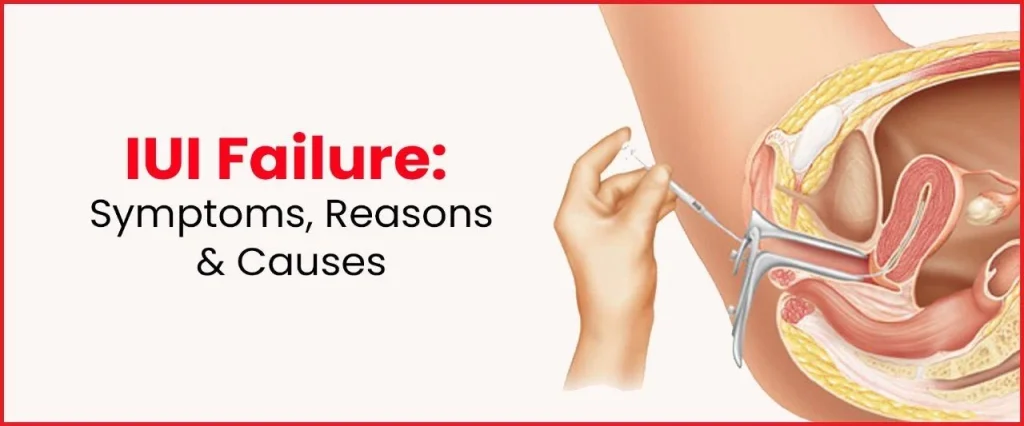
The Science Behind Clinical Insemination
The Role of Hormones in Clinical Insemination
Hormones play a crucial role in clinical insemination. In women, the hormone follicle-stimulating hormone (FSH) is responsible for stimulating the growth and development of follicles, which are structures that contain the eggs. As the follicles mature, they produce estrogen, which thickens the uterine lining and prepares it for potential implantation.
In men, the hormone luteinizing hormone (LH) stimulates the production of testosterone, which is necessary for the production of sperm. When the sperm is collected for insemination, it is important to ensure that the male partner has adequate levels of LH to produce healthy sperm.
The Timing of Clinical Insemination
Timing is crucial in clinical insemination. As mentioned earlier, sperm can survive in the female reproductive tract for up to five days, while the egg is only viable for 12-24 hours after ovulation. This means that the sperm must be introduced into the reproductive tract during the fertile window to increase the chances of fertilization.
To determine the best timing for insemination, doctors may use methods such as tracking ovulation through basal body temperature charting, monitoring hormone levels, or using ultrasound to track the growth of follicles. This allows for more accurate timing of the insemination procedure and increases the chances of success.
The Success Rates of Clinical Insemination
The success rates of clinical insemination vary depending on factors such as the age of the female, the cause of infertility, and the quality of sperm used. On average, the success rates for IUI range from 10-20%, while the success rates for ICI can be slightly lower.
It is important to note that clinical insemination is not a guarantee for pregnancy and may require multiple attempts for success. However, for couples struggling with fertility issues, clinical insemination can be a less invasive and more affordable option compared to other fertility treatments.
In conclusion, the science behind clinical insemination is complex and involves a deep understanding of the male and female reproductive systems and the role of hormones. By understanding the science behind this procedure, we can appreciate the technology and advancements that have made it possible for many individuals and couples to conceive.
Summary:
Clinical insemination, also known as artificial insemination, is a fertility treatment option that involves injecting sperm directly into the female reproductive tract. This procedure has been used for decades and involves a complex understanding of the science behind sperm, hormones, and the timing of insemination. Sperm must be prepared and timed correctly for the procedure to have a higher chance of success. While success rates vary, clinical insemination can be a more affordable and less invasive option for couples struggling with fertility issues.