The Ethics of Egg Retrieval vs Egg Sharing: Understanding the Moral Dilemmas and Complexities
Egg donation and fertility treatments have become increasingly common in recent years, with more and more people turning to these options to fulfill their dreams of starting a family. However, with this rise in demand, there has also been a growing debate about the ethics of egg retrieval and egg sharing. On one hand, there are those who argue that women have the right to make decisions about their own bodies and should be compensated for their eggs. On the other hand, there are concerns about exploitation and the commodification of human life. In this blog post, we will delve into the moral dilemmas and complexities surrounding egg retrieval and egg sharing, and explore the various ethical considerations that come into play.
The Basics of Egg Retrieval and Egg Sharing
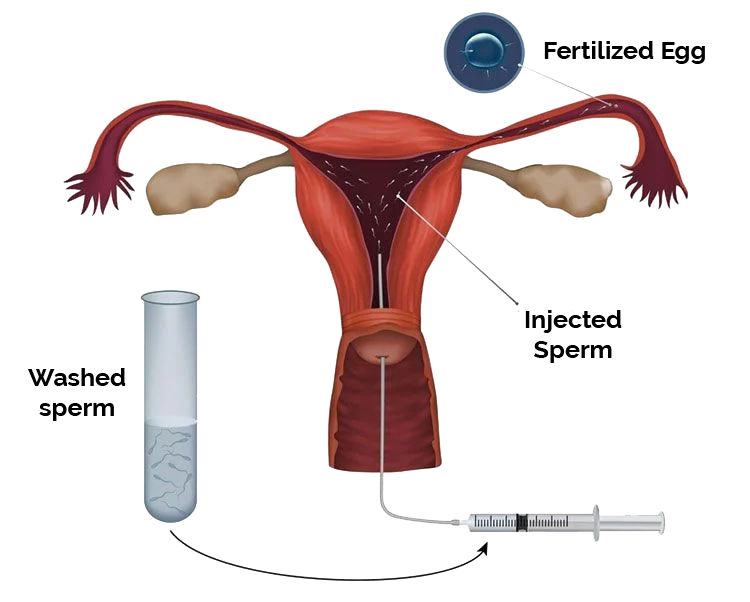
Before we dive into the ethical issues, let’s first understand what egg retrieval and egg sharing are. Egg retrieval, also known as egg harvesting, is the process of extracting eggs from a woman’s ovaries for the purpose of assisted reproduction. This can be done for a variety of reasons, such as in-vitro fertilization (IVF) or egg freezing. Egg sharing, on the other hand, involves a woman who has undergone egg retrieval sharing her eggs with another individual or couple who are struggling with fertility. This allows the recipient(s) to use the donated eggs for their own fertility treatments.
The Ethics of Egg Retrieval
One of the main ethical concerns surrounding egg retrieval is the potential exploitation of women. Some argue that offering financial compensation for egg donation can be seen as a form of coercion, especially for those who are in need of money. This raises questions about whether women are truly making a free and informed decision to donate their eggs, or if they are being influenced by financial incentives.
Moreover, there are concerns about the potential physical and psychological risks of egg retrieval. The procedure itself can be invasive and carries the risk of complications, such as infection or ovarian hyperstimulation syndrome. Additionally, some studies have shown that egg donors may experience anxiety, depression, and other emotional distress after the procedure. It is important to consider whether these risks are fully explained to women before they make the decision to donate their eggs.
The Ethics of Egg Retrieval vs Egg Sharing
The Ethics of Egg Sharing
Unlike egg retrieval, egg sharing involves a voluntary decision by the donor to share her eggs with another individual or couple. However, there are still ethical considerations to be made. One of the main concerns is the potential commodification of human life. By allowing individuals to purchase or “rent” eggs, some argue that it reduces the value of human life and turns it into a commodity. There are also concerns about the potential exploitation of the recipient(s) who may feel pressured to accept eggs from a donor in order to increase their chances of conceiving.
Another ethical issue with egg sharing is the potential for genetic relationships to be formed without the knowledge or consent of all parties involved. In some cases, donors may remain anonymous, and the children conceived from their eggs may never know their biological origins. This raises questions about the rights of the child to know their genetic history and the implications this may have on their sense of identity.
Finding a Balance: Ethical Guidelines for Egg Retrieval and Egg Sharing
Given the various ethical concerns surrounding egg retrieval and egg sharing, it is clear that there is a need for ethical guidelines to ensure the well-being and autonomy of all parties involved. In the United States, the American Society for Reproductive Medicine (ASRM) has established guidelines for both egg retrieval and egg sharing. These guidelines include limits on the amount of compensation that donors can receive, as well as requirements for informed consent and thorough medical and psychological screenings for both donors and recipients.
In addition to these guidelines, it is important for individuals and couples considering egg retrieval or egg sharing to carefully consider their own values and beliefs, as well as the potential risks and implications of these procedures. Open and honest communication between all parties involved is also crucial in ensuring that everyone’s rights and well-being are respected.
In Summary
The ethics of egg retrieval and egg sharing are complex and multifaceted. While these procedures offer hope for those struggling with fertility, it is important to consider the potential risks and ethical concerns that come with them. From concerns about exploitation and commodification of human life to the rights of the child to know their genetic origins, there are various ethical considerations that must be addressed. By following ethical guidelines and promoting open and honest communication, we can find a balance between respecting individual autonomy and ensuring the well-being of all parties involved.