Navigating the Risks: Egg Retrieval vs Egg Sharing
Egg donation is a process that has been gaining popularity in recent years as more people struggle with fertility issues. It involves a woman donating her eggs to help another woman or couple achieve pregnancy. However, there are two different ways to go about this – egg retrieval and egg sharing. Both options have their own set of risks and considerations, and it is important for anyone considering egg donation to understand these risks and make an informed decision.
Egg Retrieval
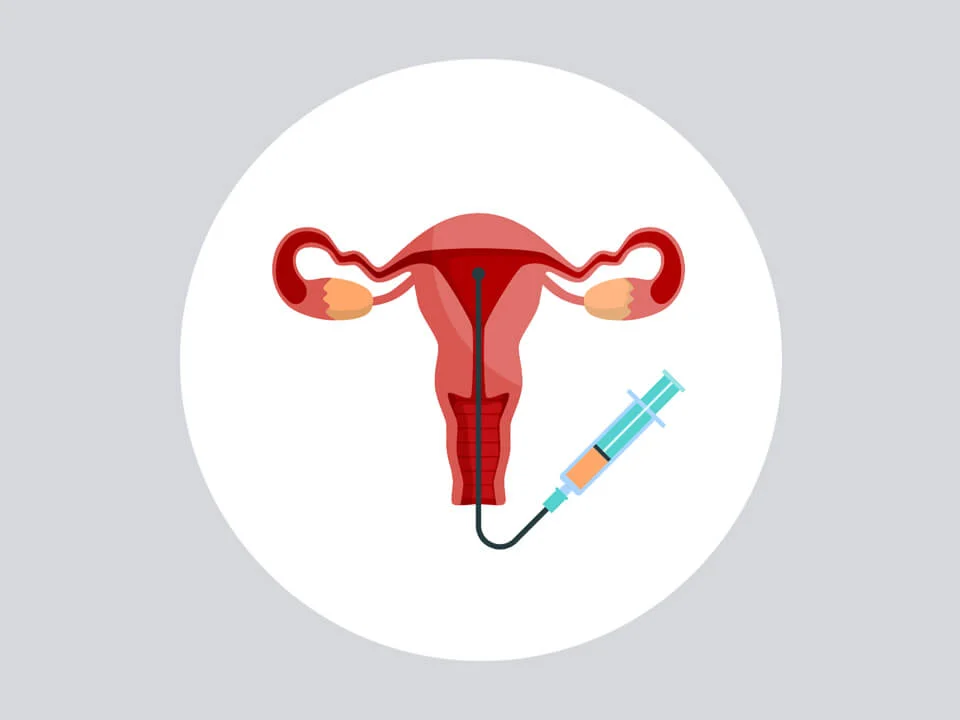
Egg retrieval is the more traditional and common method of egg donation. In this process, a woman undergoes hormonal stimulation to produce multiple eggs, which are then retrieved through a minor surgical procedure. These eggs are then frozen or fertilized with sperm and transferred to the intended recipient’s uterus.
One of the main risks associated with egg retrieval is the use of fertility drugs. These drugs can cause side effects such as bloating, mood swings, and headaches. In rare cases, they can also lead to more serious complications such as ovarian hyperstimulation syndrome (OHSS). OHSS occurs when the ovaries become swollen and painful, and in severe cases, can lead to hospitalization.
Another risk of egg retrieval is the surgical procedure itself. While it is a minor procedure, there is still a risk of infection, bleeding, and damage to nearby organs. In some cases, multiple procedures may be necessary to retrieve enough eggs, which increases the risk and recovery time.
Egg Sharing
Navigating the Risks: Egg Retrieval vs Egg Sharing
Egg sharing, also known as “shared egg donation,” is a less common method of egg donation. In this process, a woman undergoing fertility treatment agrees to donate a portion of her eggs to another woman or couple in exchange for a discount on her own fertility treatment.
One of the main risks of egg sharing is the pressure to produce a certain number of eggs. In order to receive the discount, the donor must produce a certain number of eggs, which can lead to overstimulation of the ovaries and potential health risks. There is also the risk of not producing enough eggs, which can result in the donor not receiving the promised discount.
Another risk of egg sharing is the potential for conflict between the donor and recipient. In some cases, the donor may feel a sense of ownership over the donated eggs and may have expectations for the recipient’s use of them. This can lead to tension and disagreements between the two parties.
Making an Informed Decision
Deciding between egg retrieval and egg sharing is a personal choice that should be made after careful consideration of the risks involved. It is important to discuss all potential risks with a medical professional and to thoroughly research the fertility clinic and its success rates before making a decision.
In addition to the risks mentioned above, there are also legal and ethical considerations to take into account. In egg retrieval, the donor is usually compensated for her time and effort, while egg sharing involves a trade of services. This can lead to questions about the ethical implications of selling body parts or trading genetic material.
Furthermore, there are legal considerations regarding ownership and rights to the donated eggs. In most cases, the intended recipient will have full ownership and control over the donated eggs, but there have been cases of disputes over the use of the eggs in the past.
In summary, both egg retrieval and egg sharing have their own set of risks and considerations. It is important to thoroughly research and discuss all potential risks with a medical professional before making a decision. Additionally, understanding the legal and ethical implications of egg donation is crucial in making an informed decision.