Breaking the Stigma: Egg Retrieval vs Egg Sharing
When it comes to fertility treatments, there is often a lot of stigma and misinformation surrounding certain procedures. One of the most misunderstood treatments is egg retrieval, and even more so, egg sharing. Many people are unaware of the differences between these two procedures and the reasons behind why someone may choose one over the other. In this blog post, we will be breaking the stigma surrounding egg retrieval and egg sharing and shedding light on the important distinctions between the two.
Egg Retrieval: The Basics
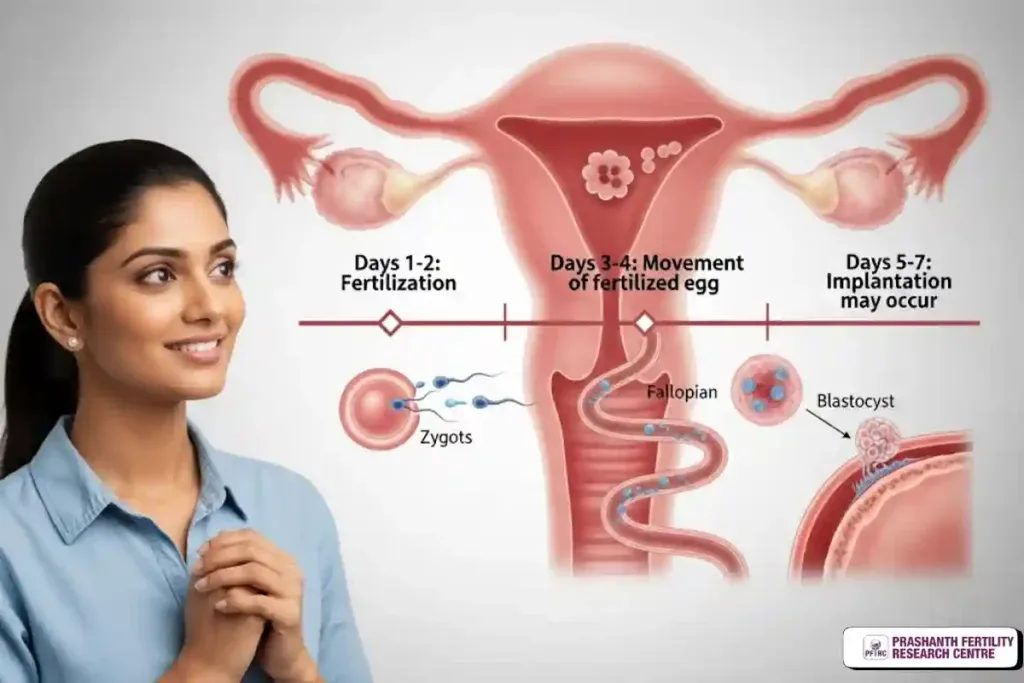
Egg retrieval, also known as oocyte retrieval, is a procedure used in assisted reproductive technology (ART) to retrieve a woman’s eggs from her ovaries. This is typically done as part of the in vitro fertilization (IVF) process, where the eggs are fertilized with sperm in a lab and then implanted into the woman’s uterus to hopefully result in a successful pregnancy.
The egg retrieval process involves using a thin needle to aspirate the eggs from the ovaries. The procedure is usually done under sedation or light anesthesia to minimize discomfort. The retrieved eggs are then examined for quality and maturity before being fertilized in the lab.
Egg Sharing: What You Need to Know
Egg sharing, on the other hand, involves a woman undergoing the egg retrieval process and then sharing some of her retrieved eggs with another individual or couple who are struggling with infertility. Essentially, the woman undergoing the procedure is both a donor and a patient.
Egg sharing is a relatively new concept and is not as common as egg retrieval. It offers a more affordable option for those who cannot afford the high costs of traditional egg donation. The shared eggs are usually used in the recipient’s own IVF cycle, increasing the chances of success.
Breaking the Stigma
One of the main reasons why egg retrieval and egg sharing are stigmatized is because of the misconception that women who undergo these procedures are “selling” their eggs. This is simply not true. Both egg retrieval and egg sharing are heavily regulated and involve thorough screening processes to ensure the safety and well-being of all parties involved.
Breaking the Stigma: Egg Retrieval vs Egg Sharing
Another common misconception is that women who undergo these procedures are only doing it for financial gain. While there is often financial compensation involved, it is not the sole motivation for most women. Many women choose to undergo egg retrieval or egg sharing because they want to help individuals or couples who are struggling with infertility and give them the chance to become parents.
Breaking the stigma surrounding egg sharing is also important because it can provide a more affordable option for those who cannot afford traditional egg donation. By sharing their eggs, women can help make the dream of parenthood a reality for those who may not have the financial means to do so otherwise.
Why Choose Egg Retrieval or Egg Sharing?
The decision to undergo either egg retrieval or egg sharing is a personal one and should be made after careful consideration and consultation with a fertility specialist. Some women may choose egg retrieval if they are having fertility issues themselves and want to undergo IVF. Others may choose egg sharing as a way to help others while also receiving financial compensation.
There are also some important medical considerations to take into account when deciding between egg retrieval and egg sharing. For example, egg sharing may not be suitable for women with certain medical conditions or those who are older, as the quality and quantity of their eggs may be lower.
Breaking the stigma surrounding egg retrieval and egg sharing is crucial in order to provide individuals and couples with all the options available to them for starting a family. These procedures offer hope and the chance for parenthood to those who may have previously thought it was out of reach.
In Conclusion
Egg retrieval and egg sharing are two different procedures with distinct purposes. Egg retrieval is used in the IVF process to help women with fertility issues, while egg sharing offers a more affordable option for those struggling with infertility. Both procedures involve thorough screening processes and are heavily regulated.
It is important to break the stigma surrounding these procedures and educate others about the realities of egg retrieval and egg sharing. By doing so, we can help remove the shame and misinformation often associated with fertility treatments and provide individuals and couples with the support and options they need to start a family.
Summary:
Egg retrieval and egg sharing are two procedures used in assisted reproductive technology (ART) to help individuals and couples struggling with infertility. Egg retrieval involves retrieving a woman’s eggs for use in the IVF process, while egg sharing involves sharing some of those eggs with another individual or couple. Breaking the stigma surrounding these procedures is crucial in order to educate and provide support to those who may need these options for starting a family.