Tag: Sperm Banks

  • The Impact of Donor Anonymity Laws on Sperm Banks vs Known Donors

    Blog Post:

    Assisted reproduction has become increasingly common in recent years, with more and more people turning to sperm banks and known donors to start or expand their families. However, there is a crucial factor that differentiates these two options – donor anonymity laws. While sperm banks typically offer anonymous donors, known donors are individuals who have chosen to reveal their identities to the intended parents. This distinction has significant implications for both the donors and the recipients, and it has sparked debates and discussions about the impact of donor anonymity laws on sperm banks and known donors.

    The History of Donor Anonymity Laws
    To understand the current state of donor anonymity laws, it’s essential to look at their history. In the 1970s, sperm donation was mostly unregulated, and donors were often paid for their contributions. This led to concerns about the potential exploitation of donors and the lack of information available to offspring about their biological origins. As a result, several countries, including the United Kingdom, Australia, and New Zealand, introduced legislation that required sperm donors to reveal their identities to any offspring born from their donation.

    In the United States, however, donor anonymity laws vary from state to state. Some states, such as California, have laws that protect the anonymity of donors, while others, like Washington, require donors to disclose their identities upon request. This inconsistent approach has created a complex legal landscape for sperm banks and known donors, and it has had a significant impact on the industry.

    The Impact on Sperm Banks
    One of the main concerns for sperm banks is the potential decrease in donors due to the anonymity laws. With the rise of DNA testing and online DNA databases, it has become easier for donor-conceived individuals to identify their biological fathers, even if they were initially anonymous. This has led to some donors being hesitant to donate, fearing that their identities may be revealed in the future. As a result, sperm banks may struggle to maintain an adequate supply of donors, ultimately limiting the options for recipients.

    Additionally, donor anonymity laws also pose a significant challenge for sperm banks when it comes to recruiting donors. In countries with strict anonymity laws, sperm banks are not allowed to advertise or pay donors, which can make it challenging to attract potential donors. This leads to a smaller pool of donors, and as a result, sperm banks may have to charge higher prices, making it more difficult for some individuals or couples to afford the treatments.

    The Impact on Known Donors
    For known donors, the impact of donor anonymity laws is quite different. These individuals have chosen to reveal their identities to the intended parents, and as a result, they are often more involved in the process and may have a more significant emotional connection to the child. However, donor anonymity laws can create legal challenges for known donors, as they may be held liable for child support or other financial responsibilities in the future.
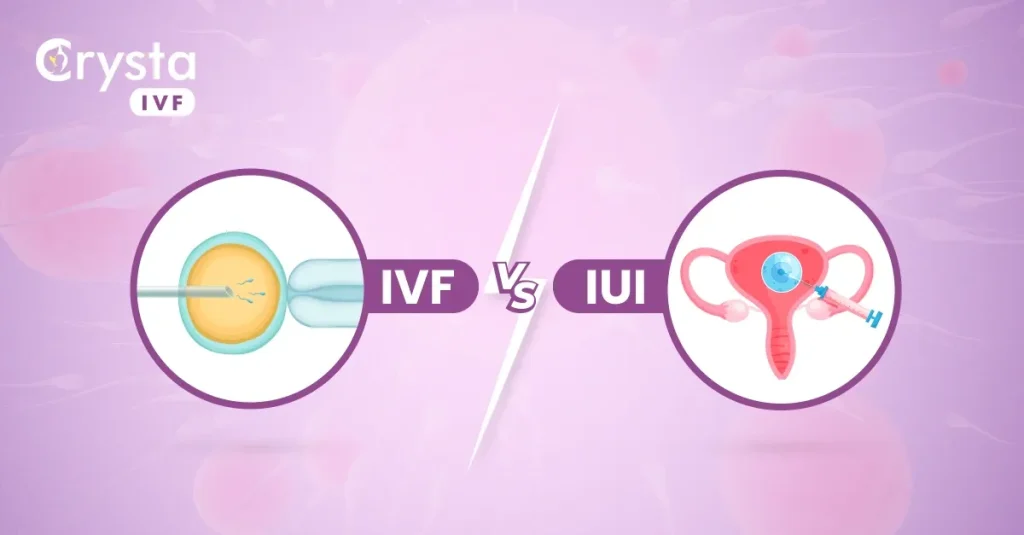
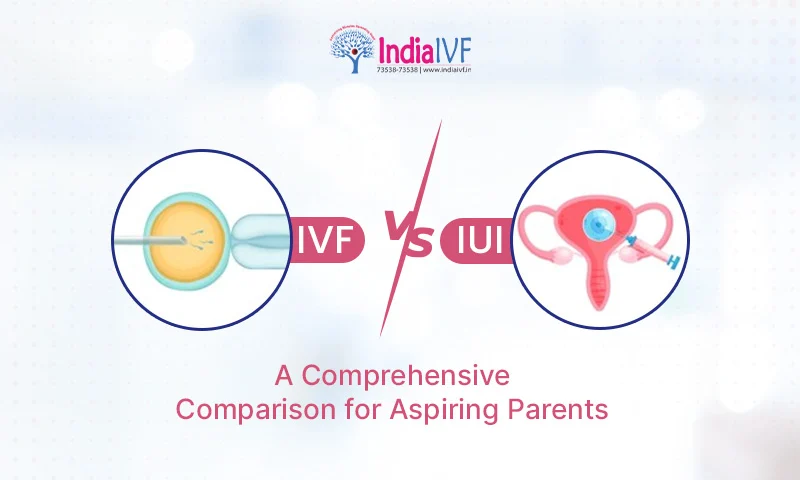
    Comparison of IVF and IUI procedures with illustrations of each method.

    The Impact of Donor Anonymity Laws on Sperm Banks vs Known Donors

    Furthermore, donor anonymity laws can also affect the relationship between the known donor and the intended parents. In some cases, the donor may want to have a more active role in the child’s life, while the intended parents may prefer a more traditional donor arrangement. This can create conflicts and potentially damage the relationship between the donor and the intended parents.

    The Debate on Donor Anonymity Laws
    The impact of donor anonymity laws on sperm banks and known donors has sparked a heated debate about the ethical and legal implications of these laws. Proponents of anonymity laws argue that they protect the privacy and rights of donors, as well as the rights of the intended parents to raise the child without interference from the donor. They also argue that anonymity can prevent potential legal issues and conflicts that may arise in the future.

    On the other hand, opponents of anonymity laws argue that they deny donor-conceived individuals the right to know their biological origins and potentially important medical information. They also argue that anonymity laws may contribute to a lack of transparency and accountability in the industry, as well as perpetuate the idea that sperm donation is solely a financial transaction.

    Possible Solutions
    Given the complex and emotional nature of the debate, finding a solution that satisfies all parties involved is challenging. Some countries have implemented a compromise, where donors are required to disclose their identities to any offspring once they reach a certain age, usually 18 or 21. This allows the donor to remain anonymous during their lifetime, while also giving donor-conceived individuals the opportunity to learn about their biological origins.

    Another possible solution is to have open communication between donors, recipients, and any potential offspring. This can help establish clear expectations and boundaries and prevent potential legal issues in the future. However, this approach may not be suitable for all donors and recipients, and it may not be enforceable by law.

    In conclusion, donor anonymity laws have a significant impact on sperm banks and known donors. While they aim to protect the rights and privacy of donors, they also raise concerns and challenges for both parties involved. As the industry continues to evolve, it’s crucial to find solutions that balance the needs and rights of all individuals involved in the process.

    Summary:
    Donor anonymity laws have a significant impact on sperm banks and known donors. These laws vary from state to state in the United States and have sparked a debate about their ethical and legal implications. For sperm banks, the laws can lead to a decrease in donors and make it challenging to recruit new ones. For known donors, the laws can create legal challenges and affect their relationship with the intended parents. Finding a solution that satisfies all parties involved is challenging, but some countries have implemented a compromise where donors disclose their identities to offspring at a certain age. Open communication between donors, recipients, and offspring may also be a possible solution.
  • The Role of Medical History in Sperm Banks vs Known Donors

    Blog Post: The Role of Medical History in Sperm Banks vs Known Donors

    Sperm donation has become a widely accepted option for individuals and couples struggling with fertility issues. With the advancement of medical technology, the process of sperm donation has become more accessible and efficient. However, there are still important factors to consider when choosing between a sperm bank and a known donor. One of the most crucial considerations is the medical history of the donor. In this blog post, we will explore the role of medical history in sperm banks versus known donors, and why it is important for both the donor and the recipient.

    Sperm Banks:

    Sperm banks are facilities that collect, store, and distribute sperm donations. These donations are provided by anonymous donors who go through a rigorous screening process before being accepted. This process includes medical, genetic, and psychological evaluations to ensure the donor’s physical and mental health. Sperm banks also require donors to undergo regular testing for sexually transmitted infections (STIs) and genetic disorders. This thorough screening process is essential to protect the health of the recipient and any potential children.

    One of the main advantages of using a sperm bank is the anonymity of the donor. This can be beneficial for individuals or couples who want to maintain their privacy or do not have a known donor available. However, this anonymity also means that the recipient will have limited information about the donor’s medical history. Sperm banks typically provide basic information about the donor’s physical characteristics, educational background, and occupation. Still, they do not disclose any personal or medical information that could potentially identify the donor. This lack of information can be a significant drawback for those who are concerned about their potential child’s genetic predispositions.

    Known Donors:

    Known donors are individuals who personally know the recipient and agree to donate sperm. This could be a friend, family member, or someone the recipient has met through online platforms or support groups. Unlike sperm banks, known donors are not subject to the same strict screening process. However, it is still crucial for the recipient to discuss the donor’s medical history and undergo testing for STIs and genetic disorders before proceeding with the donation. This information can help the recipient make an informed decision and ensure the health of any potential children.

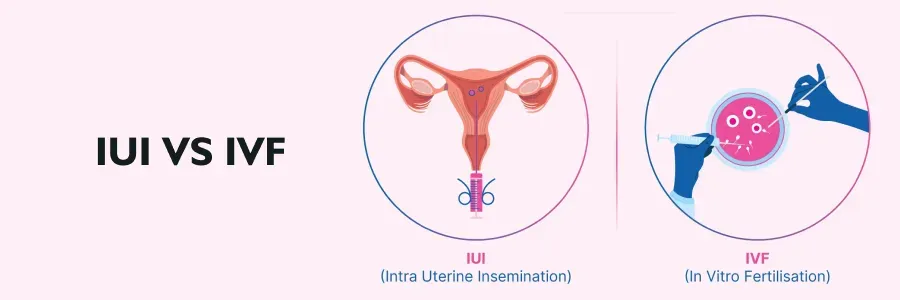
    Comparison of IUI and IVF with illustrations of each procedure.

    The Role of Medical History in Sperm Banks vs Known Donors

    One of the main advantages of using a known donor is the ability to obtain more detailed information about their medical history. Since the donor is known, they can provide information about their family’s medical background, which can help identify any potential genetic risks. This information is vital for individuals or couples who have a family history of certain medical conditions and want to avoid passing them on to their child. Additionally, using a known donor can also provide a sense of connection and involvement in the conception process for both the donor and the recipient.

    The Importance of Medical History:

    No matter the choice between a sperm bank or a known donor, the medical history of the donor plays a crucial role in the success of sperm donation. It not only affects the health of the potential child but also the well-being of the recipient. By understanding the donor’s medical history, the recipient can make informed decisions and take necessary precautions to ensure a healthy pregnancy and baby.

    In the case of sperm banks, the lack of detailed medical history can be a significant concern for some recipients. The limited information provided by sperm banks may not be enough to identify potential genetic risks that could affect the child’s health. However, the anonymity of sperm donors can also be beneficial for those who do not want the donor to have any involvement in the child’s life.

    On the other hand, known donors provide more in-depth information about their medical history, but there is still a risk of withholding or inaccurate information. This is why it is essential for the recipient to have open and honest communication with the donor and undergo proper testing before proceeding with the donation.

    Summary:

    The choice between using a sperm bank or a known donor for sperm donation is a personal decision that depends on individual circumstances and preferences. However, the medical history of the donor should always be a crucial factor in this decision. While sperm banks offer anonymity and a rigorous screening process, they may not provide enough information about the donor’s medical history. On the other hand, known donors can provide more detailed information, but there is still a risk of inaccurate or withheld information. Ultimately, open and honest communication and proper testing are essential for the success of sperm donation, regardless of the chosen method.

  • The Importance of Transparency in Sperm Banks vs Known Donors

    Blog Post:

    Sperm donation has been a controversial topic for years, and with advancements in technology, the debate has only heightened. As more and more people turn to assisted reproductive technology (ART) to start a family, the question of transparency in sperm banks versus known donors has become increasingly important. While both options have their advantages, there are significant differences in terms of transparency that need to be addressed. In this blog post, we will explore the importance of transparency in sperm banks versus known donors and how it can impact the lives of those involved.

    Sperm Banks: A Lack of Transparency

    Sperm banks have been the go-to option for couples and individuals seeking donor sperm for decades. These banks provide an easy and relatively anonymous way to obtain sperm from a donor. However, this anonymity can also lead to a lack of transparency. Sperm banks often do not disclose the identity of the donor, making it challenging for recipients to obtain information about the donor’s medical history, genetic traits, and other important details. This lack of transparency can have significant consequences for the child conceived with donor sperm, as they may not have access to vital information about their biological father.

    Additionally, sperm banks may not always be truthful about the donor’s personal and medical history. In some cases, donors may not disclose preexisting medical conditions or mental health issues, which can be passed down to the child. This lack of transparency can have serious implications for the child’s health and well-being, as well as the recipient’s peace of mind.

    Known Donors: A More Transparent Option

    Known donors, on the other hand, offer a more transparent option for individuals and couples seeking donor sperm. With known donors, the recipient has the opportunity to meet and get to know the donor personally. This allows for open communication and the ability to obtain important information about the donor’s medical history, personality traits, and other relevant details.

    Known donors also have the option to be involved in the child’s life, either as a co-parent or as a supportive figure. This added level of transparency fosters a more authentic and meaningful relationship between the donor, recipient, and child. It also provides the child with the opportunity to know their biological father and have a complete understanding of their genetic makeup.

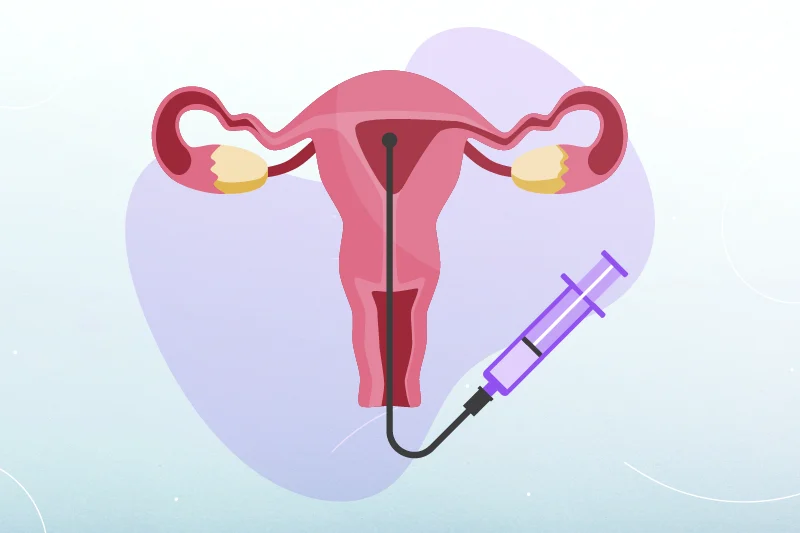
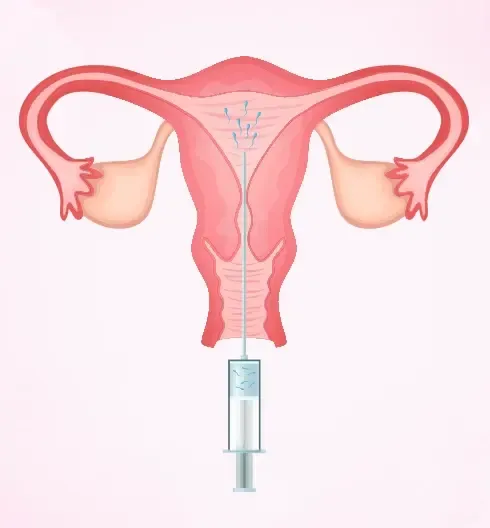
    Illustration of a uterus with a syringe indicating an intrauterine insemination procedure.

    The Importance of Transparency in Sperm Banks vs Known Donors

    The Importance of Transparency

    Transparency is crucial in any situation, but it is especially important when it comes to sperm donation. The child conceived with donor sperm has the right to know their genetic background and medical history. Without this information, they may face difficulties in the future when it comes to their health and identity.

    Moreover, transparency is essential for the psychological well-being of all parties involved. For the recipient, knowing the donor’s identity and having open communication can alleviate any concerns or doubts about the child’s origins. For the donor, transparency allows them to have a sense of responsibility and involvement in the child’s life, which can be emotionally fulfilling.

    Transparency also helps to build trust between all parties involved. Sperm banks that are transparent about the donor’s identity and medical history build trust with recipients, who can be assured that they are receiving accurate and reliable information. Similarly, known donors who are open and honest about their personal and medical history build trust with the recipient, who can feel confident in their decision to use the donor’s sperm.

    The Impact of Transparency on Future Relationships

    One aspect that is often overlooked in the debate between sperm banks and known donors is the impact on future relationships. Children conceived with donor sperm may have questions about their biological father and may desire to have a relationship with them in the future. With sperm banks, this is nearly impossible as the donor’s identity is often kept anonymous. This lack of transparency can lead to feelings of confusion and loss for the child.

    On the other hand, known donors offer the opportunity for the child to have a relationship with their biological father from the start. This can help to foster a healthy and meaningful relationship between the donor and the child, which can have a positive impact on the child’s sense of self and their future relationships.

    Summary:

    In conclusion, the importance of transparency in sperm banks versus known donors cannot be overstated. While sperm banks offer an easy and anonymous option for obtaining donor sperm, they often lack transparency, which can have serious consequences for the child’s health and well-being. Known donors, on the other hand, offer a more transparent option that allows for open communication, trust-building, and the opportunity for a future relationship between the donor and child. Ultimately, transparency in sperm donation is essential for the child’s physical and emotional well-being and for building strong, healthy relationships.

  • The Impact of Sperm Banks vs Known Donors on Traditional Family Structures

    Blog Post Title: The Impact of Sperm Banks vs Known Donors on Traditional Family Structures

    In today’s society, there are many options available for individuals and couples who are looking to start a family. One of the most significant advancements in reproductive technology has been the establishment of sperm banks and the use of known donors. These options have greatly impacted traditional family structures and have raised questions about the role of biological parents in a child’s life. In this blog post, we will explore the impact of sperm banks vs known donors on traditional family structures.

    Sperm Banks: A Brief History

    Sperm banks, also known as cryobanks, were introduced in the 1950s as a way for infertile couples to have children. The first sperm bank was established in Iowa, and since then, the industry has grown significantly. Sperm banks collect, store, and distribute sperm from donors to individuals or couples who are looking to conceive. The donors are anonymous, and the recipients have limited information about the donor’s identity. The use of sperm banks has become more common in recent years, as it provides a safe and regulated option for those looking to start a family.

    Known Donors: A More Personal Option

    Known donors, on the other hand, involve the use of sperm from a person known to the recipient. This could be a close friend, a family member, or someone the recipient has met through online platforms or support groups. The use of known donors has been around for centuries, but it has become more prevalent in recent times due to the advancements in reproductive technology.

    The Impact on Traditional Family Structures

    The use of sperm banks and known donors has had a significant impact on traditional family structures. In the past, the traditional family structure was defined as a married man and woman with biological children. However, with the rise of sperm banks and known donors, this definition has expanded to include single parents, same-sex parents, and non-traditional family structures.

    One of the most significant impacts of sperm banks and known donors is the ability for same-sex couples and single parents to have biological children. In the past, adoption was the only option for same-sex couples or single individuals to have children. With the use of sperm banks and known donors, they can now have a biological connection to their children. This has allowed them to experience parenthood in a way that was not possible before.

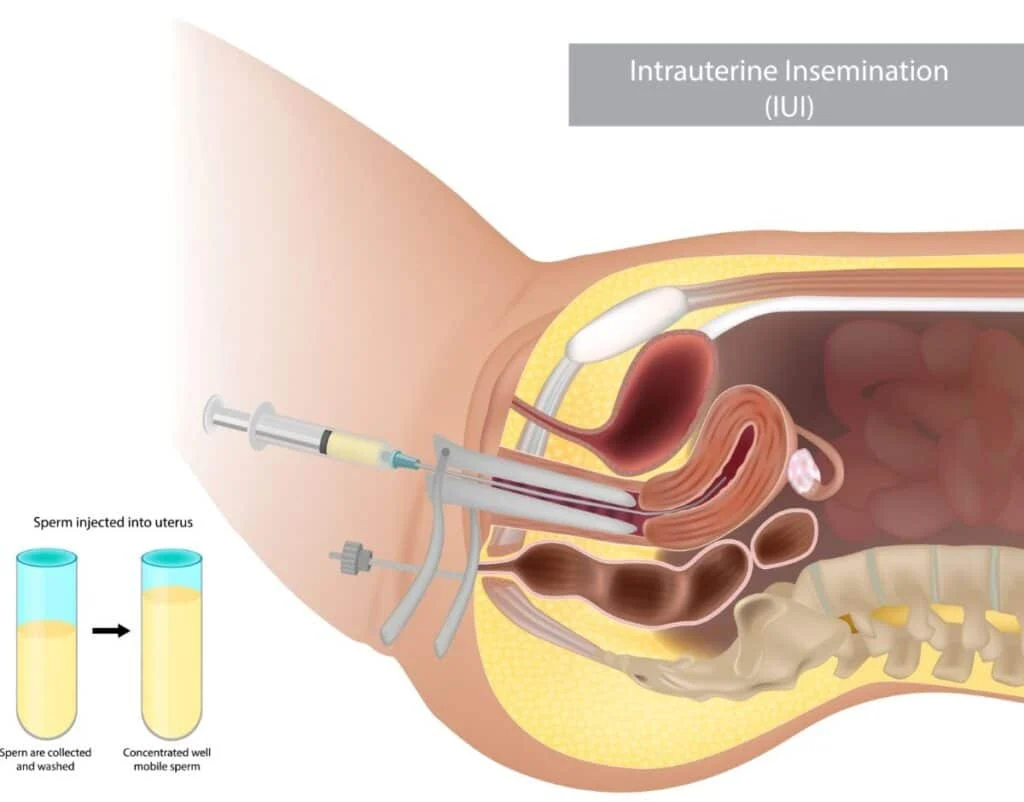
    Illustration of the IUI process, showing a syringe and catheter in the reproductive system.

    The Impact of Sperm Banks vs Known Donors on Traditional Family Structures

    Another impact of sperm banks and known donors on traditional family structures is the changing role of biological parents. In traditional family structures, the biological parents were seen as the primary caregivers and responsible for the child’s upbringing. However, with the use of sperm banks and known donors, the role of the biological parent has become more complex. In some cases, the donor may have no involvement in the child’s life, while in others, they may play a significant role. This has led to a redefinition of the traditional family structure, where the role of the biological parent is not solely based on genetics.

    The Debate: Sperm Banks vs Known Donors

    The use of sperm banks and known donors has sparked a debate about which option is better for traditional family structures. Supporters of sperm banks argue that it provides a safe and regulated option for individuals and couples to have children. They also believe that the anonymity of donors allows for a more objective selection process, as the decision is not based on personal relationships.

    On the other hand, supporters of known donors argue that it provides a more personal and intimate experience for both the donor and the recipient. The involvement of the donor in the child’s life can also provide a sense of identity and connection for the child. However, critics argue that known donors can lead to legal and emotional complications, especially if the donors want to be involved in the child’s life after the birth.

    The Importance of Open Communication

    Whether using sperm banks or known donors, open communication is crucial in maintaining healthy traditional family structures. It is essential for the recipient and the donor to have a clear understanding of their roles and expectations before the conception process. If the donor is known, it is also important for the child to know their genetic background and have the opportunity to know and develop a relationship with the donor if they wish.

    In conclusion, the use of sperm banks and known donors has greatly impacted traditional family structures. It has expanded the definition of what constitutes a family and has given individuals and couples more options to start a family. While there may be debates about the best option, the most important thing is open communication and understanding between all parties involved.

    Summary:

    The rise of sperm banks and known donors has greatly impacted traditional family structures. Sperm banks were introduced in the 1950s as a way for infertile couples to have children, while known donors involve using sperm from a person known to the recipient. These options have expanded the definition of a traditional family to include single parents, same-sex parents, and non-traditional family structures. The use of sperm banks and known donors has also led to a redefinition of the role of biological parents. While there is a debate about which option is better, the most important thing is open communication between all parties involved.

  • The Evolution of Sperm Donation: From Known Donors to Sperm Banks

    Blog Post Title: The Evolution of Sperm Donation: From Known Donors to Sperm Banks

    Summary:

    Sperm donation, the process of providing sperm to help individuals or couples conceive a child, has a long history dating back to ancient civilizations. However, the methods and attitudes towards sperm donation have undergone a significant evolution over the years.

    In the past, sperm donation was often a known and personal arrangement between the donor and the recipient. However, with advancements in medical technology and changing societal attitudes, the concept of sperm banks emerged, providing a more organized and regulated approach to sperm donation.

    This blog post will delve into the evolution of sperm donation, from known donors to sperm banks, exploring the reasons behind the changes and the implications for both donors and recipients.

    The Early Days of Sperm Donation:

    The earliest recorded instances of sperm donation can be traced back to ancient civilizations such as the Greeks, Romans, and Egyptians. In these societies, it was common for a man to donate his sperm to a woman in need, either through sexual intercourse or by other means. However, the practice was often shrouded in secrecy and carried out discreetly.

    In the 1800s, artificial insemination techniques were developed, giving rise to the first sperm banks. However, these early banks were primarily used for animal husbandry, and it was not until the mid-20th century that sperm banks were established for human use.

    Known Donors and the Rise of Sperm Banks:

    Before the establishment of sperm banks, the primary method of sperm donation was through known donors. This involved a personal arrangement between the donor and the recipient, with no involvement of a third party. Often, the donor was a close friend or family member of the recipient, and the donation was done through sexual intercourse.

    However, with the rise of sperm banks, the process became more formalized and regulated. The donor’s identity was kept anonymous, and the donation was done through artificial insemination. This shift was driven by the need to protect both the donor’s and the recipient’s privacy and to ensure the child’s well-being.

    Advancements in Medical Technology:

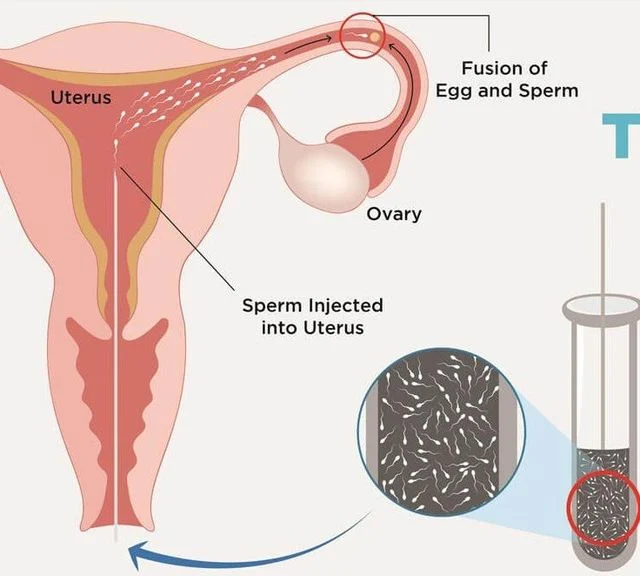
    Diagram illustrating the IUI process, showing sperm injection into the uterus and egg fertilization.

    The Evolution of Sperm Donation: From Known Donors to Sperm Banks

    The emergence of sperm banks was also fueled by advancements in medical technology. In the 1950s, the development of cryopreservation techniques allowed sperm to be frozen and stored for later use. This allowed sperm banks to store and distribute donor sperm on a larger scale, making it more accessible to those in need.

    Furthermore, the introduction of DNA testing in the 1980s made it possible to determine the genetic profile of sperm donors, ensuring that potential genetic diseases or disorders could be identified and screened.

    Changing Attitudes and Legal Regulations:

    The rise of sperm banks was also influenced by changing societal attitudes towards family structures and parenthood. With the rise of single-parent households, same-sex couples, and individuals choosing to have children through alternative means, the demand for donor sperm increased.

    At the same time, legal regulations surrounding sperm donation were also evolving. In the 1970s, laws were passed to protect the confidentiality of sperm donors, ensuring their anonymity. This was done to prevent potential donors from being held responsible for any legal or financial obligations towards the children conceived through their donation.

    The Role of Sperm Banks Today:

    Today, sperm banks play a crucial role in the process of sperm donation. They act as intermediaries between donors and recipients, providing thorough screening and testing to ensure the safety and well-being of both parties involved. Sperm banks also offer a wide range of options for recipients, such as choosing the physical characteristics, educational background, and medical history of the donor.

    Sperm banks also offer the option of open or known donations, where the donor’s identity can be revealed to the child when they reach a certain age, giving them the opportunity to connect with their biological father if they wish.

    Conclusion:

    The evolution of sperm donation, from known donors to sperm banks, has been driven by a combination of factors such as advancements in medical technology, changing societal attitudes, and legal regulations. While the concept of sperm donation may still be met with some controversy and ethical debates, it has undoubtedly provided a viable option for individuals and couples struggling with fertility issues.

    In the future, with the continued development of reproductive technology and the changing social landscape, it is likely that the methods and attitudes towards sperm donation will continue to evolve.

    SEO metadata:

  • The Debate on Nature vs Nurture in Sperm Banks vs Known Donors

    The Debate on Nature vs Nurture in Sperm Banks vs Known Donors

    When it comes to starting a family, there are many options available for those who are unable to conceive naturally. One of these options is the use of sperm donors, which can come from either sperm banks or known donors. However, this raises the age-old debate of nature vs nurture – do genetics or the environment play a bigger role in a child’s development? In this blog post, we will explore the different perspectives on this debate in the context of sperm banks and known donors.

    Nature vs Nurture: A Brief Overview

    The nature vs nurture debate has been ongoing for centuries, with philosophers, psychologists, and scientists all weighing in on the topic. The nature side argues that genes and biological factors determine a person’s behavior and characteristics, while the nurture side believes that environmental factors and experiences shape a person’s development.

    In terms of child development, the debate often centers around the role of genetics and parenting in shaping a child’s personality, intelligence, and behavior. And this debate becomes even more complex when it comes to the use of sperm donors, where the genetic makeup of the child is greatly influenced by the donor.

    Sperm Banks: The Nature Perspective

    Sperm banks are institutions that collect and store donated sperm, which can then be used for artificial insemination or in vitro fertilization. The donors are usually anonymous, and recipients can choose a donor based on physical characteristics, education, and other factors.

    From a nature perspective, sperm banks provide a way for parents to select a donor with desirable genetic traits. This can include physical characteristics like height, hair and eye color, as well as educational background and health history. By choosing a donor with certain traits, parents hope to pass on those traits to their child, leading to a predetermined nature-based outcome.

    However, this perspective also raises concerns about the potential for eugenics – the idea of selectively breeding individuals based on desired traits. It also overlooks the impact that the environment and parenting can have on a child’s development.

    Known Donors: The Nurture Perspective

    Illustration of the uterus with a syringe, depicting the intrauterine insemination procedure.

    The Debate on Nature vs Nurture in Sperm Banks vs Known Donors

    Known donors, on the other hand, are individuals who donate sperm directly to a recipient, often a single woman or a same-sex couple. In this case, the donor’s identity is known, and they may play a role in the child’s life as a father figure.

    From a nurture perspective, known donors provide an opportunity for the child to have a relationship with their biological father, which can have a significant impact on their development. This relationship can also provide a sense of identity and belonging for the child.

    However, this perspective also raises concerns about the potential for conflict and confusion in the child’s life, especially if the donor is involved in parenting decisions. It also overlooks the fact that the donor’s genetics still play a role in the child’s development, regardless of their level of involvement.

    Nature vs Nurture in Sperm Banks vs Known Donors: Finding a Balance

    The truth is, both nature and nurture play a role in a child’s development, and neither should be disregarded in the debate. Sperm banks and known donors offer different options for individuals or couples looking to start a family, and the decision ultimately depends on personal beliefs and preferences.

    However, finding a balance between nature and nurture is key in ensuring a child’s overall well-being. Parents who use sperm banks can still provide a nurturing environment for their child, while those who use known donors can still consider the genetic aspects of their child’s development.

    Moreover, the debate on nature vs nurture should not overshadow the importance of a child’s individuality and the unique combination of genetic and environmental factors that shape them.

    In conclusion, the debate on nature vs nurture in sperm banks vs known donors is complex and multifaceted. While sperm banks offer a way to select for desirable genetic traits, known donors provide the opportunity for a child to have a relationship with their biological father. Ultimately, the most important factor is the love and care that parents provide for their child, regardless of the method of conception.

    Summary:

    The use of sperm donors, whether from sperm banks or known donors, raises the age-old debate of nature vs nurture – do genetics or the environment play a bigger role in a child’s development? Sperm banks provide a way to select for desirable genetic traits, while known donors offer the opportunity for a child to have a relationship with their biological father. Ultimately, finding a balance between nature and nurture is key in ensuring a child’s overall well-being, and the most important factor is the love and care that parents provide for their child.

  • The Influence of Personal Connections in Sperm Banks vs Known Donors

    The Influence of Personal Connections in Sperm Banks vs Known Donors

    Sperm donation has become a common practice in today’s world, with many individuals and couples turning to sperm banks or known donors to help them conceive a child. While both options offer a viable solution for those struggling with fertility, there are significant differences between the two when it comes to personal connections. In this blog post, we will explore the influence of personal connections in sperm banks vs known donors and how it can impact the decision-making process for those seeking assistance with conception.

    Sperm Banks: A Clinical Approach

    Sperm banks are facilities that collect, store, and distribute donor sperm to individuals and couples in need. These banks operate under strict guidelines and regulations to ensure the safety and quality of the donated sperm. The donors are usually anonymous, and the recipients have limited information about the donor’s personal background and characteristics.

    One of the biggest advantages of using a sperm bank is the anonymity factor. Many individuals and couples prefer to keep the process of conception private and do not want any personal connections with the donor. This can be especially beneficial for LGBTQ+ couples who may face discrimination or judgment from known donors or their families.

    However, this anonymity can also be a disadvantage for some people. Without any personal connection to the donor, recipients may feel like they are missing out on important information about their child’s genetic background and family medical history. This can lead to concerns about potential health issues that may arise in the child’s future.

    Another factor to consider with sperm banks is the lack of control over the selection of the donor. Recipients can choose from a list of donors based on physical characteristics and medical history, but they have no personal connection or knowledge about the donor’s personality, values, or beliefs. This can make it difficult for recipients to feel a sense of connection to the donor or their child’s genetic heritage.

    Known Donors: A Personalized Approach

    Known donors, on the other hand, are individuals who donate sperm directly to a friend or family member for the purpose of conception. This option allows for a more personalized approach, as the donor is known to the recipient and often has a pre-existing relationship with them.

    Diagram illustrating intrauterine insemination (IUI) procedure with sperm injection into the uterus.

    The Influence of Personal Connections in Sperm Banks vs Known Donors

    One of the significant advantages of using a known donor is the ability to have a personal connection with the donor. Recipients can choose someone they trust and feel comfortable with, which can be a crucial factor for those trying to conceive. Having a personal connection with the donor can also provide a sense of reassurance and comfort, knowing that the donor is invested in the well-being of the child.

    In addition, using a known donor can also provide more information about the donor’s background and medical history. This can be helpful for recipients who want a better understanding of their child’s genetic makeup and potential health risks. It also allows for the child to have a better understanding of their genetic heritage and potentially establish a relationship with the donor in the future.

    However, using a known donor also has its challenges. Recipients may face pressure from the donor and their family to have a certain type of child, or there may be disagreements about the level of involvement the donor should have in the child’s life. This can create strain and complications in the relationship between the recipient and the donor, which can have a significant impact on the child’s upbringing.

    Personal Connections: A Balancing Act

    The decision to use a sperm bank or a known donor ultimately comes down to personal preference and individual circumstances. Both options have their advantages and disadvantages, and it is essential to consider how personal connections play a role in this decision.

    For those who value privacy and want a clinical approach to conception, sperm banks may be the best option. On the other hand, for those who want a more personal and involved approach, known donors may be the better choice. It is crucial for recipients to weigh these factors carefully and consider what is most important to them when making this decision.

    However, it is also essential to note that personal connections can be a balancing act. While having a personal connection with the donor can be beneficial, it can also bring challenges and complications that may not arise with an anonymous donor. It is crucial for recipients to have open and honest communication with the donor and establish boundaries and expectations from the beginning to avoid any potential conflicts.

    In conclusion, the influence of personal connections in sperm banks vs known donors can have a significant impact on the decision-making process for those seeking assistance with conception. While both options offer viable solutions, it is essential to consider the advantages and disadvantages of each and prioritize what is most important for the recipient and their future child.

    Summary:

    Sperm donation is a common practice for those struggling with fertility, and there are two main options: sperm banks and known donors. Sperm banks offer an anonymous and clinical approach, while known donors provide a more personalized and involved approach. The decision ultimately comes down to personal preference and circumstances, as both options have their advantages and disadvantages. Personal connections play a significant role in this decision, and it is crucial to consider the potential benefits and challenges that come with it.

  • The Impact of Donor Anonymity on Donor-Conceived Children in Sperm Banks vs Known Donors

    Donor-conceived children, or children who are conceived through sperm donation, have become increasingly common in modern society. Sperm banks provide a convenient and anonymous way for individuals and couples to have children, while known donors offer a more personal and involved approach. However, the decision to use a sperm bank or a known donor can have a significant impact on the children conceived through these methods. In this blog post, we will explore the impact of donor anonymity on donor-conceived children, comparing the experiences of children born through sperm banks and those with known donors.

    Sperm banks have been around since the early 20th century, but it wasn’t until the 1970s that they became popular and widely accessible. Today, sperm banks offer a wide range of donors to choose from, including physical characteristics, educational background, and medical history. However, the one factor that remains constant in sperm bank donations is the anonymity of the donors.

    One of the main arguments for donor anonymity is the protection of the donor’s privacy. Donors may not want to be involved in the child’s life or have any legal responsibilities towards them. This anonymity also allows donors to donate multiple times, increasing the chances of successful pregnancies. However, this anonymity also means that the child will never know who their biological father is, which can have a profound impact on their sense of identity.

    For donor-conceived children, not knowing their biological father can lead to feelings of confusion, anger, and a sense of loss. They may have questions about their genetic history, heritage, and medical background that cannot be answered. This lack of information can also affect their sense of self, as they may struggle to understand where they come from and who they are.

    On the other hand, known donors offer a different experience for donor-conceived children. Known donors are individuals who are known to the recipient, either through a personal connection or through a donor registry. Unlike sperm bank donors, known donors are involved in the child’s life, and the child knows who their biological father is. This can provide a sense of security and reassurance for the child, knowing that they have someone they can turn to for answers and support.

    Furthermore, known donors can also provide valuable information about their medical history, which can be crucial for the child’s health. They can also play an active role in the child’s life, whether it is through regular contact or occasional visits. This involvement can bring a sense of completeness and belonging to the child, as they have a connection to their biological father.

    IVF vs IUI comparison graphic highlighting reproductive methods for aspiring parents.

    The Impact of Donor Anonymity on Donor-Conceived Children in Sperm Banks vs Known Donors

    However, using a known donor also comes with its challenges. Unlike sperm banks, known donors do not have to undergo strict medical and psychological screenings. This can pose a risk to the child’s health, as there is a higher chance of genetic diseases or disorders being passed on. Additionally, the involvement of a known donor can also lead to complex family dynamics, especially if the donor has his own family.

    Another factor to consider is the legal aspect of using a sperm bank or known donor. In most countries, sperm bank donors have no legal rights or responsibilities towards the child. This can provide a sense of security for the recipient, knowing that the donor cannot suddenly claim parental rights. However, in some cases, donors have been able to successfully sue for parental rights, leading to complicated legal battles.

    On the other hand, known donors may have legal rights and responsibilities towards the child, depending on the laws of the country. This can create a complex situation, especially when the donor is not the intended parent of the child. It is essential for both parties to have a clear understanding of their legal rights and responsibilities before entering into a known donor arrangement.

    Moreover, the decision to use a sperm bank or a known donor can also have financial implications. Sperm banks can be costly, with the cost of one cycle of artificial insemination ranging from $500 to $1,000. However, the cost of using a known donor can vary greatly, depending on the agreement made between the parties. This can include medical expenses, travel costs, and even compensation for the donor’s time and effort.

    In conclusion, the impact of donor anonymity on donor-conceived children can be significant. While sperm banks offer a convenient and anonymous way to have children, it also means that the child will never know their biological father. On the other hand, known donors provide a more personal and involved approach, but it comes with its challenges and complexities. It is crucial for both the donor and recipient to carefully consider the long-term implications before making a decision that will ultimately affect the child’s life.

    In summary, the use of sperm banks and known donors can have a profound impact on donor-conceived children. While sperm banks offer anonymity and convenience, known donors provide a more personal and involved approach. The decision between the two can affect the child’s sense of identity, medical history, and legal rights. It is essential for both parties to carefully consider these factors before deciding on the best option for creating a family.

  • The Role of Genetics in Choosing Between Sperm Banks vs Known Donors

    The Role of Genetics in Choosing Between Sperm Banks vs Known Donors

    In recent years, there has been a significant increase in the number of single individuals and same-sex couples who are choosing to start a family through the use of assisted reproductive technologies (ART), such as sperm donation. This has led to a growing debate on the best approach to choosing a sperm donor – whether to use a sperm bank or a known donor. While both options have their own set of advantages and disadvantages, one crucial factor that must be considered is the role of genetics. In this blog post, we will explore the role of genetics in choosing between sperm banks and known donors and how it can impact the decision-making process.

    What is a Sperm Bank?

    A sperm bank is a facility that collects, freezes, and stores sperm from anonymous or known donors for use in assisted reproduction. The sperm is screened for genetic and infectious diseases before being made available to recipients. Sperm banks offer a wide range of donors, and recipients can choose based on various criteria such as physical characteristics, education level, and occupation. This option provides individuals or couples the opportunity to have a child with a donor who shares similar traits.

    The Role of Genetics in Choosing a Sperm Donor

    Genetics play a significant role in the decision-making process when it comes to choosing a sperm donor. Many individuals or couples who are seeking a sperm donor are looking for specific traits that they want to pass on to their child, such as height, hair color, or intelligence. Sperm banks often provide detailed profiles of donors that include their family medical history, educational background, and physical characteristics.

    These profiles can help recipients assess the genetic makeup of the donor and make an informed decision. For example, if a recipient has a family history of a certain genetic disorder, they can look for a donor who does not carry that particular gene. The genetic screening process done by sperm banks ensures that the sperm used for fertilization is free of any known genetic diseases, reducing the risk of passing on any hereditary conditions to the child.

    Benefits of Using a Sperm Bank

    One of the main benefits of using a sperm bank is the availability of a large pool of donors to choose from. This gives recipients a wide range of options to find a donor who closely matches their desired genetic traits. Additionally, sperm banks have strict guidelines and protocols in place to ensure the safety and health of the donor and the recipient. This includes thorough genetic and medical screening of donors, which can provide peace of mind to recipients.

    Comparison of IUI and IVF, illustrating procedures and definitions for each fertility treatment.

    The Role of Genetics in Choosing Between Sperm Banks vs Known Donors

    What is a Known Donor?

    A known donor is an individual who voluntarily provides their sperm to help someone else conceive a child. This can be a friend, family member, or someone the recipient has found through a known donor registry. Unlike sperm banks, known donors are not anonymous, and the recipient has the opportunity to get to know the donor and their medical history before making a decision.

    The Role of Genetics in Choosing a Known Donor

    When choosing a known donor, the recipient has the advantage of knowing the donor personally and their genetic makeup. This can be beneficial for recipients who are looking for a donor with specific traits that may not be available at sperm banks. For example, if a recipient wants a donor who shares a similar ethnic background or cultural heritage, a known donor may be the best option.

    However, the lack of genetic screening can be a significant disadvantage of using a known donor. Without proper medical screening, there is a higher risk of passing on genetic diseases to the child. Additionally, if the donor is a close friend or family member, there may also be a risk of inbreeding, which can lead to genetic disorders in the child.

    Benefits of Using a Known Donor

    One of the significant benefits of using a known donor is the emotional connection and involvement they can have in the child’s life. This can be important for some recipients who want their child to have a relationship with the donor. Additionally, using a known donor can be a more affordable option compared to sperm banks, as there are no fees involved.

    Final Thoughts

    Choosing between sperm banks and known donors is a personal decision that requires careful consideration of various factors. While sperm banks offer a vast selection of donors and thorough genetic screening, known donors provide a personal connection and potentially more affordable option. However, the role of genetics cannot be overlooked in this decision-making process. It is essential to understand the potential risks and benefits of each option and make an informed decision that is best for the future child and the recipient’s family.

    In conclusion, the role of genetics plays a crucial role in choosing between sperm banks and known donors. While both options have their own set of advantages and disadvantages, recipients must consider the potential genetic implications for their future child. Whether using a sperm bank or a known donor, thorough genetic screening is essential to ensure the health and well-being of the child.

  • The Ethics of Compensated vs Non-Compensated Sperm Donation in Sperm Banks vs Known Donors

    Blog Post: The Ethics of Compensated vs Non-Compensated Sperm Donation in Sperm Banks vs Known Donors

    Sperm donation has been a widely controversial topic for many years, with debates surrounding the ethics of compensated vs non-compensated sperm donation and the use of sperm banks vs known donors. On one hand, sperm donation can bring hope and happiness to individuals or couples struggling with fertility issues. On the other hand, it raises concerns about the potential exploitation of donors and the lack of regulations in the industry. In this blog post, we will delve into the ethical considerations of compensated and non-compensated sperm donation, and the differences between using sperm banks and known donors.

    Compensated Sperm Donation in Sperm Banks:
    Sperm banks are facilities that collect, screen, and store sperm from donors for the purpose of artificial insemination. In exchange for their sperm, donors are typically compensated financially. This raises ethical concerns as some argue that it turns sperm into a commodity and exploits donors who may be in dire financial situations. There have been cases where donors have been paid exorbitant amounts of money for their sperm, leading to questions about the motivations behind their donations.

    Moreover, there is a lack of regulation in the sperm banking industry, which means that donors may not be fully informed about the potential risks and long-term effects of sperm donation. This lack of transparency can also result in donors not being adequately compensated for potential health risks or future responsibilities. Additionally, there is a concern about the anonymity of donors, which can potentially lead to half-siblings unknowingly having relationships.

    Non-Compensated Sperm Donation from Known Donors:
    In contrast, non-compensated sperm donation from known donors refers to the act of a person donating their sperm to someone they know personally, such as a friend or family member. This type of donation is usually done out of altruism and does not involve any financial compensation. However, there are still ethical considerations to take into account.

    illustration of intrauterine insemination procedure with a syringe and catheter in the uterus.

    The Ethics of Compensated vs Non-Compensated Sperm Donation in Sperm Banks vs Known Donors

    Known donors may not be screened or tested as rigorously as donors in sperm banks, which can pose risks to the recipient and potential future offspring. There is also the potential for complicated relationships and legal issues to arise if the donor is known to the recipient and their family. For example, the donor may want to play a role in the child’s life, which can cause conflict and confusion. This can also create legal issues regarding parental rights and responsibilities.

    The Importance of Informed Consent:
    One of the key ethical considerations in both compensated and non-compensated sperm donation is the importance of informed consent. Donors must fully understand the process and potential risks involved in sperm donation, and recipients must be fully informed about the donor’s medical history and any potential genetic risks. Informed consent is crucial in ensuring that all parties involved are fully aware of the potential consequences and responsibilities that come with sperm donation.

    The Role of Regulation:
    In order to address the ethical concerns surrounding sperm donation, there is a need for regulation in the industry. This includes guidelines for screening and testing donors, providing adequate compensation and informed consent, and addressing the issue of donor anonymity. In countries such as the United Kingdom and Canada, there are laws in place that regulate sperm donation and protect the rights of all parties involved. These regulations help to ensure that sperm donation is conducted ethically and responsibly.

    In conclusion, the ethics of compensated vs non-compensated sperm donation in sperm banks vs known donors is a complex and multifaceted issue. Both options have their own set of ethical considerations, and it is important for all parties involved to fully understand the potential risks and responsibilities. Regulation is crucial in promoting ethical practices and protecting the rights of donors, recipients, and potential offspring. Ultimately, the well-being and best interests of all parties involved should be the top priority in any sperm donation process.

    Summary:
    Sperm donation is a controversial topic, with debates surrounding the ethics of compensated vs non-compensated donation and the use of sperm banks vs known donors. Compensated sperm donation in sperm banks raises concerns about exploitation and a lack of regulations, while non-compensated donation from known donors can lead to complicated relationships and legal issues. Informed consent and regulation are crucial in promoting ethical practices and protecting the rights of all parties involved.