The Debate on Nature vs Nurture in Sperm Banks vs Known Donors
When it comes to starting a family, there are many options available for those who are unable to conceive naturally. One of these options is the use of sperm donors, which can come from either sperm banks or known donors. However, this raises the age-old debate of nature vs nurture – do genetics or the environment play a bigger role in a child’s development? In this blog post, we will explore the different perspectives on this debate in the context of sperm banks and known donors.
Nature vs Nurture: A Brief Overview
The nature vs nurture debate has been ongoing for centuries, with philosophers, psychologists, and scientists all weighing in on the topic. The nature side argues that genes and biological factors determine a person’s behavior and characteristics, while the nurture side believes that environmental factors and experiences shape a person’s development.
In terms of child development, the debate often centers around the role of genetics and parenting in shaping a child’s personality, intelligence, and behavior. And this debate becomes even more complex when it comes to the use of sperm donors, where the genetic makeup of the child is greatly influenced by the donor.
Sperm Banks: The Nature Perspective
Sperm banks are institutions that collect and store donated sperm, which can then be used for artificial insemination or in vitro fertilization. The donors are usually anonymous, and recipients can choose a donor based on physical characteristics, education, and other factors.
From a nature perspective, sperm banks provide a way for parents to select a donor with desirable genetic traits. This can include physical characteristics like height, hair and eye color, as well as educational background and health history. By choosing a donor with certain traits, parents hope to pass on those traits to their child, leading to a predetermined nature-based outcome.
However, this perspective also raises concerns about the potential for eugenics – the idea of selectively breeding individuals based on desired traits. It also overlooks the impact that the environment and parenting can have on a child’s development.
Known Donors: The Nurture Perspective
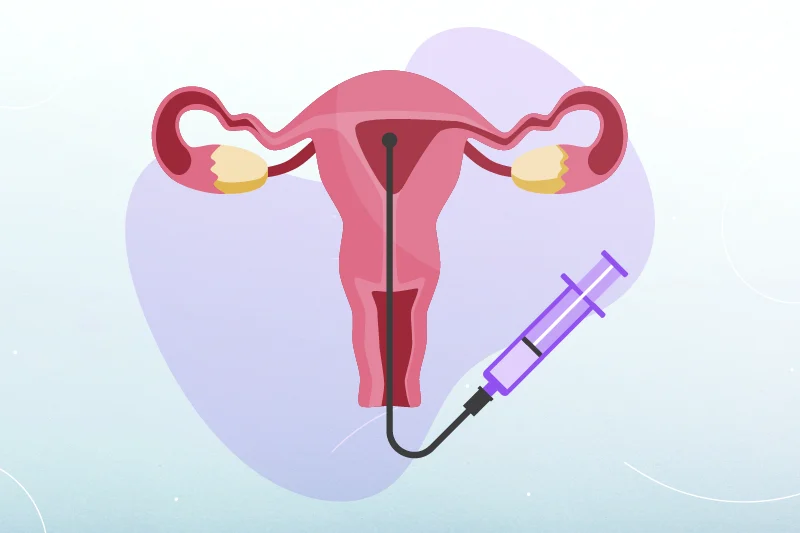
The Debate on Nature vs Nurture in Sperm Banks vs Known Donors
Known donors, on the other hand, are individuals who donate sperm directly to a recipient, often a single woman or a same-sex couple. In this case, the donor’s identity is known, and they may play a role in the child’s life as a father figure.
From a nurture perspective, known donors provide an opportunity for the child to have a relationship with their biological father, which can have a significant impact on their development. This relationship can also provide a sense of identity and belonging for the child.
However, this perspective also raises concerns about the potential for conflict and confusion in the child’s life, especially if the donor is involved in parenting decisions. It also overlooks the fact that the donor’s genetics still play a role in the child’s development, regardless of their level of involvement.
Nature vs Nurture in Sperm Banks vs Known Donors: Finding a Balance
The truth is, both nature and nurture play a role in a child’s development, and neither should be disregarded in the debate. Sperm banks and known donors offer different options for individuals or couples looking to start a family, and the decision ultimately depends on personal beliefs and preferences.
However, finding a balance between nature and nurture is key in ensuring a child’s overall well-being. Parents who use sperm banks can still provide a nurturing environment for their child, while those who use known donors can still consider the genetic aspects of their child’s development.
Moreover, the debate on nature vs nurture should not overshadow the importance of a child’s individuality and the unique combination of genetic and environmental factors that shape them.
In conclusion, the debate on nature vs nurture in sperm banks vs known donors is complex and multifaceted. While sperm banks offer a way to select for desirable genetic traits, known donors provide the opportunity for a child to have a relationship with their biological father. Ultimately, the most important factor is the love and care that parents provide for their child, regardless of the method of conception.
Summary:
The use of sperm donors, whether from sperm banks or known donors, raises the age-old debate of nature vs nurture – do genetics or the environment play a bigger role in a child’s development? Sperm banks provide a way to select for desirable genetic traits, while known donors offer the opportunity for a child to have a relationship with their biological father. Ultimately, finding a balance between nature and nurture is key in ensuring a child’s overall well-being, and the most important factor is the love and care that parents provide for their child.