The Influence of Personal Connections in Sperm Banks vs Known Donors
Sperm donation has become a common practice in today’s world, with many individuals and couples turning to sperm banks or known donors to help them conceive a child. While both options offer a viable solution for those struggling with fertility, there are significant differences between the two when it comes to personal connections. In this blog post, we will explore the influence of personal connections in sperm banks vs known donors and how it can impact the decision-making process for those seeking assistance with conception.
Sperm Banks: A Clinical Approach
Sperm banks are facilities that collect, store, and distribute donor sperm to individuals and couples in need. These banks operate under strict guidelines and regulations to ensure the safety and quality of the donated sperm. The donors are usually anonymous, and the recipients have limited information about the donor’s personal background and characteristics.
One of the biggest advantages of using a sperm bank is the anonymity factor. Many individuals and couples prefer to keep the process of conception private and do not want any personal connections with the donor. This can be especially beneficial for LGBTQ+ couples who may face discrimination or judgment from known donors or their families.
However, this anonymity can also be a disadvantage for some people. Without any personal connection to the donor, recipients may feel like they are missing out on important information about their child’s genetic background and family medical history. This can lead to concerns about potential health issues that may arise in the child’s future.
Another factor to consider with sperm banks is the lack of control over the selection of the donor. Recipients can choose from a list of donors based on physical characteristics and medical history, but they have no personal connection or knowledge about the donor’s personality, values, or beliefs. This can make it difficult for recipients to feel a sense of connection to the donor or their child’s genetic heritage.
Known Donors: A Personalized Approach
Known donors, on the other hand, are individuals who donate sperm directly to a friend or family member for the purpose of conception. This option allows for a more personalized approach, as the donor is known to the recipient and often has a pre-existing relationship with them.
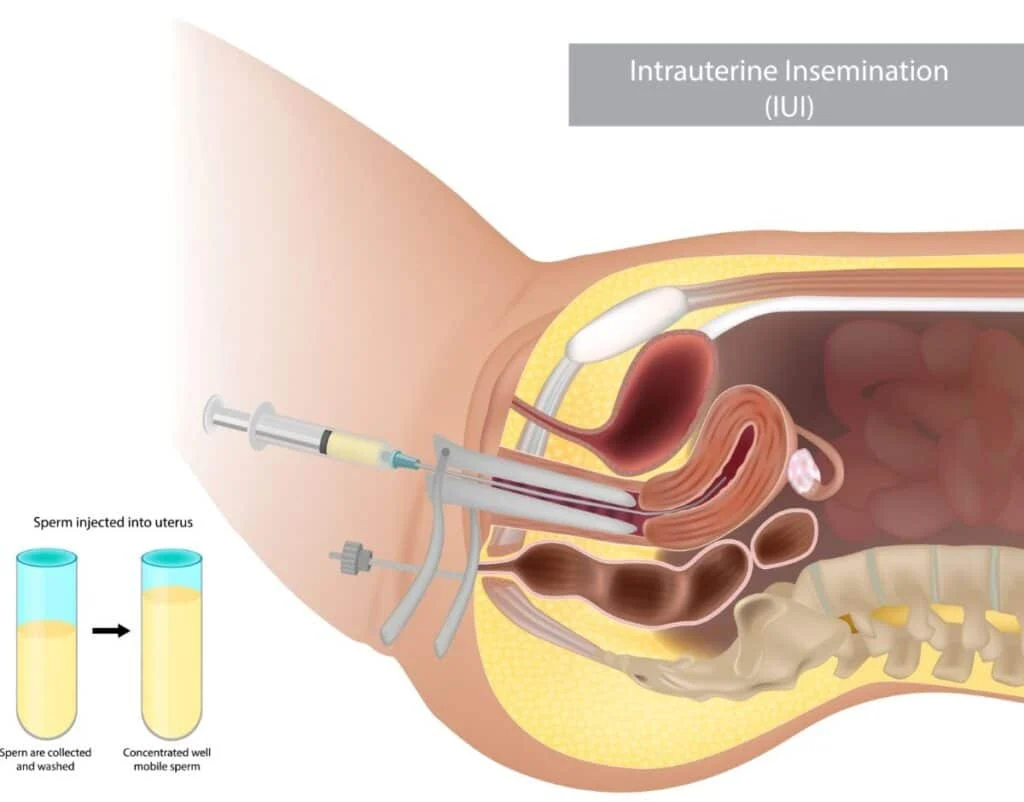
The Influence of Personal Connections in Sperm Banks vs Known Donors
One of the significant advantages of using a known donor is the ability to have a personal connection with the donor. Recipients can choose someone they trust and feel comfortable with, which can be a crucial factor for those trying to conceive. Having a personal connection with the donor can also provide a sense of reassurance and comfort, knowing that the donor is invested in the well-being of the child.
In addition, using a known donor can also provide more information about the donor’s background and medical history. This can be helpful for recipients who want a better understanding of their child’s genetic makeup and potential health risks. It also allows for the child to have a better understanding of their genetic heritage and potentially establish a relationship with the donor in the future.
However, using a known donor also has its challenges. Recipients may face pressure from the donor and their family to have a certain type of child, or there may be disagreements about the level of involvement the donor should have in the child’s life. This can create strain and complications in the relationship between the recipient and the donor, which can have a significant impact on the child’s upbringing.
Personal Connections: A Balancing Act
The decision to use a sperm bank or a known donor ultimately comes down to personal preference and individual circumstances. Both options have their advantages and disadvantages, and it is essential to consider how personal connections play a role in this decision.
For those who value privacy and want a clinical approach to conception, sperm banks may be the best option. On the other hand, for those who want a more personal and involved approach, known donors may be the better choice. It is crucial for recipients to weigh these factors carefully and consider what is most important to them when making this decision.
However, it is also essential to note that personal connections can be a balancing act. While having a personal connection with the donor can be beneficial, it can also bring challenges and complications that may not arise with an anonymous donor. It is crucial for recipients to have open and honest communication with the donor and establish boundaries and expectations from the beginning to avoid any potential conflicts.
In conclusion, the influence of personal connections in sperm banks vs known donors can have a significant impact on the decision-making process for those seeking assistance with conception. While both options offer viable solutions, it is essential to consider the advantages and disadvantages of each and prioritize what is most important for the recipient and their future child.
Summary:
Sperm donation is a common practice for those struggling with fertility, and there are two main options: sperm banks and known donors. Sperm banks offer an anonymous and clinical approach, while known donors provide a more personalized and involved approach. The decision ultimately comes down to personal preference and circumstances, as both options have their advantages and disadvantages. Personal connections play a significant role in this decision, and it is crucial to consider the potential benefits and challenges that come with it.