Blog Post: The Ethics of Compensated vs Non-Compensated Sperm Donation in Sperm Banks vs Known Donors
Sperm donation has been a widely controversial topic for many years, with debates surrounding the ethics of compensated vs non-compensated sperm donation and the use of sperm banks vs known donors. On one hand, sperm donation can bring hope and happiness to individuals or couples struggling with fertility issues. On the other hand, it raises concerns about the potential exploitation of donors and the lack of regulations in the industry. In this blog post, we will delve into the ethical considerations of compensated and non-compensated sperm donation, and the differences between using sperm banks and known donors.
Compensated Sperm Donation in Sperm Banks:
Sperm banks are facilities that collect, screen, and store sperm from donors for the purpose of artificial insemination. In exchange for their sperm, donors are typically compensated financially. This raises ethical concerns as some argue that it turns sperm into a commodity and exploits donors who may be in dire financial situations. There have been cases where donors have been paid exorbitant amounts of money for their sperm, leading to questions about the motivations behind their donations.
Moreover, there is a lack of regulation in the sperm banking industry, which means that donors may not be fully informed about the potential risks and long-term effects of sperm donation. This lack of transparency can also result in donors not being adequately compensated for potential health risks or future responsibilities. Additionally, there is a concern about the anonymity of donors, which can potentially lead to half-siblings unknowingly having relationships.
Non-Compensated Sperm Donation from Known Donors:
In contrast, non-compensated sperm donation from known donors refers to the act of a person donating their sperm to someone they know personally, such as a friend or family member. This type of donation is usually done out of altruism and does not involve any financial compensation. However, there are still ethical considerations to take into account.
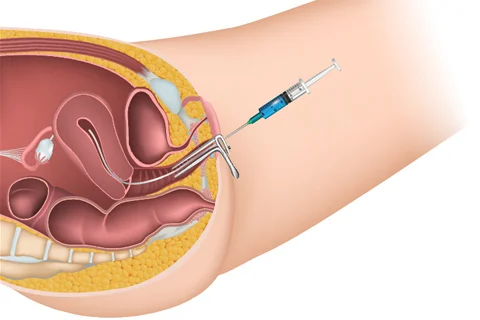
The Ethics of Compensated vs Non-Compensated Sperm Donation in Sperm Banks vs Known Donors
Known donors may not be screened or tested as rigorously as donors in sperm banks, which can pose risks to the recipient and potential future offspring. There is also the potential for complicated relationships and legal issues to arise if the donor is known to the recipient and their family. For example, the donor may want to play a role in the child’s life, which can cause conflict and confusion. This can also create legal issues regarding parental rights and responsibilities.
The Importance of Informed Consent:
One of the key ethical considerations in both compensated and non-compensated sperm donation is the importance of informed consent. Donors must fully understand the process and potential risks involved in sperm donation, and recipients must be fully informed about the donor’s medical history and any potential genetic risks. Informed consent is crucial in ensuring that all parties involved are fully aware of the potential consequences and responsibilities that come with sperm donation.
The Role of Regulation:
In order to address the ethical concerns surrounding sperm donation, there is a need for regulation in the industry. This includes guidelines for screening and testing donors, providing adequate compensation and informed consent, and addressing the issue of donor anonymity. In countries such as the United Kingdom and Canada, there are laws in place that regulate sperm donation and protect the rights of all parties involved. These regulations help to ensure that sperm donation is conducted ethically and responsibly.
In conclusion, the ethics of compensated vs non-compensated sperm donation in sperm banks vs known donors is a complex and multifaceted issue. Both options have their own set of ethical considerations, and it is important for all parties involved to fully understand the potential risks and responsibilities. Regulation is crucial in promoting ethical practices and protecting the rights of donors, recipients, and potential offspring. Ultimately, the well-being and best interests of all parties involved should be the top priority in any sperm donation process.
Summary:
Sperm donation is a controversial topic, with debates surrounding the ethics of compensated vs non-compensated donation and the use of sperm banks vs known donors. Compensated sperm donation in sperm banks raises concerns about exploitation and a lack of regulations, while non-compensated donation from known donors can lead to complicated relationships and legal issues. Informed consent and regulation are crucial in promoting ethical practices and protecting the rights of all parties involved.