Tag: Parenthood

  • Breaking Down the Costs: Fertility Clinics vs DIY Treatments

    Breaking Down the Costs: Fertility Clinics vs DIY Treatments

    The journey towards parenthood can be a challenging and emotional one, especially for couples struggling with fertility issues. As modern medicine continues to advance, there are now various options available for those trying to conceive. Two of the most popular options are fertility clinics and DIY treatments. While both have their own pros and cons, one of the major factors that couples consider is the cost. In this blog post, we will break down the costs of fertility clinics and DIY treatments to help you make an informed decision on which route to take in your journey towards parenthood.

    Fertility Clinics: The Cost Breakdown

    Fertility clinics are specialized medical centers that offer a wide range of treatments and procedures for couples trying to conceive. These clinics are staffed with highly trained and experienced medical professionals who specialize in reproductive health. While there are many different types of fertility treatments available, the most common ones offered by fertility clinics include in vitro fertilization (IVF), intrauterine insemination (IUI), and fertility drugs.

    The cost of fertility treatments at clinics can vary greatly depending on the type of treatment and the location of the clinic. On average, the cost of IVF can range from $12,000 to $15,000 per cycle, while IUI can cost around $500 to $4,000 per attempt. Fertility drugs can also add to the overall cost, with prices ranging from $50 to $5,000 depending on the type and dosage prescribed.

    Aside from the cost of the treatments themselves, there are also additional fees that couples need to consider when going to a fertility clinic. These fees may include consultation fees, lab work, ultrasounds, and other diagnostic tests. In some cases, additional procedures or tests may be required, which can significantly add to the total cost.

    DIY Treatments: The Cost Breakdown

    On the other hand, DIY treatments refer to the various methods and techniques that couples can do at home in order to increase their chances of conception. These methods are often natural and non-invasive, making them a more affordable option for couples who may not have the financial means to undergo fertility treatments at a clinic.
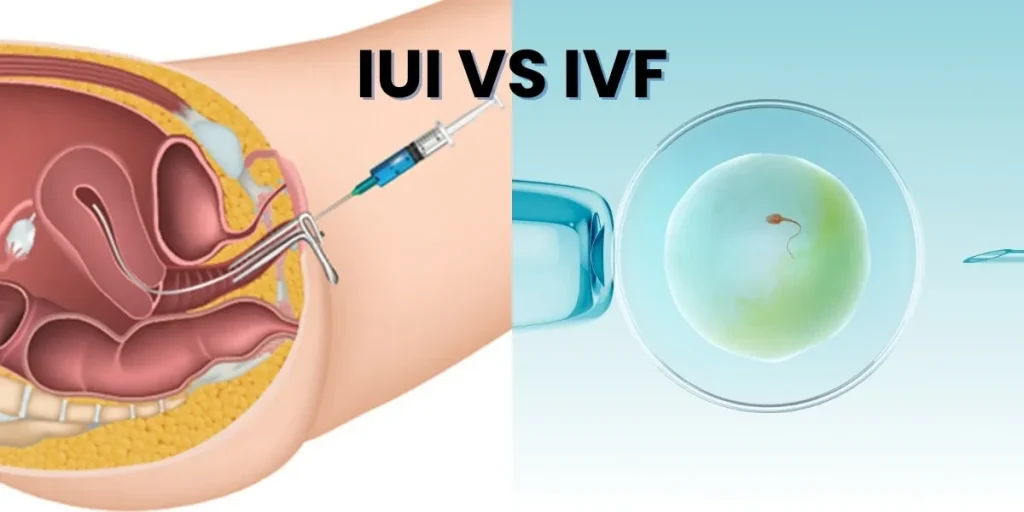
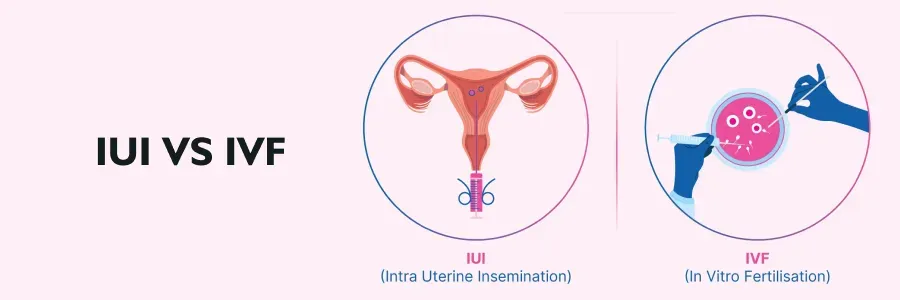
    comparison of IUI and IVF fertility treatments with illustrations of procedures and a petri dish with an egg and sperm

    Breaking Down the Costs: Fertility Clinics vs DIY Treatments

    One of the most popular DIY methods is tracking ovulation through basal body temperature (BBT) charting and ovulation predictor kits (OPKs). BBT charting involves taking daily temperature readings to determine when ovulation occurs, while OPKs detect the surge of luteinizing hormone (LH) in urine, which is an indication of impending ovulation. The cost of BBT thermometers and OPKs can range from $10 to $50 per month, depending on the brand and type of kit.

    Another DIY treatment that couples can do at home is using fertility supplements and herbs. These supplements are designed to support reproductive health and can range from $20 to $100 per month, depending on the brand and type of supplement. Some couples also opt for alternative therapies such as acupuncture, which can cost around $60 to $120 per session.

    It’s worth noting that while DIY treatments may seem more affordable compared to fertility clinic treatments, they may not be as effective for couples with more complex fertility issues. It’s important to consult with a doctor or fertility specialist before trying any DIY treatments to ensure that they are safe and appropriate for your specific situation.

    Factors to Consider

    Aside from the cost breakdown, there are other factors that couples should consider when deciding between fertility clinics and DIY treatments. One of these factors is success rates. Fertility clinics often have higher success rates due to their advanced medical technology and specialized personnel. DIY treatments, on the other hand, may have lower success rates as they rely on natural methods and techniques.

    Another factor to consider is the emotional toll that fertility treatments can take on couples. Going to a fertility clinic can involve multiple appointments, tests, and procedures, which can be physically and emotionally draining. DIY treatments, on the other hand, may not have as many appointments and procedures, but can still be emotionally taxing for couples who may feel pressure and disappointment if they are not successful.

    Summary

    In summary, fertility clinics and DIY treatments both have their own costs and benefits. Fertility clinics offer advanced medical treatments and have higher success rates, but can also come with a higher price tag. DIY treatments, on the other hand, may be more affordable but may not be as effective for couples with more complex fertility issues. It’s important to carefully consider your options and consult with a doctor or fertility specialist before making a decision on which route to take in your journey towards parenthood.

    In conclusion, the decision between fertility clinics and DIY treatments ultimately depends on each individual couple’s financial situation, fertility issues, and personal preferences. Whichever route you choose, it’s important to stay informed, seek professional advice, and stay positive throughout the process. After all, the ultimate goal is to start a family and create a loving and supportive environment for your future child.
  • Sperm Donor or Co-Parent? A Personal Reflection on the Journey to Parenthood

    Blog Post: Sperm Donor or Co-Parent? A Personal Reflection on the Journey to Parenthood

    Parenthood is a journey that many individuals dream of embarking on. The experience of bringing a new life into the world and raising a child is one of the most fulfilling and challenging experiences a person can have. However, for some, this journey may not be as straightforward as it is for others. In recent years, the rise of alternative methods of becoming parents, such as sperm donation and co-parenting, has provided a solution for those struggling with traditional methods of conception. In this blog post, I will share my personal reflection on the journey to parenthood through the use of a sperm donor or co-parent, and the challenges and rewards that come with it.

    My journey to parenthood began with a strong desire to have a child, but without a partner to share this dream with. As a single woman, I knew that traditional methods of conception were not an option for me. After much research and contemplation, I decided to pursue the route of using a sperm donor or co-parent. This was not a decision that I made lightly, as it would have a significant impact on my life and the life of my future child. However, despite the uncertainties and challenges that lay ahead, I was determined to make my dream of becoming a mother a reality.

    The first step in my journey was to choose between using a sperm donor or co-parent. A sperm donor is a person who donates their sperm to be used for artificial insemination, while a co-parent is someone who agrees to share the responsibility of raising a child with the intended parent. After careful consideration, I decided to use a sperm donor, as I wanted to have complete control over the upbringing of my child. This decision was not without its challenges, as I had to navigate the process of finding a suitable donor and dealing with my own fears and doubts about raising a child without a partner.

    The process of finding a sperm donor was not as simple as I had initially thought. I had to go through a reputable sperm bank, which involved an extensive screening process for both the donor and myself. This included medical and genetic testing, as well as psychological evaluations. While this process was necessary to ensure the safety and well-being of my future child, it also added to the emotional and financial burden of the journey. However, after months of searching, I finally found a donor that I felt comfortable with and who met all my criteria.

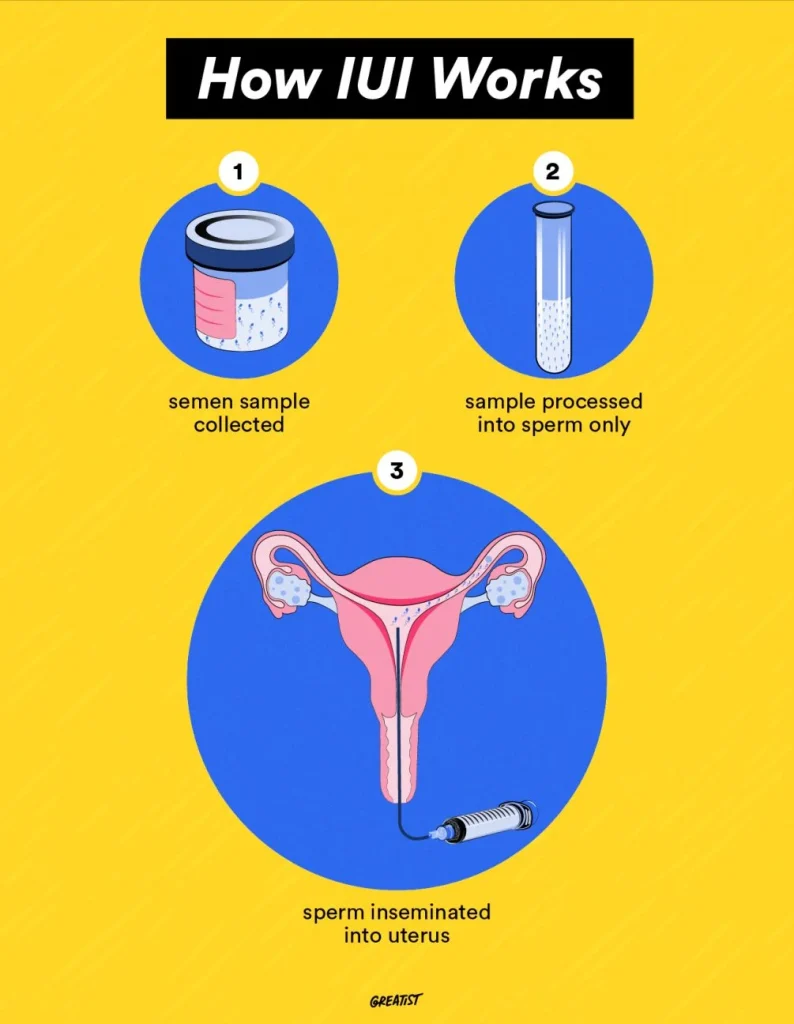
    illustration explaining the steps of intrauterine insemination (IUI) process on a bright yellow background

    Sperm Donor or Co-Parent? A Personal Reflection on the Journey to Parenthood

    Once I had chosen a donor, the next step was to undergo artificial insemination. This process involved multiple visits to my doctor’s office and was a physically and emotionally taxing experience. Despite my fears and doubts, I was determined to go through with the procedure in the hopes of fulfilling my dream of becoming a mother. After several unsuccessful attempts, I was finally blessed with the news of a positive pregnancy test. The feeling of joy and relief that washed over me cannot be put into words.

    However, my journey to parenthood did not end there. As a single mother, I had to face the challenges of raising a child without a partner. From financial struggles to sleepless nights and everything in between, the journey has been far from easy. However, the love and bond I share with my child make all the challenges worth it. As my child grows, I have come to realize that my decision to become a single parent was the best one I could have made. It has taught me the value of independence, resilience, and unconditional love.

    While my experience as a single parent through the use of a sperm donor has been fulfilling, I have also come to understand the appeal of co-parenting. The idea of having a partner to share the responsibility and joys of parenting with can be comforting. However, like any relationship, co-parenting comes with its own set of challenges. It requires a strong and open communication between the co-parents, as well as a clear understanding of each other’s expectations and boundaries. For some, co-parenting may be the perfect solution, while for others, it may not work out as expected. As with any alternative method of becoming parents, it is crucial to weigh the pros and cons and make an informed decision that is best for you and your future child.

    In conclusion, my journey to parenthood through the use of a sperm donor has been a rollercoaster ride of emotions, challenges, and rewards. Despite the uncertainties and struggles, it has been one of the most fulfilling experiences of my life. Becoming a parent, whether through traditional methods or alternative means, is a personal decision that should not be judged or criticized. As long as the child is loved and cared for, the journey to parenthood is a beautiful and life-changing experience that should be celebrated.

    Summary: The journey to parenthood through the use of a sperm donor or co-parent can be a challenging and emotional experience. As a single person, the decision to become a parent through alternative methods may not be an easy one, but it can also be one of the most fulfilling experiences of your life. The process of finding a donor or co-parent, the physical and emotional toll of artificial insemination, and the challenges of raising a child without a partner are all part of the journey. However, as a single parent, the love and bond shared with your child make it all worth it in the end.

  • Navigating the Legal Landscape of Co-Parenting and Sperm Donation: Tips and Resources

    Blog Post:

    Navigating the Legal Landscape of Co-Parenting and Sperm Donation: Tips and Resources

    Co-parenting and sperm donation are two paths to parenthood that have gained popularity in recent years. With advancements in technology and changing social attitudes, more and more people are choosing non-traditional methods to start a family. However, these methods also come with their own unique legal challenges.

    In this blog post, we will explore the legal landscape of co-parenting and sperm donation, and provide tips and resources for those considering or currently navigating these paths to parenthood.

    Understanding the Different Types of Co-Parenting Arrangements

    Co-parenting is an arrangement in which two or more individuals share the responsibilities of raising a child without being in a romantic relationship. There are various types of co-parenting arrangements, each with its own legal implications.

    1. Informal Co-Parenting: This is the most common type of co-parenting arrangement, where two individuals decide to have a child together without a legal agreement. While this may seem like the simplest and most cost-effective option, it can also lead to complications down the line. Without a legal agreement, both parties may have different expectations and interpretations of their roles and responsibilities as parents.

    2. Known Donor Co-Parenting: In this scenario, one individual donates sperm to the other with the intention of co-parenting the child. This type of arrangement involves a legal agreement between the donor and the parent, outlining their respective rights and responsibilities.

    3. Anonymous Donor Co-Parenting: This is when a sperm donor is chosen from a sperm bank, and the donor has no involvement in the child’s life. In this case, the non-biological parent may need to legally adopt the child to establish parental rights.

    Legal Considerations for Co-Parenting

    No matter which type of co-parenting arrangement you choose, there are certain legal considerations that must be taken into account to protect the rights and well-being of all parties involved.

    1. Parenthood and Parental Rights: In co-parenting arrangements, it is essential to establish who the legal parents of the child are. This is especially important in cases where the donor is not the biological parent, or when the child is born through a surrogate. Legal documentation, such as a co-parenting agreement or adoption papers, can help clarify and protect the parental rights of all parties involved.

    2. Child Support and Financial Responsibilities: Co-parenting arrangements also involve financial responsibilities. It is crucial to outline in a legal agreement how the costs of raising the child will be shared between the co-parents. This includes expenses such as healthcare, education, and daily living expenses.

    3. Custody and Visitation: In the event of a separation or divorce, custody and visitation rights can become a contentious issue in co-parenting arrangements. It is crucial to have a clear agreement in place regarding custody and visitation to avoid any legal battles in the future.

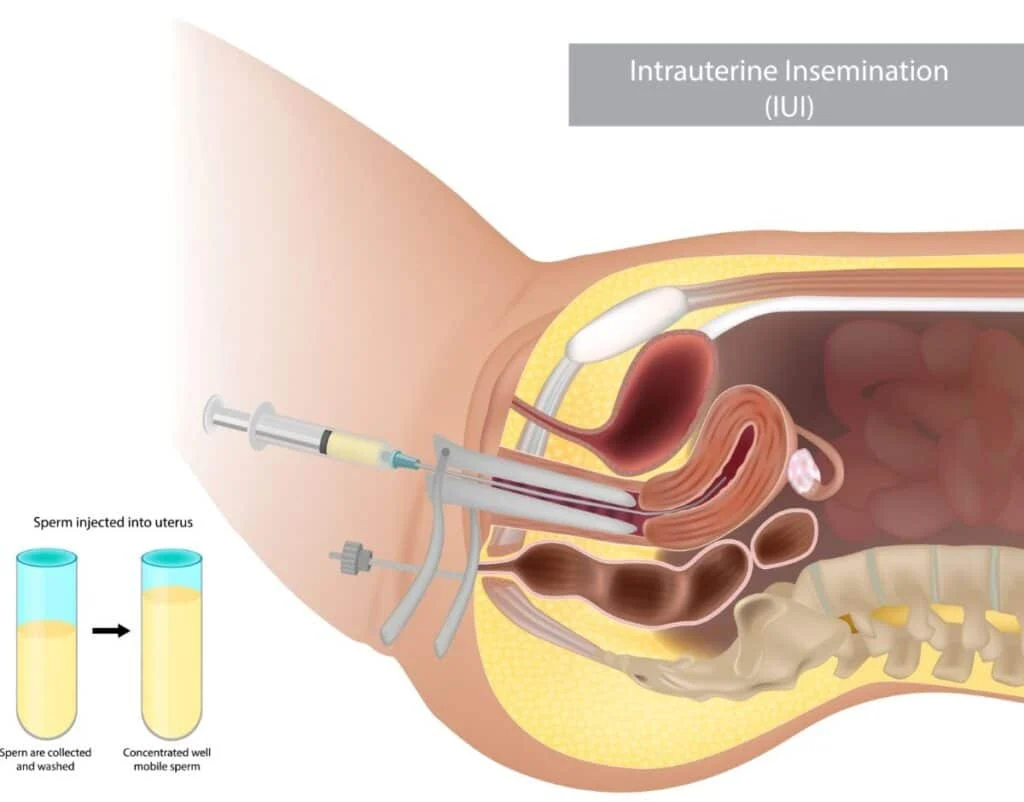
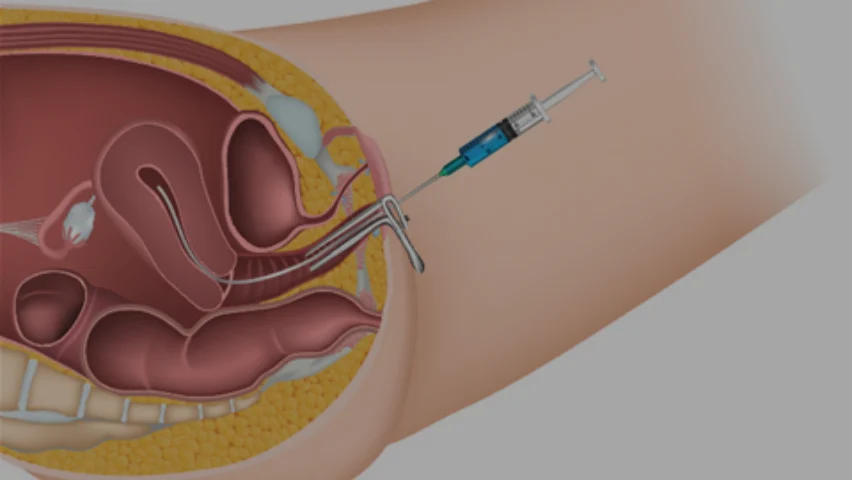
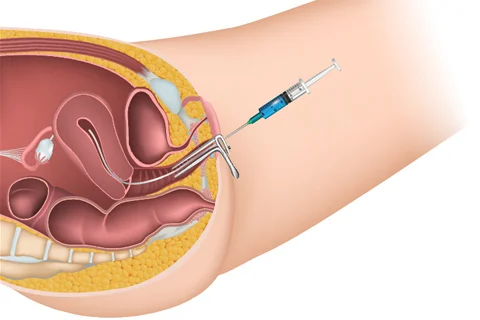
    illustration of intrauterine insemination procedure with a syringe and catheter in the uterus.

    Navigating the Legal Landscape of Co-Parenting and Sperm Donation: Tips and Resources

    Sperm Donation and Legal Considerations

    Sperm donation is a common method used by single individuals or same-sex couples to start a family. However, it also comes with its own set of legal considerations.

    1. Donor Agreements: If you are using a known donor, it is essential to have a legal agreement in place outlining the rights and responsibilities of the donor. This includes any financial obligations, as well as the donor’s involvement in the child’s life.

    2. Parental Rights of the Donor: In some cases, a donor may try to establish parental rights to the child, even if they were not intended to have a parental role. It is crucial to have a legal agreement in place to protect the intended parent’s rights and prevent any potential legal battles.

    3. Legal Parenthood: In cases where the donor is anonymous or the child is born through a surrogate, legal parenthood can be a complex issue. It is important to consult with a legal professional to ensure that all legal requirements are met to establish and protect the parental rights of the intended parent(s).

    Tips for Navigating the Legal Landscape of Co-Parenting and Sperm Donation

    1. Seek Legal Advice: The most important tip when navigating the legal landscape of co-parenting and sperm donation is to seek legal advice from a family law attorney. They can guide you through the legal process, help you understand your rights and responsibilities, and ensure that all necessary legal documents are in place.

    2. Communicate Openly: One of the key factors in successful co-parenting arrangements is communication. It is essential to have open and honest communication with your co-parent and any other parties involved, such as the donor or surrogate. This can help avoid misunderstandings and conflicts down the line.

    3. Consider Future Scenarios: When creating a co-parenting or donor agreement, it is important to consider future scenarios that may arise. While no one wants to think about a separation or divorce, it is crucial to have a plan in place to protect the child’s well-being in such situations.

    Resources for Co-Parenting and Sperm Donation

    1. Family Law Attorneys: As mentioned earlier, consulting with a family law attorney is crucial when navigating the legal landscape of co-parenting and sperm donation. They can provide legal advice and help you create legally binding agreements that protect your rights and the child’s well-being.

    2. Co-Parenting and Donor Agreement Templates: Several online resources offer co-parenting and donor agreement templates that can be customized to fit your specific situation. It is still recommended to have a legal professional review and finalize the document.

    3. Support Groups and Communities: Joining support groups or online communities for co-parenting and sperm donation can be a great way to connect with others who are going through similar experiences. They can provide emotional support and valuable insights into navigating the legal landscape.

    In summary, co-parenting and sperm donation are viable paths to parenthood, but they also require careful consideration and proper legal documentation. By understanding the different types of arrangements, legal considerations, and tips for navigating the process, you can ensure a smooth and legally sound journey to parenthood.

  • Breaking the Mold: How Sperm Donation and Co-Parenting are Challenging Traditional Family Structures

    Breaking the Mold: How Sperm Donation and Co-Parenting are Challenging Traditional Family Structures

    In today’s society, the traditional concept of a nuclear family is no longer the norm. With advancements in reproductive technology and changing attitudes towards unconventional family structures, more and more individuals are choosing alternative paths to parenthood. Two of the most prominent examples of this are sperm donation and co-parenting. These methods of creating a family challenge the traditional roles of mother and father and redefine what it means to be a family. In this blog post, we will delve into the world of sperm donation and co-parenting, exploring how these practices are breaking the mold and shaping a new definition of family.

    Sperm Donation: A Non-Traditional Path to Parenthood

    Sperm donation involves the process of a man donating his sperm to a woman or couple who are trying to conceive a child. This method has been around for decades but has become more widely accepted and accessible in recent years. In the past, sperm donation was primarily used by heterosexual couples struggling with infertility. However, with the rise of single parenting and same-sex couples, the demand for sperm donation has increased.

    One of the main ways sperm donation breaks the traditional family mold is by challenging the traditional roles of mother and father. In a traditional family structure, a child is typically conceived through sexual intercourse between a man and a woman, with the man being the biological father and the woman being the biological mother. However, with sperm donation, the biological father is not involved in the child’s life and may remain anonymous. This shifts the traditional role of fatherhood and opens up the possibility for a non-traditional family structure.

    Sperm donation also challenges the idea of a nuclear family, where a child is raised by their biological parents. With sperm donation, a child may have two mothers or two fathers, or may even be raised by a single parent. This expands the definition of family and breaks the mold of what is considered a “normal” family structure.

    Co-Parenting: A Modern Take on Blended Families

    Co-parenting is another non-traditional path to parenthood that is gaining popularity. This method involves two or more individuals, who may or may not be in a romantic relationship, deciding to have a child and raise them together. This could include same-sex couples, single individuals, or even friends who want to co-parent and share the responsibilities of raising a child.

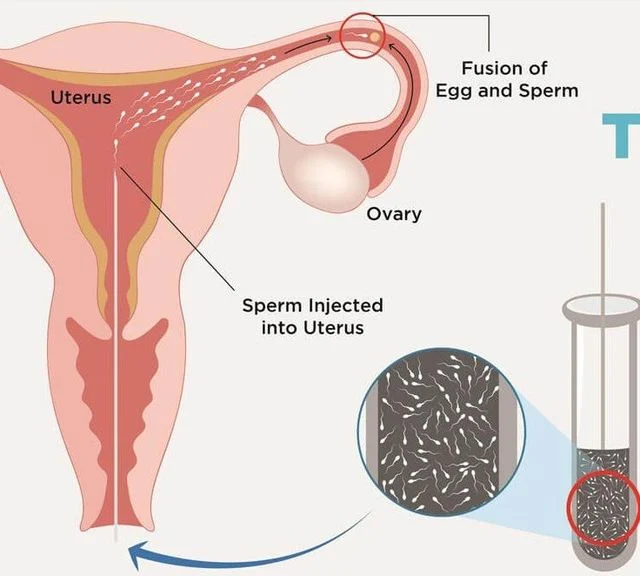
    Diagram illustrating the IUI process, showing sperm injection into the uterus and egg fertilization.

    Breaking the Mold: How Sperm Donation and Co-Parenting are Challenging Traditional Family Structures

    Co-parenting challenges traditional family structures in several ways. Firstly, it breaks away from the idea that a child needs both a mother and a father to be raised in a stable and loving environment. With co-parenting, a child may have two mothers, two fathers, or a combination of both. This shows that the gender of the parents is not what defines a loving and supportive family.

    Secondly, co-parenting challenges the traditional idea of a monogamous relationship. In a traditional family, the parents are usually a married couple, or at least in a committed relationship. However, with co-parenting, the parents may not have a romantic relationship at all. This opens up the possibility for non-romantic partnerships to have a child and raise them together, breaking the traditional mold of what a family should look like.

    The Benefits and Challenges of Alternative Family Structures

    While sperm donation and co-parenting offer individuals alternative paths to parenthood, they also come with their own set of benefits and challenges. One of the biggest benefits is the ability to fulfill the desire to have a child and raise them in a loving and supportive environment, without the need for a traditional romantic relationship. This allows individuals who may not have found a suitable partner, or who do not want a romantic relationship, to still experience the joys of parenthood.

    However, there are also challenges that come with alternative family structures. One of the biggest challenges is navigating parental roles and responsibilities. In traditional families, the roles of mother and father are well-defined, but in alternative family structures, these roles may not be as clear. This can lead to confusion and disagreements between co-parents or sperm donors and the parents. Additionally, there may also be legal and financial challenges, such as determining custody and child support arrangements.

    The Changing Landscape of Family Structures

    As we can see, sperm donation and co-parenting are challenging traditional family structures and redefining what it means to be a family. With more and more individuals choosing these alternative paths to parenthood, the traditional nuclear family is no longer the only option. This shift in family structures reflects the changing attitudes towards gender roles, relationships, and the idea of what makes a family.

    In conclusion, sperm donation and co-parenting are breaking the mold and challenging traditional family structures. These alternative paths to parenthood offer individuals the opportunity to create a family on their own terms, with love and support being the most important factors. While there may be challenges, the rise of these non-traditional family structures shows that there are no limits to what a family can look like.

  • The Emotional Impact of Choosing a Sperm Donor vs Co-Parenting

    BLOG POST:

    When it comes to starting a family, there are many different options available to individuals and couples. One of the most common ways to conceive a child is through traditional methods with a partner. However, for those who are single, same-sex couples, or struggling with fertility issues, there are alternative routes such as choosing a sperm donor or co-parenting. While both options result in parenthood, they each have their own emotional impacts and considerations.

    Choosing a sperm donor involves selecting a donor through a sperm bank or fertility clinic to fertilize an egg through artificial insemination. On the other hand, co-parenting involves two or more individuals coming together to raise a child together, without being in a romantic relationship. Both options require careful consideration and can have a significant emotional impact on all parties involved.

    In this blog post, we will explore the emotional impact of choosing a sperm donor versus co-parenting, including the benefits and challenges of each option.

    Emotional Impact of Choosing a Sperm Donor
    For individuals or couples who choose to use a sperm donor, there can be a range of emotions involved in the process. One of the most significant challenges is the loss of genetic connection to the child. For many, the idea of not being biologically related to their child can be difficult to come to terms with. This can lead to feelings of grief and loss, as well as a sense of disconnect from the child.

    Furthermore, choosing a sperm donor can also bring up feelings of insecurity and uncertainty. It can be challenging to trust that the donor will be a good match and have desirable traits. This can lead to doubts and fears about the child’s future and their relationship with the donor.

    On the other hand, there are also many positive emotional impacts that come with choosing a sperm donor. For single individuals or same-sex couples, it can be a fulfilling experience to have a child and create a family on their own terms. It can also be a sense of empowerment to have control over the selection process and choose a donor who aligns with their desired qualities and values.

    diagram of a uterus with a syringe for intrauterine insemination procedure

    The Emotional Impact of Choosing a Sperm Donor vs Co-Parenting

    Additionally, for couples struggling with fertility issues, using a sperm donor can bring a sense of hope and excitement to the process. It allows them to experience the joys of parenthood and start a family despite their fertility challenges.

    Overall, the emotional impact of choosing a sperm donor can be a mix of both positive and negative feelings, and it is essential to acknowledge and address these emotions throughout the process.

    Emotional Impact of Co-Parenting
    Co-parenting, on the other hand, involves a different set of emotions and considerations. One of the most significant benefits of co-parenting is the opportunity for the child to have a relationship with both biological parents. This can be especially important for children who may have grown up without a father or mother figure in their life.

    However, co-parenting also comes with its own set of challenges and potential emotional impacts. For starters, it requires a strong and healthy relationship between the co-parents. If there is any conflict or tension between them, it can negatively impact the child’s well-being and upbringing.

    Furthermore, co-parenting can also bring up feelings of jealousy or resentment towards the other co-parent. This can be especially true if one parent feels like they are not getting enough time or attention with the child. It is crucial for co-parents to communicate openly and set boundaries to avoid any potential conflicts.

    Another emotional impact of co-parenting is the lack of traditional family structure. While society has become more accepting of non-traditional families, there may still be stigma and challenges that co-parents and their child may face. It is essential for co-parents to be prepared for these potential challenges and have a strong support system in place.

    Summary
    In conclusion, both choosing a sperm donor and co-parenting have their own emotional impacts and considerations. While choosing a sperm donor can bring up feelings of loss or insecurity, it also allows for a sense of control and empowerment. Co-parenting, on the other hand, can provide a child with a relationship with both biological parents, but it also requires a strong and healthy relationship between the co-parents. It is crucial for individuals and couples to carefully consider and discuss their options, as well as their emotional readiness, before making a decision.

  • Exploring Alternative Paths to Parenthood: Sperm Donation vs Co-Parenting

    Summary:

    Parenthood is a life-changing experience that many individuals and couples aspire to have. However, traditional methods of conceiving children may not be feasible for everyone. In recent years, alternatives such as sperm donation and co-parenting have gained popularity as viable options for individuals and couples who are looking to become parents. In this blog post, we will explore and compare these two alternative paths to parenthood, discussing their pros and cons, legal implications, and emotional considerations.

    Sperm Donation:

    Sperm donation involves the use of donated sperm from a man to fertilize a woman’s egg, either through artificial insemination or in vitro fertilization (IVF). This method is commonly used by single women, same-sex female couples, and heterosexual couples experiencing male infertility. One of the main advantages of sperm donation is the ability to choose a donor based on specific criteria, such as physical characteristics, education, and health history. This allows individuals and couples to have more control over the genetic makeup of their child.

    However, sperm donation also has its drawbacks. The cost of sperm donation can be high, especially if multiple attempts are needed. Additionally, there is a risk of the donor’s identity being revealed in the future, which may lead to legal and emotional complications. Another important consideration is the lack of a father figure in the child’s life, which can impact their identity and sense of family structure.

    Co-Parenting:

    Co-parenting involves two or more individuals who are not in a romantic relationship but choose to raise a child together. This method is commonly used by same-sex male couples, single individuals, and heterosexual couples who are unable to conceive naturally. Co-parenting allows individuals to have a more active role in the child’s life and provides the child with both a mother and father figure, which can be beneficial for their development.

    One of the main advantages of co-parenting is the shared responsibility and support between the co-parents. This can also lead to a more diverse and inclusive family structure. However, co-parenting comes with its own set of challenges. The legal implications of co-parenting can be complex, especially in terms of parental rights and financial responsibilities. Communication and agreement between the co-parents are crucial for the success of this arrangement, and any conflicts or changes in circumstances can create difficulties for the child.

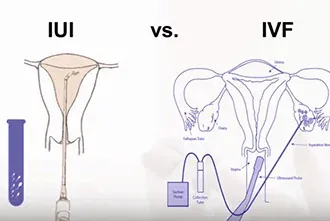
    Comparison of IUI and IVF with illustrations of each procedure.

    Exploring Alternative Paths to Parenthood: Sperm Donation vs Co-Parenting

    Legal Implications:

    Both sperm donation and co-parenting have legal implications that need to be carefully considered. In sperm donation, the donor is usually anonymous, which means they have no legal rights or responsibilities towards the child. However, in some cases, the donor may be known to the recipient, and a legal agreement may be necessary to clarify parental rights and responsibilities.

    In co-parenting, the legal rights and responsibilities of each parent can be more complex. In most cases, the biological parents have automatic parental rights, but the non-biological parent may need to adopt the child to have legal rights. This can be a lengthy and expensive process, and in some cases, the non-biological parent may not be granted parental rights at all. To avoid any legal complications, it is important for co-parents to have a clear and comprehensive legal agreement in place before embarking on this journey.

    Emotional Considerations:

    Parenthood, regardless of the method, is an emotional journey. Sperm donation and co-parenting can both bring unique emotional challenges for individuals and couples. In sperm donation, the child may have questions about their biological father and their identity, which can be emotionally difficult for both the child and the parents. In co-parenting, the relationship between the co-parents can also be complex, and any conflicts or changes in the arrangement can affect the child’s well-being.

    It is important for individuals and couples considering these alternative paths to parenthood to carefully consider the emotional implications and be prepared to handle any challenges that may arise. Seeking support from a therapist or joining support groups can also be helpful in navigating the emotional journey of parenthood.

    Conclusion:

    In conclusion, both sperm donation and co-parenting are viable options for individuals and couples who are looking to become parents. Each method has its own pros and cons, legal implications, and emotional considerations that need to be carefully evaluated. It is important for individuals and couples to thoroughly research and seek professional guidance before making a decision on which path to parenthood is right for them.

  • Breaking Down the Stigma: The Truth About Sperm Donation and Co-Parenting

    Summary:

    Sperm donation and co-parenting are often shrouded in stigma and misconceptions. However, the truth is that they can be viable and fulfilling options for those seeking to start a family. In this blog post, we will break down the stigma surrounding sperm donation and co-parenting, and shed light on the reality of these processes.

    Firstly, it is important to understand that sperm donation is a selfless act of helping others achieve their dream of parenthood. Contrary to popular belief, sperm donors are not just anonymous figures who provide a sample and have no involvement in the child’s life. In fact, many donors have the option to be known by the child and have a relationship with them as they grow up.

    Next, we need to debunk the myth that co-parenting is equivalent to “playing house” or having a casual fling. Co-parenting is a well-thought-out and planned decision between two individuals or couples who want to raise a child together. It involves mutual trust, respect, and a shared commitment to the child’s well-being, just like any other parenting arrangement.

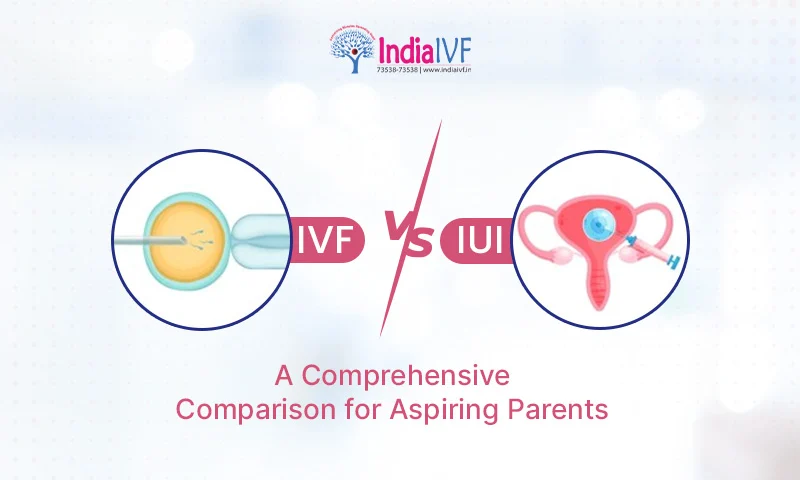
    IVF vs IUI comparison graphic highlighting reproductive methods for aspiring parents.

    Breaking Down the Stigma: The Truth About Sperm Donation and Co-Parenting

    One of the biggest fears surrounding sperm donation and co-parenting is the legal aspect. However, with proper legal documentation and agreements, these fears can be put to rest. In most cases, the donor or co-parent has no legal rights or obligations to the child, unless they have explicitly agreed to it. This provides a clear understanding of roles and responsibilities, ensuring a stable and healthy environment for the child.

    Another misconception is that children conceived through sperm donation or co-parenting will have psychological issues or feel a void in their life. However, studies have shown that children raised in these arrangements have similar levels of well-being and psychological development as children raised in traditional families. What truly matters is the love and support provided by the parents, not the genetic makeup or family structure.

    Furthermore, the process of sperm donation and co-parenting is not just limited to heterosexual couples. Same-sex couples and single individuals also have the option to start a family through these means. This allows for a more inclusive and diverse society, where everyone can have the opportunity to become a parent.

    Lastly, it is crucial to address the financial aspect of sperm donation and co-parenting. Many people assume that these processes are expensive, but in reality, they can be much more affordable than traditional methods of starting a family. Sperm donation, in particular, can be done through fertility clinics or even at-home insemination kits, making it accessible to a wider range of individuals.

    In conclusion, sperm donation and co-parenting should not be stigmatized or seen as taboo. They are legitimate options for creating a family, and the individuals involved should not be judged or shamed for their choices. With proper education and understanding, we can break down the stigma and promote a more accepting and inclusive society for all types of families.

  • Choosing Your Path to Parenthood: Sperm Donor vs Co-Parenting

    Blog Post:

    Choosing to start a family is a big decision, and for some couples or individuals, traditional methods of conception may not be an option. In recent years, there has been a rise in alternative paths to parenthood, such as using a sperm donor or co-parenting. While both options have their own set of pros and cons, it’s important to carefully consider which path is the right one for you and your future family. In this blog post, we will delve into the details of sperm donation and co-parenting and discuss the factors to consider when making this life-changing decision.

    Sperm Donor:

    A sperm donor is a man who donates his sperm to help individuals or couples conceive a child. Sperm donation can be done through a sperm bank or through a known donor, who is typically a friend or acquaintance. The process of using a sperm donor involves selecting a donor from a sperm bank’s database or discussing the terms and conditions with a known donor. The donated sperm is then used to fertilize the recipient’s egg through intrauterine insemination (IUI) or in vitro fertilization (IVF).

    Pros of Sperm Donation:

    1. Genetic Information: One of the biggest advantages of using a sperm donor is the ability to access the donor’s genetic information. Sperm banks typically provide detailed profiles of donors, including their physical characteristics, medical history, and education level. This information can give recipients a better understanding of their child’s potential traits and health risks.

    2. Control and Privacy: Sperm donation gives individuals or couples complete control over the conception process. They can choose the donor based on their preferences and have the option to remain anonymous if they wish. This can be especially appealing for same-sex couples who want to have a child without involving a third party in the parenting process.

    3. Single Parenthood: For individuals who wish to become single parents, sperm donation can be a viable option. It allows them to have a biological connection to their child and experience the joys of parenthood without a partner.

    Cons of Sperm Donation:

    1. Limited Genetic Connection: While the genetic information of the donor is available, there may still be a feeling of disconnect for some recipients who may not have a genetic connection to their child.

    2. Emotional Impact: Some individuals or couples may struggle emotionally with the idea of using a donor’s sperm to conceive a child. This can lead to feelings of grief or loss, especially if the donor is anonymous and the child will not have the opportunity to know their biological father.

    3. Cost: Sperm donation can be expensive, especially if the recipient needs multiple rounds of insemination or IVF. The cost of donor sperm and medical procedures can add up quickly, making this option unaffordable for some.

    Co-Parenting:

    Co-parenting is when two individuals or couples come together to raise a child, without being in a romantic relationship. This can involve a same-sex couple and a friend or acquaintance, or it can also be between two single individuals who want to have a child together. Co-parenting arrangements can vary, but typically both parties agree to share parental responsibilities and decision-making.

    Diagram illustrating intrauterine insemination (IUI) procedure with sperm injection into the uterus.

    Choosing Your Path to Parenthood: Sperm Donor vs Co-Parenting

    Pros of Co-Parenting:

    1. Shared Parenting Responsibilities: Co-parenting allows individuals to share the responsibilities of raising a child, which can be beneficial for single parents or same-sex couples. This can provide a support system for both parties and relieve some of the financial and emotional burden of raising a child alone.

    2. Genetic Connection: Unlike sperm donation, co-parenting allows both parties to have a genetic connection to their child. This can be an important factor for some individuals who want their child to have a biological connection to both parents.

    3. Potential for a Stronger Bond: Co-parenting can also lead to a stronger bond between the child and both parents, as they are actively involved in their child’s life and upbringing.

    Cons of Co-Parenting:

    1. Legal Complications: Co-parenting can be a complex legal process, especially if the arrangement is not properly documented. This can lead to potential legal disputes in the future, such as custody battles or financial disagreements.

    2. Relationship Strain: While co-parenting may start off as a strong partnership, there is always the potential for conflicts to arise. This can put a strain on the relationship between the co-parents and affect their ability to effectively co-parent their child.

    3. Lack of Control: Unlike using a sperm donor, co-parenting involves shared decision-making and responsibilities. This can lead to disagreements and a lack of control over certain aspects of the child’s life.

    Factors to Consider:

    When deciding between using a sperm donor or co-parenting, it’s essential to consider the following factors:

    1. Personal Preferences: The decision ultimately comes down to what feels right for you and your future family. Consider your personal beliefs, values, and desires when making this decision.

    2. Financial Situation: Both sperm donation and co-parenting can be expensive, so it’s crucial to assess your financial situation and determine what is feasible for you.

    3. Legal Considerations: If choosing co-parenting, it’s important to seek legal advice and have a clear written agreement in place to avoid any potential conflicts in the future.

    4. Support System: Having a strong support system is crucial when raising a child, so consider if you have friends or family who can provide emotional and practical support before making a decision.

    In conclusion, choosing between a sperm donor and co-parenting is a personal decision that requires careful consideration. It’s important to weigh the pros and cons of each option and consider the factors that are most important to you. Ultimately, the most important thing is to choose the path that feels right for you and your future family.

  • The Pros and Cons of Choosing a Sperm Donor vs Co-Parenting

    Blog Post Title: The Pros and Cons of Choosing a Sperm Donor vs Co-Parenting

    In today’s society, the idea of family and parenthood has evolved and expanded beyond traditional norms. With advancements in technology and changing societal views, individuals and couples now have more options when it comes to starting a family. Two popular methods that have emerged are choosing a sperm donor or co-parenting. While both options offer the opportunity for parenthood, there are pros and cons to each, and it ultimately comes down to personal preference and individual circumstances. In this blog post, we will explore the pros and cons of choosing a sperm donor vs co-parenting.

    Sperm Donor:
    A sperm donor is a method of conception where a sperm sample is obtained from a donor and used to fertilize an egg, either through artificial insemination or in vitro fertilization (IVF). The donor can be anonymous or known, and the process is usually administered through a fertility clinic. Here are some of the pros and cons of choosing a sperm donor:

    Pros:
    1. Control over genetic traits: One of the significant advantages of choosing a sperm donor is that you have control over the genetic traits of your child. You can select a donor with specific physical characteristics, such as height, hair color, eye color, and even educational and professional background.

    2. No legal or emotional ties: With a sperm donor, there are no legal or emotional ties to the donor, unlike co-parenting. The donor is not involved in the child’s life, and there is no expectation of a relationship or financial support from them. This allows for a more straightforward and less complicated process.

    3. Privacy: Choosing a sperm donor allows for a level of privacy that co-parenting does not offer. The donor’s identity can remain anonymous, and there is no need to involve a co-parent in the decision-making process.

    4. Single parenting: Sperm donation is a viable option for single individuals who want to become parents. It provides the opportunity for individuals to start a family on their own terms, without the need for a partner.

    Cons:
    1. Limited genetic information: While you have control over the donor’s genetic traits, there is limited information available about their medical history and potential health risks. This lack of information can be a concern for some individuals, especially if there is a history of hereditary diseases in their family.

    2. Expensive: Sperm donation can be a costly process, especially if you choose to go through a fertility clinic. The cost of the sperm sample, fertility treatments, and medical procedures can add up quickly.

    Comparison of IUI and IVF treatments with diagrams of reproductive anatomy.

    The Pros and Cons of Choosing a Sperm Donor vs Co-Parenting

    3. No guarantee of success: There is no guarantee that the sperm donation process will result in a successful pregnancy. This can be emotionally and financially draining, as multiple attempts may be needed to achieve a successful pregnancy.

    Co-Parenting:
    Co-parenting is a method of parenting where two individuals, who are not in a romantic relationship, come together to raise a child. They share the responsibilities and decision-making for the child, but they are not involved in a romantic relationship. Here are some of the pros and cons of co-parenting:

    Pros:
    1. Shared responsibility: Co-parenting allows for the shared responsibility of raising a child. This can be beneficial for both the parents and the child, as it provides a support system and allows for a balanced workload.

    2. Emotional support: Unlike sperm donation, co-parenting offers the opportunity for emotional support from the other parent. This can be especially beneficial for single individuals who may feel overwhelmed or isolated when raising a child on their own.

    3. Financial support: Co-parenting also allows for financial support from the other parent. This can help ease the financial burden of raising a child and provide a stable and secure environment for the child.

    Cons:
    1. Legal complications: Co-parenting can be more legally complicated compared to sperm donation. When two individuals are involved in raising a child, there are legal agreements and custody arrangements that need to be put in place. This can be a lengthy and challenging process.

    2. Lack of control over genetics: Unlike sperm donation, co-parenting does not provide control over the child’s genetic traits. The child’s physical characteristics will be a mix of both parents, which may not be what one parent had hoped for.

    3. Potential conflicts: Co-parenting can also lead to potential conflicts between the parents, especially if they have differing opinions on parenting styles or decision-making. This can create a stressful and challenging environment for both the parents and the child.

    In summary, choosing a sperm donor vs co-parenting both have their pros and cons. Sperm donation allows for control over genetic traits, privacy, and no legal or emotional ties to the donor. On the other hand, co-parenting offers shared responsibility, emotional and financial support, but can also come with legal complications and potential conflicts. It is essential to carefully consider your options and consult with a medical professional or legal expert before making a decision.

  • Beyond Biology: The Emotional Connection Between Parents and Child in Artificial Insemination and IVF

    Beyond Biology: The Emotional Connection Between Parents and Child in Artificial Insemination and IVF

    Becoming a parent is one of the most fulfilling experiences in life. It is a natural and biological process that allows individuals to pass on their genes and create a bond with their child. However, for some couples, conception can be a challenging and emotional journey. This is where artificial insemination and in vitro fertilization (IVF) come into play. These methods of assisted reproduction have revolutionized the way people can become parents and have opened up new possibilities for couples struggling to conceive. While these methods have their own set of complexities and challenges, they also bring about a unique emotional connection between parents and their child.

    Artificial insemination and IVF involve the use of medical procedures and assisted reproductive technologies to conceive a child. In artificial insemination, sperm is directly inserted into a woman’s uterus, while in IVF, the egg and sperm are fertilized outside the body in a laboratory and then implanted into the woman’s uterus. Both methods have proven to be successful in helping couples conceive, but they also bring about a range of emotional and psychological implications.

    One of the biggest emotional challenges for couples going through artificial insemination or IVF is the loss of control. Unlike natural conception, where the timing and process are entirely in the hands of the couple, assisted reproduction involves the use of medical procedures and technology. This can make couples feel like they are handing over control of their fertility to someone else. The emotional rollercoaster of hoping for a successful pregnancy, undergoing multiple procedures, and waiting for results can be overwhelming for many couples.

    Moreover, artificial insemination and IVF also bring about feelings of guilt and shame for some couples. In traditional societies, infertility is often stigmatized, and couples who struggle with it may face judgment and criticism from others. This can lead to feelings of inadequacy and shame, which can put a strain on the emotional well-being of couples. In addition, the financial burden of assisted reproduction can also cause stress and anxiety, as it is an expensive and often not covered by insurance.

    Illustration of intrauterine insemination (IUI) procedure with syringe and catheter in the uterus.

    Beyond Biology: The Emotional Connection Between Parents and Child in Artificial Insemination and IVF

    One of the most significant emotional implications of assisted reproduction is the bond between parents and their child. In traditional biological conception, the child is a product of the union between two individuals, and there is a natural and biological connection between them. However, in artificial insemination and IVF, the child is conceived through medical procedures and technology, and there may not be a biological connection between the child and one or both parents. This can lead to feelings of detachment or a lack of bond between the child and the non-biological parent.

    On the other hand, assisted reproduction also brings about a unique emotional connection between parents and their child. Many couples who have gone through artificial insemination or IVF have reported feeling a strong bond with their child, despite not having a biological connection. This is because the journey to conception through assisted reproduction is often long and challenging, and the child is seen as a precious gift and a symbol of their love and commitment to each other.

    Furthermore, assisted reproduction also allows for the possibility of same-sex couples and single individuals to become parents. This expands the definition of family and brings about a new emotional connection between parents and child. In these cases, the child is often conceived through a donor, and this can lead to questions and concerns about the child’s identity and the role of the donor in their life. However, many families have found ways to navigate these complexities and have created strong and loving bonds with their children.

    In conclusion, artificial insemination and IVF have not only made it possible for couples struggling with fertility to conceive but have also brought about a unique emotional connection between parents and their child. While the journey to conception through assisted reproduction can be emotionally challenging, it also brings about a deep and meaningful bond between parents and their child. As assisted reproduction continues to evolve and become more accessible, it is essential to acknowledge and support the emotional well-being of couples and families going through this journey.

    In summary, artificial insemination and IVF have revolutionized the way people can become parents. These methods of assisted reproduction bring about a range of emotional implications, including the loss of control, guilt and shame, and the unique bond between parents and their child. While there may be challenges and complexities, assisted reproduction has allowed many couples and families to experience the joy of parenthood and create strong and loving bonds with their children.