Breaking the Mold: How Sperm Donation and Co-Parenting are Challenging Traditional Family Structures
In today’s society, the traditional concept of a nuclear family is no longer the norm. With advancements in reproductive technology and changing attitudes towards unconventional family structures, more and more individuals are choosing alternative paths to parenthood. Two of the most prominent examples of this are sperm donation and co-parenting. These methods of creating a family challenge the traditional roles of mother and father and redefine what it means to be a family. In this blog post, we will delve into the world of sperm donation and co-parenting, exploring how these practices are breaking the mold and shaping a new definition of family.
Sperm Donation: A Non-Traditional Path to Parenthood
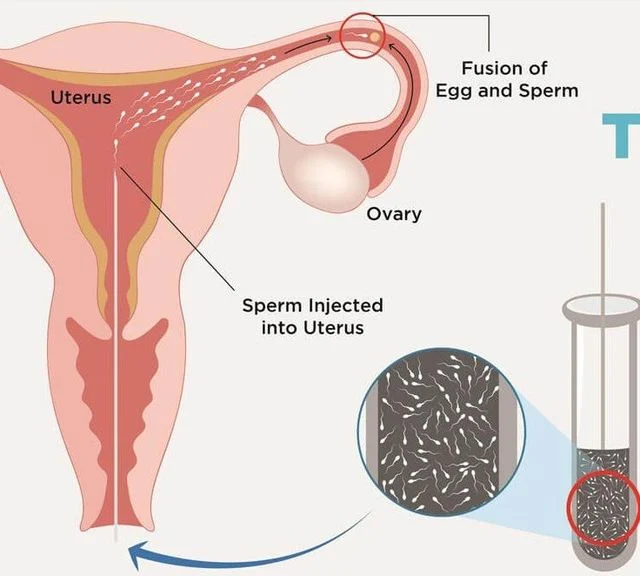
Sperm donation involves the process of a man donating his sperm to a woman or couple who are trying to conceive a child. This method has been around for decades but has become more widely accepted and accessible in recent years. In the past, sperm donation was primarily used by heterosexual couples struggling with infertility. However, with the rise of single parenting and same-sex couples, the demand for sperm donation has increased.
One of the main ways sperm donation breaks the traditional family mold is by challenging the traditional roles of mother and father. In a traditional family structure, a child is typically conceived through sexual intercourse between a man and a woman, with the man being the biological father and the woman being the biological mother. However, with sperm donation, the biological father is not involved in the child’s life and may remain anonymous. This shifts the traditional role of fatherhood and opens up the possibility for a non-traditional family structure.
Sperm donation also challenges the idea of a nuclear family, where a child is raised by their biological parents. With sperm donation, a child may have two mothers or two fathers, or may even be raised by a single parent. This expands the definition of family and breaks the mold of what is considered a “normal” family structure.
Co-Parenting: A Modern Take on Blended Families
Co-parenting is another non-traditional path to parenthood that is gaining popularity. This method involves two or more individuals, who may or may not be in a romantic relationship, deciding to have a child and raise them together. This could include same-sex couples, single individuals, or even friends who want to co-parent and share the responsibilities of raising a child.
Breaking the Mold: How Sperm Donation and Co-Parenting are Challenging Traditional Family Structures
Co-parenting challenges traditional family structures in several ways. Firstly, it breaks away from the idea that a child needs both a mother and a father to be raised in a stable and loving environment. With co-parenting, a child may have two mothers, two fathers, or a combination of both. This shows that the gender of the parents is not what defines a loving and supportive family.
Secondly, co-parenting challenges the traditional idea of a monogamous relationship. In a traditional family, the parents are usually a married couple, or at least in a committed relationship. However, with co-parenting, the parents may not have a romantic relationship at all. This opens up the possibility for non-romantic partnerships to have a child and raise them together, breaking the traditional mold of what a family should look like.
The Benefits and Challenges of Alternative Family Structures
While sperm donation and co-parenting offer individuals alternative paths to parenthood, they also come with their own set of benefits and challenges. One of the biggest benefits is the ability to fulfill the desire to have a child and raise them in a loving and supportive environment, without the need for a traditional romantic relationship. This allows individuals who may not have found a suitable partner, or who do not want a romantic relationship, to still experience the joys of parenthood.
However, there are also challenges that come with alternative family structures. One of the biggest challenges is navigating parental roles and responsibilities. In traditional families, the roles of mother and father are well-defined, but in alternative family structures, these roles may not be as clear. This can lead to confusion and disagreements between co-parents or sperm donors and the parents. Additionally, there may also be legal and financial challenges, such as determining custody and child support arrangements.
The Changing Landscape of Family Structures
As we can see, sperm donation and co-parenting are challenging traditional family structures and redefining what it means to be a family. With more and more individuals choosing these alternative paths to parenthood, the traditional nuclear family is no longer the only option. This shift in family structures reflects the changing attitudes towards gender roles, relationships, and the idea of what makes a family.
In conclusion, sperm donation and co-parenting are breaking the mold and challenging traditional family structures. These alternative paths to parenthood offer individuals the opportunity to create a family on their own terms, with love and support being the most important factors. While there may be challenges, the rise of these non-traditional family structures shows that there are no limits to what a family can look like.