Summary:
Parenthood is a life-changing experience that many individuals and couples aspire to have. However, traditional methods of conceiving children may not be feasible for everyone. In recent years, alternatives such as sperm donation and co-parenting have gained popularity as viable options for individuals and couples who are looking to become parents. In this blog post, we will explore and compare these two alternative paths to parenthood, discussing their pros and cons, legal implications, and emotional considerations.
Sperm Donation:
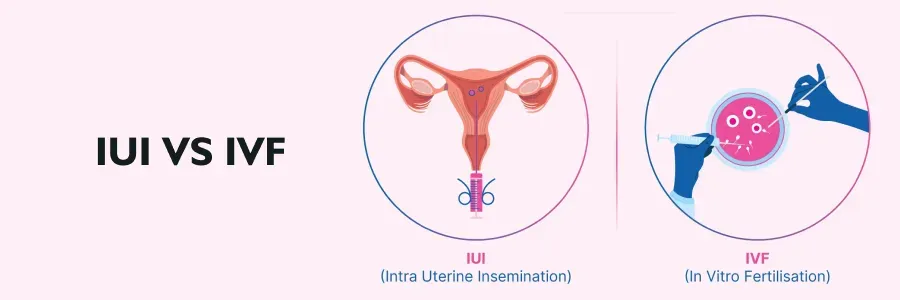
Sperm donation involves the use of donated sperm from a man to fertilize a woman’s egg, either through artificial insemination or in vitro fertilization (IVF). This method is commonly used by single women, same-sex female couples, and heterosexual couples experiencing male infertility. One of the main advantages of sperm donation is the ability to choose a donor based on specific criteria, such as physical characteristics, education, and health history. This allows individuals and couples to have more control over the genetic makeup of their child.
However, sperm donation also has its drawbacks. The cost of sperm donation can be high, especially if multiple attempts are needed. Additionally, there is a risk of the donor’s identity being revealed in the future, which may lead to legal and emotional complications. Another important consideration is the lack of a father figure in the child’s life, which can impact their identity and sense of family structure.
Co-Parenting:
Co-parenting involves two or more individuals who are not in a romantic relationship but choose to raise a child together. This method is commonly used by same-sex male couples, single individuals, and heterosexual couples who are unable to conceive naturally. Co-parenting allows individuals to have a more active role in the child’s life and provides the child with both a mother and father figure, which can be beneficial for their development.
One of the main advantages of co-parenting is the shared responsibility and support between the co-parents. This can also lead to a more diverse and inclusive family structure. However, co-parenting comes with its own set of challenges. The legal implications of co-parenting can be complex, especially in terms of parental rights and financial responsibilities. Communication and agreement between the co-parents are crucial for the success of this arrangement, and any conflicts or changes in circumstances can create difficulties for the child.
Exploring Alternative Paths to Parenthood: Sperm Donation vs Co-Parenting
Legal Implications:
Both sperm donation and co-parenting have legal implications that need to be carefully considered. In sperm donation, the donor is usually anonymous, which means they have no legal rights or responsibilities towards the child. However, in some cases, the donor may be known to the recipient, and a legal agreement may be necessary to clarify parental rights and responsibilities.
In co-parenting, the legal rights and responsibilities of each parent can be more complex. In most cases, the biological parents have automatic parental rights, but the non-biological parent may need to adopt the child to have legal rights. This can be a lengthy and expensive process, and in some cases, the non-biological parent may not be granted parental rights at all. To avoid any legal complications, it is important for co-parents to have a clear and comprehensive legal agreement in place before embarking on this journey.
Emotional Considerations:
Parenthood, regardless of the method, is an emotional journey. Sperm donation and co-parenting can both bring unique emotional challenges for individuals and couples. In sperm donation, the child may have questions about their biological father and their identity, which can be emotionally difficult for both the child and the parents. In co-parenting, the relationship between the co-parents can also be complex, and any conflicts or changes in the arrangement can affect the child’s well-being.
It is important for individuals and couples considering these alternative paths to parenthood to carefully consider the emotional implications and be prepared to handle any challenges that may arise. Seeking support from a therapist or joining support groups can also be helpful in navigating the emotional journey of parenthood.
Conclusion:
In conclusion, both sperm donation and co-parenting are viable options for individuals and couples who are looking to become parents. Each method has its own pros and cons, legal implications, and emotional considerations that need to be carefully evaluated. It is important for individuals and couples to thoroughly research and seek professional guidance before making a decision on which path to parenthood is right for them.