Beyond Biology: The Emotional Connection Between Parents and Child in Artificial Insemination and IVF
Becoming a parent is one of the most fulfilling experiences in life. It is a natural and biological process that allows individuals to pass on their genes and create a bond with their child. However, for some couples, conception can be a challenging and emotional journey. This is where artificial insemination and in vitro fertilization (IVF) come into play. These methods of assisted reproduction have revolutionized the way people can become parents and have opened up new possibilities for couples struggling to conceive. While these methods have their own set of complexities and challenges, they also bring about a unique emotional connection between parents and their child.
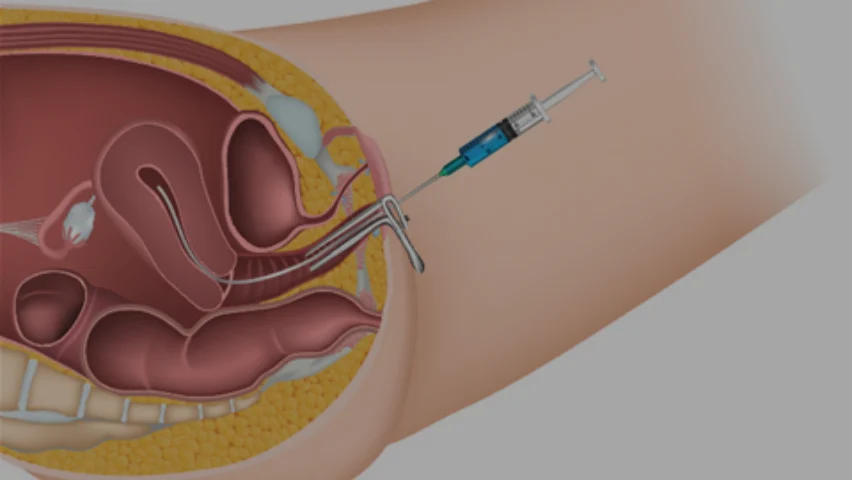
Artificial insemination and IVF involve the use of medical procedures and assisted reproductive technologies to conceive a child. In artificial insemination, sperm is directly inserted into a woman’s uterus, while in IVF, the egg and sperm are fertilized outside the body in a laboratory and then implanted into the woman’s uterus. Both methods have proven to be successful in helping couples conceive, but they also bring about a range of emotional and psychological implications.
One of the biggest emotional challenges for couples going through artificial insemination or IVF is the loss of control. Unlike natural conception, where the timing and process are entirely in the hands of the couple, assisted reproduction involves the use of medical procedures and technology. This can make couples feel like they are handing over control of their fertility to someone else. The emotional rollercoaster of hoping for a successful pregnancy, undergoing multiple procedures, and waiting for results can be overwhelming for many couples.
Moreover, artificial insemination and IVF also bring about feelings of guilt and shame for some couples. In traditional societies, infertility is often stigmatized, and couples who struggle with it may face judgment and criticism from others. This can lead to feelings of inadequacy and shame, which can put a strain on the emotional well-being of couples. In addition, the financial burden of assisted reproduction can also cause stress and anxiety, as it is an expensive and often not covered by insurance.
One of the most significant emotional implications of assisted reproduction is the bond between parents and their child. In traditional biological conception, the child is a product of the union between two individuals, and there is a natural and biological connection between them. However, in artificial insemination and IVF, the child is conceived through medical procedures and technology, and there may not be a biological connection between the child and one or both parents. This can lead to feelings of detachment or a lack of bond between the child and the non-biological parent.
On the other hand, assisted reproduction also brings about a unique emotional connection between parents and their child. Many couples who have gone through artificial insemination or IVF have reported feeling a strong bond with their child, despite not having a biological connection. This is because the journey to conception through assisted reproduction is often long and challenging, and the child is seen as a precious gift and a symbol of their love and commitment to each other.
Furthermore, assisted reproduction also allows for the possibility of same-sex couples and single individuals to become parents. This expands the definition of family and brings about a new emotional connection between parents and child. In these cases, the child is often conceived through a donor, and this can lead to questions and concerns about the child’s identity and the role of the donor in their life. However, many families have found ways to navigate these complexities and have created strong and loving bonds with their children.
In conclusion, artificial insemination and IVF have not only made it possible for couples struggling with fertility to conceive but have also brought about a unique emotional connection between parents and their child. While the journey to conception through assisted reproduction can be emotionally challenging, it also brings about a deep and meaningful bond between parents and their child. As assisted reproduction continues to evolve and become more accessible, it is essential to acknowledge and support the emotional well-being of couples and families going through this journey.
In summary, artificial insemination and IVF have revolutionized the way people can become parents. These methods of assisted reproduction bring about a range of emotional implications, including the loss of control, guilt and shame, and the unique bond between parents and their child. While there may be challenges and complexities, assisted reproduction has allowed many couples and families to experience the joy of parenthood and create strong and loving bonds with their children.