Tag: fertility

  • The Road to Motherhood: Egg Retrieval vs Egg Sharing

    The journey to motherhood is a unique and personal experience for every woman. Some may get pregnant naturally, while others may face challenges and need to explore alternative methods such as egg retrieval or egg sharing. These options have become increasingly popular over the years, and they offer hope for women who want to become mothers.

    Egg retrieval and egg sharing are both assisted reproductive technologies (ART) that involve the retrieval of eggs from a woman’s ovaries. These eggs are then fertilized with sperm in a laboratory and the resulting embryos are transferred to the woman’s uterus. While they may seem similar, there are some key differences between the two procedures. In this blog post, we will delve into the road to motherhood and compare egg retrieval and egg sharing, highlighting their pros and cons, and helping you make an informed decision.

    Egg Retrieval:

    Egg retrieval, also known as in vitro fertilization (IVF), is a process where a woman’s eggs are retrieved from her ovaries and fertilized with sperm outside of her body. This procedure is often recommended for women who are struggling with fertility issues or who have certain medical conditions that make it difficult for them to conceive naturally.

    The first step in egg retrieval is ovarian stimulation. This involves taking fertility medications to stimulate the ovaries to produce multiple eggs. This is important because the more eggs that are retrieved, the higher the chances of success. The woman’s progress is closely monitored through ultrasounds and blood tests to determine the optimal time for egg retrieval.

    Once the eggs are mature, a minor surgical procedure is performed to retrieve them. The woman is put under anesthesia, and a thin needle is inserted through the vagina into the ovaries to remove the eggs. The procedure takes about 20-30 minutes and is relatively painless.

    After the retrieval, the eggs are fertilized with sperm in a laboratory. The resulting embryos are then monitored for a few days before being transferred to the woman’s uterus. Any remaining embryos can be frozen for future use. The success rate of IVF varies, but it is generally around 30-40%.

    Egg Sharing:

    Egg sharing, also known as egg donation, is a process where a woman donates her eggs to another woman or couple who are struggling with infertility. This is a selfless act that can bring joy to those who are unable to conceive on their own.

    The first step in egg sharing is the selection of a donor. The donor must undergo a series of tests, including physical and psychological evaluations, to ensure that she is a suitable candidate. Once a donor is chosen, she will undergo ovarian stimulation and egg retrieval, similar to the process in IVF.

    The main difference between egg sharing and egg retrieval is that the retrieved eggs are not for the donor’s own use, but for the intended parent(s). The eggs are fertilized with sperm in a laboratory, and the resulting embryos are transferred to the intended mother or a gestational carrier. Any remaining embryos can also be frozen for future use.

    Pros and Cons:

    Both egg retrieval and egg sharing have their own set of pros and cons. Let’s take a closer look at them.

    Pros of Egg Retrieval:

    1. Higher Success Rates: Because the eggs are from the intended mother, there is a higher chance of success compared to using donated eggs.

    2. Biological Connection: The child born through egg retrieval will be biologically related to the intended mother, which can be important for some women.
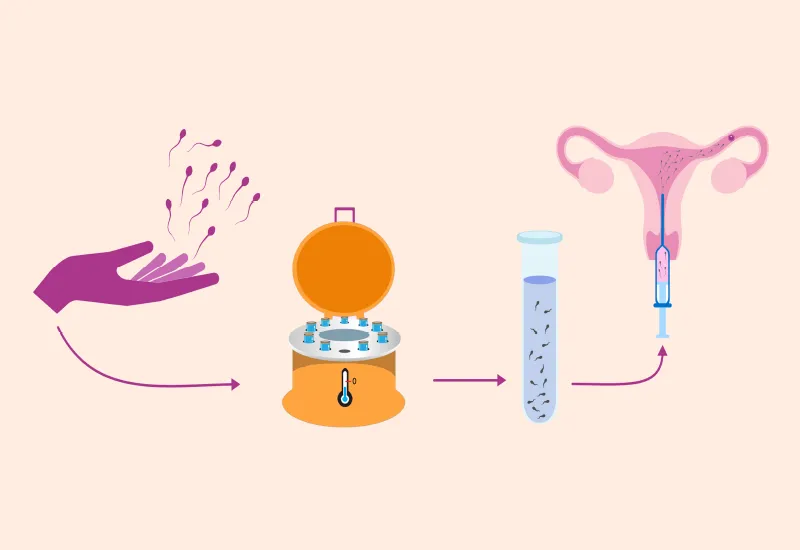
    illustration of the IUI process, showing sperm collection, preparation, and insertion into the uterus

    The Road to Motherhood: Egg Retrieval vs Egg Sharing

    3. Control over the Process: The intended mother has control over the entire process, from choosing the clinic to selecting the sperm donor.

    Cons of Egg Retrieval:

    1. High Cost: Egg retrieval can be expensive, and it may not be covered by insurance. The cost can range from $12,000-$15,000, not including medications.

    2. Physical and Emotional Toll: The process of ovarian stimulation and egg retrieval can be physically and emotionally taxing for the intended mother.

    3. Lower Egg Quality: As women age, the quality of their eggs decreases, leading to a lower success rate for older women undergoing IVF.

    Pros of Egg Sharing:

    1. Lower Cost: Egg sharing can be significantly cheaper than egg retrieval, as the intended parents only have to cover the cost of the donor’s medications and compensation.

    2. Younger Donors: Egg sharing allows for the use of younger donors, which can increase the chances of success.

    3. No Physical Toll: The intended mother does not have to undergo ovarian stimulation, making the process less physically demanding.

    Cons of Egg Sharing:

    1. Lack of Biological Connection: The child born through egg sharing will not be biologically related to the intended mother.

    2. Limited Control: The intended mother has limited control over the process, as the donor’s availability and schedule may affect the timeline.

    3. Legal and Ethical Issues: Egg sharing can raise legal and ethical concerns, as it involves the use of donated genetic material.

    Making the Decision:

    Both egg retrieval and egg sharing have their own set of advantages and disadvantages, and the decision ultimately depends on the individual. Factors such as cost, biological connection, and control over the process should be considered when making a decision.

    It is important to do thorough research and consult with a fertility specialist to determine which option is best for you. The road to motherhood can be a challenging one, but with the help of modern technology, many women are able to fulfill their dreams of becoming a mother.

    In conclusion, egg retrieval and egg sharing are both viable options for women who are struggling with infertility or medical conditions that make it difficult to conceive naturally. Each option has its own set of pros and cons, and it is important to carefully consider them before making a decision. With the help of assisted reproductive technologies, many women are able to overcome their fertility struggles and embark on the beautiful journey of motherhood.
  • The Science Behind It: Egg Retrieval vs Egg Sharing

    Blog Post: The Science Behind It: Egg Retrieval vs Egg Sharing

    When it comes to assisted reproductive techniques, egg retrieval and egg sharing are two commonly used methods. Both of these procedures involve the collection of eggs for fertilization, but there are significant differences between the two. In this blog post, we will delve into the science behind these techniques and explore their similarities, differences, and success rates.

    Egg Retrieval:

    Egg retrieval, also known as oocyte retrieval, is the process of collecting eggs from a woman’s ovaries. This procedure is typically performed for women who are undergoing in vitro fertilization (IVF) treatment. IVF is a type of assisted reproductive technology where eggs are fertilized with sperm in a laboratory.

    The first step in egg retrieval is ovarian stimulation, where the woman is given hormonal injections to stimulate the ovaries to produce multiple eggs. This is done to increase the chances of a successful IVF cycle. Once the eggs have matured, a minor surgical procedure called follicular aspiration is performed to retrieve the eggs. This involves using a needle to extract the eggs from the follicles in the ovaries. The eggs are then immediately transferred to the laboratory for fertilization.

    Egg Sharing:

    Egg sharing, also known as egg donation, is a process where a woman donates her eggs to another woman who is unable to produce her own eggs. This is a common option for women who have fertility issues or are unable to conceive due to medical reasons. Egg sharing is similar to egg retrieval in that the eggs are collected from the donor’s ovaries, but there are significant differences in the process.

    In egg sharing, the donor is given hormonal injections to stimulate the ovaries, just like in egg retrieval. However, the donor’s eggs are collected at the same time as the recipient’s eggs. The donor’s eggs are then fertilized in the laboratory, and the resulting embryos are transferred to the recipient’s uterus for implantation. This process allows the recipient to carry and give birth to the child, but with the donor’s genetic material.

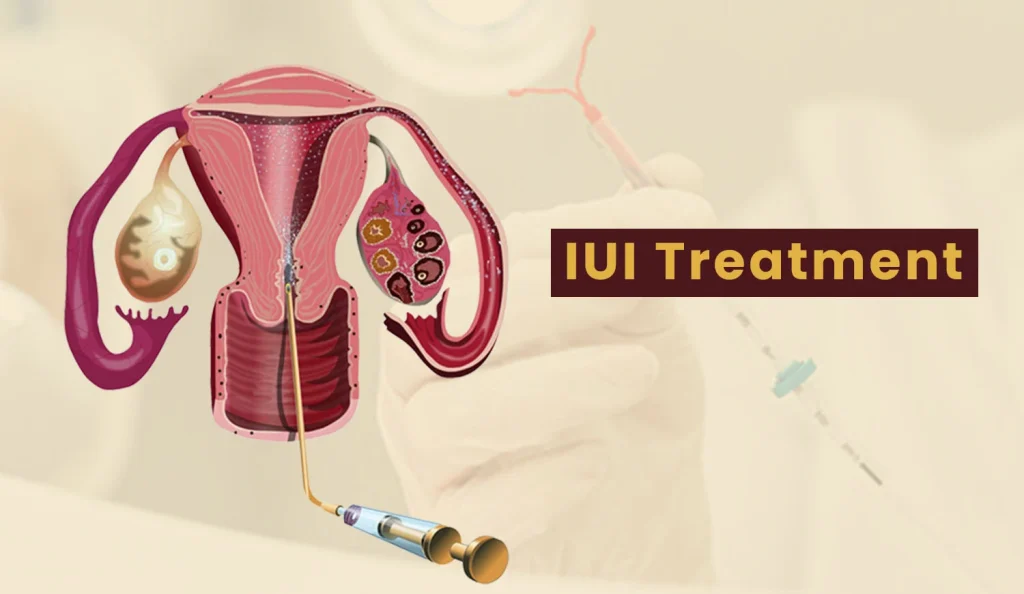
    illustration of the uterus and ovaries with a syringe, labeled "IUI Treatment" in the background

    The Science Behind It: Egg Retrieval vs Egg Sharing

    Differences in Success Rates:

    Both egg retrieval and egg sharing have their own set of success rates, which are influenced by various factors such as age, overall health, and the quality of the eggs. In egg retrieval, the success rate depends on the woman’s ability to produce multiple healthy eggs. The more eggs that are retrieved, the higher the chances of a successful IVF cycle. However, this can also increase the risk of multiple pregnancies, which can be risky for both the mother and the babies.

    On the other hand, egg sharing has a higher success rate as the eggs are donated by a younger and healthier woman. This increases the chances of a successful fertilization and implantation. Additionally, the recipient is also able to carry and give birth to the child, which can be a more fulfilling experience for some women.

    Similarities in Risks and Complications:

    Both egg retrieval and egg sharing procedures carry certain risks and complications. The most common risks include bleeding, infection, and damage to the surrounding organs during the surgical procedures. Hormonal injections used in both procedures can also cause side effects such as headaches, mood swings, and abdominal discomfort. However, these risks and side effects are usually temporary and can be managed with proper medical care.

    Summary:

    Egg retrieval and egg sharing are two commonly used assisted reproductive techniques used to collect eggs for fertilization. While egg retrieval is typically performed for women undergoing IVF treatment, egg sharing is a process where a woman donates her eggs to another woman who is unable to produce her own. Both procedures involve ovarian stimulation and follicular aspiration, but egg sharing has a higher success rate due to the use of younger and healthier eggs. However, both procedures carry similar risks and complications, which can be managed with proper medical care.

    In conclusion, the science behind egg retrieval and egg sharing is complex and involves various factors that can affect their success rates. It is essential for individuals considering these procedures to consult with a fertility specialist and thoroughly understand the process before making a decision. With advancements in medical technology, both egg retrieval and egg sharing have become viable options for individuals struggling with fertility issues, giving them the hope of starting or expanding their families.

  • Exploring the Benefits: Egg Retrieval vs Egg Sharing

    Blog Post Title: Exploring the Benefits: Egg Retrieval vs Egg Sharing

    Egg donation has become an increasingly popular option for couples struggling with fertility issues or individuals who are unable to conceive on their own. This process involves retrieving eggs from a donor and using them for in vitro fertilization (IVF) to achieve a successful pregnancy. However, there are two ways to go about this process – egg retrieval and egg sharing. In this blog post, we will explore the benefits of each method and help you make an informed decision about which one is right for you.

    Egg Retrieval:

    Egg retrieval, also known as traditional egg donation, involves retrieving eggs from a donor and using them exclusively for the intended recipient. This method is often preferred by couples who want to have a genetic link to their child and have control over the entire IVF process. Here are some of the benefits of egg retrieval:

    1. Genetic Connection: One of the main benefits of egg retrieval is that the intended mother can have a genetic connection to the child. This can be an important factor for couples who want to pass on their genetic traits and characteristics to their child.

    2. Control over the Process: With egg retrieval, the intended parents have complete control over the IVF process, from choosing the donor to deciding on the timeline for the procedure. This level of control can provide a sense of security and peace of mind for the intended parents.

    3. No Sharing of Eggs: In egg retrieval, the eggs are exclusively used for the intended parents, which means there is no sharing involved. This eliminates the risk of any confusion or mix-ups during the IVF process.

    4. More Affordable: Egg retrieval can be a more affordable option for couples who are struggling with fertility issues. As the eggs are solely used for the intended parents, there is no need to compensate the donor for their time and effort.

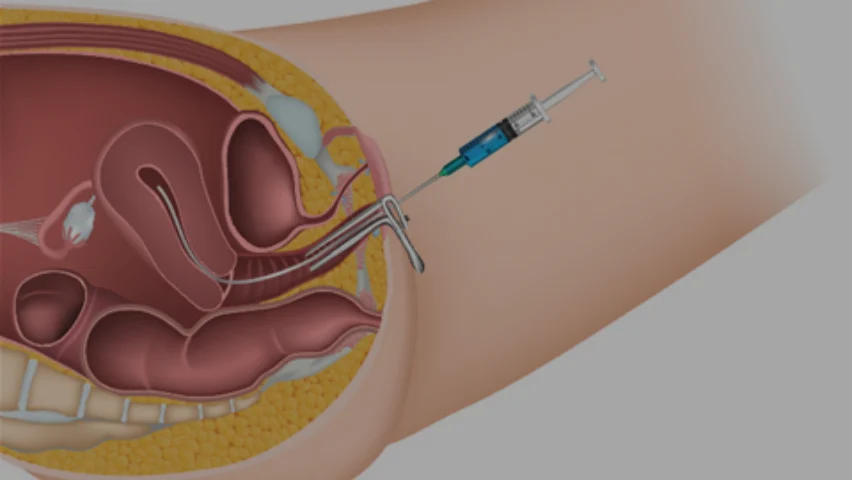
    Illustration of the IUI process, showing a syringe and catheter in the reproductive system.

    Exploring the Benefits: Egg Retrieval vs Egg Sharing

    Egg Sharing:

    Egg sharing, also known as shared egg donation, involves the donor sharing her eggs with another recipient in need. This method is often chosen by donors who want to help more than one family and by recipients who are looking for a more cost-effective option. Let’s take a look at the benefits of egg sharing:

    1. Lower Cost: Egg sharing can be a more cost-effective option for recipients as they only need to pay for a portion of the donor’s expenses, such as medical and screening fees. This can significantly reduce the overall cost of the IVF process.

    2. Higher Success Rate: As the donor’s eggs are shared with multiple recipients, the chances of a successful pregnancy are higher. This is because the donor’s eggs are younger and healthier, increasing the chances of successful fertilization and implantation.

    3. Faster Process: With egg sharing, the IVF process can be completed faster as the donor’s eggs are already available. This can be beneficial for recipients who are unable to wait for a donor’s availability or who have a limited timeline for the procedure.

    4. Support for the Donor: Egg sharing can also be a rewarding experience for the donor as they get to help more than one family. This can provide a sense of fulfillment and satisfaction, knowing that they have made a positive impact on someone else’s life.

    In conclusion, both egg retrieval and egg sharing have their own unique benefits, and the decision ultimately comes down to personal preference and individual circumstances. Whether you choose to go for egg retrieval or egg sharing, it is important to carefully consider your options and consult with a fertility specialist to determine the best course of action for you.

    Summary:

    Egg donation is a popular option for couples struggling with fertility issues. There are two methods of egg donation – egg retrieval and egg sharing. Egg retrieval involves using the donor’s eggs exclusively for the intended recipient, while egg sharing involves sharing the eggs with another recipient. Some of the benefits of egg retrieval include a genetic connection to the child, control over the process, and no sharing of eggs. On the other hand, egg sharing can be a more affordable option, have a higher success rate, and provide support for the donor. Ultimately, the decision between egg retrieval and egg sharing depends on personal preference and individual circumstances.

  • Understanding the Process: Egg Retrieval vs Egg Sharing

    Understanding the Process: Egg Retrieval vs Egg Sharing

    The process of starting a family can be a complicated and emotional journey for many couples and individuals. For those who struggle with infertility or other fertility issues, the options for starting a family may seem limited. However, advancements in reproductive technology have opened up new possibilities, such as egg retrieval and egg sharing. These two processes offer different paths to parenthood, and it’s important to understand the differences between them in order to make an informed decision. In this blog post, we will dive into the details of egg retrieval and egg sharing, including the procedures, risks, and benefits, to help you better understand these options and determine which one may be the right choice for you.

    Egg Retrieval

    Egg retrieval, also known as oocyte retrieval, is a process in which eggs are collected from a woman’s ovaries and used for in vitro fertilization (IVF). This is typically the first step in the IVF process, which involves fertilizing the retrieved eggs with sperm in a laboratory, and then transferring the resulting embryos into the woman’s uterus. Egg retrieval is typically done under sedation and involves the use of a small needle to aspirate the eggs from the ovaries. The entire procedure takes about 20-30 minutes and is performed in an outpatient setting.

    The first step in egg retrieval is ovarian stimulation, which involves taking fertility medications to stimulate the ovaries to produce multiple eggs. This is done to increase the chances of successfully retrieving viable eggs for fertilization. Throughout this process, the woman’s hormone levels are closely monitored through blood tests and ultrasounds. Once the eggs are mature, a trigger shot is given to induce ovulation and prepare the eggs for retrieval.

    Risks and Benefits of Egg Retrieval

    Like any medical procedure, egg retrieval carries some risks, including bleeding, infection, and damage to surrounding organs. However, these risks are rare and can be minimized by choosing a reputable and experienced fertility clinic. The most common side effects of egg retrieval are bloating and discomfort, which can be managed with over-the-counter pain medication.

    One of the main benefits of egg retrieval is the potential for a higher success rate with IVF. By retrieving multiple eggs, there is a greater chance of fertilizing and implanting a viable embryo, increasing the chances of a successful pregnancy. Additionally, egg retrieval allows for the option of cryopreserving (freezing) any excess eggs for future use, providing more flexibility for family planning.

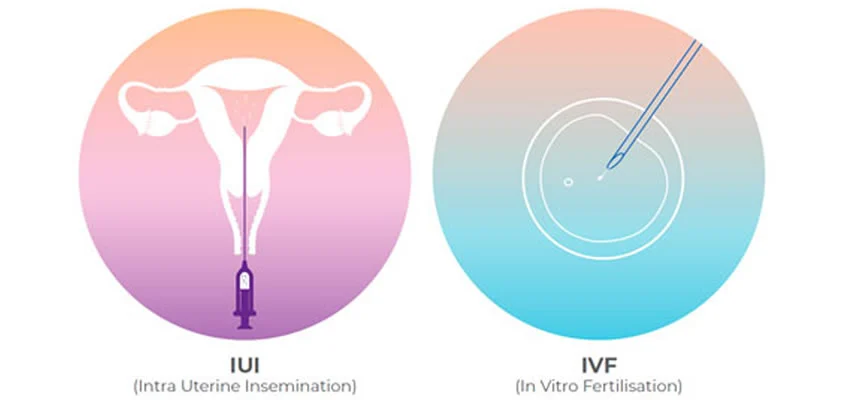
    comparison of IUI and IVF procedures illustrated with simple graphics and labels

    Understanding the Process: Egg Retrieval vs Egg Sharing

    Egg Sharing

    Egg sharing, also known as egg donation, is a process in which a woman donates her eggs to another individual or couple who are unable to produce viable eggs on their own. This is a voluntary and altruistic act, and egg donors are compensated for their time and effort. The process of egg sharing is similar to egg retrieval, with the main difference being that the donated eggs are not used for the donor’s own IVF treatment. Instead, they are given to another individual or couple for their use.

    The first step in egg sharing is screening the donor to ensure she is a suitable candidate. This involves a thorough medical and psychological evaluation, as well as genetic testing to rule out any potential hereditary diseases. Once the donor is cleared, the procedure for egg retrieval is the same as described above.

    Risks and Benefits of Egg Sharing

    Egg sharing carries similar risks to egg retrieval, as the procedure is essentially the same. However, there may be additional emotional risks for the donor, as they are giving up their eggs and may experience feelings of loss or regret. It’s important for donors to fully understand the emotional implications of egg sharing and to have a support system in place.

    The main benefit of egg sharing is the fulfillment of helping another individual or couple start a family. For some donors, this act of generosity can be incredibly rewarding and fulfilling. Additionally, egg sharing can also provide financial compensation to help offset the costs of fertility treatments for the donor.

    Which Option is Right for You?

    Choosing between egg retrieval and egg sharing ultimately depends on your individual circumstances and desires. If you are looking to start a family using your own eggs, then egg retrieval may be the best option for you. However, if you are unable to produce viable eggs, or if you are looking to help another individual or couple become parents, then egg sharing may be the right choice. It’s important to carefully consider the risks and benefits of each option and to consult with a fertility specialist to determine the best course of action for your specific situation.

    In summary, egg retrieval and egg sharing are two different processes that offer unique paths to parenthood. Egg retrieval is the process of collecting eggs for IVF, while egg sharing involves donating eggs to another individual or couple for their use. Both options have their own set of risks and benefits, and it’s important to thoroughly understand them before making a decision. By educating yourself on these processes, you can make an informed decision and take the first step towards building your family.

  • Empowering Yourself: Taking Control of Your Fertility Journey with Male and Female Infertility Treatments

    Summary:

    The journey to starting a family can be a challenging and emotional one, especially when faced with fertility issues. While many people assume that infertility is solely a female issue, the truth is that both men and women can experience difficulties with conceiving. In this blog post, we will explore the topic of fertility and discuss how both male and female infertility can be addressed through various treatments, ultimately empowering individuals to take control of their fertility journey.

    Firstly, it is important to understand the common causes of male and female infertility. For women, factors such as hormonal imbalances, ovulation disorders, and structural issues with the reproductive system can contribute to difficulty in conceiving. On the other hand, male infertility can be caused by conditions such as low sperm count, poor sperm quality, and issues with sperm delivery. It is crucial for both partners to undergo fertility testing to determine the root cause of their infertility and to guide their treatment options.

    For couples struggling with infertility, it is essential to seek the help of a fertility specialist. These experts can provide a personalized treatment plan based on each individual’s needs. For women, fertility treatments may include medications to regulate ovulation, intrauterine insemination (IUI), or in vitro fertilization (IVF). These treatments can help improve the chances of conception by addressing underlying fertility issues.

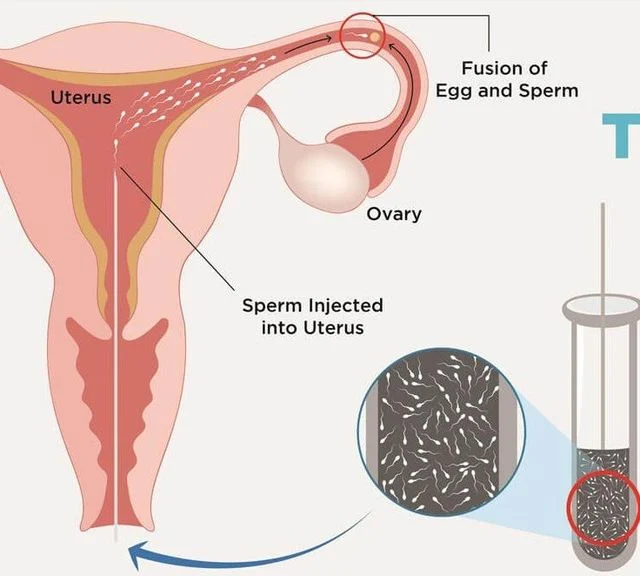
    Diagram illustrating the IUI process, showing sperm injection into the uterus and egg fertilization.

    Empowering Yourself: Taking Control of Your Fertility Journey with Male and Female Infertility Treatments

    When it comes to male infertility, there are also various treatment options available. For those with low sperm count, medications such as Clomid can help increase sperm production. In cases of poor sperm quality, intrauterine insemination with donor sperm or IVF with intracytoplasmic sperm injection (ICSI) may be recommended. These treatments can significantly improve the chances of fertilization and pregnancy.

    In addition to medical treatments, there are also lifestyle changes that can be made to improve fertility. Both men and women should maintain a healthy diet, exercise regularly, and avoid smoking and excessive alcohol consumption. For women, reducing stress levels can also have a positive impact on fertility. Acupuncture, yoga, and meditation are all proven methods for reducing stress and promoting overall well-being.

    It is also important for couples to support each other throughout the fertility journey. Infertility can take a toll on a relationship, and it is crucial to communicate openly and seek counseling if needed. Support groups can also be beneficial for connecting with others going through a similar experience and providing a sense of community and understanding.

    Finally, it is essential to remember that fertility treatments may not always result in a successful pregnancy. It is crucial to manage expectations and be prepared for all possible outcomes. While this can be challenging, it is important to stay positive and focus on the steps being taken to achieve pregnancy.

    In conclusion, fertility issues can be a difficult and emotional experience for couples trying to start a family. However, by understanding the causes of infertility, seeking the help of a fertility specialist, making lifestyle changes, and supporting each other, individuals can take control of their fertility journey and increase their chances of conceiving. Remember to stay positive and never lose hope.

  • The Importance of Mental Health Support During Male and Female Infertility Treatments

    Infertility can be a difficult and emotional journey for both men and women. It is a term that refers to the inability to conceive after one year of trying, or the inability to carry a pregnancy to term. According to the World Health Organization, approximately 1 in 6 couples worldwide experience some form of infertility. While infertility treatments can be physically and emotionally taxing for both men and women, it is important to specifically address the mental health support needed during this time, as it can greatly impact the overall well-being of individuals and their relationships.

    For many couples, the journey of trying to conceive can be long and stressful. The constant disappointment of negative pregnancy tests, the financial burden of treatments, and the pressure from friends and family can take a toll on one’s mental health. This is where mental health support becomes crucial. It is important for both men and women to have a strong support system in place, whether it be from their partner, family, friends, or a professional therapist.

    One of the most common emotions experienced during infertility is grief. Grief over the loss of the dream of having a biological child, grief over the loss of control, and grief over the changes in one’s relationship. This grief can lead to feelings of depression, anxiety, and isolation. It is important for individuals to acknowledge and process these emotions in a healthy way. Seeking therapy can provide a safe and supportive space to talk about these feelings and learn coping mechanisms to navigate through them.

    In addition to grief, infertility can also cause a strain on relationships. The pressure to conceive can lead to feelings of resentment, blame, and guilt between partners. It is crucial for couples to communicate openly and honestly with each other, and seek counseling if needed. A therapist can help couples to work through their emotions, improve communication, and strengthen their relationship during this challenging time.

    Infertility treatments can also take a toll on an individual’s self-esteem and body image. The use of fertility drugs and procedures can cause physical changes, and constant monitoring can make individuals feel like their body is not their own. This can lead to feelings of inadequacy, shame, and guilt. Mental health support can help individuals to cope with these feelings and maintain a positive self-image.

    Comparison of IVF and IUI procedures with illustrations of each method.

    The Importance of Mental Health Support During Male and Female Infertility Treatments

    It is also important to address the gender-specific mental health needs during infertility treatments. For men, the focus is often on their partner’s fertility and they may feel sidelined or powerless in the process. This can cause feelings of inadequacy, guilt, and pressure to perform. It is crucial for men to have a safe space to process these emotions and receive support.

    On the other hand, women may feel a greater emotional burden as they are the ones undergoing the physical procedures and treatments. The constant monitoring and invasive procedures can be overwhelming and may lead to feelings of anxiety and fear. Women also face societal pressure and expectations to conceive, which can add to the emotional burden. Mental health support can provide a space for women to express their fears and concerns, and learn coping mechanisms to manage the stress and anxiety.

    In addition to individual and couples therapy, support groups can also be beneficial for those going through infertility treatments. These groups provide a sense of community and understanding, as individuals share their experiences, struggles, and successes. It can also be a source of hope and inspiration for those going through a difficult time.

    Mental health support is not only important during the treatment process but also after. The emotional impact of unsuccessful treatments or miscarriages can be devastating. It is important for individuals to have ongoing support to navigate through these difficult emotions and heal.

    In conclusion, the importance of mental health support during male and female infertility treatments cannot be overstated. It is a challenging journey that can take a toll on one’s mental health and relationships. Seeking therapy, communicating openly with partners, and joining support groups can provide the necessary support and coping mechanisms to navigate through this difficult time. Taking care of one’s mental health is just as important as taking care of physical health during infertility treatments.

    SEO Metadata:

  • Holistic Approaches to Male and Female Infertility Treatments

    Blog Post: Holistic Approaches to Male and Female Infertility Treatments

    Infertility is a common struggle that affects many couples around the world. It is defined as the inability to conceive after one year of trying for couples under the age of 35, and after six months for those over 35. While there are many medical treatments available for infertility, some couples are turning to holistic approaches for a more natural and holistic approach to treating their infertility. In this blog post, we will explore the concept of holistic approaches to male and female infertility treatments, and how they can help couples achieve their dream of starting a family.

    Holistic medicine is a form of healing that considers the whole person – body, mind, and spirit – in the quest for optimal health and wellness. When it comes to infertility, holistic approaches focus on addressing the underlying causes of infertility rather than just treating the symptoms. This means looking at the physical, emotional, and environmental factors that may be affecting a person’s ability to conceive.

    One of the main reasons people turn to holistic approaches for infertility is because it offers a more natural and non-invasive alternative to traditional medical treatments. Many medical treatments for infertility involve invasive procedures and medications, which can have side effects and be emotionally taxing for couples. Holistic approaches, on the other hand, use natural methods such as diet, lifestyle changes, and herbal supplements to address the root cause of infertility.

    Diet and nutrition play a crucial role in holistic approaches to treating infertility. Certain foods and nutrients can help promote fertility, while others can hinder it. For example, a diet high in processed foods, saturated fats, and sugar can contribute to hormonal imbalances and inflammation, which can lead to infertility. On the other hand, a diet rich in whole foods, healthy fats, and antioxidants can help regulate hormones and improve overall reproductive health. Holistic practitioners may also recommend specific supplements, such as folic acid, omega-3 fatty acids, and vitamin D, to support fertility.

    Illustration of intrauterine insemination (IUI) procedure with syringe and catheter in the uterus.

    Holistic Approaches to Male and Female Infertility Treatments

    Stress can also have a significant impact on fertility. When we are stressed, our bodies release the hormone cortisol, which can disrupt the delicate balance of reproductive hormones. Holistic approaches to infertility often include stress management techniques, such as yoga, meditation, and acupuncture, to help reduce stress levels and promote relaxation. These techniques not only improve overall well-being but also create a more conducive environment for conception.

    In addition to physical factors, emotional and psychological factors can also contribute to infertility. Many couples struggling with infertility experience feelings of shame, guilt, and anxiety, which can further exacerbate the problem. Holistic practitioners often use techniques such as counseling, hypnotherapy, and mind-body practices to help couples address these emotional barriers and improve their chances of conceiving.

    Another aspect of holistic infertility treatment is addressing environmental factors that may be affecting fertility. Exposure to toxins and chemicals in our environment, such as pesticides, plastics, and heavy metals, can disrupt hormonal balance and decrease fertility. Holistic practitioners may recommend lifestyle changes, such as switching to organic foods, using natural household and personal care products, and avoiding exposure to harmful chemicals, to help improve fertility.

    Holistic approaches to infertility also recognize the importance of treating both partners in a couple. While traditional medical treatments often focus solely on the woman’s reproductive health, holistic practitioners understand that male infertility is just as common and can significantly impact a couple’s chances of conceiving. Therefore, holistic treatment plans may include strategies to improve male fertility, such as optimizing diet and lifestyle, reducing stress, and addressing any underlying health conditions.

    In summary, holistic approaches to male and female infertility treatments offer a more natural, non-invasive, and comprehensive approach to addressing the root causes of infertility. By focusing on diet, nutrition, stress management, emotional well-being, and environmental factors, these treatments aim to promote overall reproductive health and support the body’s natural ability to conceive. While they may not be suitable for every couple, holistic approaches can be a viable option for those looking for a more holistic and personalized approach to treating their infertility.

    In conclusion, infertility can be a challenging and emotional journey for many couples. While traditional medical treatments may be necessary for some, holistic approaches to male and female infertility treatments offer a more natural and holistic approach that can improve overall well-being and increase the chances of conception. By addressing the body, mind, and spirit, these treatments offer a comprehensive approach to treating infertility and helping couples achieve their dream of starting a family.

  • The Role of Age in Male and Female Infertility Treatments

    Blog Post:

    When it comes to fertility treatments, age plays a significant role in both men and women. While there has been a focus on women’s age and its impact on fertility, the age of men also plays a crucial role in their ability to conceive. In this blog post, we will explore the role of age in male and female infertility treatments, the reasons behind it, and the available options for those struggling with infertility.

    The Impact of Age on Female Fertility:

    Age is a major factor in female infertility as women are born with a limited number of eggs, which decreases with age. As women age, their eggs also age, leading to a decline in both quantity and quality. This decline begins to accelerate after the age of 35 and can significantly impact a woman’s ability to conceive. Women in their 20s have a 20-25% chance of getting pregnant each month, while women in their 30s have a 15% chance, and women in their 40s have only a 5% chance.

    Another factor that affects female fertility with age is the health of the uterus. As women age, the uterus may become less receptive to implantation, which can lead to difficulties in getting pregnant. This is due to changes in the quality and quantity of the uterine lining and can also affect the success rates of fertility treatments.

    The Impact of Age on Male Fertility:

    While the focus has primarily been on women’s age, the age of men also plays a crucial role in fertility. Men produce sperm throughout their lives, but as they age, the quality and quantity of sperm can decline. This decline can lead to difficulties in conception and a higher risk of genetic abnormalities in the offspring.

    Research has shown that men over the age of 40 have a higher risk of producing sperm with genetic abnormalities, which can result in miscarriages or birth defects. Additionally, as men age, their sperm count decreases, making it more challenging to achieve pregnancy.

    Infertility Treatments for Women:

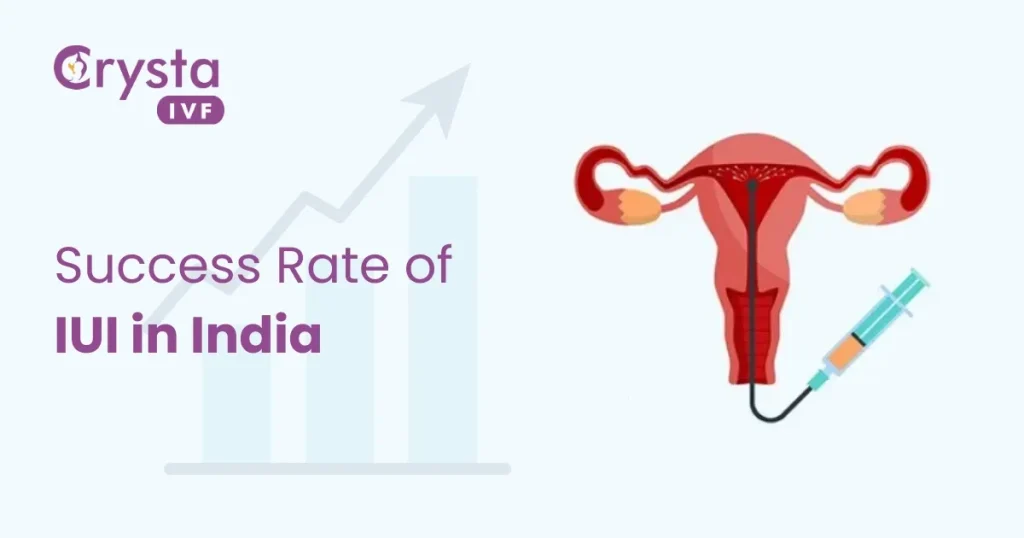
    success rate of IUI in India with a graphic of a uterus and syringe alongside a rising graph

    The Role of Age in Male and Female Infertility Treatments

    For women struggling with infertility due to age, there are several treatment options available. The most common and effective treatment is in-vitro fertilization (IVF). IVF involves retrieving eggs from the ovaries, fertilizing them with sperm in a laboratory, and then transferring the embryo into the uterus. IVF has a higher success rate for women under the age of 35, with success rates declining as women age.

    Another option for women is egg freezing, which involves retrieving and freezing eggs at a younger age for future use. This allows women to preserve their fertility and use their younger, healthier eggs when they are ready to start a family.

    Infertility Treatments for Men:

    For men struggling with infertility due to age, there are also several treatment options available. One option is intrauterine insemination (IUI), which involves inserting washed and concentrated sperm directly into the uterus. This method is used for men with low sperm count or motility.

    Another option is intracytoplasmic sperm injection (ICSI), which involves injecting a single sperm directly into the egg to achieve fertilization. This method is often used for men with low sperm count or poor sperm quality.

    Lifestyle Factors:

    Aside from age, there are also lifestyle factors that can contribute to infertility in both men and women. These include smoking, excessive alcohol consumption, and obesity. These factors can affect hormone levels, sperm count, and egg quality, making it more difficult to conceive. It is essential for both men and women to maintain a healthy lifestyle to improve their chances of conceiving.

    In conclusion, age plays a significant role in both male and female fertility. As women age, their egg quantity and quality decline, while men may experience a decrease in sperm count and quality. This decline in fertility can make it more challenging to conceive naturally and also affect the success rates of fertility treatments. However, with advancements in technology and various treatment options available, many couples struggling with infertility can still achieve their dream of starting a family.

    Summary:

    Age is a crucial factor in both male and female fertility. As women age, their egg quantity and quality decline, while men may experience a decrease in sperm count and quality. This decline can make it more challenging to conceive and affect the success rates of fertility treatments. However, various treatment options such as IVF, egg freezing, IUI, and ICSI are available to help couples struggling with infertility. It is also essential for both men and women to maintain a healthy lifestyle to improve their chances of conceiving.

  • The Role of Nutrition in Male and Female Infertility Treatments

    Blog Post: The Role of Nutrition in Male and Female Infertility Treatments

    Infertility is a condition that affects millions of couples worldwide, with approximately 15% of couples struggling to conceive. While there are many factors that can contribute to infertility, nutrition is often overlooked as a key player in both male and female fertility. In this blog post, we will explore the role of nutrition in male and female infertility treatments and how a healthy diet can improve the chances of conception.

    Male Infertility and Nutrition

    Male infertility accounts for nearly 40% of all infertility cases, making it a significant factor to consider when trying to conceive. One of the main causes of male infertility is a low sperm count or poor sperm quality, both of which can be influenced by diet. Studies have shown that men who consume a diet high in processed foods, trans fats, and saturated fats have lower sperm counts and decreased sperm motility.

    On the other hand, a diet rich in antioxidants, vitamins, and minerals has been linked to improved sperm quality. Antioxidants such as vitamin C, vitamin E, and zinc can help protect sperm cells from damage and improve their overall function. Foods that are high in these nutrients include fruits, vegetables, nuts, and seeds. Additionally, omega-3 fatty acids found in fish, flaxseeds, and chia seeds have also been shown to increase sperm count and motility.

    A healthy diet is not only essential for sperm production and quality, but it also plays a role in hormonal balance. Hormonal imbalances, such as elevated levels of estrogen or testosterone, can also contribute to male infertility. Consuming a nutrient-dense diet can help regulate hormone levels and improve overall fertility.

    Female Infertility and Nutrition

    In women, nutrition can impact fertility in various ways. For example, being overweight or underweight can affect hormone levels and ovulation, making it difficult to conceive. A balanced and healthy diet is crucial for maintaining a healthy weight and supporting the reproductive system.

    Furthermore, specific nutrients have been linked to improved fertility in women. Folic acid, for instance, is essential for the development of a healthy embryo and can help prevent birth defects. It is recommended that women who are trying to conceive take a folic acid supplement or consume foods rich in this nutrient, such as leafy greens and legumes.

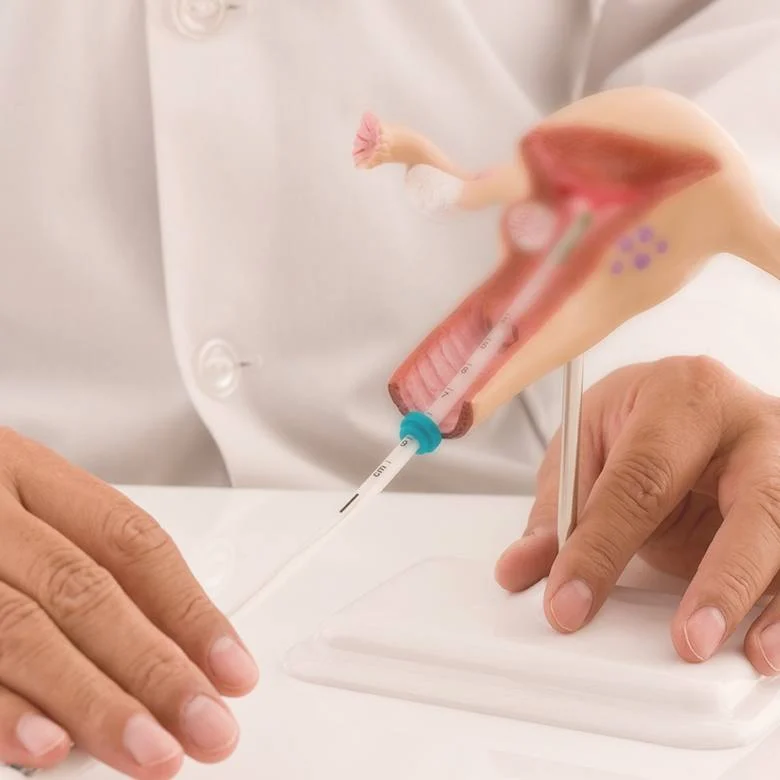
    model of the female reproductive system with a hand demonstrating intrauterine insemination technique

    The Role of Nutrition in Male and Female Infertility Treatments

    Iron is another critical nutrient for female fertility, as it plays a role in egg production and implantation. A deficiency in iron can lead to anovulation (lack of ovulation) and increase the risk of miscarriage. Foods like red meat, leafy greens, and fortified cereals are excellent sources of iron.

    Additionally, a diet rich in whole grains, lean proteins, and healthy fats can help regulate insulin levels, which is crucial for women with polycystic ovary syndrome (PCOS). PCOS is a common cause of female infertility, and by managing insulin levels through diet, women with this condition may improve their chances of conceiving.

    The Impact of Lifestyle Factors

    Aside from diet, other lifestyle factors can also have a significant impact on fertility. For instance, smoking, excessive alcohol consumption, and drug use have all been linked to decreased fertility in both men and women. These lifestyle choices can also affect hormone levels, sperm and egg quality, and overall reproductive health.

    Moreover, stress can play a role in fertility. Chronic stress can disrupt the normal functioning of the reproductive system and affect the release of hormones necessary for ovulation and sperm production. Incorporating stress-management techniques such as yoga, meditation, or counseling can help reduce stress levels and improve fertility.

    The Importance of a Balanced Diet

    It’s important to note that simply adding a few nutrient-dense foods to your diet won’t guarantee pregnancy. A balanced and varied diet is crucial for overall health and fertility. Make sure to include a variety of fruits, vegetables, whole grains, lean proteins, and healthy fats in your meals. Avoid processed foods, trans fats, and excessive amounts of sugar and caffeine, which can all have a negative impact on fertility.

    In addition to a healthy diet, regular exercise is also essential for fertility. It can help maintain a healthy weight, improve circulation, and reduce stress levels. However, it’s essential to strike a balance, as over-exercising can also have a negative impact on fertility.

    Summary:

    In conclusion, the role of nutrition in male and female infertility treatments cannot be overstated. A healthy and balanced diet, along with other lifestyle changes, can significantly improve fertility and increase the chances of conception. Consuming a variety of nutrient-dense foods, managing stress levels, and avoiding harmful substances can all contribute to a healthy reproductive system. If you and your partner are struggling with infertility, consider consulting with a nutritionist to develop a personalized fertility-boosting diet plan.

  • The Road to Parenthood: A Comparison of Male and Female Infertility Treatments

    Title: The Road to Parenthood: A Comparison of Male and Female Infertility Treatments

    Parenthood is a dream that many couples share, but for some, the journey to achieve it can be a long and difficult road. Infertility affects both men and women, and it can be caused by a variety of factors. However, the good news is that with advancements in medical technology, there are now various treatments available to help couples overcome infertility and start a family. In this blog post, we will explore the different treatments for male and female infertility, their success rates, and the pros and cons of each option.

    Male Infertility Treatments:

    When it comes to male infertility, the most common treatment is intrauterine insemination (IUI). This technique involves collecting sperm from the male partner and placing it directly into the uterus of the female partner during ovulation. This procedure is relatively simple and can be done at a doctor’s office. However, the success rates of IUI are around 10-20% per cycle, and it may take several attempts to achieve pregnancy.

    Another option for male infertility is in vitro fertilization (IVF). This technique involves collecting sperm and eggs separately, fertilizing them in a laboratory, and then transferring the resulting embryo into the female partner’s uterus. IVF has a higher success rate compared to IUI, at around 40%, but it is a more invasive and expensive procedure. It also comes with a higher risk of multiple pregnancies.

    In some cases, male infertility may be caused by a blockage in the tubes that carry sperm, known as the vas deferens. In such cases, a surgical procedure called vasectomy reversal can be performed. This procedure aims to reconnect the vas deferens, allowing sperm to flow again. However, the success rates of vasectomy reversal vary, and it may not always result in pregnancy.

    Female Infertility Treatments:

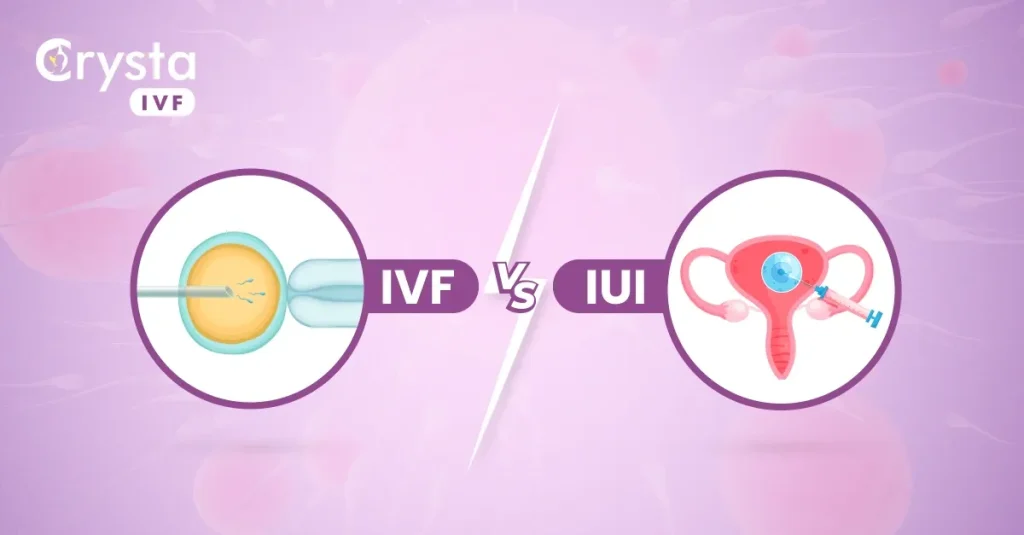
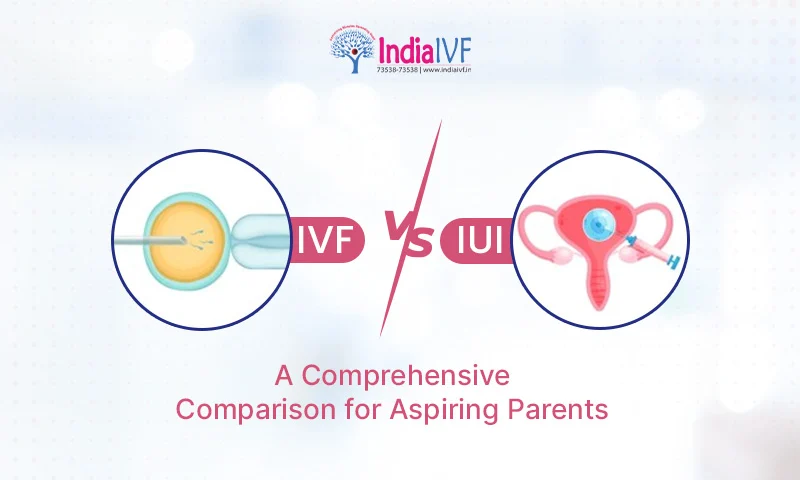
    IVF vs IUI comparison graphic highlighting reproductive methods for aspiring parents.

    The Road to Parenthood: A Comparison of Male and Female Infertility Treatments

    For female infertility, one of the most common treatments is ovulation induction. This involves the use of medication to stimulate the ovaries to produce eggs. The eggs are then collected and fertilized with sperm in a laboratory, and the resulting embryo is transferred into the uterus. Ovulation induction has a success rate of around 20%, but it may increase to 50% when combined with IUI.

    If ovulation induction is not successful, the next step is usually IVF. As mentioned earlier, this technique involves fertilizing the eggs and sperm in a laboratory and transferring the resulting embryo into the uterus. IVF is a more complex procedure for women, as it involves hormone injections, egg retrieval, and embryo transfer. However, it has a higher success rate compared to other treatments for female infertility, at around 40%.

    In cases where a woman’s fallopian tubes are blocked or damaged, a surgical procedure called tubal ligation reversal may be an option. This procedure aims to reconnect the fallopian tubes, allowing eggs to travel from the ovaries to the uterus. However, the success rates of tubal ligation reversal vary, and it may not always result in pregnancy.

    The Emotional Impact of Infertility Treatments:

    The road to parenthood can be emotionally challenging for couples struggling with infertility. The stress and pressure of trying to conceive can take a toll on a couple’s relationship and mental health. This is why it is essential for couples to have a support system and seek counseling if needed.

    In addition to the emotional burden, infertility treatments can also take a financial toll on couples. Depending on the treatment, the cost can range from a few hundred to tens of thousands of dollars. This is why it is crucial to consider all options and their success rates before deciding on a treatment.

    In conclusion, the road to parenthood can be a different journey for men and women, as the causes of infertility and treatments vary. While some treatments may have higher success rates, they may also come with a higher cost and more invasive procedures. The most important thing is for couples to have open communication, support, and to work with a trusted medical professional to find the best treatment option for them.

    SEO metadata: