Blog Post: The Role of Nutrition in Male and Female Infertility Treatments
Infertility is a condition that affects millions of couples worldwide, with approximately 15% of couples struggling to conceive. While there are many factors that can contribute to infertility, nutrition is often overlooked as a key player in both male and female fertility. In this blog post, we will explore the role of nutrition in male and female infertility treatments and how a healthy diet can improve the chances of conception.
Male Infertility and Nutrition
Male infertility accounts for nearly 40% of all infertility cases, making it a significant factor to consider when trying to conceive. One of the main causes of male infertility is a low sperm count or poor sperm quality, both of which can be influenced by diet. Studies have shown that men who consume a diet high in processed foods, trans fats, and saturated fats have lower sperm counts and decreased sperm motility.
On the other hand, a diet rich in antioxidants, vitamins, and minerals has been linked to improved sperm quality. Antioxidants such as vitamin C, vitamin E, and zinc can help protect sperm cells from damage and improve their overall function. Foods that are high in these nutrients include fruits, vegetables, nuts, and seeds. Additionally, omega-3 fatty acids found in fish, flaxseeds, and chia seeds have also been shown to increase sperm count and motility.
A healthy diet is not only essential for sperm production and quality, but it also plays a role in hormonal balance. Hormonal imbalances, such as elevated levels of estrogen or testosterone, can also contribute to male infertility. Consuming a nutrient-dense diet can help regulate hormone levels and improve overall fertility.
Female Infertility and Nutrition
In women, nutrition can impact fertility in various ways. For example, being overweight or underweight can affect hormone levels and ovulation, making it difficult to conceive. A balanced and healthy diet is crucial for maintaining a healthy weight and supporting the reproductive system.
Furthermore, specific nutrients have been linked to improved fertility in women. Folic acid, for instance, is essential for the development of a healthy embryo and can help prevent birth defects. It is recommended that women who are trying to conceive take a folic acid supplement or consume foods rich in this nutrient, such as leafy greens and legumes.
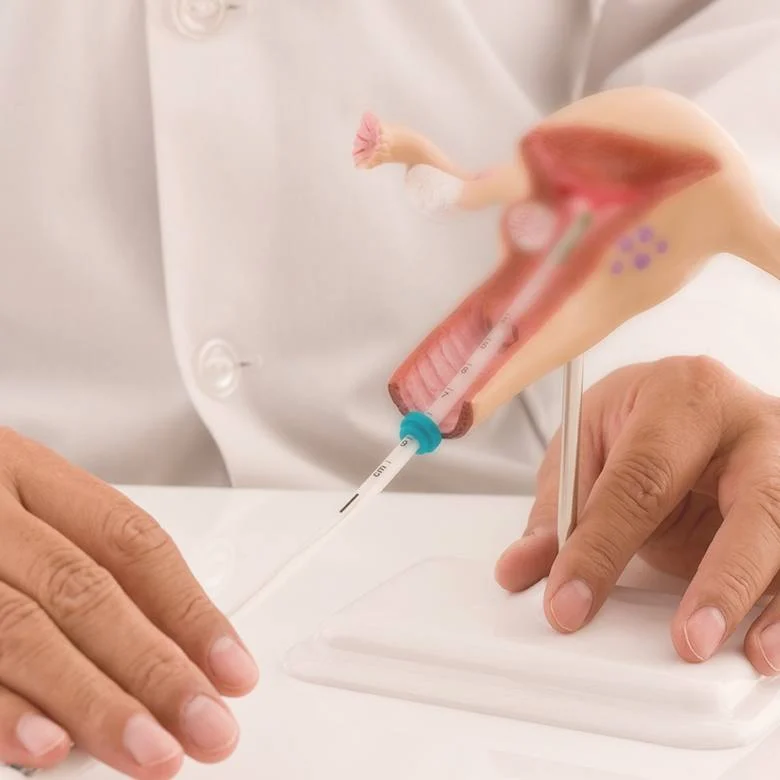
The Role of Nutrition in Male and Female Infertility Treatments
Iron is another critical nutrient for female fertility, as it plays a role in egg production and implantation. A deficiency in iron can lead to anovulation (lack of ovulation) and increase the risk of miscarriage. Foods like red meat, leafy greens, and fortified cereals are excellent sources of iron.
Additionally, a diet rich in whole grains, lean proteins, and healthy fats can help regulate insulin levels, which is crucial for women with polycystic ovary syndrome (PCOS). PCOS is a common cause of female infertility, and by managing insulin levels through diet, women with this condition may improve their chances of conceiving.
The Impact of Lifestyle Factors
Aside from diet, other lifestyle factors can also have a significant impact on fertility. For instance, smoking, excessive alcohol consumption, and drug use have all been linked to decreased fertility in both men and women. These lifestyle choices can also affect hormone levels, sperm and egg quality, and overall reproductive health.
Moreover, stress can play a role in fertility. Chronic stress can disrupt the normal functioning of the reproductive system and affect the release of hormones necessary for ovulation and sperm production. Incorporating stress-management techniques such as yoga, meditation, or counseling can help reduce stress levels and improve fertility.
The Importance of a Balanced Diet
It’s important to note that simply adding a few nutrient-dense foods to your diet won’t guarantee pregnancy. A balanced and varied diet is crucial for overall health and fertility. Make sure to include a variety of fruits, vegetables, whole grains, lean proteins, and healthy fats in your meals. Avoid processed foods, trans fats, and excessive amounts of sugar and caffeine, which can all have a negative impact on fertility.
In addition to a healthy diet, regular exercise is also essential for fertility. It can help maintain a healthy weight, improve circulation, and reduce stress levels. However, it’s essential to strike a balance, as over-exercising can also have a negative impact on fertility.
Summary:
In conclusion, the role of nutrition in male and female infertility treatments cannot be overstated. A healthy and balanced diet, along with other lifestyle changes, can significantly improve fertility and increase the chances of conception. Consuming a variety of nutrient-dense foods, managing stress levels, and avoiding harmful substances can all contribute to a healthy reproductive system. If you and your partner are struggling with infertility, consider consulting with a nutritionist to develop a personalized fertility-boosting diet plan.