Understanding the Process: Egg Retrieval vs Egg Sharing
The process of starting a family can be a complicated and emotional journey for many couples and individuals. For those who struggle with infertility or other fertility issues, the options for starting a family may seem limited. However, advancements in reproductive technology have opened up new possibilities, such as egg retrieval and egg sharing. These two processes offer different paths to parenthood, and it’s important to understand the differences between them in order to make an informed decision. In this blog post, we will dive into the details of egg retrieval and egg sharing, including the procedures, risks, and benefits, to help you better understand these options and determine which one may be the right choice for you.
Egg Retrieval
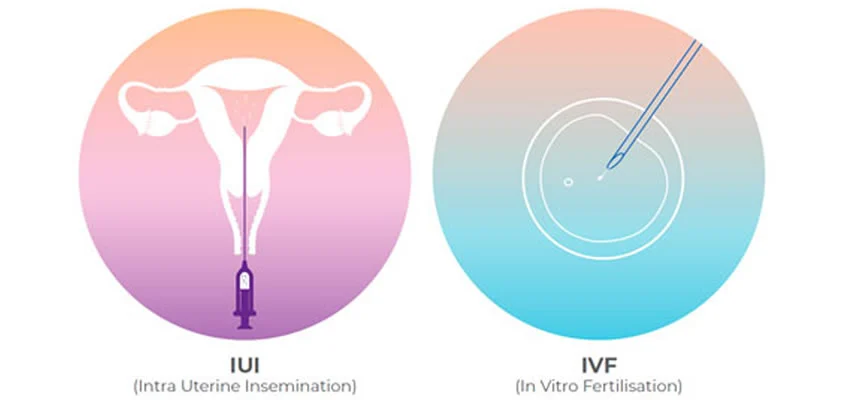
Egg retrieval, also known as oocyte retrieval, is a process in which eggs are collected from a woman’s ovaries and used for in vitro fertilization (IVF). This is typically the first step in the IVF process, which involves fertilizing the retrieved eggs with sperm in a laboratory, and then transferring the resulting embryos into the woman’s uterus. Egg retrieval is typically done under sedation and involves the use of a small needle to aspirate the eggs from the ovaries. The entire procedure takes about 20-30 minutes and is performed in an outpatient setting.
The first step in egg retrieval is ovarian stimulation, which involves taking fertility medications to stimulate the ovaries to produce multiple eggs. This is done to increase the chances of successfully retrieving viable eggs for fertilization. Throughout this process, the woman’s hormone levels are closely monitored through blood tests and ultrasounds. Once the eggs are mature, a trigger shot is given to induce ovulation and prepare the eggs for retrieval.
Risks and Benefits of Egg Retrieval
Like any medical procedure, egg retrieval carries some risks, including bleeding, infection, and damage to surrounding organs. However, these risks are rare and can be minimized by choosing a reputable and experienced fertility clinic. The most common side effects of egg retrieval are bloating and discomfort, which can be managed with over-the-counter pain medication.
One of the main benefits of egg retrieval is the potential for a higher success rate with IVF. By retrieving multiple eggs, there is a greater chance of fertilizing and implanting a viable embryo, increasing the chances of a successful pregnancy. Additionally, egg retrieval allows for the option of cryopreserving (freezing) any excess eggs for future use, providing more flexibility for family planning.
Understanding the Process: Egg Retrieval vs Egg Sharing
Egg Sharing
Egg sharing, also known as egg donation, is a process in which a woman donates her eggs to another individual or couple who are unable to produce viable eggs on their own. This is a voluntary and altruistic act, and egg donors are compensated for their time and effort. The process of egg sharing is similar to egg retrieval, with the main difference being that the donated eggs are not used for the donor’s own IVF treatment. Instead, they are given to another individual or couple for their use.
The first step in egg sharing is screening the donor to ensure she is a suitable candidate. This involves a thorough medical and psychological evaluation, as well as genetic testing to rule out any potential hereditary diseases. Once the donor is cleared, the procedure for egg retrieval is the same as described above.
Risks and Benefits of Egg Sharing
Egg sharing carries similar risks to egg retrieval, as the procedure is essentially the same. However, there may be additional emotional risks for the donor, as they are giving up their eggs and may experience feelings of loss or regret. It’s important for donors to fully understand the emotional implications of egg sharing and to have a support system in place.
The main benefit of egg sharing is the fulfillment of helping another individual or couple start a family. For some donors, this act of generosity can be incredibly rewarding and fulfilling. Additionally, egg sharing can also provide financial compensation to help offset the costs of fertility treatments for the donor.
Which Option is Right for You?
Choosing between egg retrieval and egg sharing ultimately depends on your individual circumstances and desires. If you are looking to start a family using your own eggs, then egg retrieval may be the best option for you. However, if you are unable to produce viable eggs, or if you are looking to help another individual or couple become parents, then egg sharing may be the right choice. It’s important to carefully consider the risks and benefits of each option and to consult with a fertility specialist to determine the best course of action for your specific situation.
In summary, egg retrieval and egg sharing are two different processes that offer unique paths to parenthood. Egg retrieval is the process of collecting eggs for IVF, while egg sharing involves donating eggs to another individual or couple for their use. Both options have their own set of risks and benefits, and it’s important to thoroughly understand them before making a decision. By educating yourself on these processes, you can make an informed decision and take the first step towards building your family.