Tag: Surrogacy

  • The Emotional Impact of Traditional and Gestational Surrogacy

    Traditional and gestational surrogacy are two methods of assisted reproduction that have been gaining more attention and acceptance in recent years. While they both involve a surrogate carrying a child for intended parents, they have significant differences in terms of the emotional impact they have on all parties involved. In this blog post, we will explore the emotional impact of traditional and gestational surrogacy and how they can affect the surrogates, intended parents, and the child.

    Traditional surrogacy, also known as genetic surrogacy, is a method where the surrogate is genetically related to the child she carries. This is because the surrogate’s own egg is used, either through artificial insemination or in vitro fertilization (IVF), with the intended father’s sperm or donor sperm. On the other hand, gestational surrogacy is a method where the surrogate has no genetic connection to the child she carries. In gestational surrogacy, the intended parents’ egg and sperm are used, or they may also opt for donor eggs or sperm.

    The emotional impact of traditional surrogacy can be complex and intense for all parties involved. For the surrogate, carrying a child that is genetically related to her can bring up a mix of emotions. Some may feel a strong sense of attachment and bonding with the child, while others may experience feelings of grief and loss when the child is born and given to the intended parents. There may also be concerns about the surrogate’s role in the child’s life after birth and how she will cope with the emotional aftermath of the surrogacy journey.

    For the intended parents, traditional surrogacy can also bring up a range of emotions. They may feel grateful and excited to have a child, but at the same time, they may also feel anxious and worried about the surrogate’s involvement in their child’s life. There may also be concerns about the legal rights of the surrogate and how the surrogacy process may affect their relationship with the child and the surrogate.

    The child born through traditional surrogacy may also face emotional challenges. They may have questions about their identity and may experience feelings of confusion and uncertainty about their relationship with the surrogate. There may also be concerns about the child’s emotional well-being and how they will navigate their relationship with both the surrogate and their intended parents.
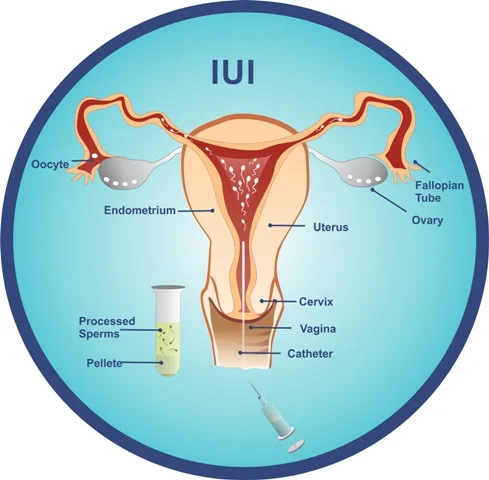
    diagram illustrating intrauterine insemination (IUI) with labeled reproductive anatomy and procedures

    The Emotional Impact of Traditional and Gestational Surrogacy

    On the other hand, gestational surrogacy may have a different emotional impact on all parties involved. For the surrogate, carrying a child that is not genetically related to her may lessen the sense of attachment and bonding she may feel towards the child. However, she may also experience feelings of guilt and sadness for not being genetically related to the child she carries. There may also be concerns about the emotional connection and bond she will have with the child after birth.

    For the intended parents, gestational surrogacy may bring a sense of relief and joy that they are finally able to have a child that is genetically related to them. However, they may also experience feelings of guilt and worry about not being able to carry the child themselves. There may also be concerns about the surrogate’s involvement in their child’s life and how to navigate their relationship with her.

    The child born through gestational surrogacy may also face unique emotional challenges. They may have questions about their genetic origins and may experience feelings of confusion and uncertainty about their relationship with the surrogate. There may also be concerns about the child’s emotional well-being and how they will navigate their relationship with both the surrogate and their intended parents.

    It is important to note that the emotional impact of traditional and gestational surrogacy may vary from person to person and may also be influenced by the specific circumstances of each surrogacy journey. However, it is crucial for all parties involved to be aware of and prepared for the potential emotional challenges that may arise.

    To help alleviate some of these emotional challenges, it is recommended for all parties involved to have open and honest communication throughout the surrogacy process. This can help to establish boundaries, expectations, and address any concerns or fears that may arise. It is also important for all parties to have access to emotional support, whether through counseling or support groups, to help them navigate the emotional complexities of surrogacy.

    In conclusion, traditional and gestational surrogacy may have different emotional impacts on all parties involved. While traditional surrogacy may bring up complex emotions due to the genetic connection between the surrogate and the child, gestational surrogacy may have its own set of emotional challenges. It is important for all parties involved to have a good understanding of these emotional impacts and to have support and resources available to help them navigate their surrogacy journey.

  • Traditional Surrogacy vs. Gestational Surrogacy: What You Need to Know

    Traditional Surrogacy vs. Gestational Surrogacy: What You Need to Know

    Surrogacy has become a popular option for couples and individuals who are unable to conceive a child on their own. With advancements in reproductive technology, more and more people are turning to surrogacy as a way to start or expand their families. However, there are two main types of surrogacy: traditional surrogacy and gestational surrogacy. While both options involve a woman carrying a pregnancy for someone else, there are significant differences between the two. In this blog post, we will explore the key differences between traditional surrogacy and gestational surrogacy, and what you need to know before deciding which option is right for you.

    Traditional Surrogacy

    Traditional surrogacy, also known as genetic or partial surrogacy, is the more traditional and less common form of surrogacy. In this type of surrogacy, the surrogate mother is also the biological mother of the child. This is because traditional surrogacy involves the use of the surrogate’s own egg, which is fertilized with the intended father’s sperm through artificial insemination. The surrogate then carries the pregnancy to term and gives birth to the child.

    One of the main advantages of traditional surrogacy is that it is generally less expensive compared to gestational surrogacy. This is because the surrogate does not need to undergo the costly and time-consuming process of in vitro fertilization (IVF). Additionally, traditional surrogacy may be a more accessible option for couples or individuals who are unable to produce viable eggs or sperm.

    However, there are also significant drawbacks to traditional surrogacy. The most significant issue is the emotional and legal complexities involved. Since the surrogate is also the biological mother of the child, there is a risk that she may change her mind and decide to keep the baby after birth. In this case, the intended parents would need to go through a lengthy and costly legal battle to gain custody of the child. This can create a stressful and emotionally draining situation for all parties involved.

    Gestational Surrogacy

    illustration of intrauterine insemination procedure with a hand holding a speculum and syringe near the uterus

    Traditional Surrogacy vs. Gestational Surrogacy: What You Need to Know

    Gestational surrogacy, also known as full surrogacy, is the more common and preferred form of surrogacy. In this type of surrogacy, the surrogate mother carries a pregnancy for the intended parents, but she is not genetically related to the child. Instead, the embryo is created through IVF using the egg and sperm of the intended parents or donors. The fertilized embryo is then transferred to the surrogate’s uterus, where she carries the pregnancy to term and gives birth to the child.

    One of the main advantages of gestational surrogacy is that it eliminates any genetic connection between the surrogate and the child. This can help alleviate any potential emotional and legal complications that may arise in traditional surrogacy. Additionally, gestational surrogacy allows for more control over the genetic makeup of the child, as the intended parents can choose an egg or sperm donor if needed.

    However, gestational surrogacy also comes with its own set of challenges. The most significant disadvantage is the higher cost associated with the IVF process. This includes the cost of screening donors, retrieving eggs, and fertilizing embryos. Additionally, the IVF process can be physically and emotionally taxing for the intended mother, as she may need to undergo hormone injections and multiple medical procedures.

    Which Option is Right for You?

    Deciding between traditional and gestational surrogacy ultimately depends on your specific circumstances and preferences. If cost is a significant concern and you are comfortable with the idea of the surrogate being the biological mother of the child, then traditional surrogacy may be a viable option for you. However, if you want to have a genetic connection with the child and are willing to invest more time and money into the process, then gestational surrogacy may be a better choice.

    It is crucial to carefully consider all aspects of surrogacy before making a decision. Consulting with a reputable surrogacy agency and seeking legal advice can help you navigate the process and make an informed decision.

    In summary, traditional surrogacy involves the surrogate being the biological mother of the child, while gestational surrogacy does not. Traditional surrogacy is less expensive but comes with emotional and legal complexities, while gestational surrogacy offers more control over the genetic makeup of the child but is more costly. It is essential to carefully consider all factors before deciding which option is right for you.

  • The Legalities of Traditional and Gestational Surrogacy

    Blog Post:

    Surrogacy is a method of assisted reproduction in which a woman carries a pregnancy and gives birth to a child for another individual or couple. There are two types of surrogacy: traditional surrogacy and gestational surrogacy. While both methods offer a path to parenthood for those unable to conceive on their own, there are important legal considerations to be aware of before pursuing either option.

    Traditional surrogacy is when a woman becomes pregnant through artificial insemination using the intended father’s sperm. In this case, the surrogate is also the biological mother of the child, as her own egg is used in the process. On the other hand, gestational surrogacy involves the use of in vitro fertilization (IVF) to implant an embryo created from the intended parents’ genetic material into the surrogate’s uterus. This means that the surrogate has no genetic relationship to the child she carries.

    The legalities surrounding traditional and gestational surrogacy vary greatly, depending on the country or state involved. In some places, surrogacy is completely prohibited, while in others, it is regulated and permitted with certain restrictions. Therefore, it is crucial to thoroughly understand the laws and regulations in your specific location before entering into a surrogacy arrangement.

    One of the main legal considerations in surrogacy is the issue of parental rights. In traditional surrogacy, the surrogate is the biological mother of the child and may have legal rights to the child, even if she is not the intended parent. This can lead to complicated custody battles and legal disputes if the surrogate decides to keep the child after birth. In contrast, in gestational surrogacy, the intended parents’ genetic material is used, making it easier to establish their parental rights.

    Comparison of IUI and IVF, illustrating procedures and definitions for each fertility treatment.

    The Legalities of Traditional and Gestational Surrogacy

    Another important aspect to consider is the legality of surrogacy contracts. In some places, surrogacy contracts are not enforceable, meaning that the surrogate may be able to change her mind and keep the child, even if a contract was signed. This can be devastating for intended parents who have already invested emotionally and financially in the process. On the other hand, in locations where surrogacy contracts are upheld, they can provide a legal framework for the rights and responsibilities of all parties involved.

    There are also ethical concerns surrounding surrogacy, particularly in traditional surrogacy where the surrogate is also the biological mother of the child. Critics argue that this creates a complicated and potentially damaging emotional bond between the surrogate and the child. There are also concerns about exploitation of the surrogate, especially in cases where she is from a lower socio-economic background and may be financially motivated to enter into a surrogacy arrangement.

    In addition to the legal and ethical considerations, there are also financial implications to consider when it comes to surrogacy. Traditional surrogacy is generally less expensive than gestational surrogacy, as it does not involve the use of IVF. However, it can still be a significant financial investment for intended parents, as they may be responsible for all medical expenses, legal fees, and compensation for the surrogate. Gestational surrogacy, on the other hand, can be much more costly due to the additional medical procedures involved.

    It is also important to note that surrogacy laws are constantly evolving and can vary greatly from state to state or country to country. In some places, surrogacy is not legally recognized at all, while in others, there may be specific requirements and restrictions in place. Therefore, it is crucial to seek the advice of an experienced attorney who is knowledgeable in surrogacy laws in your area.

    In summary, traditional and gestational surrogacy offer hopeful parents a path to parenthood, but there are important legal considerations to be aware of before pursuing either option. These include issues of parental rights, the enforceability of surrogacy contracts, ethical concerns, and financial implications. It is important to thoroughly research and understand the laws and regulations surrounding surrogacy in your location and seek the guidance of a qualified attorney before embarking on this journey.

  • Comparing Costs: Traditional Surrogacy vs. Gestational Surrogacy

    Blog Post Title: Comparing Costs: Traditional Surrogacy vs. Gestational Surrogacy

    Summary:

    The journey of parenthood can be a challenging one, especially for those who are unable to carry a child themselves. In such situations, surrogacy becomes an option for couples or individuals who wish to have a biological child. However, surrogacy can be a costly process, and it’s essential to understand the different types and their associated costs before making a decision. In this blog post, we will compare the costs of traditional surrogacy and gestational surrogacy, two popular methods of surrogacy.

    Traditional Surrogacy:

    Traditional surrogacy, also known as genetic surrogacy, is a process where the surrogate mother is biologically related to the child she carries. This is because her egg is used for fertilization, either through artificial insemination or in vitro fertilization (IVF). This process is generally less expensive than gestational surrogacy, as it involves fewer medical procedures.

    The costs associated with traditional surrogacy can vary greatly, depending on the agreement between the intended parents and the surrogate. In most cases, the intended parents are responsible for covering all medical expenses related to the pregnancy, including prenatal care, delivery, and postnatal care. They may also have to pay for the surrogate’s legal fees, compensation for her time and effort, and any other related expenses. On average, traditional surrogacy can cost anywhere from $60,000 to $120,000.

    Gestational Surrogacy:

    Gestational surrogacy, also known as host surrogacy, is a process where the surrogate mother has no genetic relationship with the child she carries. In this method, the intended parents’ sperm and egg are used for fertilization, and the embryo is then transferred to the surrogate’s uterus. This process involves more medical procedures, making it a more expensive option.

    The costs associated with gestational surrogacy can vary depending on several factors, including the chosen fertility clinic, the surrogate’s location, and the legal fees involved. On average, gestational surrogacy can cost between $100,000 to $150,000. This includes the surrogate’s compensation, medical expenses, legal fees, and agency fees.

    Comparison of IUI and IVF treatments with diagrams of reproductive anatomy.

    Comparing Costs: Traditional Surrogacy vs. Gestational Surrogacy

    Factors Affecting Surrogacy Costs:

    Apart from the type of surrogacy, there are other factors that can affect the overall cost of the process. These include:

    1. Location: The location of the surrogate can significantly impact the costs, as the surrogacy laws and regulations vary from state to state. Some states have more favorable surrogacy laws, making the process more affordable, while others have stricter regulations, leading to higher costs.

    2. Agency Fees: Many intended parents choose to work with surrogacy agencies to help them find a suitable surrogate. These agencies charge a fee for their services, which can range from $10,000 to $30,000.

    3. Legal Fees: Surrogacy involves a lot of legal procedures, including drafting contracts and obtaining parental rights. These legal fees can significantly add to the overall cost of the process.

    4. Medical Expenses: As mentioned earlier, traditional surrogacy involves fewer medical procedures, making it a more affordable option. On the other hand, gestational surrogacy involves various medical procedures, such as IVF, medical screenings, and prenatal care, which can significantly increase the costs.

    Which One is More Cost-Effective?

    When it comes to comparing the costs of traditional surrogacy and gestational surrogacy, it’s clear that traditional surrogacy is the more affordable option. However, it’s essential to consider the legal and emotional aspects of both methods before making a decision.

    Traditional surrogacy may be less costly, but it can also be more complex legally and emotionally. The surrogate mother may have a genetic connection to the child, which can lead to complicated legal issues and emotional attachments. On the other hand, gestational surrogacy may be more expensive, but it eliminates the potential legal and emotional complexities of traditional surrogacy.

    In conclusion, the costs of surrogacy can vary greatly depending on various factors. While traditional surrogacy may be more affordable, it’s crucial to weigh all the pros and cons before making a decision. Ultimately, the most important factor is finding a reputable and reliable surrogacy agency or fertility clinic to guide you through the process.

  • Breaking Down the Myths: Traditional vs. Gestational Surrogacy

    Breaking Down the Myths: Traditional vs. Gestational Surrogacy

    Surrogacy is a topic that has recently gained more attention due to its increasing popularity as an alternative means of family building. However, there are still many misconceptions and myths surrounding surrogacy, particularly when it comes to the two main types: traditional and gestational surrogacy. In this blog post, we will break down the myths and provide a clear understanding of the differences between these two types of surrogacy.

    Traditional Surrogacy: The Myths

    Traditional surrogacy involves the surrogate mother using her own egg to conceive the baby, making her the biological mother of the child. This method of surrogacy has been around for centuries and is still practiced in some cultures. However, there are many myths surrounding traditional surrogacy that can create confusion and misinterpretation.

    Myth #1: Traditional surrogacy is the same as adoption.

    This is a common misconception, as traditional surrogacy involves the surrogate mother carrying and giving birth to the child. Adoption, on the other hand, involves a legal process in which the adoptive parents become the legal parents of the child. In traditional surrogacy, the surrogate mother is the biological mother and the intended parents go through a legal process to establish their parental rights.

    Myth #2: Traditional surrogacy is the cheaper option.

    Many people assume that traditional surrogacy is cheaper because it does not involve the use of fertility treatments or medical procedures. However, traditional surrogacy can actually end up being more expensive in the long run due to legal fees and potential emotional complications. The intended parents may also have to cover medical expenses for the surrogate mother and the baby.

    Myth #3: The surrogate mother will have a strong bond with the baby.

    Some people believe that because the surrogate mother is biologically related to the baby, she will have a strong emotional attachment to the child. However, surrogates go through a thorough screening process and are aware of the emotional boundaries involved in surrogacy. They understand that the baby is not theirs and that their role is to carry and give birth to a child for someone else.

    illustration of an intrauterine insemination procedure with medical instruments and anatomical details

    Breaking Down the Myths: Traditional vs. Gestational Surrogacy

    Gestational Surrogacy: The Myths

    Gestational surrogacy, on the other hand, involves the use of a gestational carrier who has no genetic connection to the baby. The embryo is created using the intended parents’ egg and sperm or donor gametes, and then transferred to the gestational carrier’s uterus. Despite being a more common form of surrogacy, there are still many myths surrounding gestational surrogacy.

    Myth #1: Gestational surrogacy is only for wealthy couples.

    One of the biggest misconceptions about gestational surrogacy is that it is only accessible to wealthy couples. While it is true that surrogacy can be expensive, there are many financing options available, and some insurance plans may cover certain aspects of the process. Additionally, many surrogacy agencies offer payment plans and other forms of financial assistance.

    Myth #2: The gestational carrier will have a claim to the baby.

    There is a common fear among intended parents that the gestational carrier will have a legal claim to the baby. However, in gestational surrogacy, the gestational carrier has no genetic connection to the baby and therefore has no legal claim to the child. The intended parents go through a legal process to establish their parental rights before the birth of the baby.

    Myth #3: Gestational surrogacy is not safe.

    Some people believe that gestational surrogacy is not safe for the gestational carrier or the baby. However, surrogacy agencies have strict screening processes in place to ensure the health and safety of all parties involved. The gestational carrier also undergoes thorough medical examinations and receives proper care throughout the pregnancy to ensure a safe and healthy delivery.

    Summarizing the Blog Post

    In summary, traditional surrogacy involves the surrogate mother using her own egg to conceive the baby, while gestational surrogacy involves the use of a gestational carrier with no genetic connection to the baby. Despite their differences, both types of surrogacy can be a viable option for couples or individuals looking to start a family. It is important to understand the myths and misconceptions surrounding surrogacy in order to make an informed decision. Surrogacy agencies play a crucial role in the process, providing support, guidance, and legal assistance to ensure a smooth and successful journey for all parties involved.

  • The Evolution of Surrogacy: From Traditional to Gestational

    Blog post:

    Surrogacy, the practice of a woman carrying a child for someone else, has a long and complex history. In many cultures, surrogacy has been a way for infertile couples to have children and for families to expand. However, the concept of surrogacy has evolved over time, from traditional surrogacy where the surrogate is the biological mother of the child, to gestational surrogacy where the surrogate carries a child that is not biologically related to her. This evolution has been influenced by technological advancements, legal battles, and societal attitudes towards reproductive rights. In this blog post, we will explore the evolution of surrogacy, from its traditional roots to the modern practice of gestational surrogacy.

    Traditional Surrogacy:

    The earliest form of surrogacy can be traced back to ancient civilizations such as the Babylonians and the Egyptians, where women would act as surrogates for infertile couples. In these traditional surrogacy arrangements, the surrogate would be artificially inseminated with the sperm of the intended father, making her the biological mother of the child. This type of surrogacy was often used when the intended mother was unable to carry a child due to medical reasons.

    Traditional surrogacy continued to be practiced throughout history, but it was not until the late 1970s that it gained significant attention. In 1976, the first documented case of surrogacy in the United States took place, where a woman named Elizabeth Kane acted as a surrogate for her daughter, who was unable to carry a child. This case sparked a public debate about the ethical and moral implications of surrogacy, with many arguing that it went against traditional family values.

    Legal Battles:

    The legal landscape surrounding surrogacy has been a contentious issue since its inception. In the 1980s, the infamous “Baby M” case in the United States brought surrogacy to the forefront of public discourse. In this case, a surrogate mother, Mary Beth Whitehead, refused to give up the child she carried for a couple, claiming that the surrogacy contract was invalid. The court ruled in favor of the intended parents, but the case shed light on the lack of legal protection for surrogates and intended parents.

    Illustration of intrauterine insemination process, showing sperm collection and injection into the uterus.

    The Evolution of Surrogacy: From Traditional to Gestational

    Following the “Baby M” case, several states in the US banned surrogacy, and it was only in the late 1990s that surrogacy laws started to change. In 1997, the state of California passed the first surrogacy-friendly laws, making it a popular destination for surrogacy arrangements. This was followed by other states, such as Illinois and Nevada, passing laws to regulate and protect surrogacy agreements.

    The Birth of Gestational Surrogacy:

    The advent of in vitro fertilization (IVF) in the late 1970s revolutionized the field of reproductive medicine and paved the way for a new form of surrogacy – gestational surrogacy. Unlike traditional surrogacy, where the surrogate is genetically related to the child, gestational surrogacy involves the use of IVF to create an embryo with the intended parents’ genetic material, which is then transferred to the surrogate’s uterus. This type of surrogacy eliminates the biological connection between the surrogate and the child, giving the intended parents a greater sense of genetic ownership.

    Gestational surrogacy has become increasingly popular in recent years, especially with the rise of same-sex couples and single individuals seeking to start a family. It has also opened up surrogacy to a wider range of individuals, including those who are unable to carry a child due to medical reasons, such as cancer survivors or women with uterine abnormalities.

    Societal Attitudes:

    As with any controversial issue, societal attitudes towards surrogacy have been mixed. Traditional surrogacy, in particular, has faced criticism and opposition, with many arguing that it goes against the natural order of things and commodifies women’s bodies. However, as gestational surrogacy has become more prevalent, attitudes have started to shift. With the legal and medical advancements surrounding surrogacy, it is now seen as a viable option for couples and individuals struggling with infertility.

    Summary:

    Surrogacy has come a long way since its traditional roots, with technological advancements and legal battles shaping its evolution. From the controversial practice of traditional surrogacy to the more widely accepted gestational surrogacy, the concept of surrogacy has evolved to meet the changing needs and preferences of intended parents. Despite the ongoing debates and challenges, surrogacy remains a sought-after option for those looking to start a family.

  • Traditional Surrogacy vs. Gestational Surrogacy: Which is Right for You?

    Traditional Surrogacy vs. Gestational Surrogacy: Which is Right for You?

    Surrogacy has become a popular option for couples and individuals who are unable to conceive a child on their own. With advancements in technology and changing societal attitudes, surrogacy has become a viable and accessible option for many. However, there are different types of surrogacy, and it can be overwhelming to understand the differences and decide which one is right for you. In this blog post, we will discuss the two main types of surrogacy: traditional surrogacy and gestational surrogacy. We will explore the processes, pros and cons, and legal considerations for each, to help you make an informed decision on which one may be the best fit for your unique situation.

    Traditional Surrogacy

    Traditional surrogacy, also known as genetic surrogacy, is the more traditional method of surrogacy that has been practiced for centuries. In this type of surrogacy, the surrogate mother is inseminated with the intended father’s sperm, either through artificial insemination or natural intercourse. This means that the surrogate mother is also the biological mother of the child, as her eggs are used in the conception process.

    Pros of Traditional Surrogacy

    One of the main advantages of traditional surrogacy is the cost. Since there is no need for an egg donor, the expenses involved in traditional surrogacy are significantly lower than gestational surrogacy. This makes it a more affordable option for those who may be on a tight budget.

    Another benefit of traditional surrogacy is the emotional bond that can be formed between the surrogate mother and the child. As the surrogate mother is the biological mother of the child, she may feel more connected to the baby, which can result in a stronger emotional connection. This can be beneficial for both the surrogate mother and the intended parents, as they can have a more personal relationship throughout the surrogacy journey.

    Cons of Traditional Surrogacy

    One of the biggest concerns with traditional surrogacy is the legal implications. Since the surrogate mother is also the biological mother of the child, there can be legal complications regarding custody and parental rights. In some cases, the surrogate mother may decide to keep the child after birth, which can lead to a lengthy legal battle for the intended parents.

    Another disadvantage of traditional surrogacy is the risk of passing on genetic diseases or health issues from the surrogate mother to the child. As the surrogate mother’s eggs are used in the conception process, there is a higher chance for any genetic conditions or health concerns to be passed on to the child. This can be a significant concern for intended parents who want to ensure the health of their child.

    Gestational Surrogacy

    Illustration of IUI procedure with uterus and syringe against a DNA background.

    Traditional Surrogacy vs. Gestational Surrogacy: Which is Right for You?

    Gestational surrogacy, also known as full surrogacy, is a more modern approach to surrogacy that has gained popularity in recent years. In this type of surrogacy, the surrogate mother carries the pregnancy, but the eggs and sperm used for conception come from the intended parents or donors. This means that the surrogate mother has no genetic ties to the child, making it a more straightforward and legally secure option.

    Pros of Gestational Surrogacy

    One of the most significant advantages of gestational surrogacy is the legal security it offers. Since the surrogate mother has no genetic connection to the child, there is no risk of any legal complications regarding custody or parental rights. This can provide peace of mind for intended parents, knowing that they will have full legal rights to their child.

    Another benefit of gestational surrogacy is the ability to select an egg donor. This can be beneficial for intended parents who may have fertility issues or want to have a child with specific genetic traits. Choosing an egg donor allows them to have a biological connection to their child, giving them a more personal connection to the surrogacy process.

    Cons of Gestational Surrogacy

    The main disadvantage of gestational surrogacy is the cost. Since an egg donor is required, the expenses involved in gestational surrogacy are significantly higher than traditional surrogacy. This can be a hurdle for some intended parents, as it may not be a financially viable option for them.

    Another potential downside of gestational surrogacy is the lack of a genetic connection between the surrogate mother and the child. This can mean that the surrogate mother may not feel as emotionally invested in the pregnancy as she would in traditional surrogacy. This can also make it more challenging to establish a personal relationship between the surrogate mother and intended parents.

    Which is Right for You?

    There is no one-size-fits-all answer to which type of surrogacy is right for you. It ultimately depends on your personal circumstances, preferences, and budget. Traditional surrogacy may be a better option for those on a tight budget and those who want a more personal connection with the surrogate mother. On the other hand, gestational surrogacy may be a more secure choice for those who want a legally sound process and the ability to select an egg donor.

    However, it is essential to consider the legal implications of each type of surrogacy and consult with medical and legal professionals before making a decision. It is also crucial to have open and honest communication with the surrogate mother and have a clear understanding of each other’s expectations and boundaries. With proper research and guidance, you can make an informed decision on which type of surrogacy is the best fit for your family.

    In summary, traditional surrogacy involves the surrogate mother being inseminated with the intended father’s sperm, making her the biological mother of the child. This type of surrogacy is more affordable and can result in a stronger emotional bond between the surrogate mother and the child. However, there may be legal complications and a higher risk of genetic health issues. On the other hand, gestational surrogacy involves the surrogate mother carrying the pregnancy, but the eggs and sperm used for conception come from the intended parents or donors. This option provides legal security and the ability to select an egg donor, but it can be more expensive and may not have the same emotional bond between the surrogate mother and the child. Ultimately, the decision between traditional or gestational surrogacy depends on your individual needs and circumstances.

  • A Comprehensive Guide to Traditional and Gestational Surrogacy

    Summary:

    Surrogacy is a method of assisted reproduction where a woman carries and gives birth to a child for another individual or couple. There are two types of surrogacy: traditional surrogacy and gestational surrogacy. In traditional surrogacy, the surrogate mother’s egg is fertilized with the intended father’s sperm or donor sperm, making her the biological mother of the child. In gestational surrogacy, the surrogate mother carries a fertilized embryo created through in vitro fertilization (IVF) using the intended parents’ or donors’ genetic material, making her the gestational carrier of the child.

    This comprehensive guide will provide information on both types of surrogacy, including the process, legal considerations, and emotional aspects involved. It will also discuss the differences between traditional and gestational surrogacy, the potential risks and benefits, and the cost associated with each option.

    Key differences between traditional and gestational surrogacy:

    The main difference between traditional and gestational surrogacy is the genetic relationship between the surrogate mother and the child. In traditional surrogacy, the surrogate mother is the biological mother of the child, and she carries the pregnancy with her own egg. In gestational surrogacy, the surrogate mother is not genetically related to the child, and she carries the pregnancy with an embryo created through IVF.

    Legal considerations:

    Surrogacy laws vary from state to state and country to country, so it is crucial to research and understand the legalities involved before pursuing surrogacy. In traditional surrogacy, the surrogate mother may have legal rights to the child due to her genetic relationship. In contrast, gestational surrogacy is typically considered more legally secure, as the surrogate mother has no genetic ties to the child.

    Process:

    Comparison of IUI and IVF with illustrations of each procedure.

    A Comprehensive Guide to Traditional and Gestational Surrogacy

    The process of traditional surrogacy involves inseminating the surrogate mother with the intended father’s or donor’s sperm. This can be done through artificial insemination at a fertility clinic or through home insemination with a medical professional’s guidance. In gestational surrogacy, the intended parents’ or donors’ genetic material is used to create an embryo through IVF, which is then transferred to the surrogate mother’s uterus.

    Emotional aspects:

    Surrogacy can be an emotionally complex journey for all parties involved. In traditional surrogacy, the surrogate mother may have strong emotional ties to the child due to her genetic relationship, which can lead to complicated emotions and potential legal challenges. In gestational surrogacy, the surrogate mother may feel less connected to the child, but she may still experience emotional challenges related to carrying and giving birth to a child that is not biologically hers.

    Risks and benefits:

    Both traditional and gestational surrogacy have their own set of risks and benefits. In traditional surrogacy, there is a risk of the surrogate mother changing her mind and wanting to keep the child. In gestational surrogacy, there is a risk of the surrogate mother experiencing emotional challenges and potential health risks associated with the IVF process. However, both options offer the potential for individuals or couples to have a biological child and experience the joys of parenthood.

    Cost:

    Surrogacy can be a costly process, and the cost varies depending on the type of surrogacy and the location. In traditional surrogacy, the cost can range from $60,000 to $150,000, while gestational surrogacy can cost between $100,000 to $200,000. These costs include legal fees, medical expenses, and compensation for the surrogate mother.

    In conclusion, traditional and gestational surrogacy are two options for individuals or couples who are unable to conceive and carry a child on their own. It is essential to research and understand the differences between the two options, the legal considerations, and the emotional aspects involved. Consulting with a reputable surrogacy agency and seeking professional counseling can also help individuals or couples make an informed decision about which type of surrogacy may be right for them.

  • Understanding the Difference: Traditional vs. Gestational Surrogacy

    Blog Post Title: Understanding the Difference: Traditional vs. Gestational Surrogacy

    Summary:

    Surrogacy is a widely accepted method for individuals and couples who are unable to conceive or carry a child on their own. However, there are two types of surrogacy – traditional and gestational – that differ in the way the surrogate mother becomes pregnant. In traditional surrogacy, the surrogate mother’s egg is used, while in gestational surrogacy, the intended parents’ egg and sperm are used. This blog post will delve deeper into the differences between traditional and gestational surrogacy, including the process, legal aspects, and emotional considerations.

    Firstly, let’s understand the process of traditional surrogacy. In this method, the surrogate mother is artificially inseminated with the intended father’s sperm. This means that the surrogate mother is also the biological mother of the child. Traditional surrogacy is a less common method nowadays due to the emotional and legal complexities involved. As the child is biologically related to the surrogate mother, she may have a harder time giving up the baby after birth. Moreover, the intended mother may feel left out as she is not biologically related to the child.

    comparison of IUI and IVF procedures illustrated with simple graphics and labels

    Understanding the Difference: Traditional vs. Gestational Surrogacy

    On the other hand, gestational surrogacy involves in vitro fertilization (IVF) where the intended parents’ egg and sperm are fertilized in a lab and then transferred to the surrogate mother’s uterus. In this method, the surrogate mother has no genetic relationship with the child, making it easier for her to give up the baby after birth. This method is preferred by many intended parents as it allows them to have a biological connection with their child.

    Another crucial aspect to consider is the legalities involved in traditional and gestational surrogacy. In traditional surrogacy, the surrogate mother is the legal mother of the child, and the intended parents have to go through the process of adoption to establish their parental rights. This can be a lengthy and expensive process, and in some cases, the surrogate mother may change her mind and keep the child. In contrast, gestational surrogacy is legally more straightforward as the intended parents’ names are on the birth certificate from the beginning. However, the laws surrounding surrogacy vary from state to state, and it is essential to seek legal advice to ensure all parties’ rights are protected.

    Emotional considerations play a significant role in both traditional and gestational surrogacy. As traditional surrogacy involves the surrogate mother’s egg, there is a higher emotional attachment and bond between the surrogate and the child. This can make it challenging for the surrogate mother to give up the baby after birth. In gestational surrogacy, the surrogate mother may have a lesser emotional attachment to the child as there is no genetic connection. However, she may still have a strong emotional bond with the baby as she carried and nurtured it for nine months. Intended parents also go through a rollercoaster of emotions throughout the surrogacy process, from excitement and hope to anxiety and fear. It is crucial for all parties involved to have a strong support system and open communication to navigate through these emotions successfully.

    In conclusion, traditional and gestational surrogacy have their differences in the process, legal aspects, and emotional considerations. It is essential to carefully consider all aspects and seek guidance from reputable agencies and legal professionals before embarking on the surrogacy journey. Surrogacy can be a beautiful and life-changing experience for all parties involved, but it is crucial to understand the differences between the two methods to make an informed decision.

  • Surrogacy vs Adoption: What’s Best for the Child?

    Surrogacy and adoption are two methods of creating a family for couples who are unable to have children on their own. While both options have their own unique advantages and challenges, the ultimate decision should always be based on what is best for the child. In this blog post, we will explore the differences between surrogacy and adoption, and discuss the various factors that should be considered when making this important decision.

    Surrogacy is a process in which a woman carries and gives birth to a child on behalf of another couple or individual. This can either be through traditional surrogacy, where the surrogate’s own egg is used, or gestational surrogacy, where the embryo is created using the intended parents’ egg and sperm. On the other hand, adoption is the legal process of assuming the parental rights and responsibilities of a child who is not biologically related to the adoptive parents.

    One of the main arguments in favor of surrogacy is the genetic link between the child and at least one of the intended parents. For many couples, this is an important factor as they want their child to share their DNA and have a biological connection. However, this can also create complex emotional and legal issues, especially in cases of traditional surrogacy where the surrogate is genetically related to the child. In contrast, adoption offers the opportunity to provide a loving home to a child who may not have any biological ties to the adoptive parents. This can foster a strong sense of family and belonging, even without a genetic connection.

    Another consideration when deciding between surrogacy and adoption is the level of control and involvement in the pregnancy and birth process. In surrogacy, the intended parents have the ability to choose the surrogate and be involved in the pregnancy, from attending doctor’s appointments to being present at the birth. This can be a very rewarding experience for the intended parents, but it also means that they have to navigate the delicate relationship with the surrogate and respect her decisions and wishes. In adoption, the birth mother may choose the adoptive parents, but the level of involvement during the pregnancy and birth is usually limited. This can be a less emotionally charged process, but it also means that the adoptive parents have less control over the prenatal care and birth experience.

    diagram illustrating intrauterine insemination (IUI) with labeled reproductive anatomy and procedures

    Surrogacy vs Adoption: What's Best for the Child?

    The financial aspect is another important consideration when comparing surrogacy and adoption. Surrogacy can be a very expensive process, with costs ranging from $80,000 to $120,000 on average. This includes fees for the surrogate, medical expenses, legal fees, and agency fees. On the other hand, adoption costs can vary greatly, depending on whether it is a domestic or international adoption, and whether it is done through a public agency, private agency, or independently. While adoption can still be a significant financial investment, there are also resources available such as grants and tax credits to help offset the costs.

    One of the most crucial factors in deciding between surrogacy and adoption is the well-being and best interests of the child. In surrogacy, there is often a greater emphasis on the rights and needs of the intended parents, while adoption places a strong emphasis on the rights and needs of the child. Surrogacy contracts may include clauses that require the surrogate to follow specific guidelines during the pregnancy, such as avoiding certain foods or activities. This can be viewed as infringing on the surrogate’s autonomy, but it is also done in the best interest of the child. Adoption, on the other hand, involves a rigorous screening process to ensure that the adoptive parents are suitable and able to provide a safe and loving home for the child. This includes home visits, background checks, and counseling to prepare for the challenges of adoption.

    There are also some potential risks and complications associated with both surrogacy and adoption. In surrogacy, there is a risk of the surrogate developing complications during pregnancy, which can result in a higher chance of medical interventions and expenses. There is also the possibility of the surrogate changing her mind and wanting to keep the child, which can lead to a lengthy and emotionally draining legal battle. In adoption, there is a risk of the birth mother changing her mind before the adoption is finalized, which can be devastating for the adoptive parents. There is also the risk of the adopted child experiencing emotional or behavioral issues due to their history or traumatic experiences before adoption.

    In conclusion, both surrogacy and adoption have their own set of advantages and challenges, and the decision ultimately comes down to what is best for the child. It is important for couples to carefully consider all factors, including their personal preferences, financial situation, and the well-being of the child. Whether it is through surrogacy or adoption, the ultimate goal should always be to provide a loving and stable home for a child in need.