Surrogacy and adoption are two methods of creating a family for couples who are unable to have children on their own. While both options have their own unique advantages and challenges, the ultimate decision should always be based on what is best for the child. In this blog post, we will explore the differences between surrogacy and adoption, and discuss the various factors that should be considered when making this important decision.
Surrogacy is a process in which a woman carries and gives birth to a child on behalf of another couple or individual. This can either be through traditional surrogacy, where the surrogate’s own egg is used, or gestational surrogacy, where the embryo is created using the intended parents’ egg and sperm. On the other hand, adoption is the legal process of assuming the parental rights and responsibilities of a child who is not biologically related to the adoptive parents.
One of the main arguments in favor of surrogacy is the genetic link between the child and at least one of the intended parents. For many couples, this is an important factor as they want their child to share their DNA and have a biological connection. However, this can also create complex emotional and legal issues, especially in cases of traditional surrogacy where the surrogate is genetically related to the child. In contrast, adoption offers the opportunity to provide a loving home to a child who may not have any biological ties to the adoptive parents. This can foster a strong sense of family and belonging, even without a genetic connection.
Another consideration when deciding between surrogacy and adoption is the level of control and involvement in the pregnancy and birth process. In surrogacy, the intended parents have the ability to choose the surrogate and be involved in the pregnancy, from attending doctor’s appointments to being present at the birth. This can be a very rewarding experience for the intended parents, but it also means that they have to navigate the delicate relationship with the surrogate and respect her decisions and wishes. In adoption, the birth mother may choose the adoptive parents, but the level of involvement during the pregnancy and birth is usually limited. This can be a less emotionally charged process, but it also means that the adoptive parents have less control over the prenatal care and birth experience.
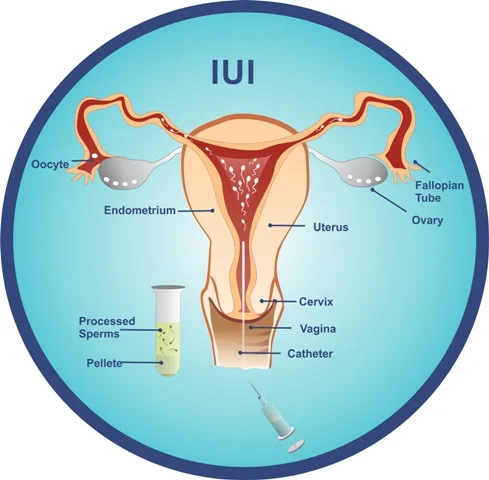
Surrogacy vs Adoption: What's Best for the Child?
The financial aspect is another important consideration when comparing surrogacy and adoption. Surrogacy can be a very expensive process, with costs ranging from $80,000 to $120,000 on average. This includes fees for the surrogate, medical expenses, legal fees, and agency fees. On the other hand, adoption costs can vary greatly, depending on whether it is a domestic or international adoption, and whether it is done through a public agency, private agency, or independently. While adoption can still be a significant financial investment, there are also resources available such as grants and tax credits to help offset the costs.
One of the most crucial factors in deciding between surrogacy and adoption is the well-being and best interests of the child. In surrogacy, there is often a greater emphasis on the rights and needs of the intended parents, while adoption places a strong emphasis on the rights and needs of the child. Surrogacy contracts may include clauses that require the surrogate to follow specific guidelines during the pregnancy, such as avoiding certain foods or activities. This can be viewed as infringing on the surrogate’s autonomy, but it is also done in the best interest of the child. Adoption, on the other hand, involves a rigorous screening process to ensure that the adoptive parents are suitable and able to provide a safe and loving home for the child. This includes home visits, background checks, and counseling to prepare for the challenges of adoption.
There are also some potential risks and complications associated with both surrogacy and adoption. In surrogacy, there is a risk of the surrogate developing complications during pregnancy, which can result in a higher chance of medical interventions and expenses. There is also the possibility of the surrogate changing her mind and wanting to keep the child, which can lead to a lengthy and emotionally draining legal battle. In adoption, there is a risk of the birth mother changing her mind before the adoption is finalized, which can be devastating for the adoptive parents. There is also the risk of the adopted child experiencing emotional or behavioral issues due to their history or traumatic experiences before adoption.
In conclusion, both surrogacy and adoption have their own set of advantages and challenges, and the decision ultimately comes down to what is best for the child. It is important for couples to carefully consider all factors, including their personal preferences, financial situation, and the well-being of the child. Whether it is through surrogacy or adoption, the ultimate goal should always be to provide a loving and stable home for a child in need.