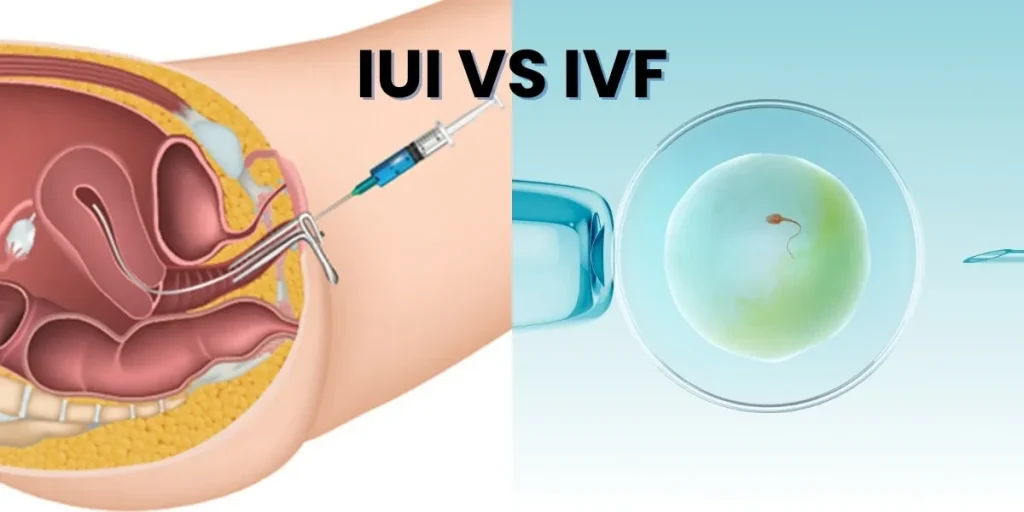
The journey towards parenthood is undoubtedly a beautiful and fulfilling one, but for many couples, it can also be a challenging and emotional rollercoaster. With advancements in medical technology, there are now various fertility treatments available for couples struggling to conceive naturally. Intrauterine insemination (IUI) and in vitro fertilization (IVF) are two popular options that have helped countless couples achieve their dream of starting a family. While both methods aim to assist in conception, they differ in terms of procedure, success rates, and cost. In this blog post, we will delve into the importance of support in the journey of parenthood, and compare the two methods of IUI and IVF.
Support during the process of fertility treatment is crucial as it can be a physically and emotionally taxing experience for couples. The importance of a strong support system cannot be emphasized enough, as it can make all the difference in coping with the ups and downs of the journey towards parenthood. This support can come from various sources such as family, friends, support groups, and medical professionals.
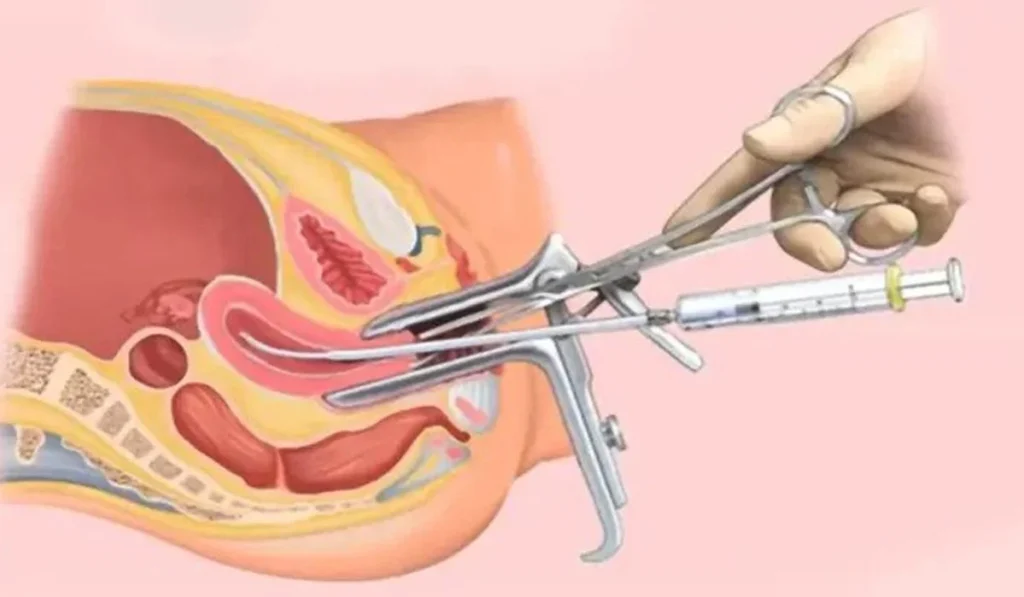
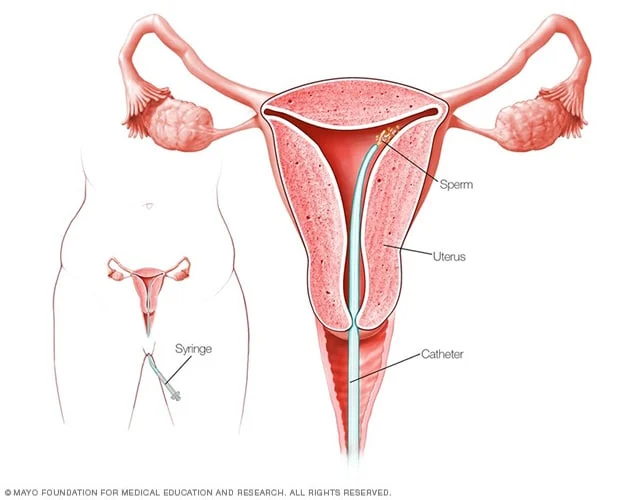
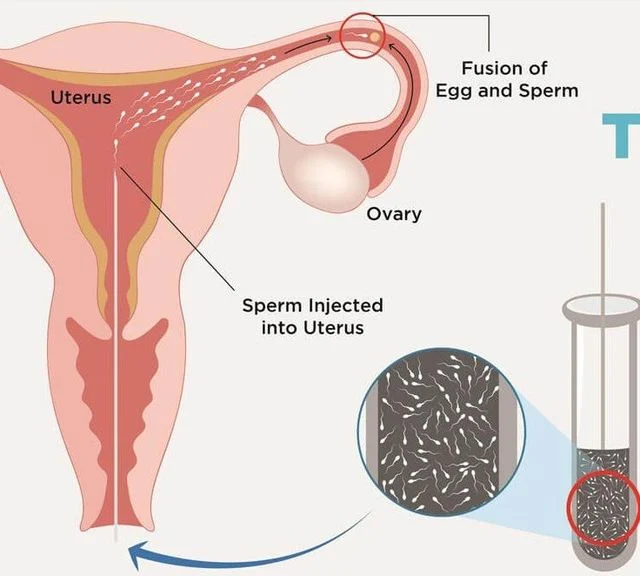
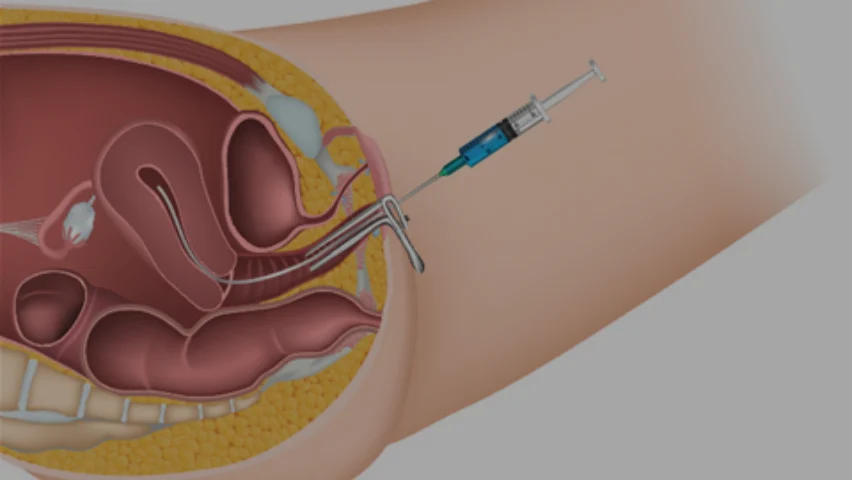
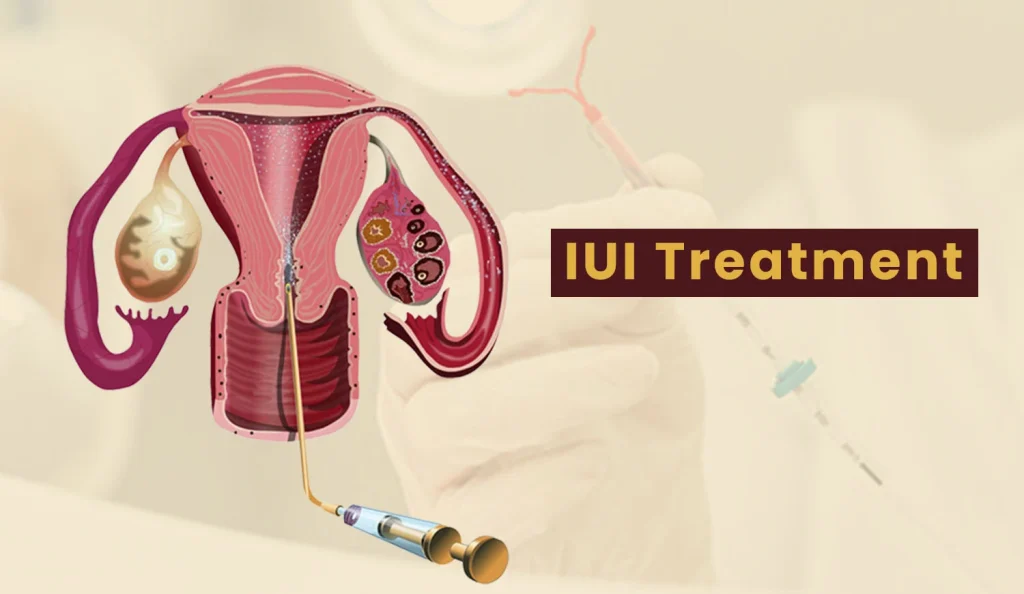
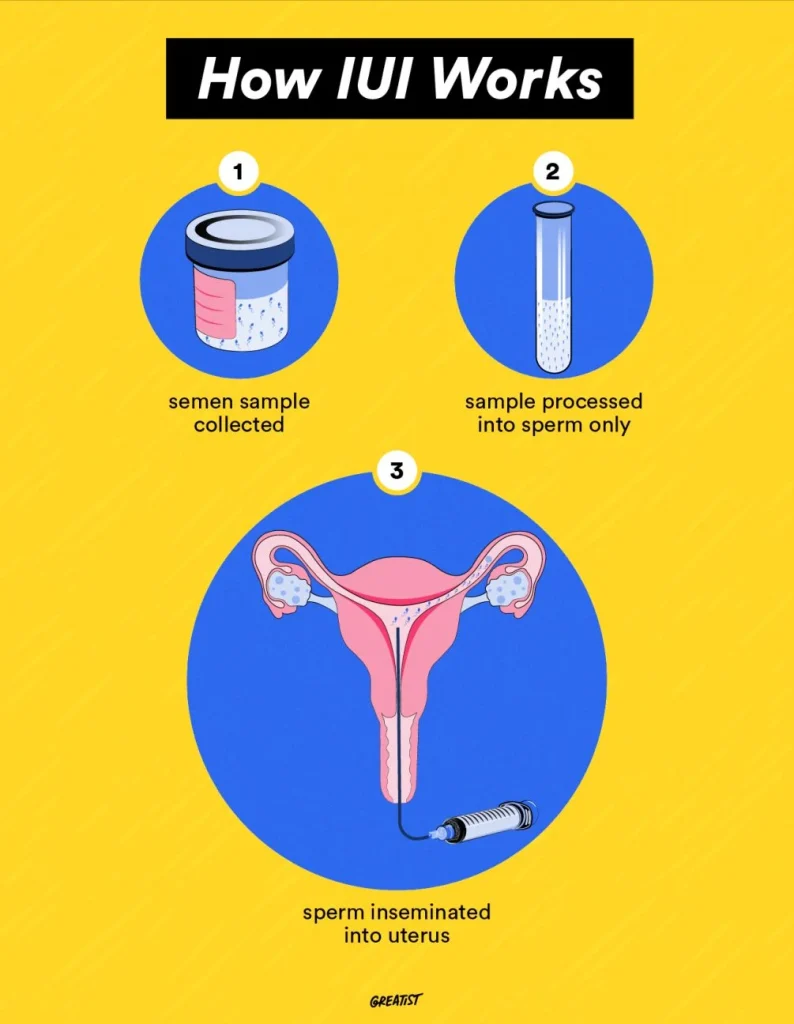
Intrauterine insemination, also known as artificial insemination, is a fertility treatment where sperm is directly injected into a woman’s uterus during ovulation. This procedure is typically recommended for couples with unexplained infertility, mild male factor infertility, or cervical issues. One of the main advantages of IUI is its relatively simple and non-invasive nature, making it a less daunting option for couples.
However, the success rates of IUI are relatively low, with only a 10-20% chance of conception per cycle. This means that couples may need to undergo multiple cycles of IUI, which can be emotionally and financially draining. It is essential for couples to have a strong support system in place to help them cope with the disappointment and uncertainty that comes with unsuccessful cycles.
On the other hand, in vitro fertilization, commonly known as IVF, is a more complex and invasive procedure. It involves retrieving eggs from the woman’s ovaries and fertilizing them with sperm in a laboratory. The resulting embryos are then transferred into the woman’s uterus, with the hope of successful implantation and pregnancy. IVF is often recommended for couples with more severe infertility issues, such as blocked fallopian tubes, low sperm count, or advanced maternal age.
The success rates of IVF are significantly higher than IUI, with an average success rate of 41% for women under 35. However, IVF is also a more expensive option, with an average cost of $12,000-$15,000 per cycle. This can be a significant financial burden for couples, and having a strong support system can provide much-needed emotional and financial assistance during this process.
The Importance of Support: Intrauterine Insemination vs In Vitro Fertilization
Aside from the financial aspect, the IVF process can also be emotionally taxing for couples. The constant monitoring, injections, and waiting for the results of each cycle can take a toll on a couple’s mental well-being. It is crucial for couples to have a supportive network to lean on during this time, whether it be through counseling, support groups, or simply having a listening ear.
In addition to the emotional and financial support, it is also essential for couples to have a strong support system in terms of medical professionals. Fertility treatments can be complex, and it is crucial for couples to have a team of experienced and knowledgeable doctors and nurses to guide them through the process. This support can also come in the form of counseling services provided by fertility clinics, which can help couples navigate the emotional aspects of the journey towards parenthood.
It is also worth noting that in some cases, a combination of IUI and IVF may be recommended. For example, couples with male factor infertility issues may undergo IUI with the husband’s sperm, followed by IVF with donor sperm if IUI is unsuccessful. This highlights the importance of having a supportive and understanding medical team who can provide personalized treatment plans for each couple’s unique situation.
In conclusion, the journey towards parenthood through fertility treatments can be a challenging and emotional one, but having a strong support system in place can make all the difference. IUI and IVF are both viable options for couples struggling with infertility, and the decision ultimately depends on various factors such as the cause of infertility, success rates, and financial capability. However, regardless of which method a couple chooses, the importance of support during this journey cannot be underestimated.
Summary:
The journey towards parenthood can be a challenging and emotional one for couples struggling with infertility. Intrauterine insemination (IUI) and in vitro fertilization (IVF) are two popular fertility treatments that aim to assist in conception. While IUI is a simpler and less invasive option, IVF has a higher success rate but is more expensive and emotionally taxing. Regardless of the chosen method, having a strong support system, both emotionally and medically, is crucial for couples going through fertility treatments.