Blog post:
Debunking Common Misconceptions: Intrauterine Insemination vs In Vitro Fertilization
When it comes to fertility treatments, there are two main options that are often discussed: intrauterine insemination (IUI) and in vitro fertilization (IVF). Both of these procedures involve assisted reproductive technologies and can help individuals or couples struggling with infertility to conceive. However, there are many misconceptions and myths surrounding these treatments that can cause confusion and fear. In this blog post, we will debunk some of the most common misconceptions about IUI and IVF, and provide accurate information to help individuals make informed decisions about their fertility journey.
Myth #1: IUI and IVF are the same thing.
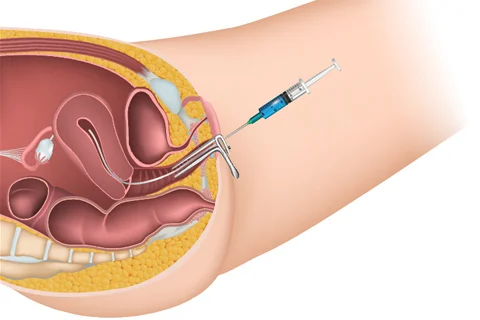
While both IUI and IVF are fertility treatments, they are not the same thing. Intrauterine insemination is a procedure where sperm is placed directly into the uterus, closer to the egg, to increase the chances of fertilization. This is typically done with a partner’s sperm, but can also be done with donor sperm. In contrast, in vitro fertilization involves retrieving eggs from the ovaries and combining them with sperm in a laboratory, and then transferring the fertilized embryo(s) back into the uterus for implantation.
Myth #2: IVF is always the best option for fertility treatment.
Many people believe that IVF is the most effective and only option for fertility treatment. While IVF has a higher success rate compared to other fertility treatments, such as IUI, it is not always the best option for everyone. Factors such as age, overall health, and the cause of infertility can play a role in determining the most suitable treatment. It is important to consult with a fertility specialist to discuss which treatment option is best for your individual situation.
Myth #3: IUI and IVF are painful and invasive procedures.
Both IUI and IVF involve medical procedures, but they are not as painful or invasive as many people believe. IUI is a relatively simple and non-invasive procedure that can be done in a doctor’s office. It typically involves minimal discomfort and does not require anesthesia. IVF, on the other hand, does involve more steps and may require anesthesia for egg retrieval. However, advancements in technology and techniques have made IVF much less invasive and more comfortable for patients.
Debunking Common Misconceptions: Intrauterine Insemination vs In Vitro Fertilization
Myth #4: IUI and IVF are not covered by insurance.
Many insurance companies do not cover fertility treatments, leading people to believe that IUI and IVF are not covered. However, this is not always the case. Some insurance plans do offer coverage for fertility treatments, including IUI and IVF. It is important to check with your insurance provider to understand your coverage and potential out-of-pocket costs. Additionally, there are financial assistance programs and grants available for those who need help covering the costs of treatment.
Myth #5: IUI and IVF always result in multiple births.
One of the most common misconceptions about IUI and IVF is that they always result in multiple births. While it is true that IVF can result in multiple pregnancies, this is not always the case. The chance of having multiples with IVF depends on several factors, including the number of embryos transferred and the woman’s age. With IUI, the risk of having multiples is significantly lower since only one or two sperm are placed in the uterus. It is important to discuss the risk of multiples with your doctor and make an informed decision about the number of embryos to transfer during IVF.
Myth #6: IUI and IVF are guaranteed to work.
Unfortunately, there is no guarantee that IUI or IVF will result in a successful pregnancy. While both procedures can significantly increase the chances of conceiving, there are many factors that can affect the outcome, such as age, health, and fertility issues. The success rates for IUI and IVF vary and are not 100% guaranteed. It is important to have realistic expectations and understand that it may take multiple attempts to achieve a successful pregnancy.
Myth #7: IUI and IVF are only for women with fertility issues.
While IUI and IVF are often used to treat infertility, they can also be used for other situations. For example, same-sex couples or single individuals who want to have a child may use donor sperm or donor eggs through IUI or IVF. Additionally, individuals with genetic disorders or conditions that may be passed down to their offspring may opt for IVF with preimplantation genetic testing to ensure a healthy pregnancy.
In summary, IUI and IVF are two distinct fertility treatments that are often misunderstood. It is important to debunk these common misconceptions and provide accurate information to help individuals make informed decisions about their fertility journey. Both IUI and IVF have helped many people achieve their dream of having a child, and with advancements in technology and techniques, these procedures continue to offer hope to those struggling with infertility.
Leave a Reply