Summary:
The Impact of Age: Intrauterine Insemination vs In Vitro Fertilization
As women age, their fertility declines and they may face challenges when trying to conceive. Intrauterine insemination (IUI) and in vitro fertilization (IVF) are two commonly used fertility treatments that can help individuals or couples overcome fertility issues. However, the success rates of these procedures can be affected by age. In this blog post, we will explore the impact of age on the success rates of IUI and IVF, and discuss the factors that contribute to these differences.
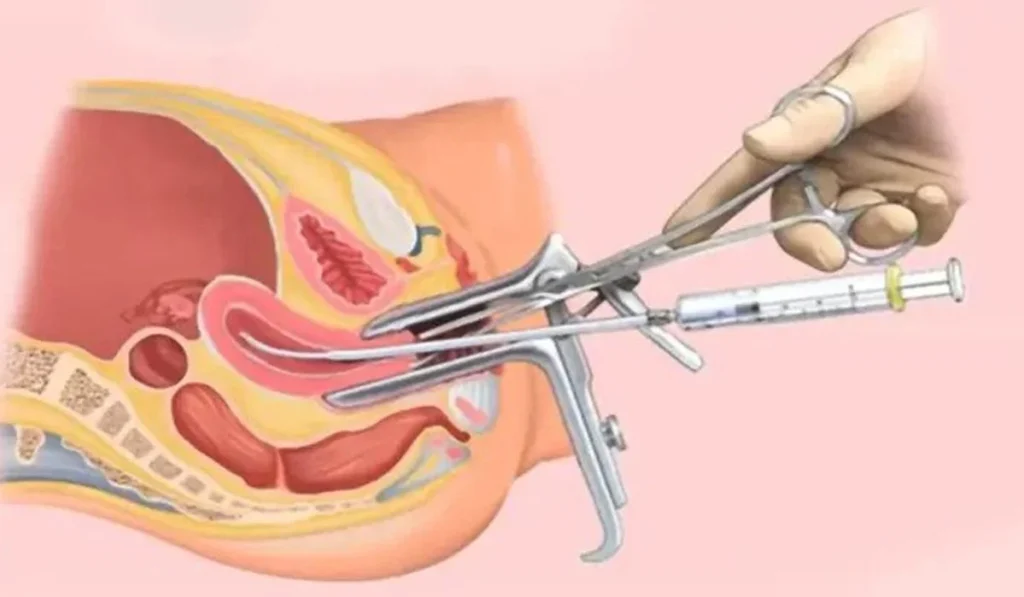
Firstly, we will discuss IUI, which involves placing washed and concentrated sperm directly into the uterus during a woman’s ovulation period. This procedure is often recommended for couples with unexplained infertility or mild male factor infertility. In terms of age, women under the age of 35 have a success rate of 10-20% per cycle, while those over 35 have a success rate of 10% or less. This is due to a decline in egg quality and quantity as women age, which can result in lower chances of fertilization and implantation.
The Impact of Age: Intrauterine Insemination vs In Vitro Fertilization
On the other hand, IVF involves retrieving eggs from a woman’s ovaries, fertilizing them with sperm in a laboratory, and then transferring the resulting embryo(s) into the uterus. This procedure is typically recommended for couples with more severe fertility issues, such as blocked fallopian tubes or advanced maternal age. The success rates of IVF are also affected by age, with women under 35 having a success rate of 40-50%, while those over 40 have a success rate of 10% or less. This is because older women may have a lower ovarian reserve and a higher risk of chromosomal abnormalities in their eggs.
Apart from age, there are other factors that can impact the success rates of IUI and IVF. For IUI, the quality of the sperm used is crucial, as it plays a significant role in fertilization. For IVF, the quality of the eggs retrieved and the embryo(s) formed also play a crucial role in the success of the procedure. Additionally, lifestyle factors such as smoking, alcohol consumption, and obesity can also affect the success rates of both IUI and IVF.
Moreover, the number of cycles attempted also plays a crucial role in the success rates of these procedures. For IUI, multiple cycles may be needed to achieve a successful pregnancy, especially for older women. On the other hand, IVF success rates tend to decrease with each attempt, but the chances of success can be significantly increased with the use of frozen embryo transfers.
In addition to the impact of age on success rates, there are also significant cost differences between IUI and IVF. IUI is a more affordable option, with a single cycle costing around $500-$1000. However, as multiple cycles may be needed, the overall cost can add up. IVF, on the other hand, is a more expensive option, with a single cycle costing around $12,000-$15,000. However, the chances of success with IVF are higher, and it may be a more cost-effective option in the long run, especially for older women who may require multiple IUI cycles.
In conclusion, age plays a significant role in the success rates of both IUI and IVF. Women over the age of 35 may face challenges when trying to conceive with these procedures, and may require more attempts to achieve a successful pregnancy. However, with advancements in technology and techniques, the success rates of both IUI and IVF have improved significantly over the years, giving hope to many individuals and couples struggling with fertility issues.