Title: A Guide to Same-Sex Home Insemination and IVF: What You Need to Know
Same-sex couples have long faced challenges when it comes to starting a family. However, with advances in reproductive technology, same-sex home insemination and in-vitro fertilization (IVF) have become viable options for those looking to conceive. In this guide, we will explore the basics of same-sex home insemination and IVF, including the process, legal considerations, and tips for success.
What is Same-Sex Home Insemination?
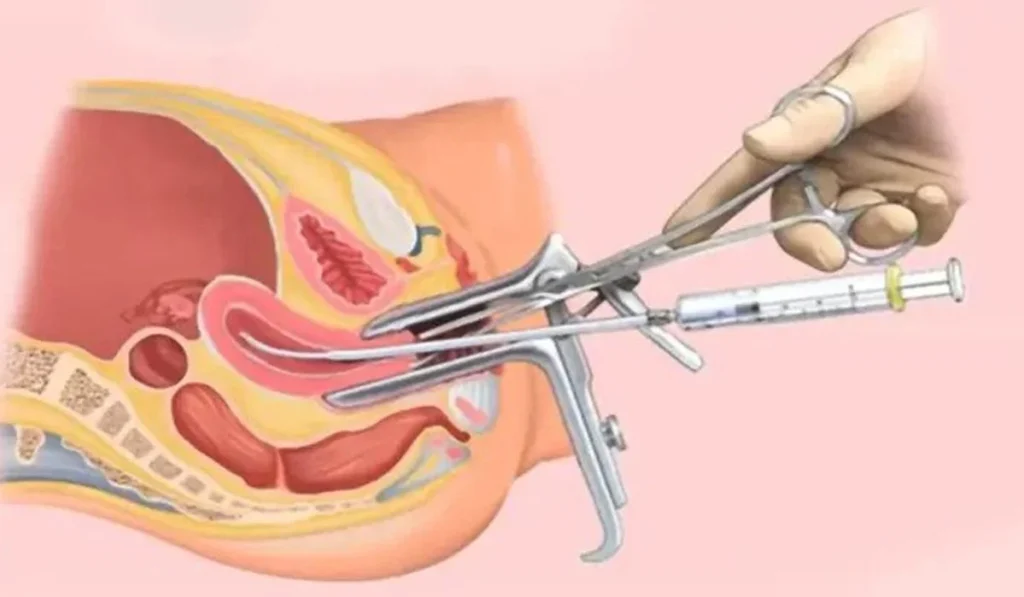
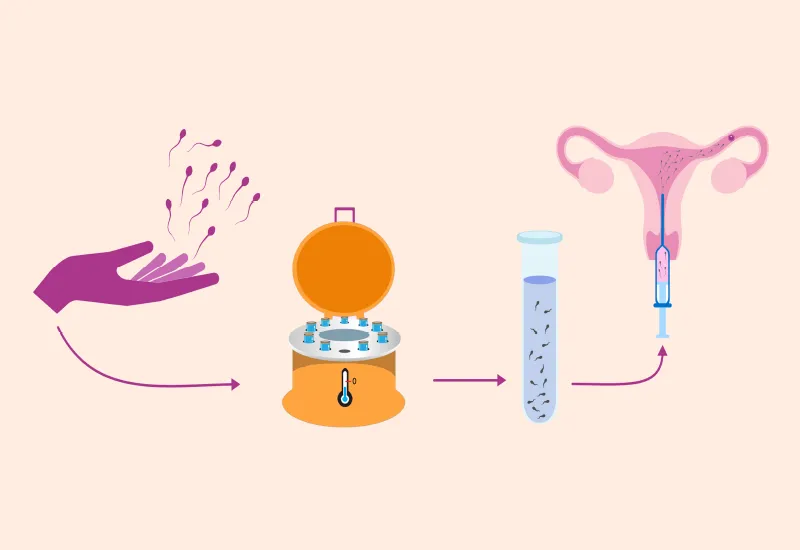
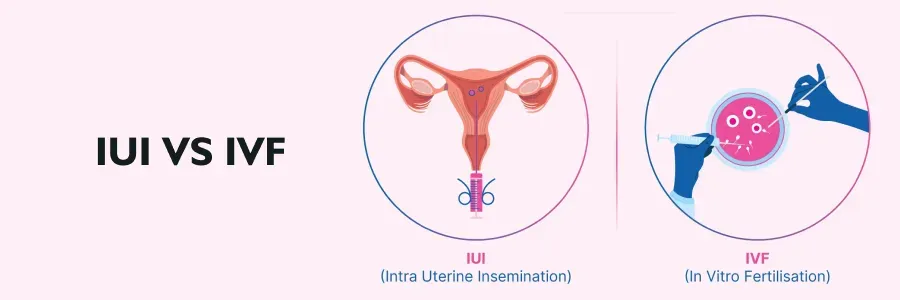
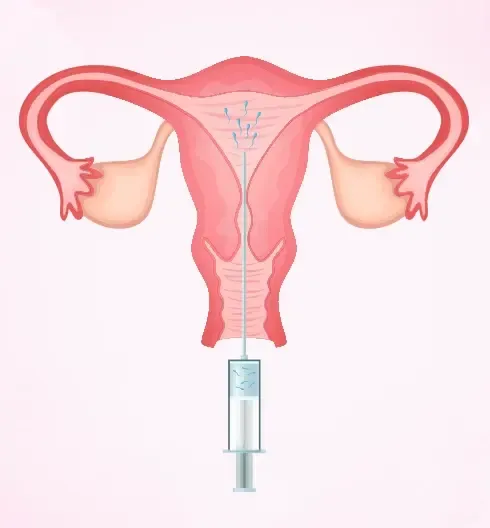
Same-sex home insemination, also known as artificial insemination, is the process of manually inserting sperm into the uterus in order to fertilize an egg. This can be done at home with the use of a donor’s sperm or through a fertility clinic. Insemination at home allows for a more private and intimate experience, while insemination at a clinic offers a higher success rate and access to medical professionals.
The Process of Same-Sex Home Insemination
The first step in the home insemination process is to find a sperm donor. This can be done through a sperm bank or by finding a known donor, such as a friend or family member. It is important to thoroughly discuss and consider the legal and emotional implications of using a known donor.
Once a donor is chosen, the next step is to prepare for insemination. This includes tracking ovulation through methods such as ovulation predictor kits or basal body temperature tracking. It is also recommended to have a fertility evaluation to ensure the uterus and fallopian tubes are healthy and able to support pregnancy.
The actual insemination process involves using a syringe or a cervical cap to deposit the sperm into the vagina, as close to the cervix as possible. It is important to remain lying down for 15-20 minutes afterwards to allow the sperm to reach the cervix.
Legal Considerations for Same-Sex Home Insemination
One of the main concerns for same-sex couples considering home insemination is the legal implications. In many states, the donor may be considered the legal father of the child, even if they have no intention of being involved in the child’s life. It is important to consult with a lawyer to understand the laws in your state and to have a legal agreement in place with the donor.
Tips for Success with Same-Sex Home Insemination

A Guide to Same-Sex Home Insemination and IVF: What You Need to Know
There are several factors that can affect the success of home insemination, including timing, sperm quality, and overall health. It is important to track ovulation accurately and to use high-quality sperm from a healthy donor. It is also recommended to maintain a healthy lifestyle and to consider supplements or fertility treatments if needed.
What is In-Vitro Fertilization (IVF)?
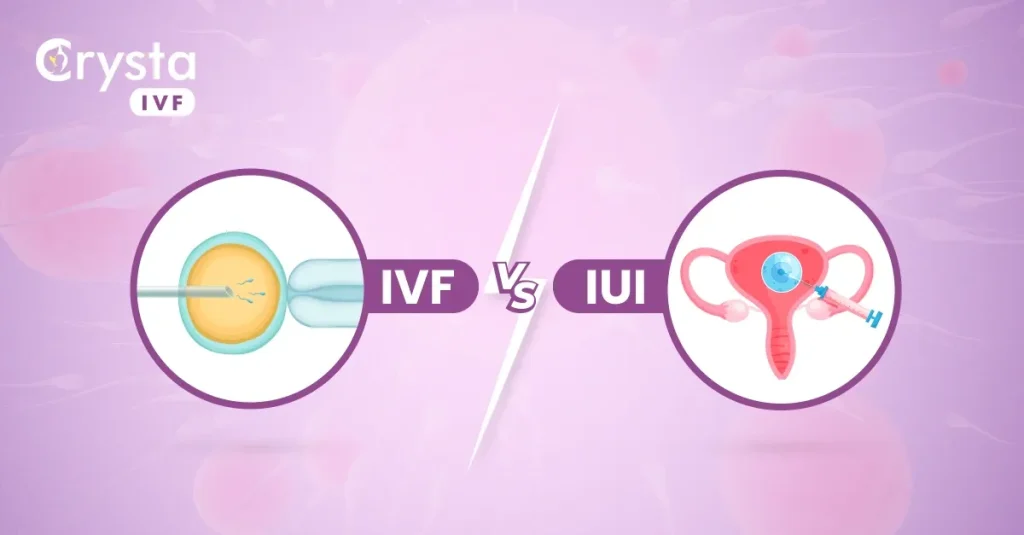
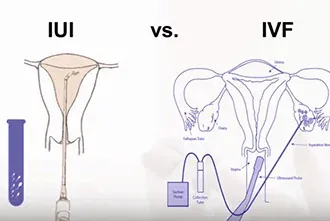
In-vitro fertilization, or IVF, is a more complex and expensive fertility treatment. It involves retrieving eggs from the ovaries and fertilizing them with sperm in a laboratory. The resulting embryo is then transferred back into the uterus for implantation and pregnancy.
The Process of IVF for Same-Sex Couples
For same-sex couples, IVF involves the use of a donor egg and sperm. The donor egg can come from one partner or a separate donor, and the sperm can come from a donor or one partner. The eggs are retrieved from the donor and fertilized in a lab with the sperm. The resulting embryos are then transferred into the uterus of the partner who will carry the pregnancy.
Legal Considerations for IVF
The legal considerations for IVF are similar to those of same-sex home insemination. It is important to consult with a lawyer and have a legal agreement in place with the donor. In addition, some states have laws that restrict or prohibit IVF for same-sex couples, so it is important to research the laws in your state.
Tips for Success with IVF
The success rate of IVF varies depending on factors such as age, health, and the quality of the embryos. It is important to choose a reputable fertility clinic and to follow their recommendations for medication, timing, and aftercare. It is also recommended to seek emotional support, as IVF can be a physically and emotionally taxing process.
Conclusion
Same-sex couples have a variety of options when it comes to starting a family, including same-sex home insemination and IVF. It is important to carefully consider the legal, emotional, and financial implications of each option before making a decision. With proper planning and support, same-sex couples can successfully conceive and build their dream family.
In summary, same-sex home insemination and IVF are viable options for same-sex couples looking to start a family. The process involves finding a donor, tracking ovulation, and preparing for insemination at home or through a fertility clinic. Legal considerations and tips for success are also important to keep in mind. Ultimately, with careful planning and the right support, same-sex couples can successfully conceive and fulfill their dreams of starting a family.