Understanding the Surrogacy Contract: Traditional vs. Gestational Surrogacy
Surrogacy has become a popular option for couples or individuals who are unable to conceive a child on their own. It involves another woman carrying and giving birth to a child for someone else. However, the process of surrogacy can be complex and requires a thorough understanding of the legal agreements involved. In this blog post, we will delve into the details of surrogacy contracts and the differences between traditional and gestational surrogacy.
What is a Surrogacy Contract?
A surrogacy contract is a legal agreement between the intended parents and the surrogate. It outlines the expectations, rights, and responsibilities of both parties during the surrogacy process. This contract is crucial in ensuring that all parties involved are on the same page and have a clear understanding of their roles and obligations.
Traditional Surrogacy
Traditional surrogacy, also known as genetic or partial surrogacy, involves the surrogate using her own egg to conceive the child. The surrogate is artificially inseminated with the intended father’s sperm, and she carries the child to term. This method was the only option available for surrogacy before the development of gestational surrogacy.
In traditional surrogacy, the surrogate is considered the biological mother of the child, and the intended father is the biological father. This can lead to complicated legal and emotional issues, as the surrogate may have a strong attachment to the child due to a genetic connection.
Gestational Surrogacy
Gestational surrogacy, also known as full or host surrogacy, involves the use of in vitro fertilization (IVF) to create an embryo using the intended parents’ egg and sperm or donor sperm and egg. The embryo is then transferred to the surrogate’s uterus, who carries the child to term. In this process, the surrogate has no genetic connection to the child, and the intended parents are recognized as the legal parents from the beginning.
Gestational surrogacy has become the preferred option for many couples due to the lack of genetic connection between the surrogate and the child. This eliminates any potential legal or emotional complications that may arise in traditional surrogacy.
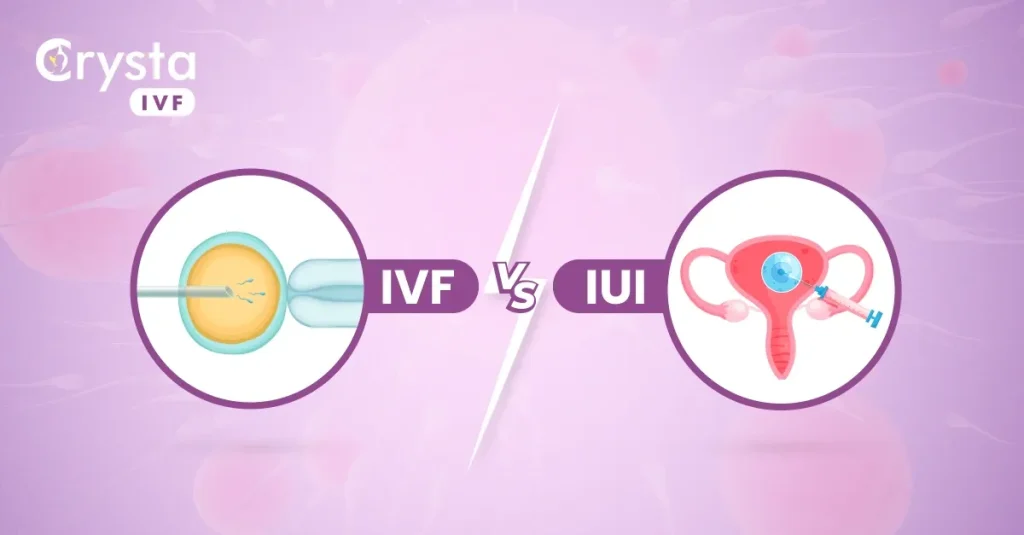
Understanding the Surrogacy Contract: Traditional vs. Gestational Surrogacy
The Surrogacy Contract
Both traditional and gestational surrogacy require a surrogacy contract to be signed by all parties involved. The contract includes details such as the surrogate’s compensation, medical expenses, and any other financial arrangements. It also outlines the intended parents’ expectations and responsibilities, such as providing emotional support and attending doctor’s appointments.
In traditional surrogacy, the contract may also include the surrogate’s agreement to relinquish her parental rights after giving birth. This is necessary to ensure that the intended parents are the legal parents of the child and have full custody.
In gestational surrogacy, the contract may include an agreement for the surrogate to undergo specific medical procedures, such as IVF, and to follow any necessary medical instructions. It may also include provisions for the intended parents to cover any medical expenses related to the surrogacy process.
Legal Considerations
Surrogacy contracts are legally binding, and it is essential to consult with a lawyer who specializes in reproductive law before signing one. The laws surrounding surrogacy vary by state and country, and it is crucial to ensure that the contract complies with all legal requirements to avoid any potential disputes or legal issues in the future.
In some cases, the intended parents may also need to obtain a pre-birth order or an adoption order to establish their legal rights as the child’s parents. This process involves going to court and can be a lengthy and expensive process. Therefore, it is crucial to have a thorough understanding of the legal implications and requirements before entering into a surrogacy contract.
In Conclusion
Surrogacy contracts play a vital role in the surrogacy process, as they outline the expectations and responsibilities of all parties involved. They also serve as a legal document that ensures the intended parents have full custody of the child. Understanding the differences between traditional and gestational surrogacy, as well as the legal considerations, is crucial for anyone considering surrogacy as an option for starting or expanding their family.
Summary:
Surrogacy contracts are legal agreements between intended parents and surrogates that outline the expectations and responsibilities of both parties during the surrogacy process. There are two types of surrogacy: traditional and gestational. Traditional surrogacy involves the surrogate using her own egg, while gestational surrogacy involves using IVF to create an embryo using the intended parents’ egg and sperm. The contract includes details such as compensation, medical expenses, and legal considerations, and it is crucial to consult with a lawyer before signing one.