Blog Post Title: Sperm Banks vs Known Donors: The Impact on the Donor-Conceived Child
Sperm donation has become a widely accepted method for individuals and couples to fulfill their dreams of having a child. With advancements in technology and a growing acceptance of non-traditional families, the demand for sperm donors has also increased. However, the rise of sperm banks and the availability of known donors have raised questions about the impact on the donor-conceived child. In this blog post, we will explore the differences between sperm banks and known donors and the potential effects on the child.
Sperm Banks: A Brief Overview
Sperm banks are facilities that collect, store, and distribute donated sperm for the purpose of artificial insemination. They have strict screening processes for potential donors, including physical and psychological evaluations, genetic testing, and screening for infectious diseases. Sperm banks also offer a variety of donors, allowing individuals and couples to choose characteristics such as ethnicity, physical appearance, education, and occupation.
Known Donors: A Brief Overview
Known donors, on the other hand, are individuals who personally know and have a relationship with the intended parent(s). They may be a family member, friend, or acquaintance. Unlike sperm banks, known donors are not subject to the same rigorous screening processes and may not have the same level of medical and genetic information available to them. In some cases, known donors may also have a role in the child’s life, whether it be as a co-parent or simply as a known biological father.
The Impact on the Donor-Conceived Child
While both sperm banks and known donors provide individuals and couples with the opportunity to have a child, there are important differences that can have a significant impact on the donor-conceived child.
1. Genetic Information
One of the main differences between sperm banks and known donors is the level of genetic information available. Sperm banks have strict screening processes that ensure donors are free of genetic diseases and disorders. They also provide detailed medical histories and genetic testing for donors. This information can be crucial for the health and well-being of the child, as certain genetic conditions may not manifest until later in life.
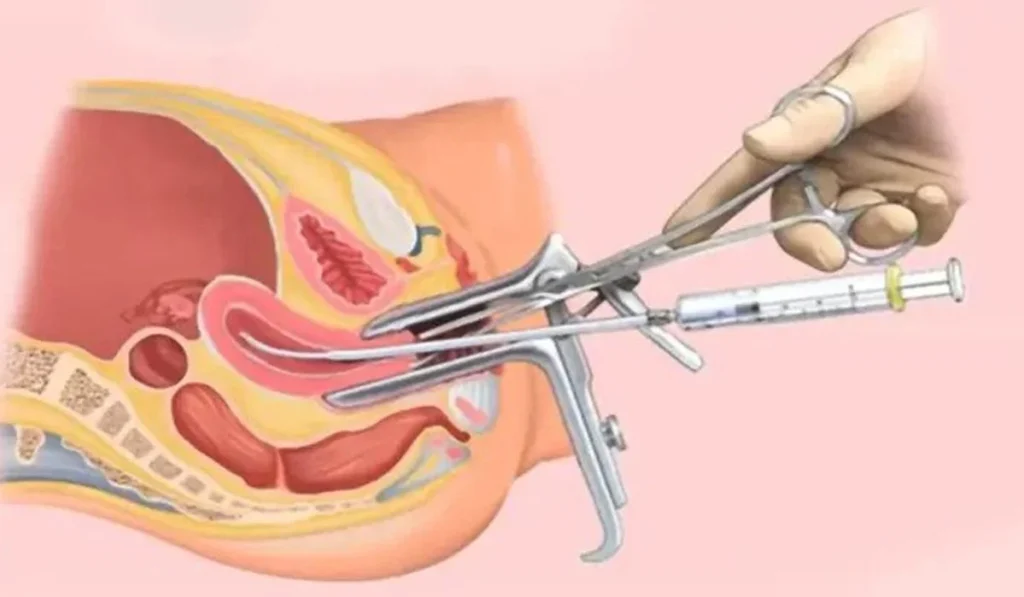
Sperm Banks vs Known Donors: The Impact on the Donor-Conceived Child
On the other hand, known donors may not have the same level of medical and genetic information available, making it difficult to assess potential health risks for the child. This lack of information can also be a challenge for the child in the future, as they may not have a complete understanding of their genetic background.
2. Relationship with the Donor
Another important aspect to consider is the relationship between the donor and the child. In the case of sperm banks, the donor is typically anonymous and has no involvement in the child’s life. This can be seen as both a positive and a negative. On one hand, the child may not have any expectations or confusion about their relationship with the donor. On the other hand, they may feel a sense of loss or curiosity about their biological father.
With known donors, the relationship between the donor and child can vary greatly. In some cases, the donor may have a co-parenting role and be actively involved in the child’s life. This can provide the child with a sense of identity and connection to their biological father. However, this type of arrangement can also lead to potential conflicts and challenges in the future, especially if the relationship between the donor and intended parent(s) changes.
3. Legal Considerations
Legal considerations are also an important factor to consider when choosing between sperm banks and known donors. Sperm banks typically have strict legal contracts in place that protect the donor from any legal or financial responsibilities towards the child. This can provide peace of mind for both the donor and the intended parent(s). On the other hand, known donors may not have the same legal protections, and there have been cases where known donors have been held financially responsible for the child.
4. Emotional Impact
Lastly, the emotional impact on the donor-conceived child is an important aspect to consider. Children born through sperm donation may have questions and feelings about their donor and their genetic background. With sperm banks, the child may have limited information or no contact with their donor, which can create a sense of loss and curiosity. With known donors, the child may have a more complex emotional relationship with their donor, especially if they are actively involved in their life.
Summary
In conclusion, both sperm banks and known donors have their advantages and disadvantages when it comes to the impact on the donor-conceived child. Sperm banks offer a wide range of genetic information and anonymity, while known donors provide a more personal connection and potential involvement in the child’s life. Ultimately, the decision between sperm banks and known donors should be based on the individual circumstances and preferences of the intended parent(s) and the potential impact on the child.