Tag: Male Infertility

  • Breaking the Silence: Raising Awareness About Male and Female Factor Infertility

    Breaking the Silence: Raising Awareness About Male and Female Factor Infertility

    Infertility is a common struggle that affects many couples around the world. While it is often believed to be a female issue, the reality is that both men and women can experience infertility. In fact, male and female factor infertility are equally prevalent and can be caused by a variety of factors. Despite its prevalence, infertility is still a taboo topic and many couples suffer in silence, not seeking help or support due to the stigma attached to it. In this blog post, we will be discussing the importance of breaking the silence surrounding male and female factor infertility and raising awareness about this issue.

    Defining Male and Female Factor Infertility

    First, let’s define what male and female factor infertility are. Male factor infertility refers to the inability of a man to impregnate a woman naturally. This can be due to low sperm count, poor sperm motility, or abnormal sperm morphology. On the other hand, female factor infertility refers to the inability of a woman to conceive or carry a pregnancy to full term. This can be caused by various factors such as hormonal imbalances, blocked fallopian tubes, or uterine abnormalities. In some cases, infertility can be caused by a combination of both male and female factors.

    Breaking the Silence on Male Factor Infertility

    One of the main reasons why male factor infertility is often overlooked and not discussed is the societal expectations placed on men. Men are expected to be fertile and virile, and any issues with their reproductive health are seen as a sign of weakness. This toxic masculinity not only affects men’s mental health but also prevents them from seeking help and support for their infertility. As a result, they suffer in silence and may feel isolated and alone in their struggle.

    Raising awareness about male factor infertility is crucial in breaking this silence. By educating people about the prevalence and causes of male factor infertility, we can remove the stigma attached to it and encourage men to seek help. It is also essential to involve men in the conversation about infertility and provide them with a safe space to share their experiences and emotions. This can help them feel less alone and more supported in their journey towards parenthood.

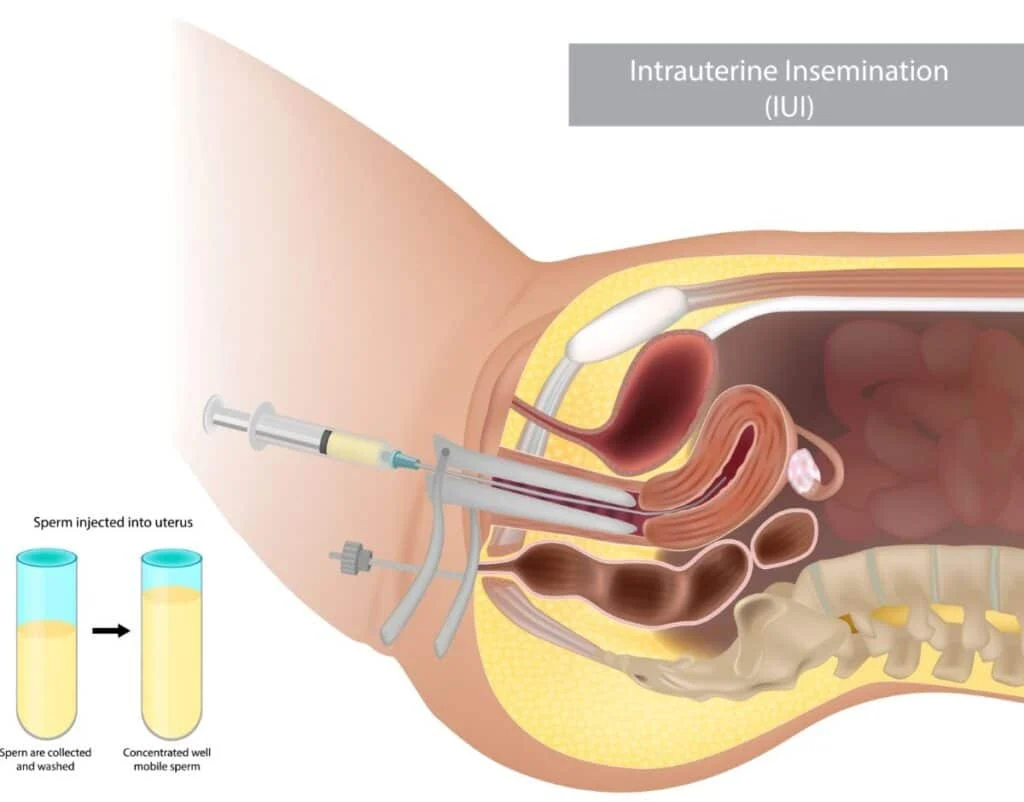
    Illustration of intrauterine insemination (IUI) procedure, showing sperm injection into the uterus.

    Breaking the Silence: Raising Awareness About Male and Female Factor Infertility

    Breaking the Silence on Female Factor Infertility

    Female factor infertility is often seen as a woman’s problem and is met with shame and blame. Women are expected to be able to conceive and carry a child, and any difficulties in doing so are seen as a personal failure. This pressure and stigma can have a significant impact on a woman’s mental health and well-being. It is also worth noting that female factor infertility can affect women of all ages, including those in their 20s and 30s.

    Raising awareness about female factor infertility is crucial in removing the shame and stigma surrounding it. It is essential to understand that infertility is not a choice and is a medical condition that requires support and treatment. By educating people about the causes of female factor infertility, we can challenge the societal expectations placed on women and provide them with a safe space to share their experiences.

    The Importance of Seeking Help

    One of the biggest challenges faced by couples struggling with infertility is the reluctance to seek help. Many couples may feel embarrassed or ashamed to discuss their fertility issues with others, and this can prevent them from seeking the necessary medical help. However, it is crucial to understand that infertility is a medical condition that can be treated. The earlier a couple seeks help, the higher their chances are of overcoming infertility and achieving their dream of parenthood.

    Seeking help is not a sign of weakness, but rather a brave and necessary step towards addressing infertility. There are various treatment options available for both male and female factor infertility, and seeking help can provide couples with a sense of hope and control over their situation.

    Conclusion

    It is time to break the silence surrounding male and female factor infertility. By raising awareness about this issue, we can remove the stigma and shame attached to it and provide support and understanding to couples struggling with infertility. It is essential to involve both men and women in the conversation and provide them with the necessary education and resources to seek help. Infertility is a challenging journey, but with support and treatment, couples can overcome it and fulfill their dream of parenthood.
  • The Science Behind Male Factor Infertility: Understanding the Treatment Options

    Male factor infertility, or the inability of a man to impregnate a fertile female, is a common issue that affects approximately 1 in 20 men. Despite its prevalence, male factor infertility is often overlooked and not fully understood. In this blog post, we will delve into the science behind male factor infertility and explore the various treatment options available.

    Understanding Male Reproductive Health
    To understand male factor infertility, it is important to have a basic understanding of male reproductive health. The male reproductive system is composed of various organs and glands that work together to produce and transport sperm. The testes, located in the scrotum, produce sperm cells. These sperm cells then travel through the epididymis, a small tube attached to the testes, where they mature and are stored. During ejaculation, the sperm travels through the vas deferens and mixes with seminal fluids from the prostate and other glands to form semen. The semen is then ejaculated through the urethra.

    Causes of Male Factor Infertility
    Male factor infertility can be caused by a variety of factors, including hormonal imbalances, genetic conditions, physical or structural issues, and lifestyle factors. Hormonal imbalances, such as low levels of testosterone, can affect sperm production and quality. Genetic conditions, such as Klinefelter syndrome or cystic fibrosis, can also impact fertility. Physical or structural issues, such as blockages in the reproductive tract, can prevent sperm from being ejaculated. Lifestyle factors, such as smoking, excessive alcohol consumption, and drug use, can also contribute to male factor infertility.

    Diagnosing Male Factor Infertility
    Diagnosing male factor infertility involves a thorough evaluation of a man’s medical history, physical examination, and various tests. The first step is to rule out any underlying medical conditions that may be causing infertility. A physical examination may be performed to check for any structural issues in the reproductive organs. A semen analysis is also a crucial diagnostic tool for male factor infertility. This test measures the number, shape, and movement of sperm in a man’s semen. Other tests that may be performed include hormone level testing, genetic testing, and imaging tests to assess the reproductive organs.

    Treatment Options for Male Factor Infertility
    The treatment for male factor infertility depends on the underlying cause. In cases where a medical condition is causing infertility, treating the condition may improve fertility. In cases of hormonal imbalances, hormone therapy may be recommended. In situations where there are blockages or structural issues, surgery may be necessary. However, in cases where there are no underlying medical issues, assisted reproductive technology (ART) may be the best option.

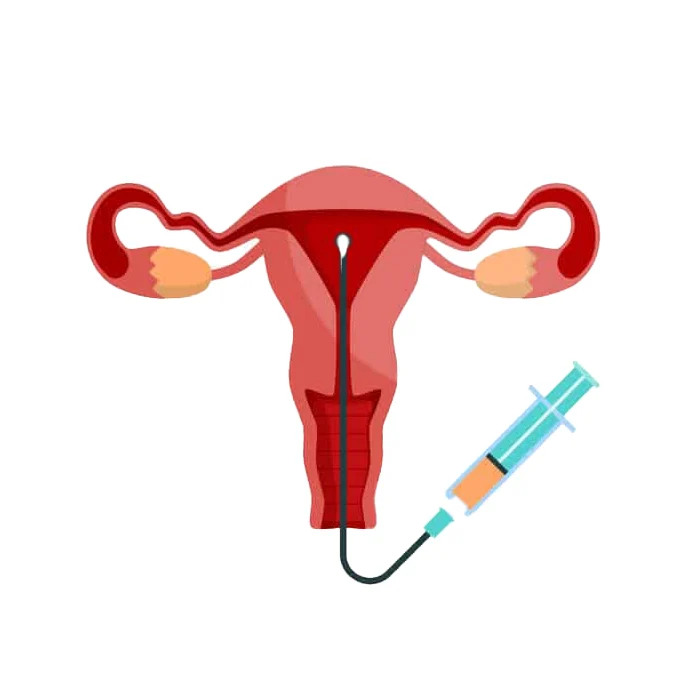
    illustration of intrauterine insemination procedure with a syringe and catheter in the uterus.

    The Science Behind Male Factor Infertility: Understanding the Treatment Options

    Assisted Reproductive Technology (ART)
    ART refers to a range of procedures that help couples conceive by handling eggs, sperm, and embryos outside of the body. One of the most well-known ART procedures is in-vitro fertilization (IVF). During IVF, eggs are retrieved from the female partner and fertilized with sperm in a laboratory. The resulting embryos are then transferred to the woman’s uterus. In cases of male factor infertility, IVF may be combined with intracytoplasmic sperm injection (ICSI), where a single sperm is injected directly into an egg to fertilize it.

    Other ART procedures that may be used to treat male factor infertility include intrauterine insemination (IUI) and sperm retrieval procedures. In IUI, washed and concentrated sperm are placed directly into the woman’s uterus, increasing the chances of fertilization. Sperm retrieval procedures involve obtaining sperm from the testes or epididymis when there is a blockage preventing sperm from being ejaculated.

    Lifestyle Changes
    In addition to medical treatments, lifestyle changes may also help improve male fertility. This includes quitting smoking, reducing alcohol consumption, and avoiding illegal drugs. Maintaining a healthy weight and exercising regularly can also improve sperm quality and fertility. Additionally, taking supplements such as folic acid, zinc, and vitamin D may also help improve male reproductive health.

    In conclusion, male factor infertility is a common issue that can have various underlying causes. Understanding the science behind male reproductive health and the different treatment options available can help couples struggling with infertility make informed decisions. Whether it involves addressing underlying medical conditions, undergoing ART procedures, or making lifestyle changes, there are options available for couples to overcome male factor infertility and achieve their dream of starting a family.

    Summary:
    Male factor infertility is a common issue that affects 1 in 20 men, yet it is often overlooked and not fully understood. It is caused by a variety of factors, including hormonal imbalances, genetic conditions, physical or structural issues, and lifestyle factors. Diagnosis involves a thorough evaluation of medical history, physical examination, and various tests. Treatment options include addressing underlying medical conditions, hormone therapy, surgery, and assisted reproductive technology (ART). Lifestyle changes can also improve male fertility. Understanding the science behind male factor infertility and the various treatment options available can help couples struggling with infertility make informed decisions.

  • Breaking the Stigma: Male Factor Infertility and the Importance of Treatment

    Breaking the Stigma: Male Factor Infertility and the Importance of Treatment

    Male infertility is a topic that is rarely discussed, yet it affects millions of couples around the world. It is estimated that male factor infertility is the sole cause or a contributing factor in up to 50% of all infertility cases. Despite its prevalence, there is a significant stigma surrounding male infertility, leading many men to suffer in silence and avoid seeking treatment. In this blog post, we will break down the stigma surrounding male factor infertility, discuss the potential causes of male infertility, and highlight the importance of seeking treatment for this condition.

    The Stigma Surrounding Male Infertility

    When it comes to infertility, the focus is often on female fertility and the pressure on women to conceive. This can lead to a lack of understanding and support for men who are struggling with infertility. Men may feel ashamed, embarrassed, or emasculated by their infertility, leading them to keep it a secret and avoid seeking help. This stigma also extends to society’s views on masculinity and fertility, with the belief that men are supposed to be strong and virile, and any issues with fertility are seen as a weakness.

    This stigma can have a significant impact on men’s mental health. Infertility is already a stressful and emotionally taxing experience, and the added pressure of societal expectations can lead to feelings of isolation, anxiety, and depression. It can also strain relationships, as men may feel guilty for their infertility and struggle to open up to their partners about their feelings.

    Breaking Down the Stigma

    The first step in breaking the stigma surrounding male infertility is to start talking about it. By openly discussing male infertility, we can create a more supportive and understanding environment for men who are struggling with this condition. This can also help to educate others about the prevalence of male infertility and its impact on couples trying to conceive.

    Men should also be encouraged to seek support and treatment for their infertility. Just as women should not be ashamed to seek help for their fertility issues, men should not feel any less masculine for doing the same. Seeking medical assistance for male infertility is not a sign of weakness, but rather a proactive step towards starting a family.

    Understanding Male Infertility

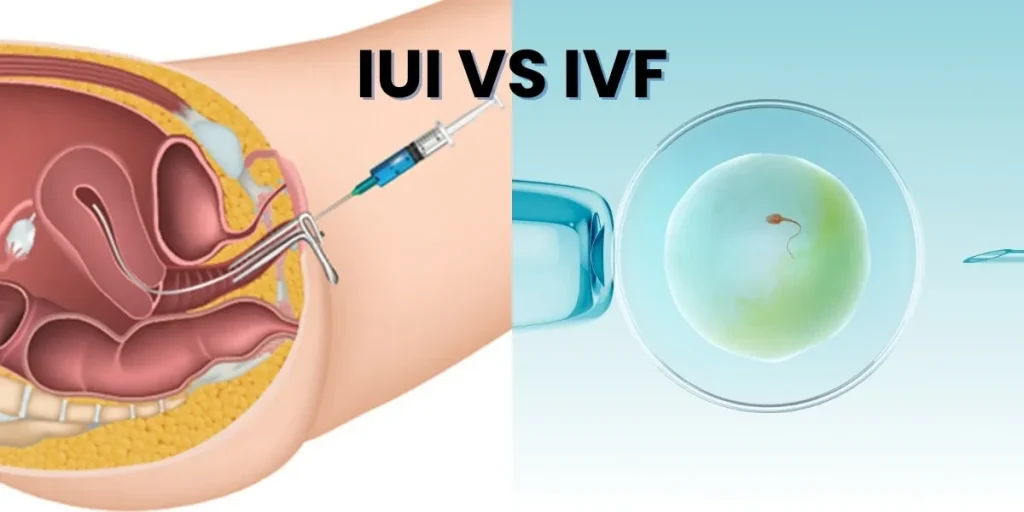
    comparison of IUI and IVF fertility treatments with illustrations of procedures and a petri dish with an egg and sperm

    Breaking the Stigma: Male Factor Infertility and the Importance of Treatment

    There are various potential causes of male infertility, ranging from hormonal imbalances to physical factors. Some common causes include low sperm count, poor sperm quality, and erectile dysfunction. Lifestyle factors such as smoking, excessive alcohol consumption, and drug use can also contribute to male infertility. In some cases, there may be underlying medical conditions such as testicular cancer or genetic disorders that affect fertility.

    It is essential for men to understand that infertility is not their fault. Just as women can experience fertility issues, men can also have challenges with their reproductive health. Seeking medical advice and testing can help to identify the root cause of male infertility and determine the best course of treatment.

    The Importance of Treatment

    Seeking treatment for male factor infertility is crucial for both the physical and mental well-being of men and their partners. Not only can treatment potentially lead to successful conception, but it can also alleviate the stress and emotional burden of infertility. It can also improve the chances of natural conception and reduce the need for more invasive and costly fertility treatments.

    There are various treatment options available for male infertility, depending on the underlying cause. These may include lifestyle changes, medication, surgery, or assisted reproductive techniques such as intrauterine insemination (IUI) or in vitro fertilization (IVF). It is essential for couples to work closely with a fertility specialist to determine the best course of treatment for their specific situation.

    In addition to medical treatment, men can also benefit from counseling or support groups to address the emotional impact of infertility. Talking to others who are going through a similar experience can provide a sense of community and understanding, helping to break the sense of isolation that often accompanies male infertility.

    In conclusion, male factor infertility is a common but often overlooked issue that affects many couples. The stigma surrounding male infertility can have a detrimental impact on men’s mental health and their relationships. It is essential to break down this stigma and encourage men to seek treatment for their infertility. With proper support and medical assistance, men can overcome their infertility and fulfill their dreams of starting a family.

    Summary:

    Male factor infertility is a widespread issue that affects up to 50% of all infertility cases, yet it is often stigmatized and not openly discussed. This stigma can have a significant impact on men’s mental health and their relationships. It is crucial to break down this stigma and encourage men to seek treatment for their infertility. Understanding the potential causes of male infertility and the various treatment options available can help men take proactive steps towards starting a family. Seeking treatment for male infertility is not a sign of weakness but rather a necessary step towards addressing this condition and improving the chances of successful conception.

  • The Battle of the Sexes: Comparing Male and Female Factor Infertility Treatments

    The Battle of the Sexes: Comparing Male and Female Factor Infertility Treatments

    Infertility affects millions of couples around the world, and it can be a physically and emotionally taxing experience. While both men and women can struggle with infertility, the causes and treatment options may differ between the sexes. In this blog post, we will explore the battle of the sexes when it comes to infertility, specifically looking at the causes and treatments for male and female factor infertility.

    Understanding Male and Female Factor Infertility

    Infertility is defined as the inability to conceive after 12 months of trying to conceive without using any form of birth control. It affects approximately 1 in 8 couples, and it can be caused by a variety of factors. Male factor infertility refers to issues with the man’s reproductive system, such as low sperm count or motility, while female factor infertility refers to issues with the woman’s reproductive system, such as hormonal imbalances or blocked fallopian tubes.

    Causes of Male Factor Infertility

    Male factor infertility can be caused by a variety of factors, including:

    1. Low sperm count: A low sperm count, also known as oligospermia, refers to having fewer than 15 million sperm per milliliter of semen. This can make it difficult for the sperm to reach and fertilize the egg.

    2. Poor sperm motility: Sperm motility refers to the ability of sperm to swim and move towards the egg. If the sperm has poor motility, it may not be able to reach and fertilize the egg.

    3. Abnormal sperm shape: Sperm with abnormal shapes may have difficulty penetrating the egg and fertilizing it.

    4. Varicocele: This is a condition where the veins in the scrotum are enlarged, causing an increase in temperature that can affect sperm production.

    5. Hormonal imbalances: Hormonal imbalances, such as low testosterone levels, can affect sperm production and quality.

    Causes of Female Factor Infertility

    Female factor infertility can be caused by a variety of factors, including:

    1. Ovulation disorders: Disorders such as polycystic ovary syndrome (PCOS) can affect ovulation and make it difficult for a woman to conceive.

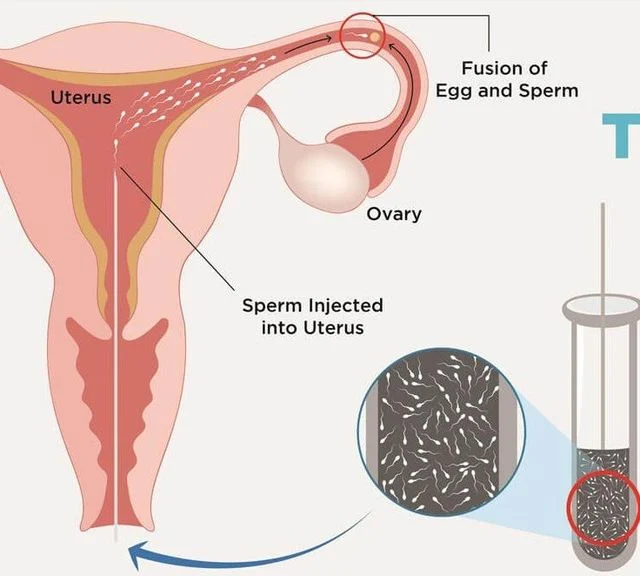
    Diagram illustrating intrauterine insemination (IUI) procedure with sperm injection into the uterus.

    The Battle of the Sexes: Comparing Male and Female Factor Infertility Treatments

    2. Blocked fallopian tubes: If the fallopian tubes are blocked, the sperm may not be able to reach the egg for fertilization.

    3. Endometriosis: This is a condition where the tissue that lines the uterus grows outside of it, affecting fertility.

    4. Uterine issues: Structural issues with the uterus, such as fibroids or polyps, can affect fertility.

    5. Age: As women age, their fertility declines, and they may have difficulty conceiving.

    Treatments for Male Factor Infertility

    The most common treatment for male factor infertility is intrauterine insemination (IUI). During this procedure, washed and concentrated sperm is placed directly into the woman’s uterus around the time of ovulation. This increases the chances of fertilization and pregnancy. In cases of severe male factor infertility, in vitro fertilization (IVF) may be recommended. This involves retrieving sperm directly from the testicles and fertilizing the egg in a laboratory setting before transferring the embryo into the woman’s uterus.

    Other treatments for male factor infertility include surgery to repair varicocele or remove blockages in the reproductive system, and medication to address hormonal imbalances.

    Treatments for Female Factor Infertility

    The most common treatment for female factor infertility is ovulation induction, which involves taking medication to stimulate the ovaries and increase the chances of ovulation. This is often combined with IUI to increase the chances of fertilization.

    If the fallopian tubes are blocked or damaged, surgery may be recommended to repair or remove the blockages. In cases of severe female factor infertility, IVF may be recommended, where the eggs are retrieved from the ovaries, fertilized in a laboratory, and then transferred into the woman’s uterus.

    Lifestyle changes, such as maintaining a healthy weight and avoiding smoking and excessive alcohol consumption, can also improve fertility in women.

    Comparing Male and Female Factor Infertility Treatments

    There are a few key differences between the treatments for male and female factor infertility. While IUI is a common treatment for both, it is often combined with ovulation induction in the case of female factor infertility. Additionally, IVF is more commonly used for severe male factor infertility, while surgery may be recommended for severe female factor infertility.

    It’s also important to note that fertility treatments can be costly and emotionally draining, and success rates vary depending on the cause of infertility and individual factors.

    In summary, infertility is a common issue that can affect both men and women, but the causes and treatments may differ between the sexes. While male factor infertility is often treated with IUI or IVF, female factor infertility may require ovulation induction or surgery. With advancements in technology and medicine, there is hope for couples struggling with infertility to achieve their dream of having a child.

  • Frozen Donor Sperm: An Alternative for Couples Struggling with Male Infertility

    Frozen Donor Sperm: An Alternative for Couples Struggling with Male Infertility

    Infertility affects millions of couples worldwide, with male infertility being a major contributing factor. While there are various treatments available for male infertility, not all couples are able to conceive using their own sperm. In such cases, frozen donor sperm can be a viable option for couples who are struggling to conceive. In this blog post, we will explore the concept of frozen donor sperm and how it can provide hope for couples facing male infertility.

    What is Frozen Donor Sperm?

    Frozen donor sperm, also known as donor insemination, is a process in which sperm from a donor is used to fertilize a woman’s egg in order to achieve pregnancy. The sperm is collected from a healthy, screened donor and then frozen for future use. This method of conception has been used for decades and has helped countless couples achieve their dream of parenthood.

    Why is Frozen Donor Sperm Used?

    There are several reasons why couples may choose to use frozen donor sperm. The most common reason is male infertility. This may be due to low sperm count, poor sperm quality, or other medical conditions that prevent the man from producing viable sperm. In such cases, using donor sperm can greatly increase the chances of a successful pregnancy.

    Another reason for using frozen donor sperm is for couples who are carriers of genetic diseases. In such cases, using donor sperm from a non-carrier can eliminate the risk of passing on the disease to the child. This is particularly beneficial for couples with a family history of genetic disorders.

    The Process of Using Frozen Donor Sperm

    The process of using frozen donor sperm starts with selecting a suitable donor. Couples can choose from a variety of options such as physical traits, education, and medical history. Once the donor is chosen, the sperm is thawed and prepared for insemination. This can be done through intrauterine insemination (IUI) or in vitro fertilization (IVF).

    illustration of a uterus with a syringe for intrauterine insemination (IUI) procedure

    Frozen Donor Sperm: An Alternative for Couples Struggling with Male Infertility

    IUI involves the insertion of the thawed sperm directly into the woman’s uterus during ovulation. This method is less invasive and less expensive compared to IVF. However, IVF may be recommended for couples who have not been successful with IUI or have other fertility issues.

    Benefits of Using Frozen Donor Sperm

    One of the main benefits of using frozen donor sperm is that it eliminates the need for a male partner. This is particularly beneficial for single women or same-sex couples who want to start a family. It also provides hope for couples struggling with male infertility, giving them a chance to conceive and have a biological child.

    Another benefit is the ability to choose a donor based on specific traits. This can be reassuring for couples who have a family history of certain medical conditions or want a donor with similar physical characteristics. Additionally, using frozen donor sperm can be less expensive than other fertility treatments, making it a more affordable option for some couples.

    Things to Consider

    While using frozen donor sperm can be a great option for couples struggling with male infertility, there are a few things to consider before making the decision. It is important to thoroughly research and choose a reputable sperm bank to ensure the quality and safety of the donor sperm. It is also recommended to speak with a fertility specialist to discuss the best treatment plan and any potential risks or complications.

    Another important factor to consider is the emotional aspect of using donor sperm. Some couples may struggle with the idea of using a donor and may need to seek counseling to work through any feelings of loss or inadequacy.

    In Summary

    Frozen donor sperm can be a viable option for couples struggling with male infertility. It involves using sperm from a healthy donor to fertilize a woman’s egg, providing hope for couples who want to start a family but are unable to use their own sperm. The process is safe, effective, and allows for the selection of specific donor traits. However, it is important to carefully consider all aspects of using donor sperm before making a decision.

  • Holistic Approaches to Addressing Male Infertility

    Blog Post Title: Holistic Approaches to Addressing Male Infertility: A Comprehensive Guide

    Summary:

    Infertility affects approximately 15% of couples trying to conceive, with male infertility accounting for about 40% of these cases. While there are various medical treatments available, many couples are turning to holistic approaches to address male infertility. These approaches focus on improving overall health and well-being, rather than just targeting the reproductive system. In this blog post, we will explore the different holistic approaches to addressing male infertility, including diet and lifestyle changes, herbal remedies, acupuncture, and mind-body techniques.

    Diet and Lifestyle Changes:
    The first step in addressing male infertility holistically is to make dietary and lifestyle changes. A healthy, balanced diet that includes whole foods, fruits, vegetables, and lean proteins can help improve sperm quality and quantity. Avoiding processed foods, alcohol, and smoking is also crucial. Regular exercise, stress management techniques, and getting enough sleep are also important factors that can improve overall health and fertility.

    Herbal Remedies:
    Herbs have been used for centuries to treat various health conditions, including male infertility. Some of the most commonly used herbs for male infertility include ashwagandha, maca root, and tribulus. These herbs have been shown to improve sperm count, motility, and morphology. It is important to note that herbs should be used under the guidance of a qualified herbalist or healthcare practitioner.

    Comparison of IUI and IVF, illustrating procedures and definitions for each fertility treatment.

    Holistic Approaches to Addressing Male Infertility

    Acupuncture:
    Acupuncture is an ancient Chinese practice that involves inserting thin needles into specific points on the body. Studies have shown that acupuncture can improve sperm quality and increase the chances of conception in couples struggling with infertility. It is believed that acupuncture helps by improving blood flow to the reproductive organs, reducing stress, and balancing hormones.

    Mind-Body Techniques:
    Stress and anxiety can have a significant impact on male fertility. Mind-body techniques such as meditation, yoga, and tai chi can help reduce stress levels and promote relaxation. These practices can also improve hormonal balance and increase blood flow to the reproductive organs, making them beneficial for male fertility.

    Supplements:
    There are several supplements that can help improve male fertility, including CoQ10, vitamin D, and omega-3 fatty acids. CoQ10 is an antioxidant that helps protect sperm from oxidative damage, while vitamin D is crucial for testosterone production. Omega-3 fatty acids have been shown to improve sperm count and motility. It is important to consult with a healthcare practitioner before starting any supplements.

    Environmental Toxins:
    Exposure to environmental toxins, such as pesticides, chemicals, and heavy metals, can have a negative impact on male fertility. It is essential to avoid these toxins as much as possible and to consider using natural and organic products. Saunas, steam rooms, and hot tubs should also be avoided, as they can increase testicular temperature, which can affect sperm production.

    Conclusion:
    Male infertility can be a challenging and emotional journey for couples, but there are holistic approaches that can help improve fertility and increase the chances of conception. By making dietary and lifestyle changes, using herbal remedies, incorporating mind-body techniques, and avoiding environmental toxins, men can improve their overall health and increase their chances of becoming fathers.

    In summary, holistic approaches to addressing male infertility involve making dietary and lifestyle changes, using herbal remedies, acupuncture, mind-body techniques, and avoiding environmental toxins. These approaches focus on improving overall health and well-being, which can have a positive impact on male fertility. It is essential to consult with a healthcare practitioner before starting any new treatments or supplements.

  • Fertility Acupuncture and Male Infertility: Addressing Underlying Causes

    Blog Post:

    Fertility Acupuncture and Male Infertility: Addressing Underlying Causes

    Infertility affects approximately 15% of couples worldwide, with male infertility being the underlying cause in about 40% of cases. While there are various treatment options available for male infertility, one alternative therapy that has gained popularity in recent years is fertility acupuncture. This ancient Chinese practice involves the insertion of thin needles at specific points on the body to stimulate energy flow and promote overall well-being. In this blog post, we will explore the role of fertility acupuncture in addressing underlying causes of male infertility.

    Understanding Male Infertility

    Before delving into the details of fertility acupuncture, it is crucial to understand the root causes of male infertility. Male infertility can be attributed to various factors such as hormonal imbalances, structural issues, genetic disorders, and lifestyle factors. These underlying causes can affect the quality and quantity of sperm, making it difficult for couples to conceive.

    How Fertility Acupuncture Can Help

    Fertility acupuncture has been used for centuries in traditional Chinese medicine to treat a wide range of health conditions, including infertility. This holistic approach focuses on balancing the body’s energy flow, also known as Qi, to promote overall health and well-being. In the case of male infertility, fertility acupuncture aims to address the underlying causes by:

    1. Improving Sperm Quality and Quantity

    Studies have shown that acupuncture can help improve sperm quality and quantity. The stimulation of specific acupuncture points can increase blood flow to the reproductive organs, which, in turn, can enhance the production of healthy sperm. Acupuncture has also been found to reduce oxidative stress, which can damage sperm DNA and lead to male infertility.

    2. Balancing Hormones

    Hormonal imbalances can be a significant factor in male infertility. Acupuncture can help regulate hormone levels by stimulating the hypothalamus and pituitary gland, which are responsible for producing key reproductive hormones. This can help address issues such as low testosterone levels, which can affect sperm production.

    3. Addressing Structural Issues

    illustration of a uterus with a syringe for intrauterine insemination (IUI) procedure

    Fertility Acupuncture and Male Infertility: Addressing Underlying Causes

    Structural issues, such as varicoceles, can affect sperm production and lead to male infertility. Acupuncture can help improve blood flow and reduce inflammation in the affected areas, which can improve sperm quality and quantity. It can also help alleviate pain and discomfort associated with varicoceles.

    4. Reducing Stress and Anxiety

    Stress and anxiety can have a significant impact on male fertility. Acupuncture can help promote relaxation and reduce stress hormones, such as cortisol, which can interfere with reproductive hormones. It can also help with anxiety and depression, which can be common among couples struggling with infertility.

    5. Improving Overall Health and Well-being

    Fertility acupuncture takes a holistic approach to health, focusing on balancing the body’s energy flow and promoting overall well-being. By addressing underlying causes of male infertility, acupuncture can help improve overall health, which, in turn, can enhance fertility.

    The Role of Diet and Lifestyle Changes

    In addition to fertility acupuncture, adopting a healthy diet and making lifestyle changes can also play a crucial role in addressing underlying causes of male infertility. A diet rich in antioxidants, vitamins, and minerals can help improve sperm quality and quantity. Avoiding excessive alcohol consumption, smoking, and exposure to toxins can also have a positive impact on male fertility.

    Choosing a Qualified Acupuncturist

    While fertility acupuncture has shown promising results in addressing male infertility, it is essential to choose a qualified acupuncturist with experience in treating fertility issues. They should be able to provide a personalized treatment plan based on your specific needs and address any concerns you may have.

    In conclusion, fertility acupuncture can be a beneficial alternative therapy for couples struggling with male infertility. By addressing underlying causes and promoting overall well-being, it can help improve sperm quality and quantity, regulate hormones, reduce stress and anxiety, and enhance overall health. Along with a healthy diet and lifestyle changes, fertility acupuncture can increase the chances of conceiving and help couples achieve their dream of starting a family.

    Summary:

    Male infertility affects a significant percentage of couples worldwide, and while there are various treatment options available, fertility acupuncture has gained popularity in recent years. This ancient Chinese practice aims to address underlying causes of male infertility by improving sperm quality and quantity, balancing hormones, addressing structural issues, reducing stress and anxiety, and promoting overall well-being. Along with a healthy diet and lifestyle changes, fertility acupuncture can increase the chances of conceiving and help couples achieve their dream of starting a family.

  • Intrauterine Insemination vs Sperm Washing: Which is More Invasive?

    Intrauterine Insemination vs Sperm Washing: Which is More Invasive?

    Intrauterine insemination (IUI) and sperm washing are two common fertility treatments that are used to help couples conceive. While both methods have proven to be effective in increasing the chances of pregnancy, there is often confusion about which one is more invasive. In this blog post, we will take a closer look at the procedures of IUI and sperm washing, and compare their levels of invasiveness.

    What is Intrauterine Insemination (IUI)?

    Intrauterine insemination, also known as artificial insemination, is a fertility procedure that involves placing sperm directly into the uterus. The procedure is usually done around the time of ovulation, when the female partner’s eggs are ready to be fertilized. The process begins with the male partner providing a sperm sample, which is then washed and prepared in a laboratory to remove any impurities. The prepared sperm is then inserted into the uterus using a thin catheter, increasing the chances of fertilization.

    How is Sperm Washing Done?

    Sperm washing, on the other hand, is a technique used to separate healthy sperm from semen. This procedure is often recommended for couples who are trying to conceive while the male partner has a sexually transmitted infection (STI). During the process, the semen sample is washed with a special solution that separates the sperm from the other components of the semen. The washed sperm is then used for IUI or in-vitro fertilization (IVF).

    Which One is More Invasive?

    Both IUI and sperm washing involve medical procedures, but the level of invasiveness differs. IUI is a relatively non-invasive procedure, as the only discomfort experienced is the insertion of a thin catheter into the uterus. This procedure is usually done without anesthesia and takes only a few minutes to complete. Some women may experience mild cramping or spotting after the procedure, but this usually subsides within a day.

    comparison of IUI and IVF fertility treatments with illustrations of procedures and a petri dish with an egg and sperm

    Intrauterine Insemination vs Sperm Washing: Which is More Invasive?

    On the other hand, sperm washing is a more invasive procedure. It requires the male partner to provide a semen sample, which can be uncomfortable for some men. Once the sample is collected, it is washed and prepared, which can take several hours. The washed sperm is then inserted into the uterus through IUI or used for IVF, which involves more invasive procedures such as egg retrieval and embryo transfer. In addition, sperm washing may require the use of anesthesia, which can carry some risks and side effects.

    Pros and Cons of IUI and Sperm Washing

    Both IUI and sperm washing have their own set of pros and cons. One of the main advantages of IUI is that it is a relatively simple and non-invasive procedure. It is also less expensive than other fertility treatments such as IVF. On the other hand, sperm washing is a more complex procedure that requires specialized equipment and trained professionals. It also has a higher success rate compared to IUI, making it a better option for couples with fertility issues.

    In terms of cons, IUI is not a suitable option for couples dealing with male infertility or certain STIs. It also has a lower success rate compared to other fertility treatments. Sperm washing, while effective, is a more invasive procedure that may cause discomfort and require the use of anesthesia. It is also more expensive than IUI, making it less accessible for some couples.

    Which One Should You Choose?

    When it comes to choosing between IUI and sperm washing, it ultimately depends on your unique situation and needs. If you and your partner are dealing with male infertility or STIs, sperm washing may be the best option for you. However, if you have unexplained infertility or are looking for a less invasive and more affordable treatment, IUI may be a better choice.

    In conclusion, both IUI and sperm washing have proven to be effective in helping couples conceive. While IUI is a less invasive option, sperm washing has a higher success rate. It is important to consult with a fertility specialist to determine which treatment is best for you and your partner.

    Summary:

    Intrauterine insemination (IUI) and sperm washing are two common fertility treatments that are used to help couples conceive. IUI is a relatively non-invasive procedure that involves placing sperm directly into the uterus, while sperm washing is used to separate healthy sperm from semen. Both procedures have their own set of pros and cons, and the decision on which one to choose depends on the individual’s unique situation and needs. While IUI is less invasive and more affordable, sperm washing has a higher success rate. It is important to consult with a fertility specialist to determine the best treatment option.

  • Empowering Yourself: Taking Control of Your Fertility Journey with Male and Female Infertility Treatments

    Summary:

    The journey to starting a family can be a challenging and emotional one, especially when faced with fertility issues. While many people assume that infertility is solely a female issue, the truth is that both men and women can experience difficulties with conceiving. In this blog post, we will explore the topic of fertility and discuss how both male and female infertility can be addressed through various treatments, ultimately empowering individuals to take control of their fertility journey.

    Firstly, it is important to understand the common causes of male and female infertility. For women, factors such as hormonal imbalances, ovulation disorders, and structural issues with the reproductive system can contribute to difficulty in conceiving. On the other hand, male infertility can be caused by conditions such as low sperm count, poor sperm quality, and issues with sperm delivery. It is crucial for both partners to undergo fertility testing to determine the root cause of their infertility and to guide their treatment options.

    For couples struggling with infertility, it is essential to seek the help of a fertility specialist. These experts can provide a personalized treatment plan based on each individual’s needs. For women, fertility treatments may include medications to regulate ovulation, intrauterine insemination (IUI), or in vitro fertilization (IVF). These treatments can help improve the chances of conception by addressing underlying fertility issues.

    Diagram illustrating the IUI process, showing sperm injection into the uterus and egg fertilization.

    Empowering Yourself: Taking Control of Your Fertility Journey with Male and Female Infertility Treatments

    When it comes to male infertility, there are also various treatment options available. For those with low sperm count, medications such as Clomid can help increase sperm production. In cases of poor sperm quality, intrauterine insemination with donor sperm or IVF with intracytoplasmic sperm injection (ICSI) may be recommended. These treatments can significantly improve the chances of fertilization and pregnancy.

    In addition to medical treatments, there are also lifestyle changes that can be made to improve fertility. Both men and women should maintain a healthy diet, exercise regularly, and avoid smoking and excessive alcohol consumption. For women, reducing stress levels can also have a positive impact on fertility. Acupuncture, yoga, and meditation are all proven methods for reducing stress and promoting overall well-being.

    It is also important for couples to support each other throughout the fertility journey. Infertility can take a toll on a relationship, and it is crucial to communicate openly and seek counseling if needed. Support groups can also be beneficial for connecting with others going through a similar experience and providing a sense of community and understanding.

    Finally, it is essential to remember that fertility treatments may not always result in a successful pregnancy. It is crucial to manage expectations and be prepared for all possible outcomes. While this can be challenging, it is important to stay positive and focus on the steps being taken to achieve pregnancy.

    In conclusion, fertility issues can be a difficult and emotional experience for couples trying to start a family. However, by understanding the causes of infertility, seeking the help of a fertility specialist, making lifestyle changes, and supporting each other, individuals can take control of their fertility journey and increase their chances of conceiving. Remember to stay positive and never lose hope.

  • The Role of Male Partners in Infertility Treatments

    Blog Post:

    Infertility is a common issue that affects many couples around the world. In fact, according to the World Health Organization, infertility affects about 10% of couples worldwide. While there are many factors that can contribute to infertility, it is not solely a female problem. In fact, male partners play a crucial role in the fertility journey.

    When a couple is struggling to conceive, it is important for both partners to seek medical help and support. In this blog post, we will discuss the role of male partners in infertility treatments and how they can support their female partners through this difficult journey.

    Understanding Male Infertility:

    Before we dive into the role of male partners in infertility treatments, it is important to understand male infertility. Male infertility is defined as the inability to impregnate a female partner after one year of regular unprotected intercourse. This can be caused by various factors such as low sperm count, poor sperm motility, and abnormal sperm morphology. It can also be caused by medical conditions such as hormonal imbalances, genetic disorders, and anatomical issues.

    Role of Male Partners in Infertility Treatments:

    1. Getting Tested:

    The first step in any fertility journey is getting tested. Both partners should undergo fertility tests to determine the cause of infertility. In many cases, male partners may be hesitant to get tested, but it is important for them to understand that infertility is not solely a female issue. By getting tested, male partners can help identify any potential issues and work towards finding a solution.

    2. Emotional Support:

    Infertility can be a very emotional and challenging journey for couples. In many cases, women bear the burden of fertility treatments and it can take a toll on their emotional well-being. This is where male partners can play a crucial role in providing emotional support and being a source of strength for their female partners. It is important for male partners to communicate openly and empathize with their partners, as this can make a huge difference in their overall well-being.

    3. Lifestyle Changes:

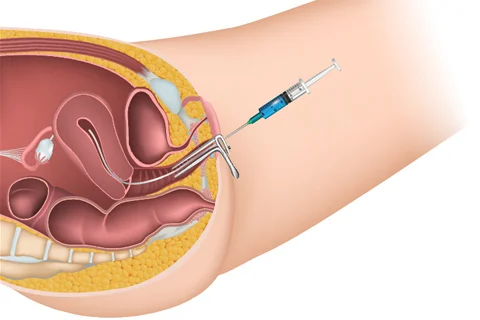
    Illustration of the IUI process, showing a syringe and catheter in the reproductive system.

    The Role of Male Partners in Infertility Treatments

    Male partners can also play a significant role in improving their fertility by making simple lifestyle changes. This includes quitting smoking, reducing alcohol consumption, and maintaining a healthy weight. These lifestyle changes can not only improve the chances of conception but also contribute to overall better health.

    4. Accompanying Partner to Appointments:

    Infertility treatments often involve various appointments and procedures that can be overwhelming for women. Male partners can offer their support by accompanying their partners to these appointments. This shows that they are invested in the journey and can provide emotional support during these procedures.

    5. Understanding Treatment Options:

    Male partners should take the time to understand the various treatment options available for infertility. This can help them make informed decisions and provide valuable input during the decision-making process. It is important for both partners to be involved in the treatment process and work together as a team.

    6. Providing Financial Support:

    Infertility treatments can be expensive, and the financial burden can add stress to an already difficult situation. Male partners can help ease this burden by providing financial support and working together to find ways to cover the costs of treatments.

    7. Being Patient and Understanding:

    Infertility treatments can be a long and challenging process. Male partners should be patient and understanding, as it can take a toll on their female partners both physically and emotionally. It is important to remember that the ultimate goal is to start a family and to support each other throughout the journey.

    Summarize:

    Infertility is a common issue that affects many couples, and male partners play a crucial role in the fertility journey. They can provide emotional support, accompany their partners to appointments, make lifestyle changes, understand treatment options, and provide financial support. It is important for male partners to be involved in the process and to be patient and understanding throughout the journey.