Tag: Conception

  • The Pros and Cons of Hormone Injections for Fertility

    Hormone injections are a commonly used treatment for fertility issues, both in men and women. These injections work by regulating the levels of hormones in the body, which can help with ovulation and sperm production. While hormone injections have been successful in helping many couples conceive, they also come with their own set of pros and cons. In this blog post, we will discuss the benefits and drawbacks of hormone injections for fertility.

    Pros:

    1. Increased chances of conception: One of the biggest benefits of hormone injections is that they can significantly increase the chances of conception. By regulating hormone levels, these injections can help with ovulation and increase the number and quality of eggs produced by the ovaries. This can be especially helpful for women who have irregular or absent periods.

    2. Effective for both men and women: Hormone injections are not just limited to women, but they can also be used to treat fertility issues in men. In men, hormone injections can help improve sperm count and motility, increasing the chances of successful fertilization.

    3. Customized treatment: Hormone injections can be tailored to the specific needs of each individual. This means that the dosage and frequency of injections can be adjusted based on the patient’s hormone levels and response to treatment. This personalized approach can lead to better results and fewer side effects.

    4. Quick results: Unlike other fertility treatments, hormone injections can provide quick results. In some cases, women may start ovulating within a few weeks of starting the injections. This can be beneficial for couples who are trying to conceive and do not want to wait for months or years to see results.

    5. Can be used in conjunction with other treatments: Hormone injections can be used in combination with other fertility treatments, such as in vitro fertilization (IVF) or intrauterine insemination (IUI). This can further increase the chances of successful conception, especially for couples who have been struggling with infertility for a long time.
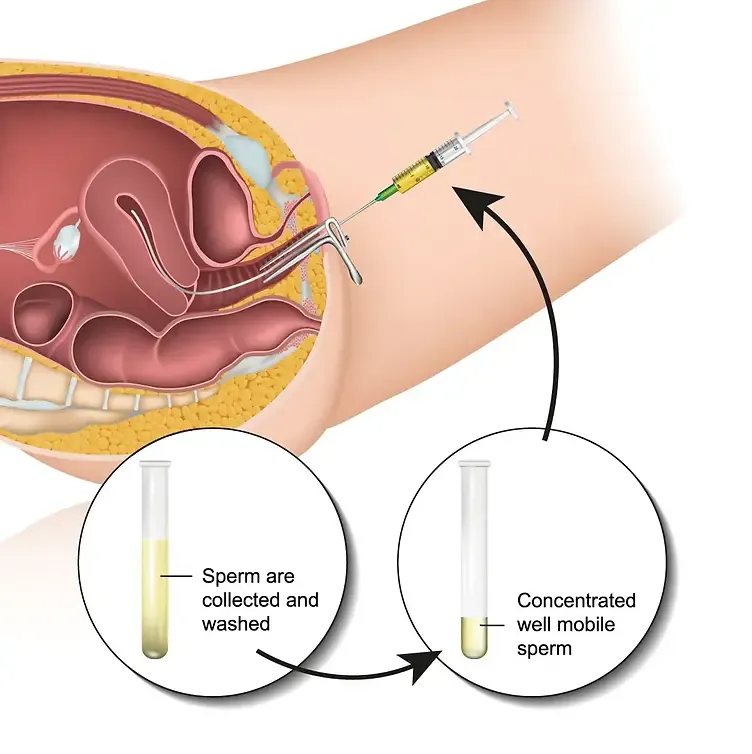
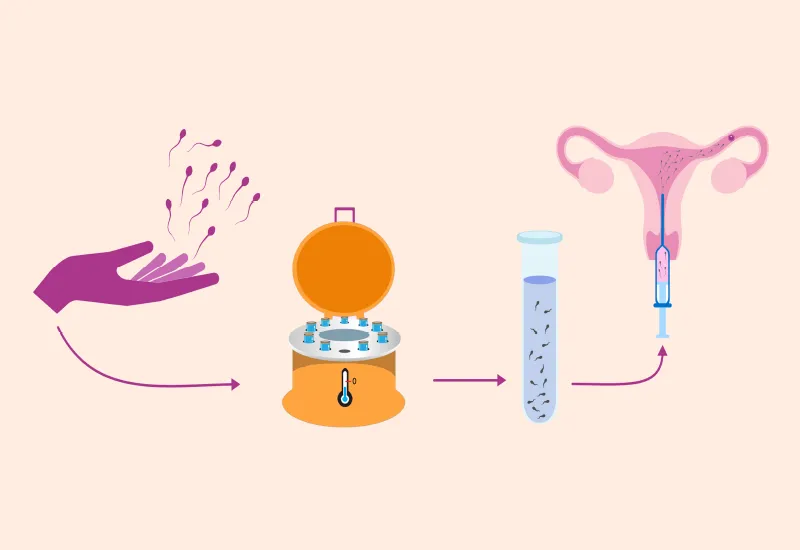
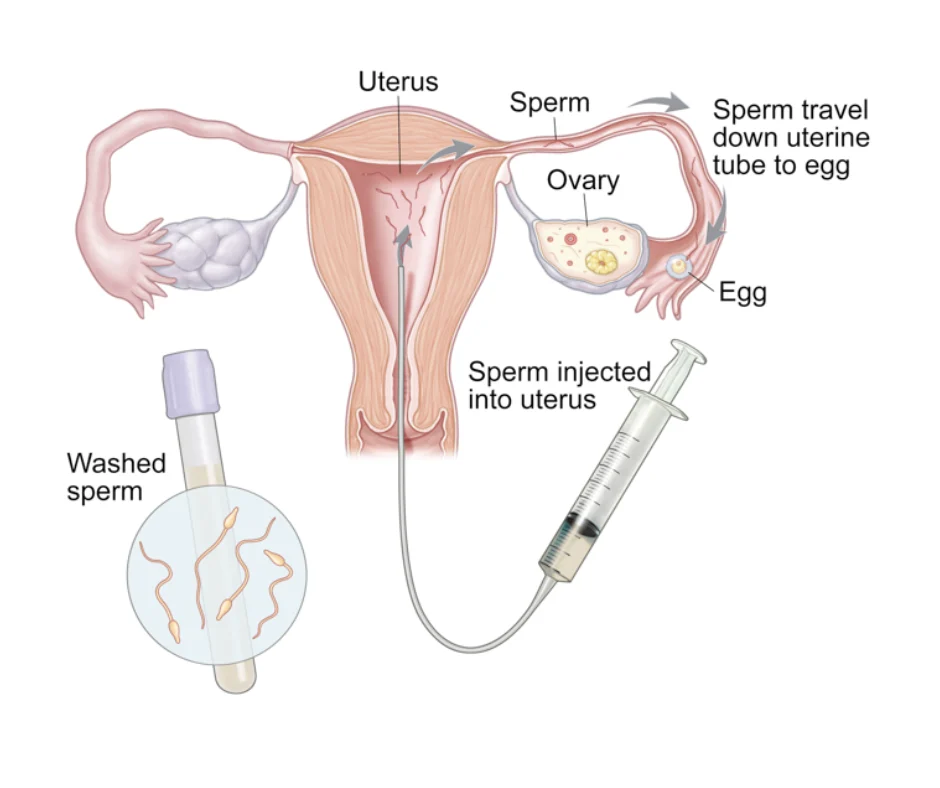
    Illustration of intrauterine insemination process, showing sperm collection and injection into the uterus.

    The Pros and Cons of Hormone Injections for Fertility

    Cons:

    1. Side effects: Like any medication, hormone injections can come with a range of side effects. These can include headaches, mood swings, hot flashes, and bloating. In some cases, these side effects can be severe and may require medical attention.

    2. Risk of multiple births: One of the most significant concerns with hormone injections is the risk of multiple births. As these injections stimulate the ovaries to produce more eggs, there is a higher chance of conceiving twins, triplets, or even higher-order multiples. While this may be a dream come true for some couples, it can also come with its own set of challenges and complications.

    3. Cost: Hormone injections can be costly, especially when used in combination with other fertility treatments. Depending on the dosage and frequency, the cost of these injections can add up quickly. This can be a significant barrier for couples who are already facing financial strain due to their fertility struggles.

    4. Emotional toll: Going through fertility treatments can be emotionally taxing for both partners. The ups and downs of hormone injections, coupled with the stress of trying to conceive, can take a toll on a couple’s mental health. It is essential to seek support from loved ones and mental health professionals during this time.

    5. Not a guaranteed solution: While hormone injections have been successful for many couples, they are not a guaranteed solution for fertility issues. Some individuals may not respond to the injections, or they may not result in a successful pregnancy. This can be disappointing and frustrating for couples who have invested time, money, and emotions into the treatment.

    In summary, hormone injections can be an effective treatment for fertility issues, but they also come with their own set of pros and cons. These injections can increase the chances of conception, be personalized to the individual’s needs, and provide quick results. However, they can also have side effects, be costly, and not always result in a successful pregnancy. It is essential to weigh these factors and consult with a fertility specialist to determine if hormone injections are the right treatment option for you.

  • DIY Fertility Treatments: A Natural and Affordable Option

    DIY Fertility Treatments: A Natural and Affordable Option

    When it comes to fertility treatments, many people automatically think of expensive medical procedures and treatments. However, there are also natural and affordable options available for those who are trying to conceive. DIY fertility treatments involve making lifestyle changes, using natural supplements, and practicing techniques that can help increase fertility. In this blog post, we will explore some of these DIY fertility treatments that are not only cost-effective but also have the potential to improve fertility and increase the chances of conception.

    1. Diet and Nutrition

    The food we eat plays a significant role in our overall health, including fertility. Therefore, it is essential to maintain a healthy and balanced diet to increase fertility. A diet rich in whole grains, fruits, vegetables, and healthy fats can help improve reproductive health. Processed foods, refined sugars, and unhealthy fats should be avoided as they can negatively impact fertility.

    In addition to following a healthy diet, there are also specific foods that are known to boost fertility. These include foods high in antioxidants, such as berries, leafy greens, and nuts. Foods rich in omega-3 fatty acids, such as salmon and chia seeds, can also help improve fertility. Including these foods in your diet can not only help improve fertility but also contribute to overall health and well-being.

    2. Exercise and Weight Management

    Regular physical activity is crucial for maintaining a healthy weight and promoting overall health. For women trying to conceive, maintaining a healthy weight is essential as being underweight or overweight can affect fertility. Studies have shown that women with a body mass index (BMI) of 25 or higher have a harder time getting pregnant. Therefore, incorporating regular exercise into your routine and maintaining a healthy weight can help increase fertility.

    3. Stress Management

    Stress can have a significant impact on fertility. When we are stressed, our bodies produce cortisol, a hormone that can interfere with ovulation. Therefore, it is essential to manage stress levels when trying to conceive. Practices like meditation, yoga, and deep breathing can help reduce stress and promote relaxation. Additionally, seeking support from loved ones and talking to a therapist can also be helpful in managing stress during the fertility journey.

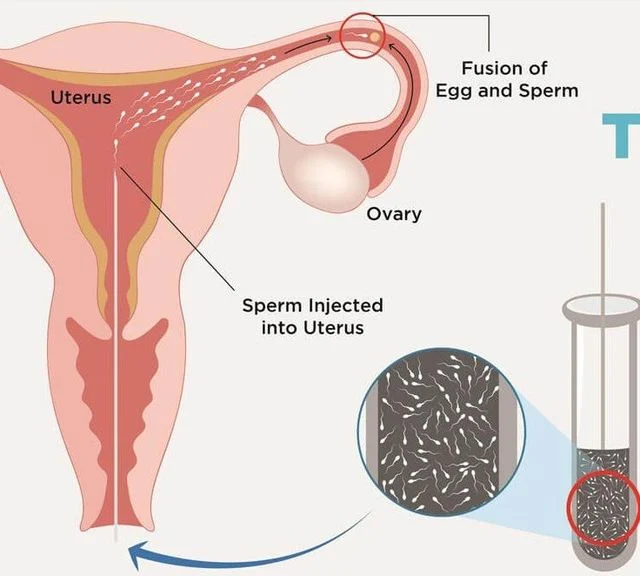
    diagram illustrating intrauterine insemination process, showing sperm injection into the uterus and egg fertilization pathway

    DIY Fertility Treatments: A Natural and Affordable Option

    4. Herbal Supplements

    Many herbal supplements are known to improve fertility and increase the chances of conception. Supplements like maca root, evening primrose oil, and vitex have been used for centuries to enhance fertility. These supplements work by balancing hormones, increasing blood flow to the reproductive organs, and improving egg quality. It is important to consult with a healthcare professional before taking any herbal supplements to ensure they are safe for you and your individual health needs.

    5. Acupuncture

    Acupuncture, a traditional Chinese medicine practice, has been gaining popularity as a fertility treatment in recent years. This technique involves inserting thin needles into specific points on the body to improve energy flow and promote healing. Acupuncture has been shown to regulate hormones, improve blood flow to the reproductive organs, and reduce stress, all of which can help increase fertility. It is recommended to seek out a licensed acupuncturist who specializes in fertility to ensure the best results.

    6. Tracking Ovulation

    Knowing when you are ovulating is crucial when trying to conceive. There are various methods for tracking ovulation, including tracking your menstrual cycle, using ovulation predictor kits, and monitoring changes in cervical mucus. By tracking ovulation, you can time intercourse accordingly and increase your chances of conceiving.

    7. Improve Sperm Health

    Fertility is not just a female issue; male fertility also plays a significant role in conception. Therefore, it is crucial for both partners to make changes to improve sperm health. These include avoiding excessive heat, such as hot baths and saunas, quitting smoking, limiting alcohol consumption, and incorporating fertility-boosting foods into the diet.

    In summary, while medical fertility treatments may be the first option that comes to mind, DIY fertility treatments offer a more natural and affordable approach. By making lifestyle changes, incorporating certain foods and supplements, managing stress, and tracking ovulation, couples can increase their chances of conceiving without breaking the bank. It is essential to remember that every individual’s fertility journey is unique, and it is crucial to consult with a healthcare professional before making any significant changes to your routine.

  • Fertility Clinic vs Natural Supplements: Which is the Better Choice?

    Blog Post:

    In today’s world, there are countless options available for couples struggling to conceive. From fertility clinics to natural supplements, it can be overwhelming to determine which is the better choice. While fertility clinics offer advanced medical treatments, natural supplements claim to boost fertility in a more holistic way. So, which option is truly the best for increasing chances of pregnancy? In this blog post, we will compare the pros and cons of fertility clinics and natural supplements to help you make an informed decision.

    Fertility Clinics:
    Fertility clinics offer a wide range of services, from basic fertility testing to advanced treatments such as in vitro fertilization (IVF) and intrauterine insemination (IUI). These clinics have highly trained doctors and state-of-the-art technology to diagnose and treat various fertility issues. They also provide personalized treatment plans based on the couple’s specific needs.

    One of the main advantages of fertility clinics is their success rates. According to the Centers for Disease Control and Prevention (CDC), the success rate for IVF in women under 35 years old is around 40%. This number may seem low, but it is significantly higher than the success rate of natural conception, which is only 20% per cycle. Additionally, fertility clinics offer a variety of treatment options, making it possible for couples to find a solution that works best for them.

    However, fertility clinics can be expensive, with the average cost of IVF in the United States ranging from $12,000 to $15,000 per cycle. This cost can be a major barrier for many couples, especially if multiple cycles are needed. Fertility treatments also come with potential risks and side effects, such as ovarian hyperstimulation syndrome (OHSS) and multiple pregnancies, which can be risky for both the mother and the babies.

    Natural Supplements:
    On the other hand, natural supplements are a popular alternative for couples seeking a more affordable and less invasive option for boosting fertility. These supplements are made from natural ingredients, such as herbs, vitamins, and minerals, and claim to improve overall reproductive health and increase chances of conception.

    Comparison of IUI and IVF with illustrations of each procedure.

    Fertility Clinic vs Natural Supplements: Which is the Better Choice?

    One of the main advantages of natural supplements is their accessibility and affordability. They can be easily purchased over the counter or online, and the cost is significantly lower than fertility treatments. Additionally, natural supplements are generally considered safe, with minimal risk of side effects.

    However, the effectiveness of these supplements is still a topic of debate. While some studies have shown promising results, there is a lack of scientific evidence to support the claims made by supplement manufacturers. Moreover, the quality and purity of these supplements can vary, making it difficult to determine their true effectiveness.

    Furthermore, natural supplements may not be suitable for everyone. They may not be effective for couples with underlying medical conditions that cause infertility, and they can also interfere with prescription medications. It is important to consult with a doctor before starting any supplement regimen.

    Which is the Better Choice?
    In conclusion, both fertility clinics and natural supplements have their own advantages and disadvantages. Fertility clinics offer advanced medical treatments with higher success rates, but they can be expensive and come with potential risks and side effects. Natural supplements are more affordable and accessible, but their effectiveness is still uncertain and they may not be suitable for everyone.

    The best choice for a couple struggling with infertility may depend on their specific situation and preferences. It is important to consult with a doctor and consider all factors before making a decision. In some cases, a combination of both options may be the most effective approach.

    Summary:
    Fertility clinics and natural supplements are two popular options for couples struggling with infertility. Fertility clinics offer advanced medical treatments with higher success rates, but they can be expensive and come with potential risks and side effects. Natural supplements are more affordable and accessible, but their effectiveness is still uncertain and they may not be suitable for everyone. It is important to consult with a doctor and consider all factors before making a decision.

  • DIY Fertility Solutions: Separating Fact from Fiction

    DIY Fertility Solutions: Separating Fact from Fiction

    Fertility is a topic that is surrounded by a lot of myths and misinformation. Couples struggling to conceive often turn to DIY fertility solutions in hopes of increasing their chances of getting pregnant. However, it is important to separate fact from fiction when it comes to these DIY solutions. In this blog post, we will explore some of the most common DIY fertility solutions and determine whether they are backed by science or simply myths.

    Myth: Eating a certain diet can increase fertility.

    Fact: While maintaining a healthy diet is important for overall health, there is no specific diet that can guarantee increased fertility. However, some studies have shown that following a Mediterranean diet, which includes fruits, vegetables, whole grains, and healthy fats, may help improve fertility in women. It is also important to limit alcohol and caffeine intake, as these can have a negative impact on fertility.

    Myth: Herbal supplements can boost fertility.

    Fact: There are many herbal supplements that claim to boost fertility, but there is limited research to support these claims. Some supplements, such as chasteberry and maca root, have shown some potential in improving fertility in women. However, it is important to consult with a healthcare professional before taking any herbal supplements, as they can interact with medications and may not be safe for everyone.

    Myth: Certain sexual positions can increase the chances of conception.

    Fact: There is no scientific evidence to support the idea that certain sexual positions can increase the chances of conception. The most important factor in getting pregnant is timing intercourse during ovulation. This means having sex during the most fertile days of a woman’s cycle, which is usually around 12-14 days after the start of her last period.

    Myth: Using certain lubricants can hinder sperm movement.

    Fact: While some lubricants may have ingredients that can be harmful to sperm, there are also fertility-friendly lubricants available that are specifically designed to not interfere with sperm movement. It is important to do research and choose a lubricant that is safe for conception if you are trying to get pregnant.

    Myth: Exercising too much can decrease fertility.

    Fact: Exercise is important for overall health and can actually improve fertility in women. However, excessive exercise can lead to irregular menstrual cycles and lower levels of estrogen, which can affect fertility. It is important to find a balance and not overdo it when it comes to exercise.

    illustration of the IUI process, showing sperm collection, preparation, and insertion into the uterus

    DIY Fertility Solutions: Separating Fact from Fiction

    Myth: Stress can cause infertility.

    Fact: While stress can have a negative impact on overall health, there is no evidence to suggest that it directly causes infertility. However, stress can affect a woman’s menstrual cycle and may make it more difficult to conceive. Finding ways to manage stress, such as through exercise, meditation, or therapy, can be beneficial for both physical and mental health.

    Myth: Certain foods can increase sperm count and improve male fertility.

    Fact: While there are some foods that are beneficial for male fertility, such as foods high in antioxidants, there is no specific diet that can guarantee increased sperm count. It is important for men to maintain a healthy diet and lifestyle, as well as avoid habits like smoking and excessive alcohol consumption, which can negatively impact sperm health.

    Myth: Natural remedies, such as acupuncture and chiropractic care, can improve fertility.

    Fact: While these alternative therapies may have some benefits for overall health, there is limited research to support their effectiveness in improving fertility. However, some studies have shown that acupuncture may help improve fertility in women undergoing assisted reproductive techniques, such as in vitro fertilization (IVF).

    Myth: Taking certain medications can increase fertility.

    Fact: There are some medications that are commonly used to treat infertility, such as clomiphene citrate and letrozole. However, these medications should only be taken under the guidance of a healthcare professional, as they can have serious side effects and may not be suitable for everyone.

    Myth: Age only affects female fertility.

    Fact: While it is commonly known that a woman’s fertility declines with age, it is also true for men. As men age, their sperm count and quality may decrease, making it more difficult to conceive. It is important for both men and women to be aware of the impact of age on fertility and to seek medical assistance if needed.

    In conclusion, it is important to be cautious when it comes to DIY fertility solutions. While some may have some potential benefits, it is best to consult with a healthcare professional and do thorough research before trying any DIY methods. It is also important to remember that every person’s body and fertility journey is different, so what may work for one person may not work for another. Seeking medical advice and support is always the best option when trying to conceive.

    Summary: Fertility is a topic surrounded by myths and misinformation. This blog post debunks common myths about DIY fertility solutions, such as diet, herbal supplements, sexual positions, and stress. It also addresses the impact of age on fertility for both men and women. While some DIY methods may have potential benefits, it is important to consult with a healthcare professional and do thorough research before trying them.

  • The Rise of DIY Fertility: Why More Women are Turning to At-Home Solutions

    Blog post:

    In recent years, there has been a noticeable rise in women turning to at-home fertility solutions to help them conceive. With advancements in technology and more information readily available, women are taking matters into their own hands and exploring DIY fertility methods. From tracking their menstrual cycles to using at-home ovulation kits, women are finding empowerment and control in their fertility journey. In this blog post, we will explore the reasons behind the rise of DIY fertility and the various methods women are using to increase their chances of conception.

    The desire to have a child is a natural and primal instinct for many women. However, the traditional route of seeking medical assistance for fertility issues can be costly, time-consuming, and emotionally draining. In recent years, there has been a growing trend of women seeking alternative and more affordable options to help them conceive. This has led to the rise of DIY fertility, where women are taking charge of their fertility journey and using various methods to increase their chances of getting pregnant.

    One of the main reasons for the rise of DIY fertility is the increasing accessibility of information and technology. With the internet at our fingertips, women have access to an abundance of information about fertility, ovulation, and conception. This has allowed them to educate themselves and become more aware of their bodies and their fertility window. From tracking their menstrual cycles to using fertility apps and online forums, women are using technology to their advantage in their fertility journey.

    Another factor contributing to the rise of DIY fertility is the high cost of traditional fertility treatments. In vitro fertilization (IVF) and other assisted reproductive technologies can cost thousands of dollars, making it out of reach for many couples. This has led women to explore more affordable options, such as at-home insemination kits and natural fertility supplements. These methods not only save money but also give women a sense of control and autonomy over their bodies and their fertility journey.

    The rise of DIY fertility is also linked to the increasing age of women trying to conceive. As more women delay motherhood for various reasons, such as career goals or financial stability, their fertility may decline. This has led to an increase in the number of women seeking fertility solutions in their late 30s and early 40s. With age being a crucial factor in fertility, women are turning to DIY methods to increase their chances of getting pregnant before it’s too late.

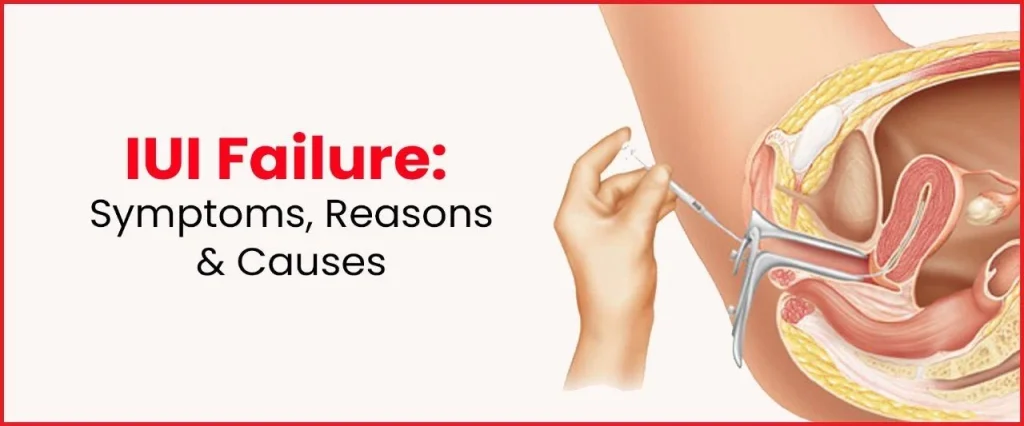
    illustration of IUI procedure with text on symptoms, reasons, and causes of IUI failure

    The Rise of DIY Fertility: Why More Women are Turning to At-Home Solutions

    One of the most popular methods of DIY fertility is tracking ovulation. Ovulation is the process of releasing an egg from the ovary, and it is the most crucial time for conception. By tracking their ovulation, women can determine their most fertile days and plan intercourse accordingly. This can be done by using ovulation predictor kits, checking basal body temperature, or monitoring cervical mucus changes. These methods are relatively simple and can be done at home, giving women more control over their fertility.

    Another common DIY fertility method is using at-home insemination kits. These kits provide everything needed for insemination, including sperm, a syringe, and instructions. They can be used by single women or same-sex couples who want to conceive without traditional medical assistance. While the success rates of at-home insemination may not be as high as those of IVF, it is a more affordable and intimate option for many women.

    Natural fertility supplements and herbs are also gaining popularity among women trying to conceive. These supplements claim to boost fertility by balancing hormones, improving egg quality, and increasing sperm count. While the effectiveness of these supplements is still debated, many women have reported success in using them. However, it is essential to consult with a healthcare provider before taking any supplements to ensure they are safe and suitable for individual needs.

    The rise of DIY fertility has also brought about some concerns and criticisms. Some argue that without proper medical guidance, DIY methods may not be as effective and could even be harmful. It is crucial for women to be well-informed and seek medical advice when needed to ensure a safe and healthy fertility journey. Additionally, some believe that the pressure to conceive using DIY methods may cause unnecessary stress and anxiety for women. It is essential to remember that every woman’s fertility journey is unique, and there is no one-size-fits-all solution.

    In conclusion, the rise of DIY fertility is a result of various factors, including increased access to information and technology, the high cost of traditional fertility treatments, and the increasing age of women trying to conceive. Women are taking control of their fertility journey and exploring alternative and more affordable options to help them conceive. While there are some concerns surrounding DIY fertility, it is ultimately empowering women and giving them a sense of autonomy in their reproductive choices.

    Summary:

    The rise of DIY fertility is a growing trend where women are taking charge of their fertility journey and using various methods to increase their chances of getting pregnant. Factors such as increased access to information and technology, the high cost of traditional fertility treatments, and the increasing age of women trying to conceive have contributed to this trend. Women are using methods like tracking ovulation, at-home insemination kits, and natural fertility supplements to increase their chances of conception. However, it is essential for women to seek medical advice and remember that every fertility journey is unique.

  • Fertility Clinic vs Natural Remedies: What Actually Works?

    Blog Post:

    Fertility is a topic that has been shrouded in mystery and controversy for centuries. With the increase in modern technology and medical advancements, fertility treatments have become more accessible and widely available. However, there is still a debate on whether natural remedies or fertility clinics are more effective in helping couples struggling with fertility issues. In this blog post, we will delve into the differences between fertility clinics and natural remedies, and explore which one actually works when it comes to fertility treatment.

    Fertility Clinics:
    Fertility clinics are specialized medical centers that offer a range of treatments and procedures to help couples conceive. These clinics are usually run by reproductive endocrinologists who are trained in fertility treatments. Fertility clinics offer a variety of services such as diagnostic testing, fertility medications, assisted reproductive techniques (ART), and in vitro fertilization (IVF). These treatments can be expensive and often require multiple cycles, making them inaccessible for many couples.

    Pros of Fertility Clinics:
    1. Advanced Technology: Fertility clinics have access to advanced medical technology that can help diagnose and treat fertility issues more accurately.
    2. Personalized Treatment: Fertility clinics offer personalized treatment plans based on the couple’s specific needs and medical history.
    3. Success Rates: Fertility clinics often have higher success rates compared to natural remedies, especially for couples with severe fertility issues.

    Cons of Fertility Clinics:
    1. High Cost: Fertility treatments can be expensive, and most insurance companies do not cover them.
    2. Side Effects: Fertility medications and assisted reproductive techniques can have side effects such as bloating, mood swings, and multiple pregnancies.
    3. Emotional Toll: The process of undergoing fertility treatments can be emotionally draining for couples, especially if they have multiple failed cycles.

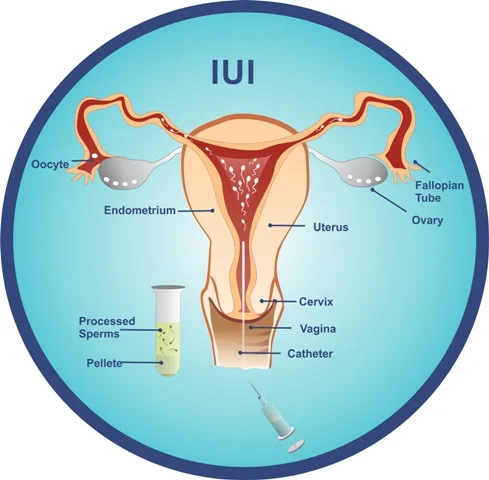
    diagram illustrating intrauterine insemination (IUI) with labeled reproductive anatomy and procedures

    Fertility Clinic vs Natural Remedies: What Actually Works?

    Natural Remedies:
    Natural remedies for fertility have been around for centuries and have gained popularity in recent years. These remedies include lifestyle changes, herbal supplements, acupuncture, and homeopathic treatments. Proponents of natural remedies believe that these treatments can help balance hormones, improve egg quality, and increase sperm count, making it easier for couples to conceive naturally.

    Pros of Natural Remedies:
    1. Cost-Effective: Natural remedies are usually less expensive compared to fertility treatments offered at clinics.
    2. Minimal Side Effects: Natural remedies are generally considered safe and have minimal side effects compared to fertility medications.
    3. Lifestyle Changes: Natural remedies often involve lifestyle changes such as a healthy diet and exercise, which can have positive effects on overall health and fertility.

    Cons of Natural Remedies:
    1. Lack of Scientific Evidence: Most natural remedies lack scientific evidence to support their effectiveness in treating fertility issues.
    2. Inconsistent Results: Natural remedies may work for some couples, but they may not work for others, making it difficult to determine their success rates.
    3. Time-Consuming: Natural remedies may take longer to show results compared to fertility treatments, which can be discouraging for couples who are eager to conceive.

    So, What Actually Works?
    The truth is, there is no definitive answer to which one actually works when it comes to fertility treatment. Both fertility clinics and natural remedies have their pros and cons, and it ultimately depends on the individual couple’s needs and preferences. Some couples may benefit from fertility treatments offered at clinics, while others may find success with natural remedies. In some cases, a combination of both may be necessary.

    It’s essential to consult with a fertility specialist before deciding on a treatment plan. A fertility specialist can assess the couple’s medical history and recommend the best course of action based on their specific needs. It’s also crucial to have realistic expectations and be patient, as fertility treatments, whether at a clinic or through natural remedies, may take time to show results.

    In summary, fertility clinics offer advanced technology and personalized treatment plans, but they can be expensive and have potential side effects. On the other hand, natural remedies are cost-effective and have minimal side effects, but they lack scientific evidence and may not work for everyone. Ultimately, the best approach is to consult with a fertility specialist and explore all options before deciding on a treatment plan that works best for you and your partner.

  • DIY Fertility Treatments: A Comprehensive Guide

    Blog Post Title: DIY Fertility Treatments: A Comprehensive Guide

    Are you and your partner struggling to conceive? The journey to starting a family can be emotionally and physically taxing, especially when faced with fertility challenges. However, many couples are turning to DIY fertility treatments as a more affordable and accessible alternative to traditional medical interventions. In this comprehensive guide, we will explore the various DIY fertility treatments available, their effectiveness, and safety precautions to consider.

    Understanding Fertility and Common Causes of Infertility

    Before diving into DIY fertility treatments, it’s essential to understand the basics of fertility and the common causes of infertility. Fertility is the ability to conceive and carry a pregnancy to full term. For women, ovulation and having regular menstrual cycles are crucial for fertility, while men need to have healthy sperm production and function.

    Infertility is defined as the inability to conceive after one year of trying for couples under 35 years old, and six months for those over 35. It’s estimated that one in eight couples struggle with infertility, with female factors accounting for 35% of cases, male factors for 30%, and unexplained causes for the remaining 35%.

    Some of the most common causes of infertility in women include hormonal imbalances, ovulation disorders, blocked fallopian tubes, and endometriosis. In men, infertility can be caused by low sperm count, poor sperm motility, or structural problems in the reproductive organs.

    DIY Fertility Treatments

    1. Tracking Ovulation

    Tracking ovulation is a crucial step in increasing the chances of conception. Ovulation is the release of an egg from the ovary, which occurs once a month in women with regular menstrual cycles. By tracking ovulation, you can determine your most fertile days and time intercourse accordingly.

    One method of tracking ovulation is by using an ovulation predictor kit (OPK) that detects the surge in luteinizing hormone (LH) before ovulation. Another popular method is tracking basal body temperature (BBT) by taking your temperature every morning before getting out of bed. A BBT rise of 0.4 to 1.0 degrees Fahrenheit indicates ovulation has occurred.

    2. Lifestyle Changes

    Making healthy lifestyle changes can positively impact fertility. This includes maintaining a healthy weight, exercising regularly, and quitting smoking and excessive alcohol consumption. Being overweight or underweight can affect hormone levels and ovulation, while smoking and excessive alcohol use can decrease sperm quality and quantity.

    3. Diet and Supplements

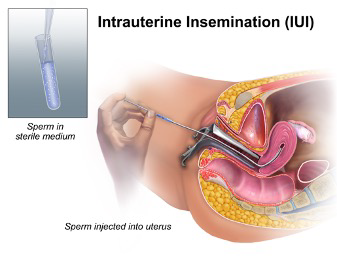
    Illustration of intrauterine insemination (IUI) procedure, showing sperm injection into the uterus.

    DIY Fertility Treatments: A Comprehensive Guide

    Certain foods and supplements have been linked to improved fertility. A diet rich in fruits, vegetables, whole grains, and lean protein can provide essential nutrients for reproductive health. Some supplements, such as folic acid, vitamin D, and CoQ10, have also been found to improve fertility in both men and women.

    4. Acupuncture

    Acupuncture is an ancient Chinese practice that involves inserting thin needles into specific points in the body to promote balance and healing. Studies have shown that acupuncture can help regulate menstrual cycles and improve ovulation in women with fertility issues. It can also increase sperm production and improve sperm quality in men.

    5. Herbal Remedies

    Some herbs have been traditionally used to boost fertility, such as chasteberry, maca root, and evening primrose oil. These herbs are believed to regulate hormones, improve ovulation, and increase libido. However, it’s crucial to consult with a healthcare professional before trying any herbal remedies, as they may interact with certain medications or have adverse effects.

    6. Castor Oil Packs

    Castor oil packs are a DIY fertility treatment that involves applying a cloth soaked in warm castor oil to the lower abdomen. This treatment is believed to improve circulation to the reproductive organs, reduce inflammation, and promote healing. However, there is limited research on the effectiveness of castor oil packs for fertility, and it’s essential to use caution and avoid using them during ovulation or pregnancy.

    7. Yoga and Meditation

    Stress can negatively impact fertility by disrupting hormone levels and ovulation. Yoga and meditation are effective ways to reduce stress and promote relaxation. Certain yoga poses, such as the butterfly pose and the legs-up-the-wall pose, are believed to improve blood flow to the reproductive organs and balance hormones. Meditation and deep breathing exercises can also help manage stress and improve overall well-being.

    Safety Precautions to Consider

    While DIY fertility treatments may seem like a convenient and affordable option, it’s crucial to take the necessary safety precautions. Before trying any of these treatments, it’s essential to consult with a healthcare professional, especially if you have any pre-existing medical conditions or are taking any medications.

    It’s also essential to remember that these treatments are not a substitute for medical advice or treatment. If you have been trying to conceive for a year or more without success, it’s best to seek the help of a fertility specialist.

    In addition, it’s crucial to be aware of potential risks and side effects associated with these treatments. For example, using certain herbs or supplements may interfere with prescribed medications, and acupuncture may cause bruising or bleeding. It’s essential to research and understand the potential risks before trying any DIY fertility treatments.

    In summary, DIY fertility treatments can be an accessible and affordable option for couples struggling with infertility. However, it’s essential to understand the basics of fertility and consult with a healthcare professional before trying any of these treatments. Maintaining a healthy lifestyle, tracking ovulation, and trying natural remedies may increase your chances of conceiving, but it’s vital to seek medical help if you have been unsuccessful after a year of trying.

  • The Importance of Timing: Understanding Ovulation with Artificial Insemination and IVF

    Timing is everything when it comes to achieving a successful pregnancy. For couples struggling with fertility issues, understanding ovulation and utilizing assisted reproductive technologies such as artificial insemination and in vitro fertilization (IVF) can greatly increase their chances of conception. In this blog post, we will explore the importance of timing in the process of ovulation and how it relates to artificial insemination and IVF.

    Ovulation is a key factor in the reproductive process, as it is the release of a mature egg from the ovary. This typically occurs once a month in women with regular menstrual cycles, but can vary for each individual. Understanding when ovulation occurs is crucial for couples trying to conceive, as it is the only time during a woman’s cycle when pregnancy can occur.

    Tracking Ovulation: The Basics
    There are a few different methods for tracking ovulation, including tracking changes in cervical mucus, basal body temperature, and using ovulation predictor kits. These methods can help pinpoint the most fertile time in a woman’s cycle, as ovulation typically occurs within 24-48 hours after a surge in luteinizing hormone (LH) is detected.

    However, for couples using assisted reproductive technologies such as artificial insemination or IVF, timing becomes even more critical. Let’s take a closer look at how understanding ovulation can greatly impact the success of these procedures.

    Artificial Insemination: The Role of Timing
    Artificial insemination (AI), also known as intrauterine insemination (IUI), is a procedure in which sperm is placed directly into a woman’s uterus. This can be done using the partner’s sperm or donor sperm, and can be timed to coincide with ovulation.

    Timing is crucial for artificial insemination, as the sperm must be in the fallopian tubes at the time of ovulation in order to fertilize the egg. This means that the insemination must be performed shortly before or during ovulation. The success rate for AI greatly increases when it is timed correctly with ovulation.

    In some cases, medications such as clomiphene citrate or human chorionic gonadotropin (hCG) may be used to stimulate ovulation and increase the chances of success with AI. The use of these medications allows for more control over the timing of ovulation, making it easier to plan for the insemination procedure.

    IVF: The Importance of Synchronization
    In vitro fertilization (IVF) is a more complex assisted reproductive technology that involves the fertilization of eggs and sperm in a laboratory setting, followed by the transfer of resulting embryos into the uterus. Timing is crucial for IVF, as the eggs must be retrieved and fertilized at the optimal time in order for the procedure to be successful.

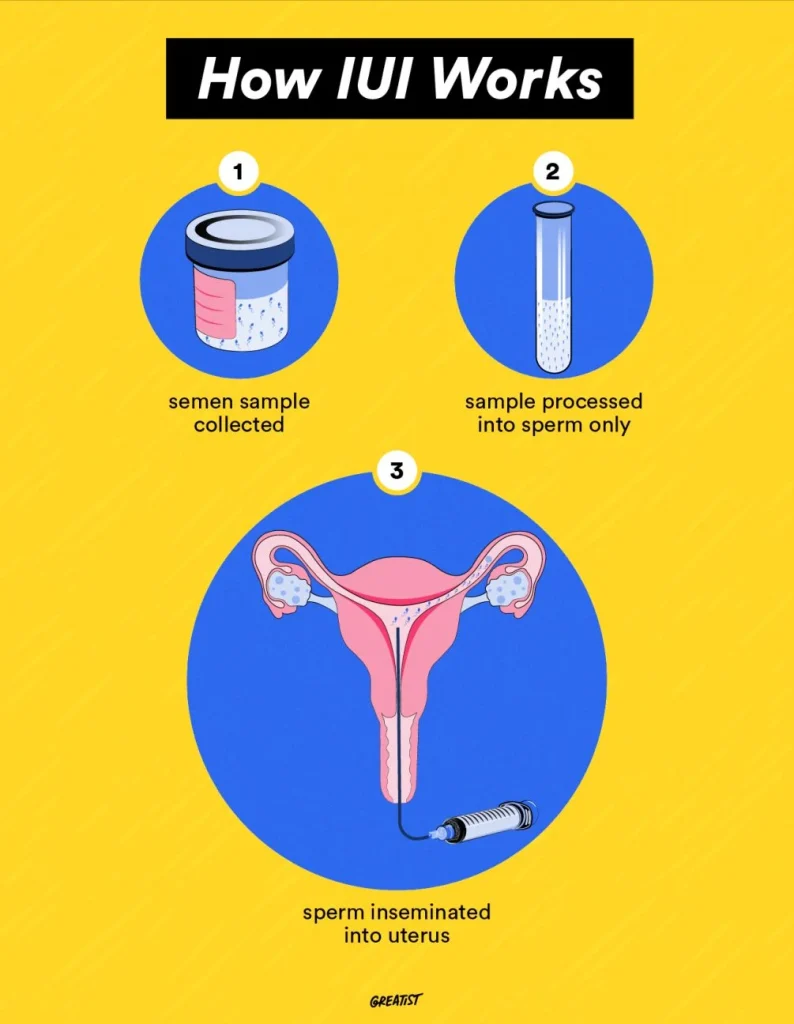
    illustration explaining the steps of intrauterine insemination (IUI) process on a bright yellow background

    The Importance of Timing: Understanding Ovulation with Artificial Insemination and IVF

    In order to retrieve eggs, a woman must undergo ovarian stimulation, which involves taking medications to stimulate the ovaries to produce multiple eggs. This process must be carefully timed with the woman’s natural cycle or with the use of medications, in order to achieve the best results.

    Once the eggs are retrieved, they are fertilized in the laboratory and allowed to develop for a few days before being transferred into the uterus. The timing of this transfer is also crucial, as it needs to coincide with the optimal time for implantation in the uterine lining.

    Understanding ovulation and timing is especially important for women with irregular menstrual cycles, as it can be more difficult to predict when ovulation will occur. In these cases, hormonal monitoring and ultrasound may be used to track ovulation and determine the best time for the IVF procedure.

    The Role of Technology
    Advances in technology have greatly improved the success rates of artificial insemination and IVF. Ovulation predictor kits, fertility tracking apps, and other tools can help women accurately track their ovulation and increase their chances of conception.

    In addition, many fertility clinics now offer time-lapse imaging, which allows for more precise monitoring of embryo development during IVF. This technology can help doctors select the healthiest embryos for transfer, increasing the chances of a successful pregnancy.

    The Emotional Impact
    Understanding the importance of timing in assisted reproductive technologies can not only increase the chances of success, but also help alleviate some of the stress and emotional strain that comes with struggling to conceive. By knowing when ovulation is likely to occur, couples can plan and prepare for the necessary procedures, making the process more manageable.

    In addition, having a better understanding of their fertility and the role of timing can give couples a sense of control and empowerment during a difficult journey.

    In conclusion, timing is crucial when it comes to understanding ovulation and utilizing assisted reproductive technologies such as artificial insemination and IVF. By tracking ovulation and working closely with medical professionals, couples can greatly increase their chances of achieving a successful pregnancy. And with advancements in technology and a better understanding of the role of timing, the journey to parenthood may become a little easier for those struggling with fertility issues.

    SEO metadata:

  • From Conception to Birth: The Journey of Artificial Insemination and IVF

    The journey to parenthood can be a challenging one for many couples. Some may face difficulties in conceiving a child naturally, leading them to explore other options such as artificial insemination and in vitro fertilization (IVF). These assisted reproductive technologies have helped millions of couples around the world to fulfill their dream of having a child. In this blog post, we will take a closer look at the process of artificial insemination and IVF, from conception to birth.

    Conception and Infertility
    Before we dive into the world of artificial insemination and IVF, it is important to understand the concept of conception and infertility. Conception occurs when a sperm fertilizes an egg, leading to the formation of a zygote. This zygote then implants itself in the lining of the uterus, where it grows and develops into a baby. However, for some couples, this process may not happen naturally due to various reasons, leading to infertility.

    Infertility is defined as the inability to conceive a child after one year of regular, unprotected intercourse. It affects approximately 10-15% of couples worldwide, and the causes can be both male and female-related. Some common causes of infertility include hormonal imbalances, ovulation disorders, sperm abnormalities, and structural issues with the reproductive organs.

    Artificial Insemination – The Basics
    Artificial insemination (AI) is a fertility treatment that involves inserting sperm directly into a woman’s cervix, uterus, or fallopian tubes. This procedure is often used to treat male factor infertility, such as low sperm count or poor sperm motility. It can also be used for single women or same-sex female couples who want to start a family.

    The process of artificial insemination starts with the collection of sperm from the male partner or a sperm donor. The sperm is then washed and prepared in a laboratory to remove any impurities and increase its chances of fertilizing an egg. The doctor then inserts the sperm into the woman’s reproductive tract using a thin tube called a catheter. This process is usually painless and takes only a few minutes to complete.

    Success rates of artificial insemination vary depending on factors such as age, cause of infertility, and the number of inseminations. On average, the success rate of AI is around 15% per cycle, which means that it may take several attempts to achieve a pregnancy.

    In Vitro Fertilization – The Revolutionary Fertility Treatment
    In vitro fertilization (IVF) is a more advanced fertility treatment that involves combining eggs and sperm in a laboratory to create embryos. These embryos are then transferred into the woman’s uterus, where they can implant and develop into a pregnancy. IVF is usually recommended for couples with severe infertility issues, such as blocked fallopian tubes, advanced maternal age, or male factor infertility.

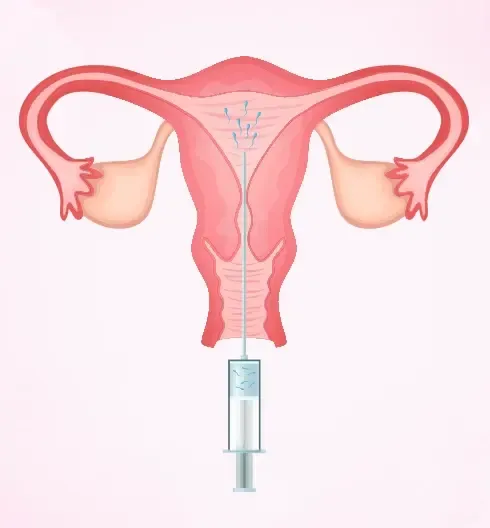
    Illustration of a uterus with a syringe indicating an intrauterine insemination procedure.

    From Conception to Birth: The Journey of Artificial Insemination and IVF

    The IVF process starts with the woman taking fertility medications to stimulate the ovaries to produce multiple eggs. The eggs are then retrieved and fertilized with sperm in a laboratory. The resulting embryos are monitored for a few days before being transferred into the woman’s uterus. Any remaining viable embryos can be frozen and stored for future use.

    The success rate of IVF varies depending on factors such as age, cause of infertility, and the number of embryos transferred. On average, the success rate of IVF is around 30% per cycle, and it may take multiple cycles to achieve a pregnancy.

    The Journey of Pregnancy
    After a successful artificial insemination or IVF procedure, the journey of pregnancy begins. The first few weeks are crucial as the fertilized egg implants itself in the lining of the uterus. Regular check-ups and ultrasounds are essential to monitor the growth and development of the baby. Depending on the woman’s age and medical history, the doctor may recommend additional prenatal tests, such as genetic screening.

    Pregnancy is a beautiful and miraculous journey, but it can also be challenging and overwhelming. It is crucial for couples to take care of their physical and emotional well-being during this time. Eating a healthy diet, staying active, and seeking support from family and friends can help make the journey more manageable.

    The Birth of a Baby
    After nine months of pregnancy, the long-awaited moment finally arrives – the birth of a baby. For couples who have struggled with infertility, this moment is nothing short of a miracle. The birth of a child brings immense joy and fulfillment, making all the challenges and sacrifices worth it.

    However, the journey doesn’t end here. After childbirth, parents need to take care of their newborn and adjust to their new roles as parents. It is also important to remember that infertility can happen again, and seeking the help of fertility specialists can increase the chances of having a second child.

    In conclusion, the journey of artificial insemination and IVF is a rollercoaster of emotions, challenges, and ultimately, the joy of parenthood. These assisted reproductive technologies have revolutionized the way we think about fertility and have given hope to millions of couples around the world. With advancements in technology and medical science, the future of fertility treatment looks bright, offering even more options for couples to start a family.

  • Exploring the Options: Artificial Insemination vs IVF for Fertility Treatment

    Exploring the Options: Artificial Insemination vs IVF for Fertility Treatment

    Infertility is a common issue that affects many couples around the world. According to the World Health Organization, one in every four couples in developing countries is affected by infertility. With advancements in medical technology, there are now various options available for couples who are struggling to conceive. Two of the most popular options are artificial insemination and in vitro fertilization (IVF). In this blog post, we will explore the differences between the two and help you make an informed decision when it comes to choosing the right fertility treatment for you.

    What is Artificial Insemination?

    Artificial insemination, also known as intrauterine insemination (IUI), is a fertility treatment where sperm is inserted directly into a woman’s uterus to increase the chances of fertilization. This procedure is usually recommended for couples who have been trying to conceive for at least a year with no success, or for those who have specific fertility issues such as low sperm count or cervical mucus problems.

    The process of artificial insemination involves collecting sperm from the male partner or a sperm donor, then washing and preparing it in a laboratory. The prepared sperm is then inserted into the woman’s uterus using a thin, flexible catheter. This procedure is relatively quick and painless, and can be done in a doctor’s office without the need for anesthesia.

    What is IVF?

    In vitro fertilization (IVF) is a more complex and costly fertility treatment compared to artificial insemination. It involves the retrieval of a woman’s eggs and the fertilization of those eggs with sperm in a laboratory dish. The fertilized eggs, known as embryos, are then transferred into the woman’s uterus in the hopes of a successful pregnancy. IVF is usually recommended for couples who have been diagnosed with fertility issues such as blocked fallopian tubes, endometriosis, or male factor infertility.

    The process of IVF starts with fertility medications to stimulate the ovaries to produce multiple eggs. Once the eggs are mature, they are retrieved from the woman’s ovaries using a needle under ultrasound guidance. The retrieved eggs are then fertilized with sperm in a laboratory dish. The resulting embryos are monitored for a few days before being transferred into the woman’s uterus. Any extra embryos can be frozen for future use.

    Key Differences between Artificial Insemination and IVF

    1. Success Rates

    When it comes to success rates, IVF has a higher success rate compared to artificial insemination. According to the Centers for Disease Control and Prevention, the success rate for IVF in women under 35 is around 40%, while the success rate for artificial insemination is around 10-20%. However, success rates can vary depending on the cause of infertility, the age of the woman, and other factors.

    Diagram illustrating the IUI process, showing sperm injection into the uterus and egg fertilization.

    Exploring the Options: Artificial Insemination vs IVF for Fertility Treatment

    2. Cost

    Artificial insemination is a more affordable option compared to IVF. The cost of artificial insemination can range from $300 to $1000 per cycle, while the cost of IVF can range from $10,000 to $15,000 per cycle. Additional costs such as fertility medications, diagnostic tests, and embryo freezing can also add to the total cost of IVF.

    3. Invasiveness

    Artificial insemination is a less invasive procedure compared to IVF. The process of artificial insemination does not require any surgical procedures, while IVF involves the retrieval of eggs and the transfer of embryos into the uterus. This makes IVF a more physically demanding and stressful process for some women.

    4. Number of Eggs Retrieved

    In artificial insemination, only a minimal amount of sperm is needed, and only one or two eggs may be fertilized. In IVF, multiple eggs are retrieved and fertilized, and multiple embryos may be transferred into the uterus. This increases the chances of a successful pregnancy, but it also increases the chances of multiple pregnancies.

    Which Option is Right for You?

    Choosing the right fertility treatment can be a difficult decision, and it ultimately depends on your individual circumstances and preferences. Some factors to consider when deciding between artificial insemination and IVF include the cause of infertility, the age of the woman, the success rates and cost of each procedure, and the level of invasiveness.

    If you and your partner have unexplained infertility or mild fertility issues, artificial insemination may be a good option to start with. It is less invasive, less costly, and has a lower success rate compared to IVF. However, if you have more complex fertility issues or have been diagnosed with conditions such as endometriosis or blocked fallopian tubes, IVF may be a better option. It has a higher success rate, but it is also more expensive and invasive.

    In conclusion, both artificial insemination and IVF are viable options for couples struggling with infertility. It is important to consult with a fertility specialist to determine the best option for you and your partner.

    Summary:

    Infertility is a common issue that affects many couples, and there are now various options available for those struggling to conceive. Two of the most popular options are artificial insemination (IUI) and in vitro fertilization (IVF). Artificial insemination involves inserting sperm directly into a woman’s uterus, while IVF involves retrieving eggs, fertilizing them with sperm, and transferring the resulting embryos into the uterus. IVF has a higher success rate, but it is also more expensive and invasive compared to artificial insemination. The choice between the two options depends on individual circumstances and preferences. It is important to consult with a fertility specialist to determine the best option for you.