The journey to parenthood can be a challenging one for many couples. Some may face difficulties in conceiving a child naturally, leading them to explore other options such as artificial insemination and in vitro fertilization (IVF). These assisted reproductive technologies have helped millions of couples around the world to fulfill their dream of having a child. In this blog post, we will take a closer look at the process of artificial insemination and IVF, from conception to birth.
Conception and Infertility
Before we dive into the world of artificial insemination and IVF, it is important to understand the concept of conception and infertility. Conception occurs when a sperm fertilizes an egg, leading to the formation of a zygote. This zygote then implants itself in the lining of the uterus, where it grows and develops into a baby. However, for some couples, this process may not happen naturally due to various reasons, leading to infertility.
Infertility is defined as the inability to conceive a child after one year of regular, unprotected intercourse. It affects approximately 10-15% of couples worldwide, and the causes can be both male and female-related. Some common causes of infertility include hormonal imbalances, ovulation disorders, sperm abnormalities, and structural issues with the reproductive organs.
Artificial Insemination – The Basics
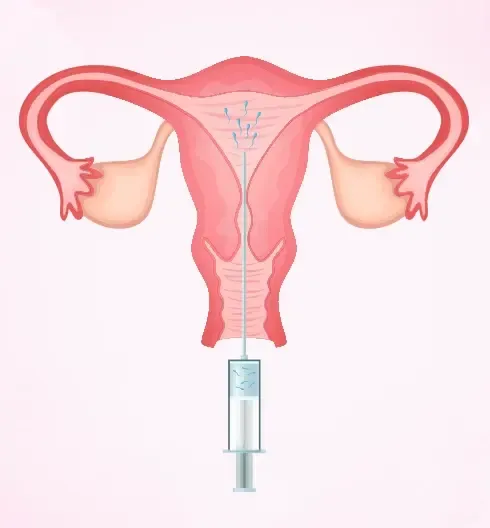
Artificial insemination (AI) is a fertility treatment that involves inserting sperm directly into a woman’s cervix, uterus, or fallopian tubes. This procedure is often used to treat male factor infertility, such as low sperm count or poor sperm motility. It can also be used for single women or same-sex female couples who want to start a family.
The process of artificial insemination starts with the collection of sperm from the male partner or a sperm donor. The sperm is then washed and prepared in a laboratory to remove any impurities and increase its chances of fertilizing an egg. The doctor then inserts the sperm into the woman’s reproductive tract using a thin tube called a catheter. This process is usually painless and takes only a few minutes to complete.
Success rates of artificial insemination vary depending on factors such as age, cause of infertility, and the number of inseminations. On average, the success rate of AI is around 15% per cycle, which means that it may take several attempts to achieve a pregnancy.
In Vitro Fertilization – The Revolutionary Fertility Treatment
In vitro fertilization (IVF) is a more advanced fertility treatment that involves combining eggs and sperm in a laboratory to create embryos. These embryos are then transferred into the woman’s uterus, where they can implant and develop into a pregnancy. IVF is usually recommended for couples with severe infertility issues, such as blocked fallopian tubes, advanced maternal age, or male factor infertility.
From Conception to Birth: The Journey of Artificial Insemination and IVF
The IVF process starts with the woman taking fertility medications to stimulate the ovaries to produce multiple eggs. The eggs are then retrieved and fertilized with sperm in a laboratory. The resulting embryos are monitored for a few days before being transferred into the woman’s uterus. Any remaining viable embryos can be frozen and stored for future use.
The success rate of IVF varies depending on factors such as age, cause of infertility, and the number of embryos transferred. On average, the success rate of IVF is around 30% per cycle, and it may take multiple cycles to achieve a pregnancy.
The Journey of Pregnancy
After a successful artificial insemination or IVF procedure, the journey of pregnancy begins. The first few weeks are crucial as the fertilized egg implants itself in the lining of the uterus. Regular check-ups and ultrasounds are essential to monitor the growth and development of the baby. Depending on the woman’s age and medical history, the doctor may recommend additional prenatal tests, such as genetic screening.
Pregnancy is a beautiful and miraculous journey, but it can also be challenging and overwhelming. It is crucial for couples to take care of their physical and emotional well-being during this time. Eating a healthy diet, staying active, and seeking support from family and friends can help make the journey more manageable.
The Birth of a Baby
After nine months of pregnancy, the long-awaited moment finally arrives – the birth of a baby. For couples who have struggled with infertility, this moment is nothing short of a miracle. The birth of a child brings immense joy and fulfillment, making all the challenges and sacrifices worth it.
However, the journey doesn’t end here. After childbirth, parents need to take care of their newborn and adjust to their new roles as parents. It is also important to remember that infertility can happen again, and seeking the help of fertility specialists can increase the chances of having a second child.
In conclusion, the journey of artificial insemination and IVF is a rollercoaster of emotions, challenges, and ultimately, the joy of parenthood. These assisted reproductive technologies have revolutionized the way we think about fertility and have given hope to millions of couples around the world. With advancements in technology and medical science, the future of fertility treatment looks bright, offering even more options for couples to start a family.