Tag: natural conception

  • Fertility Myths Debunked: Artificial Insemination vs Natural Conception

    Fertility is a topic that is often surrounded by myths and misconceptions. With advancements in technology and medicine, there are now various methods available for individuals and couples to conceive. Two common methods are artificial insemination and natural conception. However, there are many misconceptions and myths surrounding these methods that can lead to confusion and misinformation. In this blog post, we will debunk some of the most common fertility myths surrounding artificial insemination and natural conception.

    Myth #1: Artificial insemination is only for infertile couples
    Many people believe that artificial insemination is only for couples who are struggling with infertility. However, this is not entirely true. While artificial insemination can be a viable option for couples facing fertility issues, it can also be used by same-sex couples or single individuals who want to have a child.

    Artificial insemination, also known as intrauterine insemination (IUI), involves placing sperm directly into the uterus using a thin catheter. This can increase the chances of conception, especially for couples with male fertility issues. But it can also be used by couples or individuals who do not have fertility problems but still need assistance in getting pregnant.

    Myth #2: Artificial insemination is a painful and invasive procedure
    One of the most common misconceptions about artificial insemination is that it is a painful and invasive procedure. However, this is not the case. The process is relatively simple and painless, with minimal discomfort.

    During artificial insemination, a doctor will insert a thin catheter into the uterus through the cervix. This may cause some mild cramping, similar to menstrual cramps. However, the procedure is usually done quickly and does not require any anesthesia. Many women report that the discomfort is similar to a Pap smear.

    Myth #3: Natural conception is the only “natural” way to have a baby
    Natural conception, or conceiving a child through sexual intercourse, is often seen as the only “natural” way to have a baby. However, this is not entirely true. Artificial insemination, although assisted, still involves the natural process of fertilization and pregnancy.

    Moreover, for couples struggling with fertility issues, natural conception may not always be possible. In such cases, artificial insemination can be a viable option that still allows for a natural pregnancy and childbirth experience.

    Myth #4: Artificial insemination guarantees a successful pregnancy
    Another common myth surrounding artificial insemination is that it guarantees a successful pregnancy. While artificial insemination can increase the chances of conception, it is not a guarantee. The success rate of artificial insemination varies depending on various factors, such as age, overall health, and fertility issues.
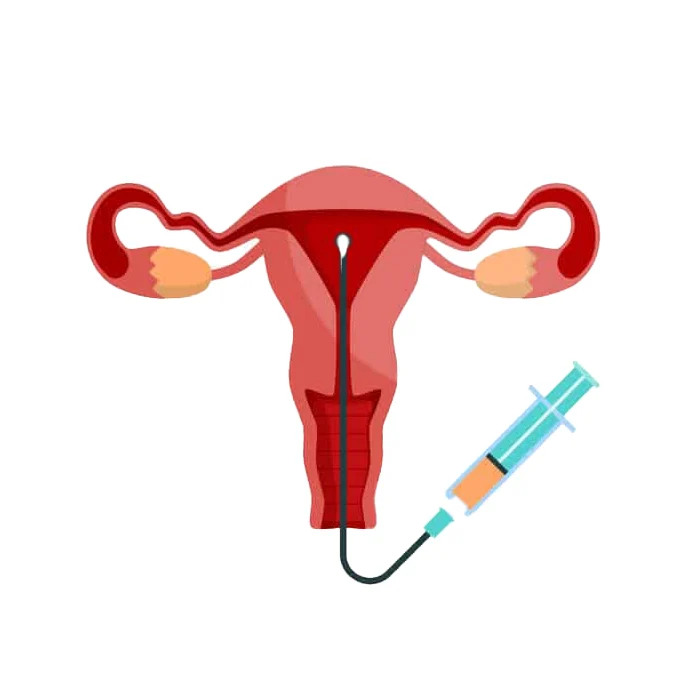
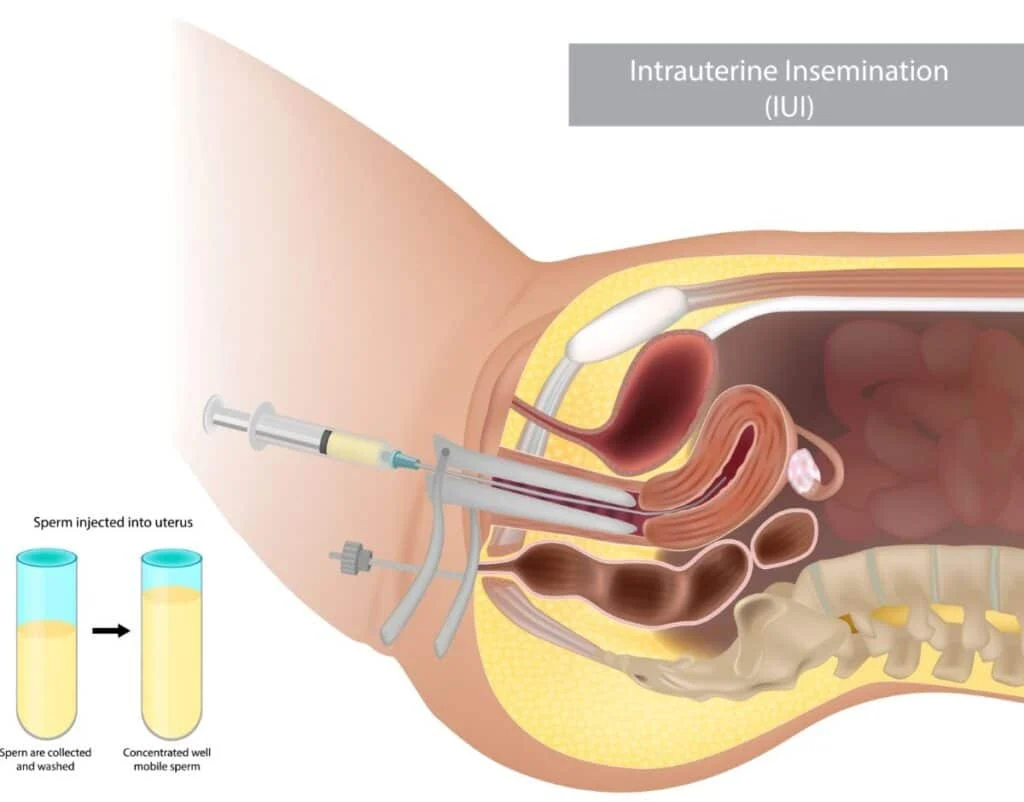
    illustration of a uterus with a syringe for intrauterine insemination (IUI) procedure

    Fertility Myths Debunked: Artificial Insemination vs Natural Conception

    On average, the success rate of artificial insemination is around 10-20% per cycle. This means that it may take multiple attempts before a successful pregnancy occurs. It is essential to have realistic expectations and be prepared for the possibility of multiple attempts before conceiving.

    Myth #5: Natural conception is always the best option
    Many people believe that natural conception is always the best option for conceiving a child. However, this is not necessarily true. While natural conception is the most common and preferred method, it may not be the best option for everyone.

    For couples with fertility issues, natural conception may not be possible, and artificial insemination may be their only chance at having a biological child. Additionally, for same-sex couples or single individuals, artificial insemination may be the only option available for them to have a child.

    Myth #6: Artificial insemination is only for older women
    Another common myth is that artificial insemination is only for older women who are struggling to conceive naturally. However, this is not the case. While age can affect fertility, artificial insemination can be a viable option for women of all ages.

    Artificial insemination can be used for women who have irregular ovulation, endometriosis, or other fertility issues, regardless of their age. It can also be used by younger women who may not be ready for pregnancy but want to preserve their fertility by freezing their partner’s sperm for later use.

    Myth #7: Natural conception is always more affordable than artificial insemination
    Many people assume that natural conception is always more affordable than artificial insemination. However, this is not necessarily true. While the cost of natural conception may seem minimal, it can add up over time, especially if a couple is struggling with fertility issues.

    On the other hand, the cost of artificial insemination may seem higher upfront, but it can be a more cost-effective option in the long run. This is because artificial insemination can increase the chances of conception, reducing the need for multiple attempts or expensive fertility treatments.

    In summary, there are several myths and misconceptions surrounding artificial insemination and natural conception. It is essential to have accurate information and understand that both methods are viable options for conceiving a child. Artificial insemination is not just for infertile couples, it is a relatively simple and painless procedure, and it is not a guarantee for a successful pregnancy. Natural conception is not the only “natural” way to have a baby, and it may not always be the best option for everyone. Age is not a determining factor for using artificial insemination, and it may not always be more affordable than natural conception.

    In conclusion, it is crucial to do thorough research and consult with a fertility specialist to determine the best option for you and your partner. While there may be several myths surrounding fertility, it is essential to have accurate information and debunk these misconceptions to make informed decisions about your reproductive health.
  • The Impact on Parenthood: Artificial Insemination and Natural Conception Compared

    Blog Post Title: The Impact on Parenthood: Artificial Insemination and Natural Conception Compared

    Parenthood is a life-changing journey that most individuals and couples aspire to experience. While natural conception has been the traditional method of starting a family, the advancement of technology has introduced artificial insemination as an alternative option. The rise of assisted reproductive techniques, such as in vitro fertilization (IVF) and artificial insemination, has opened up new possibilities for couples struggling with infertility or same-sex couples wanting to have children. However, with these advancements come questions and debates about the impact of artificial insemination on parenthood compared to natural conception. In this blog post, we will discuss the differences between artificial insemination and natural conception and their effects on parenthood.

    Natural Conception: The Traditional Method of Starting a Family

    Natural conception is the process of fertilization that occurs when a sperm fertilizes an egg inside a woman’s body. It is the most common way of starting a family and has been the traditional method for centuries. This process typically occurs during sexual intercourse, where the male ejaculates sperm into the female’s vagina, and the sperm travels through the cervix and into the fallopian tubes. If an egg is present, fertilization occurs, and the fertilized egg then travels to the uterus, where it implants and grows into a baby.

    One significant impact of natural conception on parenthood is the emotional and physical bond between the parents and the child. The process of conceiving a child naturally involves both partners and creates a deep connection between them. It also allows the parents to experience the journey of pregnancy and childbirth together, which can strengthen their relationship and create a sense of unity.

    Moreover, natural conception is a more affordable option compared to artificial insemination. Couples do not need to undergo expensive procedures or treatments, and the chances of success are higher. This can reduce the financial burden on the couple and allow them to focus on preparing for the arrival of their child.

    Artificial Insemination: A Modern Alternative to Natural Conception

    Artificial insemination is a method of fertilization where sperm is inserted into a woman’s reproductive tract to achieve pregnancy. This process can be done using the male’s sperm or a donor’s sperm, making it a viable option for same-sex couples or single individuals wanting to have a child. There are two types of artificial insemination: intrauterine insemination (IUI) and in vitro fertilization (IVF).

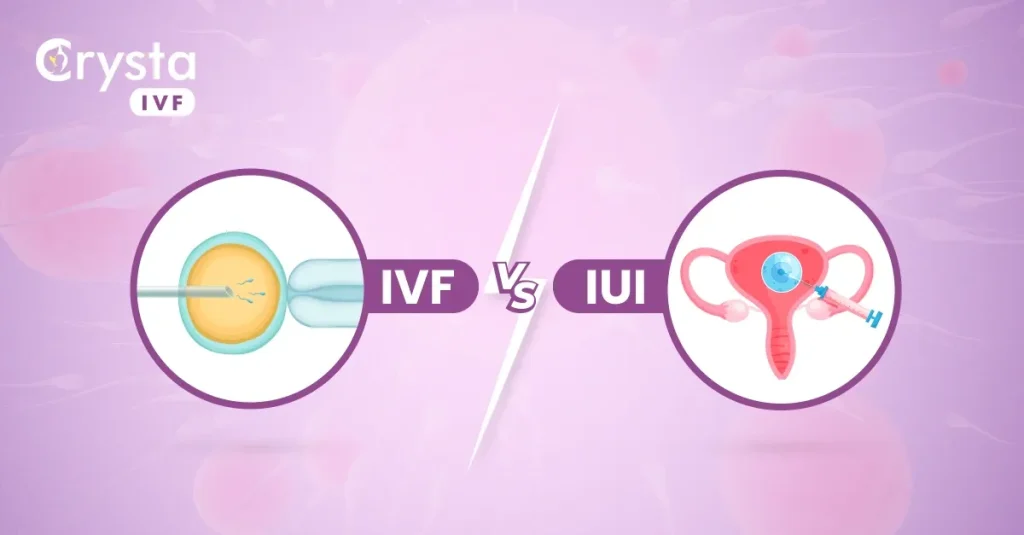
    Comparison of IVF and IUI procedures with illustrations of each method.

    The Impact on Parenthood: Artificial Insemination and Natural Conception Compared

    IUI involves placing washed sperm directly into the uterus, increasing the chances of fertilization. IVF, on the other hand, involves retrieving eggs from the female partner and fertilizing them with sperm in a laboratory. The resulting embryo is then transferred to the woman’s uterus for implantation. Both methods have a higher success rate compared to natural conception, making them a popular choice among couples struggling with infertility.

    One significant impact of artificial insemination on parenthood is the lack of a physical and emotional bond between the parents and the child. In most cases, only one of the parents is biologically related to the child, which can affect the parent-child relationship. The lack of a shared genetic connection may also raise questions and concerns about the child’s identity and the role of the non-biological parent in the child’s life.

    Moreover, artificial insemination can be a costly and emotionally taxing process. The procedures and treatments involved can be expensive, and the success rates are not guaranteed. This can put a strain on the couple’s finances and emotions, making the journey to parenthood more challenging.

    Comparing the Impact on Parenthood: Artificial Insemination vs. Natural Conception

    While both natural conception and artificial insemination have their pros and cons, their impact on parenthood differs. Natural conception allows for a physical and emotional bond between the parents and the child, while artificial insemination may lack this connection. However, artificial insemination provides an opportunity for individuals and same-sex couples to have children, which would not be possible with natural conception.

    Another factor to consider is the success rates of both methods. Natural conception does not guarantee pregnancy, and it may take months or even years for a couple to conceive. On the other hand, artificial insemination has higher success rates, making it a more attractive option for couples struggling with infertility.

    Furthermore, the financial and emotional burden of artificial insemination may affect the couple’s journey to parenthood. The expenses involved can be overwhelming, and the emotional toll of undergoing treatments and procedures can also take a toll on the couple’s relationship.

    In conclusion, the impact of parenthood differs between artificial insemination and natural conception. While natural conception allows for a physical and emotional bond between the parents and the child, artificial insemination offers an opportunity for individuals and same-sex couples to have children. Both methods have their pros and cons, and it is essential for couples to carefully consider their options and choose the method that best suits their situation.

    In summary, the impact of parenthood is affected by the method of conception, whether it is through natural means or artificial insemination. Both methods have their advantages and disadvantages, and it is crucial for couples to weigh their options and choose the method that best fits their needs. Ultimately, the journey to parenthood is a unique and personal experience for each individual or couple, and the method of conception should be chosen with careful consideration and consultation with medical professionals.

  • The Role of Timing: Artificial Insemination vs Natural Conception

    Blog Post: The Role of Timing: Artificial Insemination vs Natural Conception

    When it comes to starting a family, many couples may face challenges in conceiving a child. In recent years, there has been a rise in the use of artificial insemination as a method of conception. However, the debate between natural conception and artificial insemination still remains. One crucial factor that plays a role in both methods is timing. In this blog post, we will explore the role of timing in artificial insemination and natural conception and how it can impact the success of both methods.

    Natural Conception and Timing

    Natural conception, also known as sexual intercourse, is the most common way for couples to conceive a child. It involves the fertilization of an egg by sperm during the woman’s fertile window. The fertile window refers to the days in a woman’s menstrual cycle when she is most likely to conceive. Typically, this window occurs around day 14 of a 28-day menstrual cycle, but it can vary from woman to woman.

    Timing is crucial in natural conception because the egg is only viable for fertilization for about 12-24 hours after it is released from the ovary. Sperm, on the other hand, can survive in the female reproductive tract for up to 5 days. This means that couples need to have sexual intercourse during the fertile window to increase their chances of conception.

    Several factors can affect the timing of ovulation and, therefore, the fertile window. Stress, hormonal imbalances, and certain health conditions can all impact a woman’s menstrual cycle and make it difficult to pinpoint the exact time of ovulation. Additionally, age can also play a role, as women’s fertility declines with age, making it more challenging to conceive naturally.

    Artificial Insemination and Timing

    Artificial insemination involves the insertion of sperm directly into a woman’s uterus or cervix, bypassing the need for sexual intercourse. This method is often used by couples who have been unsuccessful in conceiving naturally or by same-sex couples or single individuals who want to have a child.

    Timing is also crucial in artificial insemination, but in a slightly different way. Unlike natural conception, where couples need to time sexual intercourse during the fertile window, artificial insemination requires the timing of the insemination procedure. The timing of the procedure is critical as it needs to be done when the woman is ovulating to increase the chances of conception.

    illustration of a uterus with a syringe for intrauterine insemination (IUI) procedure

    The Role of Timing: Artificial Insemination vs Natural Conception

    There are two types of artificial insemination: intrauterine insemination (IUI) and intracervical insemination (ICI). In IUI, the sperm is inserted directly into the uterus, while in ICI, it is placed in the cervix. IUI is typically performed around 24-36 hours after the woman has received a trigger shot, which helps induce ovulation. On the other hand, ICI is usually done within a few hours of a positive ovulation test.

    Timing is also essential in artificial insemination because sperm can only survive for a limited time outside of the body. To ensure the sperm is viable and can fertilize the egg, the timing of the procedure needs to be precise.

    Which Method is More Effective?

    When it comes to timing, both natural conception and artificial insemination require careful planning and consideration. However, studies have shown that artificial insemination may be more effective, especially for couples who have been struggling with fertility issues.

    In natural conception, the chances of conceiving in each cycle are around 20%, while in artificial insemination, it can be as high as 25%. This is because artificial insemination allows for a higher concentration of sperm, increasing the chances of fertilization. Additionally, artificial insemination also bypasses any potential issues with sperm motility or the female reproductive system, which can affect natural conception.

    Moreover, artificial insemination also allows for timing to be more controlled and precise. With natural conception, there is a higher chance of missing the fertile window, while artificial insemination can be timed to coincide with ovulation.

    Summarizing the Role of Timing in Artificial Insemination vs Natural Conception

    Timing plays a crucial role in both artificial insemination and natural conception. In natural conception, couples need to time sexual intercourse during the woman’s fertile window, while in artificial insemination, the timing of the procedure is essential. Both methods require careful planning and consideration to increase the chances of conception.

    While natural conception may be the preferred method for many couples, artificial insemination may be a more effective option, especially for those struggling with fertility issues. With the ability to control timing and bypass potential issues, artificial insemination can increase the chances of conception and help couples start a family.

    In conclusion, timing is a vital factor in both artificial insemination and natural conception. Whether couples choose to conceive naturally or opt for artificial insemination, understanding the role of timing can help them make an informed decision and increase their chances of success.

  • Exploring Modern Fertility Options: Artificial Insemination vs Natural Conception

    Exploring Modern Fertility Options: Artificial Insemination vs Natural Conception

    In today’s modern society, there are various fertility options available for individuals and couples who are struggling to conceive. Two popular methods are artificial insemination and natural conception. While both have the same end goal of achieving pregnancy, they differ in their approach and success rates. In this blog post, we will explore the differences between artificial insemination and natural conception, their pros and cons, and which option may be the best fit for you.

    Artificial insemination, also known as intrauterine insemination (IUI), is a fertility treatment where sperm is directly inserted into a woman’s uterus during ovulation. This method can be done with the partner’s sperm or with donor sperm. It is a less invasive and more affordable option compared to other fertility treatments such as in vitro fertilization (IVF). Artificial insemination is recommended for couples who have difficulty conceiving due to low sperm count, sperm motility, or unexplained infertility. It can also be an option for single women or same-sex couples who want to start a family.

    On the other hand, natural conception is the traditional method of conceiving, where a woman’s egg is fertilized by a man’s sperm through sexual intercourse. This method does not involve any medical intervention and is the most common way of achieving pregnancy. It is recommended for couples who have no known fertility issues and have been trying to conceive for at least a year.

    One of the main differences between artificial insemination and natural conception is the level of control over the process. With artificial insemination, the timing of sperm insertion can be precisely planned, which increases the chances of fertilization. In natural conception, timing is more unpredictable, and couples have to rely on their natural ovulation cycle.

    Another difference is the success rates of each method. According to the American Pregnancy Association, the success rate for artificial insemination is around 10-20% per cycle, while the success rate for natural conception is 20-30% per cycle. However, these rates can vary depending on factors such as age, fertility issues, and overall health.

    Comparison of IUI and IVF, illustrating procedures and definitions for each fertility treatment.

    Exploring Modern Fertility Options: Artificial Insemination vs Natural Conception

    One of the biggest advantages of artificial insemination is that it can be done at home with the use of a sperm donor kit. This allows for privacy and convenience, especially for couples who may not feel comfortable with a medical setting. However, for those who opt for in-clinic artificial insemination, the procedure is relatively quick and painless.

    Natural conception, on the other hand, relies heavily on the woman’s ovulation cycle and can be more challenging for women with irregular periods. It also requires more effort and planning, as couples have to track ovulation and have intercourse during the most fertile days. However, natural conception has the added benefit of intimacy and a more natural approach to starting a family.

    Cost is another factor to consider when choosing between artificial insemination and natural conception. Artificial insemination can range from $300 to $1,000 per cycle, depending on whether it is done at home or in a clinic. Natural conception, on the other hand, does not have any added costs, aside from the usual expenses of pregnancy and childbirth.

    It is essential to note that both methods have their own risks and limitations. Artificial insemination may increase the risk of multiple pregnancies due to the use of fertility drugs, and there is a small risk of infection during the procedure. Natural conception may take longer to achieve pregnancy, and there is a higher chance of miscarriage due to the natural process of fertilization.

    In conclusion, both artificial insemination and natural conception have their own set of pros and cons. The decision ultimately depends on individual circumstances, such as fertility issues, personal preferences, and financial considerations. It is crucial to consult with a medical professional to determine the best option for you and your partner. Remember that there is no one-size-fits-all approach to fertility, and what may work for one couple may not work for another.

    In summary, artificial insemination and natural conception are two fertility options available for couples and individuals who are struggling to conceive. While artificial insemination offers more control and a lower cost, natural conception has the added benefit of intimacy and a more natural approach. Both methods have their own risks and limitations, and it is important to consult with a medical professional to determine the best fit for your situation.

  • The Future of Reproduction: Artificial Insemination and Natural Conception

    Blog Post: The Future of Reproduction: Artificial Insemination and Natural Conception

    Reproduction is a fundamental aspect of human existence, and advancements in technology have opened up new possibilities for how we can bring new life into the world. Artificial insemination and natural conception are two methods of reproduction that have been around for centuries, but as technology advances, the future of these methods is constantly evolving. In this blog post, we will explore the current state of artificial insemination and natural conception, and how they may change in the future.

    Artificial insemination, also known as assisted reproductive technology (ART), is a method of conception that involves the medical intervention of placing sperm directly into a woman’s reproductive tract. This can be done through intrauterine insemination (IUI) or in vitro fertilization (IVF). IUI involves placing washed sperm directly into the uterus, while IVF involves fertilizing an egg outside of the body and then transferring it into the uterus.

    One of the main reasons for choosing artificial insemination is to overcome fertility issues. For couples struggling to conceive, ART offers a higher chance of success than natural conception. It also allows for the use of donor sperm or eggs, which can be helpful for same-sex couples or individuals with genetic disorders. However, ART can also be an expensive and emotionally draining process, with multiple rounds of treatment often necessary.

    In recent years, there have been significant advancements in ART technology, making it more accessible and increasing success rates. One of these advancements is the use of preimplantation genetic testing, which allows for the screening of embryos for genetic disorders before implantation. This not only increases the chances of a successful pregnancy but also reduces the risk of passing on genetic disorders to the child.

    Another development in ART is the use of frozen eggs and embryos. This allows for the preservation of fertility for women who may want to delay pregnancy for personal or medical reasons. It also provides a solution for individuals undergoing medical treatments that may affect their fertility.

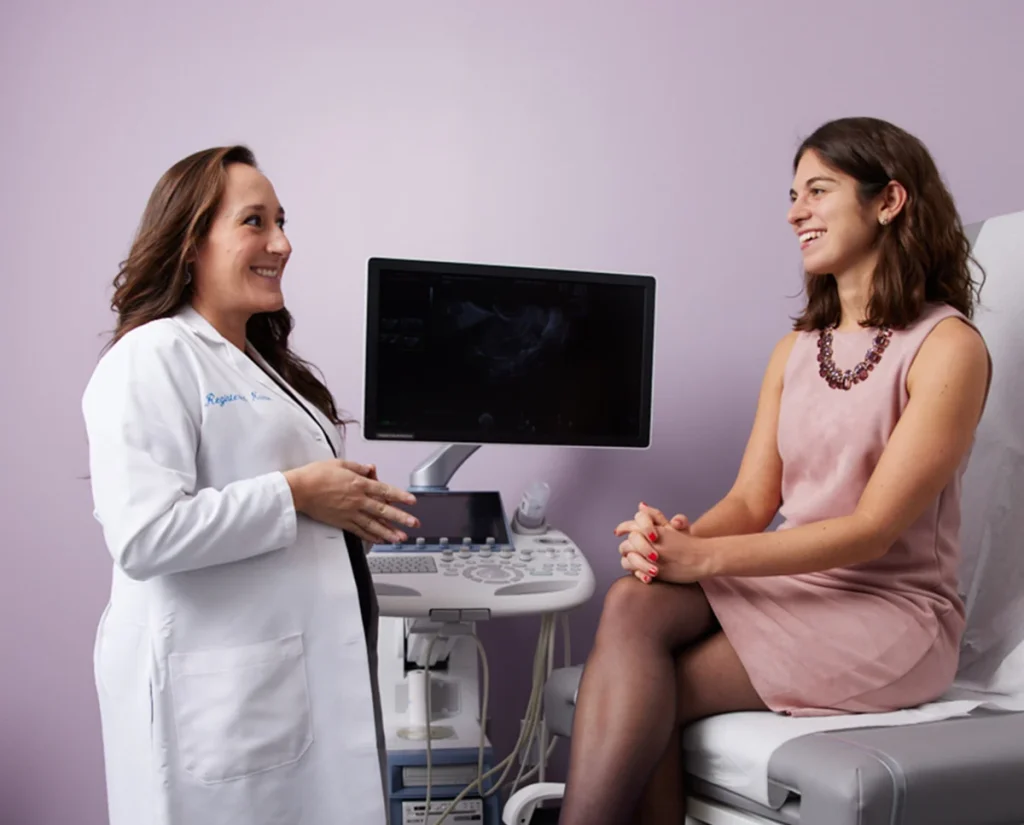
    doctor discussing treatment with a patient in a medical office, featuring an ultrasound machine in the background

    The Future of Reproduction: Artificial Insemination and Natural Conception

    While ART continues to evolve and improve, there are also ethical concerns surrounding its use. The creation and destruction of embryos, as well as the use of donor gametes, raise ethical questions about the beginning of life and the rights of the child. As technology advances, these ethical concerns will need to be carefully considered and addressed.

    On the other hand, natural conception, also known as sexual reproduction, involves the fertilization of an egg by sperm during sexual intercourse. This method of reproduction has been around since the beginning of human existence and is still the most common way of conceiving. While it may seem simple, there are many factors that can affect a couple’s chances of conceiving naturally, such as age, health, and timing.

    Some experts believe that natural conception may become less common in the future, as more couples turn to ART for fertility issues. However, there is also a growing movement towards natural and holistic approaches to fertility. This includes lifestyle changes, such as diet and exercise, as well as alternative therapies like acupuncture and herbal supplements. These methods aim to improve overall health and fertility without the use of medical interventions.

    Another factor that may affect the future of natural conception is the rise of genetic engineering and designer babies. While this technology is still in its early stages, it has the potential to allow parents to choose specific traits for their children, such as eye color or intelligence. This could potentially lead to a decrease in natural conception as more couples opt for genetically engineered offspring.

    In addition to genetic engineering, there is also the possibility of artificial wombs becoming a reality in the future. This technology would allow for the gestation of a fetus outside of the mother’s body, potentially eliminating the need for traditional pregnancy and childbirth. While this may offer a solution for couples struggling with infertility or high-risk pregnancies, it also raises ethical concerns about the definition of motherhood and the role of technology in reproduction.

    In summary, the future of reproduction is constantly evolving, with advancements in technology shaping the way we bring new life into the world. Artificial insemination and natural conception are two methods of reproduction that have been around for centuries, but as technology progresses, their roles may shift. ART continues to improve and offer solutions for couples struggling with fertility, while natural conception may become less common as more couples opt for medical interventions or alternative approaches to fertility. However, as technology advances, ethical concerns surrounding both methods of reproduction must be carefully considered.

  • The Role of Genetics: Artificial Insemination vs Natural Conception

    Blog Post:

    Genetics play a crucial role in the creation of new life, and the method of conception can greatly impact the genetic makeup of an individual. In today’s world, there are two main methods of conception: artificial insemination and natural conception. While both methods can result in a successful pregnancy, they have significant differences in terms of their genetic implications. In this blog post, we will explore the role of genetics in both artificial insemination and natural conception, and discuss the pros and cons of each method.

    Artificial insemination, also known as assisted reproductive technology (ART), involves the placement of sperm directly into a woman’s reproductive tract. This can be done using donor sperm or the sperm of the woman’s partner. The process is usually done in a clinical setting and involves various techniques such as intrauterine insemination (IUI) or in vitro fertilization (IVF). With artificial insemination, the fertilization of the egg occurs outside of the body, and the resulting embryo is then transferred into the woman’s uterus.

    One of the main advantages of artificial insemination is that it allows individuals or couples with fertility issues to have a child. This method bypasses any potential barriers to natural conception, such as low sperm count or blocked fallopian tubes. However, the use of donor sperm or eggs in artificial insemination means that the child will have a genetic makeup that is different from their parents. This can raise questions about the child’s identity and their relationship with their biological parents.

    Moreover, artificial insemination also allows for genetic screening of embryos before implantation. This can help identify any potential genetic disorders or chromosomal abnormalities, reducing the risk of passing them on to the child. This is especially beneficial for couples with a family history of genetic diseases, as it can increase the chances of having a healthy baby.

    On the other hand, natural conception involves the fertilization of an egg by sperm inside the woman’s body. This is the most common method of conception and is often seen as the most natural way to have a child. With natural conception, the child inherits genetic traits from both parents, resulting in a unique combination of characteristics.

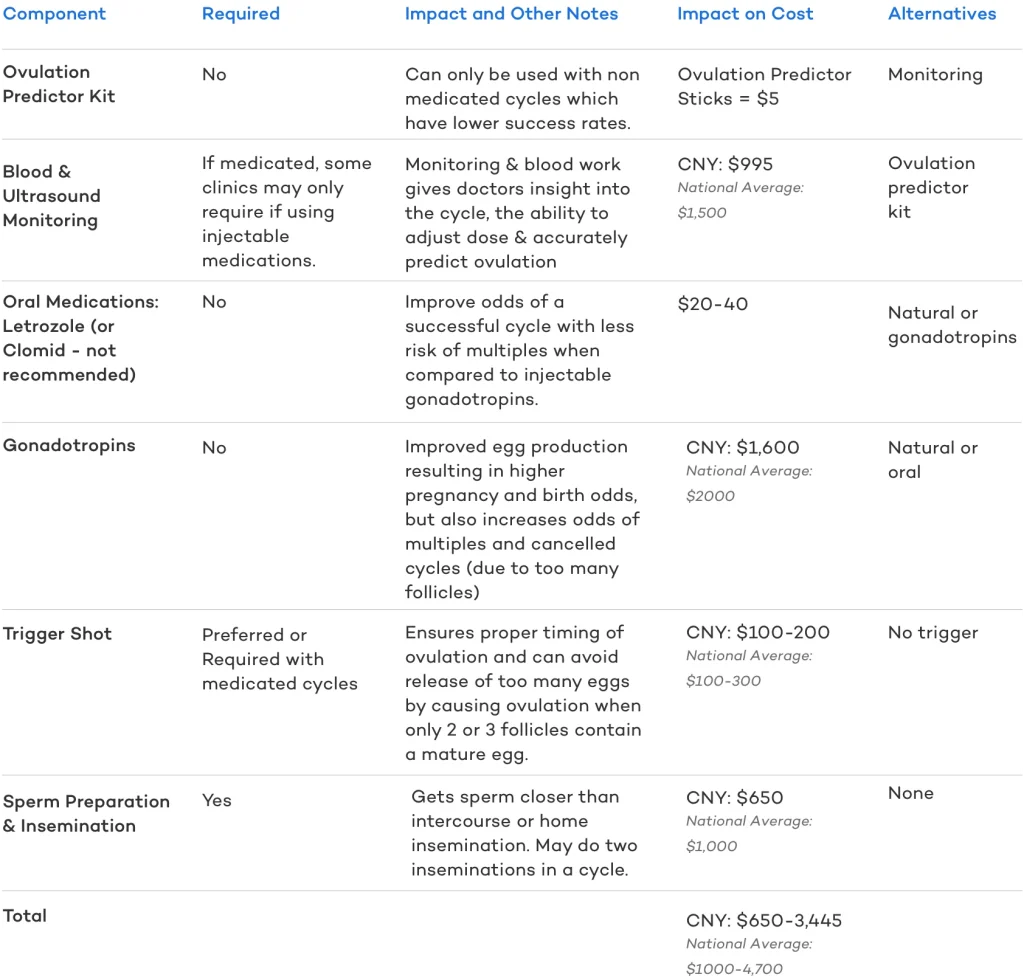
    Cost breakdown for IUI components, including requirements, impacts, and alternatives.

    The Role of Genetics: Artificial Insemination vs Natural Conception

    One of the main advantages of natural conception is that it allows for a stronger genetic connection between the child and their parents. The child will share not only physical traits but also personality traits and behaviors with their parents. This can also help strengthen the bond between parent and child.

    However, natural conception also has its drawbacks. The genetic makeup of the child is solely dependent on the genetic makeup of the parents, and this can increase the risk of inheriting genetic disorders or diseases. Additionally, with natural conception, there is no way to screen for genetic abnormalities before pregnancy, which means that the child may be born with a genetic disorder that could have been prevented through artificial insemination.

    The debate between artificial insemination and natural conception is a complex one, with arguments for and against both methods. However, it is essential to understand that both methods have the potential to create a healthy and happy child. The decision ultimately comes down to personal choice and individual circumstances.

    In terms of genetics, artificial insemination offers more control over the genetic makeup of the child, while natural conception allows for a stronger genetic connection between the child and parents. It is also worth noting that with advances in technology, genetic screening and testing are becoming more accessible, even for natural conception. This allows for potential issues to be identified early on and managed accordingly.

    In conclusion, genetics play a significant role in the method of conception, whether it is through artificial insemination or natural conception. Both methods have their advantages and disadvantages in terms of genetic implications, and the decision ultimately lies with the individual or couple. It is essential to consider all factors, including personal beliefs, medical history, and genetic risks, before making a decision on the method of conception.

    Summary:

    The role of genetics is crucial in the creation of new life, and the method of conception can greatly impact the genetic makeup of an individual. In today’s world, there are two main methods of conception: artificial insemination and natural conception. While both methods have their advantages and disadvantages, they also have significant differences in terms of their genetic implications. Artificial insemination allows for more control over the genetic makeup of the child, while natural conception allows for a stronger genetic connection between the child and parents. Ultimately, the decision comes down to personal choice and individual circumstances.

  • The Effectiveness of Artificial Insemination and Natural Conception

    Blog Post Title: The Pros and Cons of Artificial Insemination and Natural Conception

    Introduction:
    Reproduction is a natural process that has been essential for the continuation of life on earth. However, with advancements in technology, scientists have developed methods to assist in human reproduction, such as artificial insemination. This method has been met with both praise and criticism, as some argue that natural conception is the best way to conceive a child. In this blog post, we will discuss the effectiveness of artificial insemination and natural conception, weighing the pros and cons of both methods.

    The Process of Artificial Insemination:
    Artificial insemination (AI) is the process of injecting sperm directly into a woman’s reproductive tract to fertilize an egg. There are two types of AI – intrauterine insemination (IUI) and in vitro fertilization (IVF). In IUI, washed and concentrated sperm is inserted into the uterus using a catheter, while in IVF, the sperm and egg are fertilized outside the body and then implanted into the uterus.

    The effectiveness of AI depends on various factors such as age, the cause of infertility, and the quality of the sperm. It has been found to be most successful in cases where the woman has blocked fallopian tubes or the man has a low sperm count. Studies have shown that the success rate of AI ranges from 5-20% per cycle, and couples may need multiple cycles before achieving a pregnancy.

    Benefits of Artificial Insemination:
    One of the main advantages of AI is that it allows couples to conceive without having sexual intercourse, which may be beneficial for couples who are not comfortable or able to have intercourse. Additionally, it can also be used by same-sex couples or single individuals who want to have a child.

    Another benefit of AI is that it allows for the selection of the donor’s sperm, which can be beneficial for couples with genetic disorders or those who want to have a child with specific physical characteristics. This method also reduces the risk of sexually transmitted diseases and eliminates the need for a sperm donor to be physically present during the conception process.

    Diagram illustrating intrauterine insemination (IUI) procedure with sperm injection into the uterus.

    The Effectiveness of Artificial Insemination and Natural Conception

    The Process of Natural Conception:
    On the other hand, natural conception is the process of fertilization that occurs through sexual intercourse. It is the most common method of conception and has been used for centuries. The success rate of natural conception depends on various factors, including the timing of intercourse, the age of the woman, and the quality of sperm.

    Benefits of Natural Conception:
    The most significant advantage of natural conception is that it is the most natural way of conceiving a child. It allows for the emotional and physical connection between the couple, which can strengthen their relationship. Natural conception also eliminates the need for medical procedures, which can be a costly and time-consuming process.

    Moreover, studies have shown that children conceived through natural conception have a lower risk of genetic disorders and birth defects compared to those conceived through AI. This is because natural conception allows for the natural selection of healthy sperm, which may not be the case in AI.

    The Downside of Natural Conception:
    While natural conception has its benefits, it also has some downsides. One of the main disadvantages is that it may not be possible for couples facing fertility issues. Additionally, the timing of intercourse can be tricky, and couples may need to try for months before achieving a pregnancy. This can be emotionally draining and put a strain on the couple’s relationship.

    Moreover, natural conception does not allow for the selection of the donor’s sperm, which may be a concern for some couples. It also poses a higher risk of sexually transmitted diseases, as there is no screening of sperm involved.

    Conclusion:
    In conclusion, both AI and natural conception have their pros and cons, and the effectiveness of each method depends on various factors. AI can be beneficial for couples facing fertility issues and allows for the selection of the donor’s sperm. On the other hand, natural conception is the most natural way of conceiving a child and has a lower risk of genetic disorders. Ultimately, the choice between AI and natural conception depends on the couple’s individual circumstances and preferences.

  • The Cost of Fertility: Artificial Insemination vs Natural Conception

    The Cost of Fertility: Artificial Insemination vs Natural Conception

    For many couples, starting a family is a dream that they hope to see come true. However, for some, conceiving a child naturally may not be an option. This can lead to the consideration of artificial insemination, a fertility treatment that has become increasingly popular in recent years. While there are many factors to consider when deciding between artificial insemination and natural conception, one of the biggest considerations is the cost. In this blog post, we will explore the cost of fertility through the lens of artificial insemination versus natural conception, and help you to make an informed decision about which option is best for you and your family.

    The Cost of Artificial Insemination

    Artificial insemination, also known as intrauterine insemination (IUI), is a fertility treatment that involves placing sperm directly into a woman’s uterus to increase the chances of fertilization. This procedure can be done with the sperm of a partner or a donor, and is often used by couples who are struggling with male factor infertility, unexplained infertility, or same-sex couples.

    The cost of artificial insemination can vary greatly depending on a number of factors, such as the clinic you choose, the type of insemination (partner or donor), and any additional procedures that may be needed. On average, a single cycle of IUI can cost anywhere from $500 to $4,000. This cost does not include any medications or additional testing that may be required, which can add up to an additional $1,000 to $5,000 per cycle.

    One of the main advantages of artificial insemination is that it is typically less expensive than other fertility treatments, such as in vitro fertilization (IVF). However, the success rates of artificial insemination are also lower, which means that couples may need to undergo multiple cycles in order to achieve a successful pregnancy. This can significantly increase the overall cost of the treatment.

    The Cost of Natural Conception

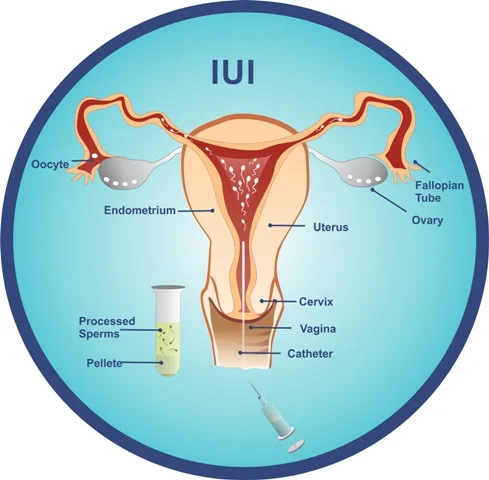
    diagram illustrating intrauterine insemination (IUI) with labeled reproductive anatomy and procedures

    The Cost of Fertility: Artificial Insemination vs Natural Conception

    In contrast to artificial insemination, natural conception involves trying to conceive a child through sexual intercourse without any medical intervention. While this may seem like the most cost-effective option, there are still a number of factors that can contribute to the cost of natural conception.

    First, there is the cost of fertility testing to determine if there are any underlying issues that may be hindering natural conception. This can include testing for ovulation, sperm count, and hormone levels. These tests can range from a few hundred dollars to a few thousand dollars, depending on the complexity of the testing.

    Additionally, the cost of natural conception can be impacted by the use of fertility medications. These medications can help to regulate ovulation and increase the chances of conception, but they come at a cost. Depending on the type of medication and the length of treatment, couples can expect to spend anywhere from a few hundred dollars to a few thousand dollars on fertility medications.

    Other factors that can contribute to the cost of natural conception include lifestyle changes, such as diet and exercise, and alternative therapies, such as acupuncture or herbal supplements. While these options may not have a direct cost, they can still add up over time and impact the overall cost of trying to conceive naturally.

    Making the Decision

    When it comes to choosing between artificial insemination and natural conception, it is important to consider both the financial and emotional costs. While artificial insemination may have a higher upfront cost, the success rates may make it a more cost-effective option in the long run. On the other hand, natural conception may have a lower upfront cost, but the emotional toll of trying to conceive month after month can also take its toll.

    Ultimately, the decision between artificial insemination and natural conception is a personal one and should be made in consultation with a trusted healthcare provider. It is important to weigh the financial costs along with the emotional and physical costs of each option in order to make the best decision for you and your family.

    In conclusion, the cost of fertility can be a significant factor when deciding between artificial insemination and natural conception. While artificial insemination may have a higher upfront cost, the success rates and potential for fewer cycles can make it a more cost-effective option in the long run. However, the decision ultimately depends on individual circumstances and should be made in consultation with a healthcare professional.

  • The Emotional Journey: Artificial Insemination vs Natural Conception

    The Emotional Journey: Artificial Insemination vs Natural Conception

    When it comes to starting a family, there are many different paths that couples can take. Some may opt for natural conception, while others may choose artificial insemination as their method of conceiving a child. Both options have their own set of benefits and challenges, but one factor that often gets overlooked is the emotional journey that couples go through during the process. In this blog post, we will explore the emotional journey of artificial insemination versus natural conception and how it can impact individuals and relationships.

    Artificial Insemination: The Process and Emotional Impact

    Artificial insemination, also known as intrauterine insemination (IUI), is a method of assisted reproductive technology (ART) where sperm is inserted directly into a woman’s uterus in order to fertilize an egg. This can be done with the partner’s sperm or with donor sperm. The process typically involves a series of hormone injections and ultrasounds to monitor ovulation and the growth of follicles. Once the timing is right, the sperm is inserted through a catheter into the uterus.

    For many couples, the decision to pursue artificial insemination is not an easy one. It may be due to fertility issues or same-sex couples looking to start a family. Whatever the reason, the process can be emotionally taxing. The initial excitement and hope for a successful pregnancy can quickly turn into anxiety and stress as the couple goes through the various steps of the procedure. There may be a constant fear of the unknown, such as whether the sperm will successfully fertilize the egg and if the pregnancy will be viable.

    Moreover, the process of artificial insemination can also take a toll on a couple’s relationship. The constant appointments and injections can be physically and mentally draining, leaving little time and energy for intimacy and emotional connection. Couples may also experience feelings of inadequacy or guilt, especially if one partner is unable to produce viable sperm or if the procedure is unsuccessful.

    Natural Conception: The Journey and Emotional Impact

    On the other hand, natural conception involves the traditional method of trying to conceive through sexual intercourse. This process may seem more straightforward and less invasive, but it also comes with its own set of emotional challenges.

    For couples who are trying to conceive naturally, there is often a sense of pressure and urgency to get pregnant. This can lead to feelings of frustration and disappointment when it doesn’t happen as quickly as expected. Women may also experience guilt or shame if they have fertility issues, and men may feel a sense of inadequacy if they are unable to impregnate their partner.

    In addition, the emotional journey of natural conception can also be affected by outside factors such as age and societal expectations. As women age, their fertility declines, which can create added stress and anxiety for couples trying to conceive. Society also puts pressure on couples to have children, which can lead to feelings of inadequacy or failure if they are unable to do so.

    The Impact on Relationships

    doctor discussing treatment with a patient in a medical office, featuring an ultrasound machine in the background

    The Emotional Journey: Artificial Insemination vs Natural Conception

    Both artificial insemination and natural conception can have a significant impact on a couple’s relationship. The stress and emotional rollercoaster of trying to conceive can strain even the strongest of relationships. Communication is key during this time, as couples may experience a range of emotions and may not always be on the same page.

    It’s important for couples to be open and honest with each other, to share their fears and concerns, and to support each other through the process. Seeking counseling or joining support groups can also be beneficial for couples going through this journey together.

    The Emotional Journey of Pregnancy

    Once a couple has successfully conceived, the emotional journey is far from over. Pregnancy is a time filled with a rollercoaster of emotions, from excitement and joy to fear and anxiety. For couples who have gone through artificial insemination, there may be feelings of relief and happiness that the procedure was successful. However, there may also be a sense of detachment or guilt for not conceiving naturally.

    For couples who have conceived naturally, there may be a sense of pride and accomplishment, but also a lingering fear of miscarriage or complications. Furthermore, the hormonal changes that occur during pregnancy can also take a toll on a woman’s emotions, leading to mood swings and heightened sensitivity.

    The Journey to Parenthood

    The emotional journey of artificial insemination or natural conception does not end with pregnancy. For both methods, there are still challenges and emotions to navigate as the couple prepares for parenthood. The physical and emotional changes that occur during pregnancy can be overwhelming, and there may be fears and concerns about becoming a parent. For couples who have struggled with infertility, there may also be a sense of anxiety and pressure to be the perfect parent and make up for lost time.

    However, despite the emotional ups and downs, the journey to parenthood can also bring a sense of fulfillment, love, and joy. It’s important for couples to take care of their emotional well-being during this time, to lean on each other for support, and to seek help if needed.

    In conclusion, the emotional journey of artificial insemination and natural conception can be a rollercoaster of emotions for couples. Both methods come with their own set of challenges and can put a strain on relationships. However, with open communication and support, couples can navigate through this journey together and come out stronger on the other side.

    Summary:

    Starting a family can be a challenging and emotional journey, especially when couples are faced with the decision of whether to pursue artificial insemination or natural conception. Both methods have their own set of benefits and challenges, but the emotional impact of each cannot be overlooked. The process of artificial insemination can be physically and mentally draining, and can also strain relationships. On the other hand, natural conception can come with a sense of pressure and societal expectations, leading to feelings of guilt and frustration. The emotional journey continues throughout pregnancy and into parenthood, but with open communication and support, couples can navigate through these challenges and come out stronger on the other side.

  • Navigating Fertility: Artificial Insemination and Natural Conception Compared

    Navigating Fertility: Artificial Insemination and Natural Conception Compared

    Fertility is a topic that is often surrounded by myths and misconceptions, making it a confusing and overwhelming journey for couples trying to conceive. In today’s world, there are more options than ever before for couples struggling with infertility, including artificial insemination and natural conception. In this blog post, we will explore the differences between these two methods and help you navigate your fertility journey with confidence and clarity.

    What is Artificial Insemination?

    Artificial insemination, also known as intrauterine insemination (IUI), is a form of assisted reproductive technology where sperm is inserted directly into a woman’s uterus to increase the chances of fertilization. This method is commonly used for couples who have been struggling to conceive naturally, have unexplained infertility, or are using donor sperm.

    The process of artificial insemination involves a series of steps. First, the woman is given fertility drugs to stimulate ovulation. Then, the male partner’s semen is collected and washed to remove any impurities and enhance the sperm’s quality. The sperm is then inserted into the uterus using a thin catheter, increasing the chances of conception.

    Pros of Artificial Insemination

    One of the main advantages of artificial insemination is that it can be done quickly and easily without any major surgeries or procedures. It also allows couples to use donor sperm if needed, making it a viable option for same-sex couples and single women. Additionally, artificial insemination is less expensive than other assisted reproductive technologies, making it a more accessible option for many couples.

    Cons of Artificial Insemination

    While artificial insemination can be an effective method for some couples, it does have some limitations. It has a lower success rate compared to other assisted reproductive technologies, which means that couples may have to go through multiple cycles before achieving a successful pregnancy. It also does not address any underlying fertility issues, making it less effective for couples with more complex fertility problems.

    What is Natural Conception?

    Natural conception, also known as spontaneous conception, is the process of fertilization that occurs without any medical intervention. It is the most common way for couples to conceive and involves the male partner’s sperm fertilizing the female partner’s egg naturally. This process typically happens during ovulation, where a mature egg is released from the ovary and travels down the fallopian tube, waiting to be fertilized by sperm.

    Pros of Natural Conception

    doctor discussing treatment with a patient in a medical office, featuring an ultrasound machine in the background

    Navigating Fertility: Artificial Insemination and Natural Conception Compared

    The most significant advantage of natural conception is that it is the most natural and straightforward way for couples to conceive. It also has no additional costs or procedures involved, making it more affordable for couples. Natural conception also allows for couples to conceive without any medical intervention, which can be a more comfortable and less invasive option for some.

    Cons of Natural Conception

    One of the main disadvantages of natural conception is that it relies heavily on timing and fertility awareness. This can be challenging for couples with irregular menstrual cycles or fertility issues. It also does not address any underlying fertility problems, which can be frustrating for couples who have been trying to conceive for an extended period.

    Comparison between Artificial Insemination and Natural Conception

    Both artificial insemination and natural conception have their pros and cons, and the best method for a couple will depend on their individual circumstances. In general, artificial insemination is a more targeted and controlled approach to conception, while natural conception is a more natural and spontaneous process. Here are some key points to keep in mind when comparing the two methods:

    1. Success Rates: Artificial insemination has a higher success rate compared to natural conception, making it a more attractive option for couples who have been struggling to conceive for an extended period. However, keep in mind that success rates can vary depending on age, overall health, and underlying fertility issues.

    2. Cost: As mentioned earlier, artificial insemination is generally less expensive than other assisted reproductive technologies, making it a more affordable option for couples. Natural conception, on the other hand, does not have any additional costs involved, making it the most economical option.

    3. Timing and Control: Artificial insemination allows for more control over the timing of conception, as the sperm is inserted directly into the uterus during the most fertile time. Natural conception, on the other hand, relies on ovulation timing and fertility awareness, which can be challenging for some couples.

    4. Addressing Underlying Issues: Artificial insemination does not address any underlying fertility issues, while natural conception may not be possible for couples with more complex fertility problems. It is essential to consult with a fertility specialist to determine the best approach for your specific situation.

    Navigating Your Fertility Journey

    No matter which method you choose, navigating the fertility journey can be emotionally and physically draining for couples. It is crucial to have open and honest communication with your partner and seek support from loved ones or a therapist if needed. Remember to take care of yourself and practice self-care during this time.

    Summary:

    Fertility is a complex and often overwhelming journey for couples trying to conceive. Artificial insemination and natural conception are two methods that can help couples struggling with infertility, each with its own pros and cons. Artificial insemination involves the insertion of sperm into the uterus, while natural conception relies on the fertilization of the egg during ovulation. Consider factors such as success rates, cost, timing, and underlying fertility issues when deciding which method is best for you. Most importantly, remember to take care of yourself and seek support during this challenging time.