Navigating Fertility: Artificial Insemination and Natural Conception Compared
Fertility is a topic that is often surrounded by myths and misconceptions, making it a confusing and overwhelming journey for couples trying to conceive. In today’s world, there are more options than ever before for couples struggling with infertility, including artificial insemination and natural conception. In this blog post, we will explore the differences between these two methods and help you navigate your fertility journey with confidence and clarity.
What is Artificial Insemination?
Artificial insemination, also known as intrauterine insemination (IUI), is a form of assisted reproductive technology where sperm is inserted directly into a woman’s uterus to increase the chances of fertilization. This method is commonly used for couples who have been struggling to conceive naturally, have unexplained infertility, or are using donor sperm.
The process of artificial insemination involves a series of steps. First, the woman is given fertility drugs to stimulate ovulation. Then, the male partner’s semen is collected and washed to remove any impurities and enhance the sperm’s quality. The sperm is then inserted into the uterus using a thin catheter, increasing the chances of conception.
Pros of Artificial Insemination
One of the main advantages of artificial insemination is that it can be done quickly and easily without any major surgeries or procedures. It also allows couples to use donor sperm if needed, making it a viable option for same-sex couples and single women. Additionally, artificial insemination is less expensive than other assisted reproductive technologies, making it a more accessible option for many couples.
Cons of Artificial Insemination
While artificial insemination can be an effective method for some couples, it does have some limitations. It has a lower success rate compared to other assisted reproductive technologies, which means that couples may have to go through multiple cycles before achieving a successful pregnancy. It also does not address any underlying fertility issues, making it less effective for couples with more complex fertility problems.
What is Natural Conception?
Natural conception, also known as spontaneous conception, is the process of fertilization that occurs without any medical intervention. It is the most common way for couples to conceive and involves the male partner’s sperm fertilizing the female partner’s egg naturally. This process typically happens during ovulation, where a mature egg is released from the ovary and travels down the fallopian tube, waiting to be fertilized by sperm.
Pros of Natural Conception
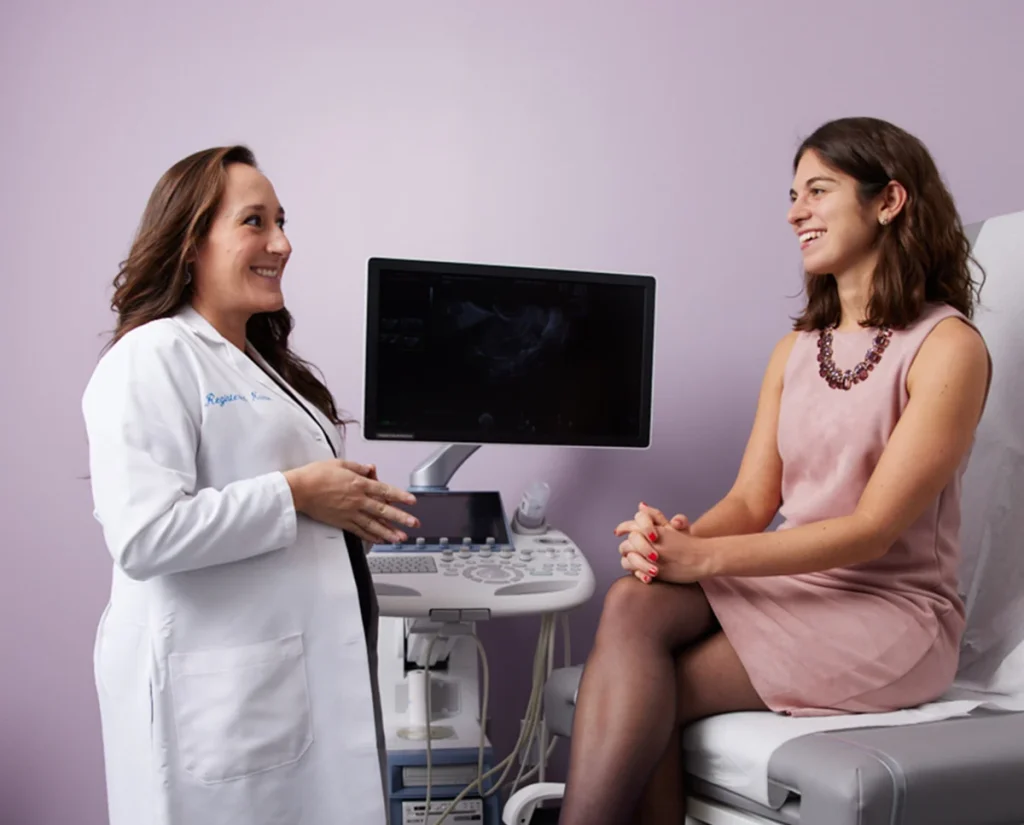
Navigating Fertility: Artificial Insemination and Natural Conception Compared
The most significant advantage of natural conception is that it is the most natural and straightforward way for couples to conceive. It also has no additional costs or procedures involved, making it more affordable for couples. Natural conception also allows for couples to conceive without any medical intervention, which can be a more comfortable and less invasive option for some.
Cons of Natural Conception
One of the main disadvantages of natural conception is that it relies heavily on timing and fertility awareness. This can be challenging for couples with irregular menstrual cycles or fertility issues. It also does not address any underlying fertility problems, which can be frustrating for couples who have been trying to conceive for an extended period.
Comparison between Artificial Insemination and Natural Conception
Both artificial insemination and natural conception have their pros and cons, and the best method for a couple will depend on their individual circumstances. In general, artificial insemination is a more targeted and controlled approach to conception, while natural conception is a more natural and spontaneous process. Here are some key points to keep in mind when comparing the two methods:
1. Success Rates: Artificial insemination has a higher success rate compared to natural conception, making it a more attractive option for couples who have been struggling to conceive for an extended period. However, keep in mind that success rates can vary depending on age, overall health, and underlying fertility issues.
2. Cost: As mentioned earlier, artificial insemination is generally less expensive than other assisted reproductive technologies, making it a more affordable option for couples. Natural conception, on the other hand, does not have any additional costs involved, making it the most economical option.
3. Timing and Control: Artificial insemination allows for more control over the timing of conception, as the sperm is inserted directly into the uterus during the most fertile time. Natural conception, on the other hand, relies on ovulation timing and fertility awareness, which can be challenging for some couples.
4. Addressing Underlying Issues: Artificial insemination does not address any underlying fertility issues, while natural conception may not be possible for couples with more complex fertility problems. It is essential to consult with a fertility specialist to determine the best approach for your specific situation.
Navigating Your Fertility Journey
No matter which method you choose, navigating the fertility journey can be emotionally and physically draining for couples. It is crucial to have open and honest communication with your partner and seek support from loved ones or a therapist if needed. Remember to take care of yourself and practice self-care during this time.
Summary:
Fertility is a complex and often overwhelming journey for couples trying to conceive. Artificial insemination and natural conception are two methods that can help couples struggling with infertility, each with its own pros and cons. Artificial insemination involves the insertion of sperm into the uterus, while natural conception relies on the fertilization of the egg during ovulation. Consider factors such as success rates, cost, timing, and underlying fertility issues when deciding which method is best for you. Most importantly, remember to take care of yourself and seek support during this challenging time.