Fertility is a topic that is often surrounded by myths and misconceptions. With advancements in technology and medicine, there are now various methods available for individuals and couples to conceive. Two common methods are artificial insemination and natural conception. However, there are many misconceptions and myths surrounding these methods that can lead to confusion and misinformation. In this blog post, we will debunk some of the most common fertility myths surrounding artificial insemination and natural conception.
Myth #1: Artificial insemination is only for infertile couples
Many people believe that artificial insemination is only for couples who are struggling with infertility. However, this is not entirely true. While artificial insemination can be a viable option for couples facing fertility issues, it can also be used by same-sex couples or single individuals who want to have a child.
Artificial insemination, also known as intrauterine insemination (IUI), involves placing sperm directly into the uterus using a thin catheter. This can increase the chances of conception, especially for couples with male fertility issues. But it can also be used by couples or individuals who do not have fertility problems but still need assistance in getting pregnant.
Myth #2: Artificial insemination is a painful and invasive procedure
One of the most common misconceptions about artificial insemination is that it is a painful and invasive procedure. However, this is not the case. The process is relatively simple and painless, with minimal discomfort.
During artificial insemination, a doctor will insert a thin catheter into the uterus through the cervix. This may cause some mild cramping, similar to menstrual cramps. However, the procedure is usually done quickly and does not require any anesthesia. Many women report that the discomfort is similar to a Pap smear.
Myth #3: Natural conception is the only “natural” way to have a baby
Natural conception, or conceiving a child through sexual intercourse, is often seen as the only “natural” way to have a baby. However, this is not entirely true. Artificial insemination, although assisted, still involves the natural process of fertilization and pregnancy.
Moreover, for couples struggling with fertility issues, natural conception may not always be possible. In such cases, artificial insemination can be a viable option that still allows for a natural pregnancy and childbirth experience.
Myth #4: Artificial insemination guarantees a successful pregnancy
Another common myth surrounding artificial insemination is that it guarantees a successful pregnancy. While artificial insemination can increase the chances of conception, it is not a guarantee. The success rate of artificial insemination varies depending on various factors, such as age, overall health, and fertility issues.
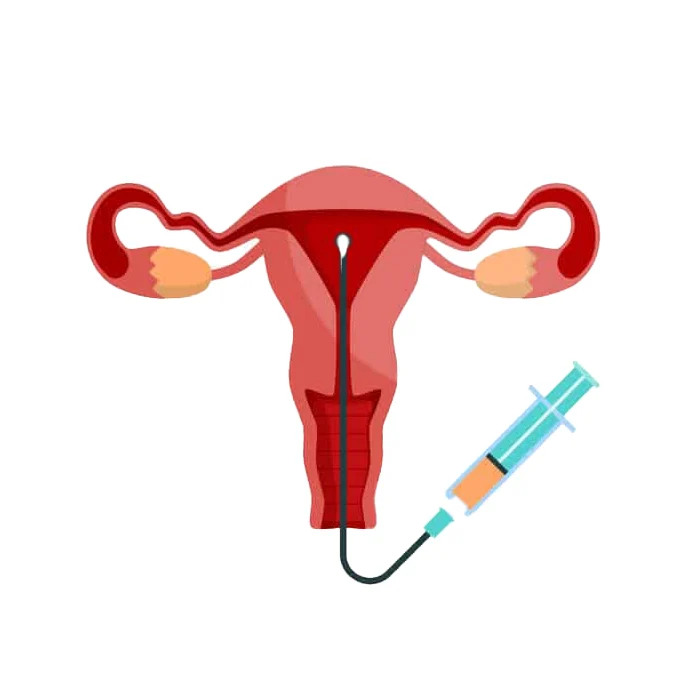
Fertility Myths Debunked: Artificial Insemination vs Natural Conception
On average, the success rate of artificial insemination is around 10-20% per cycle. This means that it may take multiple attempts before a successful pregnancy occurs. It is essential to have realistic expectations and be prepared for the possibility of multiple attempts before conceiving.
Myth #5: Natural conception is always the best option
Many people believe that natural conception is always the best option for conceiving a child. However, this is not necessarily true. While natural conception is the most common and preferred method, it may not be the best option for everyone.
For couples with fertility issues, natural conception may not be possible, and artificial insemination may be their only chance at having a biological child. Additionally, for same-sex couples or single individuals, artificial insemination may be the only option available for them to have a child.
Myth #6: Artificial insemination is only for older women
Another common myth is that artificial insemination is only for older women who are struggling to conceive naturally. However, this is not the case. While age can affect fertility, artificial insemination can be a viable option for women of all ages.
Artificial insemination can be used for women who have irregular ovulation, endometriosis, or other fertility issues, regardless of their age. It can also be used by younger women who may not be ready for pregnancy but want to preserve their fertility by freezing their partner’s sperm for later use.
Myth #7: Natural conception is always more affordable than artificial insemination
Many people assume that natural conception is always more affordable than artificial insemination. However, this is not necessarily true. While the cost of natural conception may seem minimal, it can add up over time, especially if a couple is struggling with fertility issues.
On the other hand, the cost of artificial insemination may seem higher upfront, but it can be a more cost-effective option in the long run. This is because artificial insemination can increase the chances of conception, reducing the need for multiple attempts or expensive fertility treatments.
In summary, there are several myths and misconceptions surrounding artificial insemination and natural conception. It is essential to have accurate information and understand that both methods are viable options for conceiving a child. Artificial insemination is not just for infertile couples, it is a relatively simple and painless procedure, and it is not a guarantee for a successful pregnancy. Natural conception is not the only “natural” way to have a baby, and it may not always be the best option for everyone. Age is not a determining factor for using artificial insemination, and it may not always be more affordable than natural conception.
In conclusion, it is crucial to do thorough research and consult with a fertility specialist to determine the best option for you and your partner. While there may be several myths surrounding fertility, it is essential to have accurate information and debunk these misconceptions to make informed decisions about your reproductive health.