The Cost of Fertility: Artificial Insemination vs Natural Conception
For many couples, starting a family is a dream that they hope to see come true. However, for some, conceiving a child naturally may not be an option. This can lead to the consideration of artificial insemination, a fertility treatment that has become increasingly popular in recent years. While there are many factors to consider when deciding between artificial insemination and natural conception, one of the biggest considerations is the cost. In this blog post, we will explore the cost of fertility through the lens of artificial insemination versus natural conception, and help you to make an informed decision about which option is best for you and your family.
The Cost of Artificial Insemination
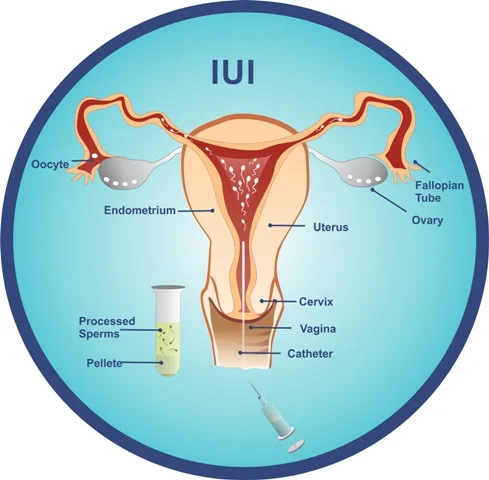
Artificial insemination, also known as intrauterine insemination (IUI), is a fertility treatment that involves placing sperm directly into a woman’s uterus to increase the chances of fertilization. This procedure can be done with the sperm of a partner or a donor, and is often used by couples who are struggling with male factor infertility, unexplained infertility, or same-sex couples.
The cost of artificial insemination can vary greatly depending on a number of factors, such as the clinic you choose, the type of insemination (partner or donor), and any additional procedures that may be needed. On average, a single cycle of IUI can cost anywhere from $500 to $4,000. This cost does not include any medications or additional testing that may be required, which can add up to an additional $1,000 to $5,000 per cycle.
One of the main advantages of artificial insemination is that it is typically less expensive than other fertility treatments, such as in vitro fertilization (IVF). However, the success rates of artificial insemination are also lower, which means that couples may need to undergo multiple cycles in order to achieve a successful pregnancy. This can significantly increase the overall cost of the treatment.
The Cost of Natural Conception
The Cost of Fertility: Artificial Insemination vs Natural Conception
In contrast to artificial insemination, natural conception involves trying to conceive a child through sexual intercourse without any medical intervention. While this may seem like the most cost-effective option, there are still a number of factors that can contribute to the cost of natural conception.
First, there is the cost of fertility testing to determine if there are any underlying issues that may be hindering natural conception. This can include testing for ovulation, sperm count, and hormone levels. These tests can range from a few hundred dollars to a few thousand dollars, depending on the complexity of the testing.
Additionally, the cost of natural conception can be impacted by the use of fertility medications. These medications can help to regulate ovulation and increase the chances of conception, but they come at a cost. Depending on the type of medication and the length of treatment, couples can expect to spend anywhere from a few hundred dollars to a few thousand dollars on fertility medications.
Other factors that can contribute to the cost of natural conception include lifestyle changes, such as diet and exercise, and alternative therapies, such as acupuncture or herbal supplements. While these options may not have a direct cost, they can still add up over time and impact the overall cost of trying to conceive naturally.
Making the Decision
When it comes to choosing between artificial insemination and natural conception, it is important to consider both the financial and emotional costs. While artificial insemination may have a higher upfront cost, the success rates may make it a more cost-effective option in the long run. On the other hand, natural conception may have a lower upfront cost, but the emotional toll of trying to conceive month after month can also take its toll.
Ultimately, the decision between artificial insemination and natural conception is a personal one and should be made in consultation with a trusted healthcare provider. It is important to weigh the financial costs along with the emotional and physical costs of each option in order to make the best decision for you and your family.
In conclusion, the cost of fertility can be a significant factor when deciding between artificial insemination and natural conception. While artificial insemination may have a higher upfront cost, the success rates and potential for fewer cycles can make it a more cost-effective option in the long run. However, the decision ultimately depends on individual circumstances and should be made in consultation with a healthcare professional.