Tag: lifestyle changes

  • Fertility Medications vs Supplements: Finding the Right Balance for Your Body

    Blog Post:

    In today’s world, there are numerous options available for couples struggling with fertility issues. From fertility medications to supplements, it can be overwhelming to decide what is best for your body. While both options have their own benefits and drawbacks, finding the right balance between fertility medications and supplements is crucial for optimizing your chances of conception.

    Fertility Medications:

    Fertility medications, also known as fertility drugs, are prescribed by doctors to help stimulate ovulation and increase the chances of pregnancy. These medications work by regulating hormones and stimulating the ovaries to produce and release eggs. Some common fertility medications include Clomiphene citrate, Gonadotropins, and Metformin.

    Clomiphene citrate, also known as Clomid, is one of the most commonly prescribed fertility medications. It works by binding to estrogen receptors in the body, tricking the brain into thinking that estrogen levels are low. This triggers the release of hormones that stimulate the ovaries to produce and release eggs.

    Gonadotropins, on the other hand, are injectable medications that contain follicle-stimulating hormone (FSH) and luteinizing hormone (LH). These hormones help to stimulate the ovaries to produce and release eggs. Gonadotropins are often used in combination with other fertility treatments, such as in vitro fertilization (IVF).

    Metformin, a medication typically used to treat diabetes, is also sometimes prescribed for fertility issues. It works by reducing insulin resistance and balancing hormone levels, which can help women with polycystic ovary syndrome (PCOS) to ovulate and improve their chances of conceiving.

    While fertility medications can be effective in helping couples conceive, they are not without their drawbacks. These medications can cause side effects such as hot flashes, mood swings, and headaches. They can also increase the risk of multiple pregnancies, which can be risky for both the mother and babies.
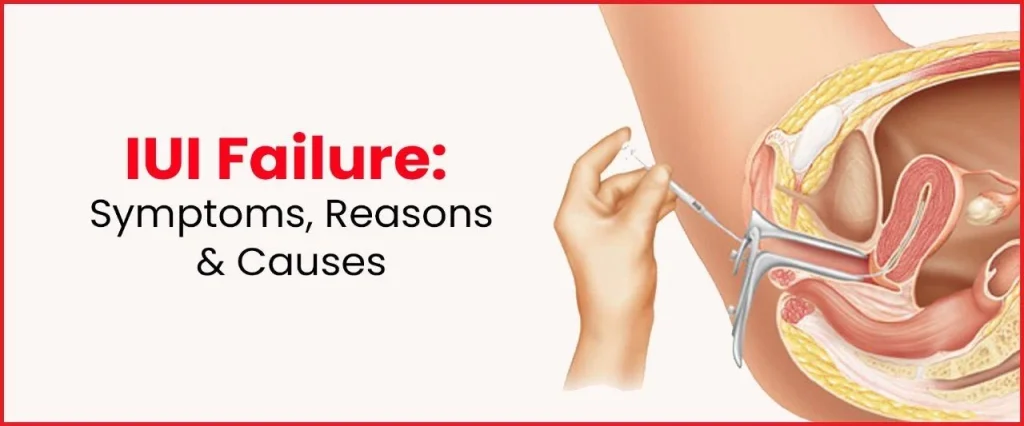
    illustration of IUI procedure with text on symptoms, reasons, and causes of IUI failure

    Fertility Medications vs Supplements: Finding the Right Balance for Your Body

    Supplements:

    In recent years, there has been a rise in the use of supplements as a natural alternative to fertility medications. Supplements are often seen as a more holistic approach to fertility, as they aim to improve overall health and balance hormones without the use of synthetic drugs.

    Some of the most popular supplements for fertility include Coenzyme Q10, Myo-inositol, and Omega-3 fatty acids. Coenzyme Q10, or CoQ10, is an antioxidant that helps to improve egg and sperm quality. Myo-inositol is a nutrient that has been found to improve ovulation in women with PCOS. Omega-3 fatty acids, commonly found in fish oil supplements, can help to regulate hormones and improve fertility.

    One of the major benefits of supplements is that they are generally safe and have minimal side effects. They can also be taken alongside other fertility treatments, making them a popular choice for couples undergoing assisted reproductive techniques.

    Finding the Right Balance:

    So, which option is best for you? The truth is, there is no one-size-fits-all answer. Every person’s body is unique, and what works for one couple may not work for another. It is essential to consult with a fertility specialist to determine the underlying cause of your fertility issues and discuss the best treatment plan for your specific situation.

    In some cases, a combination of fertility medications and supplements may be recommended to optimize your chances of conception. For example, a woman with PCOS may benefit from taking Metformin to regulate insulin levels and Myo-inositol to improve ovulation.

    It is also crucial to remember that fertility medications and supplements are not a quick fix. It takes time for these treatments to show results, and it is essential to be patient and consistent with their use. Additionally, making lifestyle changes such as maintaining a healthy diet and exercise routine can also greatly improve fertility.

    In summary, fertility medications and supplements both have their own benefits and drawbacks, and the key is to find the right balance for your body. It is essential to consult with a fertility specialist, be patient, and make necessary lifestyle changes to optimize your chances of conception.
  • A Holistic Approach to Fertility: Combining Medications and Supplements

    Blog Post Title: A Holistic Approach to Fertility: Combining Medications and Supplements

    Summary:

    Many couples struggle with fertility issues and often turn to medications and supplements to help increase their chances of conceiving. However, taking a holistic approach to fertility can offer a more comprehensive and effective solution. By combining both medications and supplements, individuals can address the root causes of their fertility problems and improve their overall health and well-being.

    In this blog post, we will discuss the benefits of taking a holistic approach to fertility and how combining medications and supplements can greatly improve the chances of conceiving.

    Understanding the Benefits of a Holistic Approach to Fertility

    A holistic approach to fertility focuses on treating the whole person, rather than just the fertility issue. This means taking into account physical, emotional, and lifestyle factors that may be contributing to fertility problems. By addressing these underlying issues, individuals can improve their overall health and fertility.

    One of the main benefits of a holistic approach is that it can help identify and treat any underlying medical conditions that may be affecting fertility. Conditions such as polycystic ovary syndrome (PCOS), endometriosis, and thyroid disorders can all impact fertility and are often not addressed by traditional fertility treatments alone. By identifying and treating these conditions, individuals can greatly improve their chances of conceiving.

    Additionally, a holistic approach to fertility focuses on improving overall health and well-being. This can include changes in diet, exercise, stress management, and other lifestyle factors that can impact fertility. By addressing these factors, individuals can create a healthier environment for conception to occur.

    Combining Medications and Supplements for Optimal Results

    While traditional fertility medications can be effective in stimulating ovulation and increasing the chances of conception, they often come with side effects and may not address underlying health issues. This is where supplements can play a crucial role.

    Supplements can provide essential nutrients and support for reproductive health, as well as help address any deficiencies that may be impacting fertility. For example, folic acid and vitamin D are both important for fertility and are often recommended for women trying to conceive. Other supplements such as CoQ10, omega-3 fatty acids, and probiotics have also been shown to improve fertility outcomes.

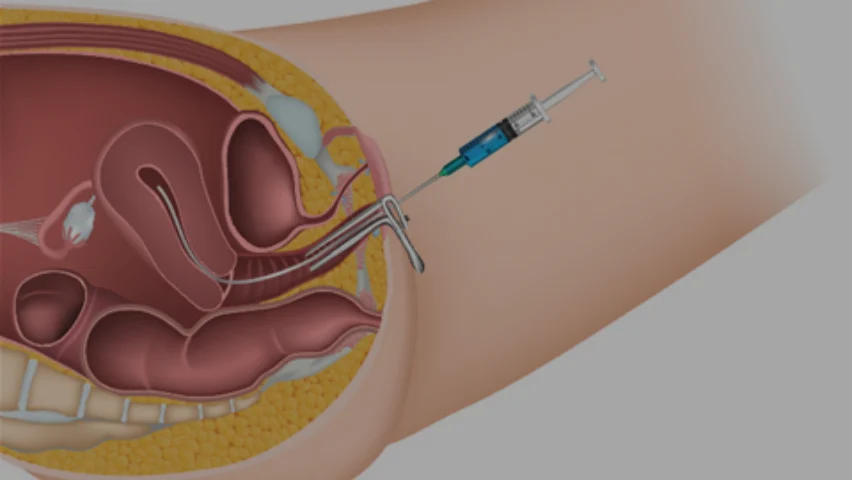
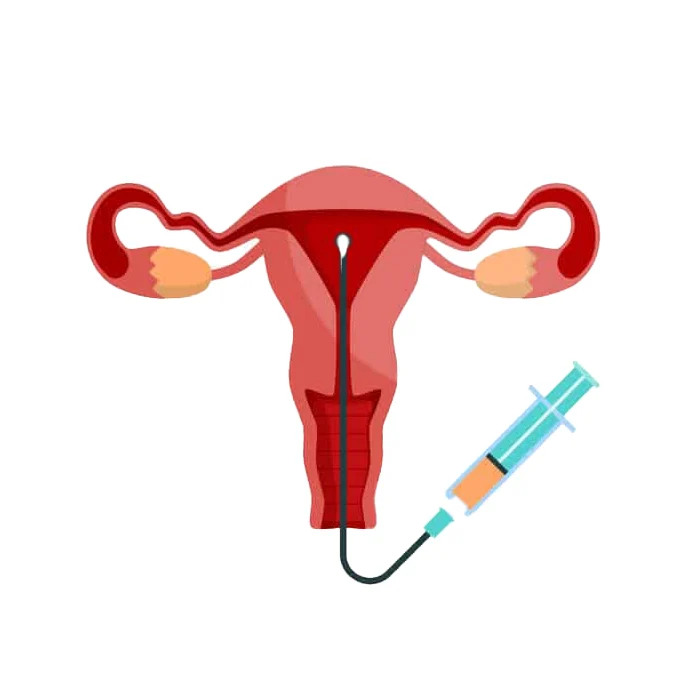
    illustration of a uterus with a syringe for intrauterine insemination (IUI) procedure

    A Holistic Approach to Fertility: Combining Medications and Supplements

    When combining medications and supplements, it is important to work closely with a healthcare provider to ensure there are no interactions or contraindications. They can also help determine the appropriate dosages and monitor progress.

    The Importance of a Healthy Lifestyle

    In addition to medications and supplements, a healthy lifestyle is crucial for fertility. This includes maintaining a balanced diet, regular exercise, managing stress levels, and avoiding harmful substances such as tobacco and excessive alcohol consumption.

    A diet rich in whole foods, healthy fats, and a variety of fruits and vegetables can improve overall health and fertility. Exercise can also help regulate hormones and improve blood flow to reproductive organs. Managing stress levels is important as high levels of stress can interfere with hormonal balance and ovulation.

    Incorporating Mind-Body Practices

    Mind-body practices such as acupuncture, meditation, and yoga have been shown to support fertility by reducing stress and promoting relaxation. Acupuncture, in particular, has been used for centuries to treat fertility issues and can help regulate menstrual cycles, increase blood flow to the uterus, and improve the quality of eggs.

    Meditation and yoga can also help reduce stress and improve overall well-being, which can positively impact fertility. These practices can also provide a sense of control and empowerment for individuals who may feel overwhelmed by their fertility journey.

    Final Thoughts

    Taking a holistic approach to fertility by combining medications, supplements, and lifestyle changes can greatly improve the chances of conceiving. By addressing underlying health issues, nourishing the body with essential nutrients, and promoting a healthy lifestyle, individuals can create a more optimal environment for conception to occur.

    It is important to work closely with a healthcare provider to determine the best course of action and to monitor progress. With a holistic approach, individuals can improve their overall health and well-being, and increase their chances of successfully conceiving.

    SEO Metadata:

  • Natural vs Medicinal Approaches to Fertility: Finding the Right Balance

    Natural vs Medicinal Approaches to Fertility: Finding the Right Balance

    Fertility is a topic that has gained more attention in recent years as more couples struggle with infertility issues. With the increasing availability of fertility treatments and medications, many people are turning to modern medicine for help in conceiving a child. However, there is a growing interest in natural approaches to fertility, which involves using natural methods and lifestyle changes to increase the chances of conception. In this blog post, we will explore the differences between natural and medicinal approaches to fertility and how finding the right balance between the two can lead to successful and healthy pregnancies.

    Natural Approaches to Fertility

    Natural approaches to fertility focus on using natural methods to optimize the body’s reproductive health. This can include changes in diet, exercise, stress management techniques, and the use of herbal supplements. These methods aim to support the body’s natural functions and promote overall well-being, rather than targeting a specific fertility issue.

    Diet plays a crucial role in natural fertility. A diet that is rich in whole, unprocessed foods, and low in sugar and unhealthy fats can improve hormone balance, boost egg and sperm health, and increase chances of conception. Certain foods, such as leafy greens, avocados, and nuts, are known to support fertility due to their high nutrient content.

    Regular exercise is also beneficial for fertility, as it helps regulate hormone levels, maintain a healthy weight, and reduce stress. Stress is a known contributor to infertility, and incorporating stress management techniques such as yoga, meditation, or acupuncture can help improve fertility outcomes.

    Another aspect of natural fertility is the use of herbal supplements. Herbs such as maca, chasteberry, and red raspberry leaf have been traditionally used to support reproductive health and boost fertility. However, it is essential to consult with a healthcare provider before incorporating any herbal supplements into your routine, as they may interact with other medications or have adverse effects on certain health conditions.

    Medicinal Approaches to Fertility

    Medicinal approaches to fertility involve using medications and assisted reproductive technologies (ART) to overcome fertility challenges. Medications such as Clomid and Letrozole are commonly used to stimulate ovulation in women with irregular menstrual cycles. ART, on the other hand, includes procedures like intrauterine insemination (IUI) and in vitro fertilization (IVF) to help couples conceive.

    Illustration of the IUI process, showing a syringe and catheter in the reproductive system.

    Natural vs Medicinal Approaches to Fertility: Finding the Right Balance

    Medications and ART can be effective in treating specific fertility issues, such as hormonal imbalances, blocked fallopian tubes, or low sperm count. However, they also come with potential side effects and risks, and they can be costly. Additionally, many couples may find the process emotionally and physically draining.

    Finding the Right Balance

    The decision between natural and medicinal approaches to fertility should not be a black and white one. Both approaches have their benefits and limitations, and it is essential to find the right balance to achieve the best possible outcome.

    For couples struggling with fertility, it is crucial to consult with a healthcare provider who specializes in fertility. They can assess your specific situation and recommend the best approach for you. In some cases, a combination of natural and medicinal approaches may be recommended.

    One example of this is using natural methods to prepare the body for an ART procedure. Studies have shown that incorporating lifestyle changes, such as diet and exercise, can improve the success rates of IVF. Additionally, some herbal supplements may support the body during fertility treatments and help reduce side effects.

    It is also important to listen to your body and make informed decisions. While medications and ART may be necessary for some couples, others may find success with natural methods alone. It is essential to understand the potential risks and benefits of each approach and choose what feels right for you.

    In conclusion, both natural and medicinal approaches to fertility have their place in helping couples conceive. By finding the right balance between the two, couples can optimize their chances of a successful and healthy pregnancy. It is crucial to consult with a healthcare provider and listen to your body to make informed decisions about your fertility journey.

    Summary:

    Fertility is a topic that has gained more attention in recent years, with more couples struggling with infertility issues. While modern medicine offers various treatments and medications, there is also a growing interest in natural approaches to fertility. These methods involve lifestyle changes, such as diet, exercise, and stress management, as well as the use of herbal supplements. On the other hand, medicinal approaches to fertility involve medications and assisted reproductive technologies (ART) like IVF. It is essential to find the right balance between the two approaches to achieve the best possible outcome. Consulting with a healthcare provider and listening to your body can help you make informed decisions about your fertility journey.

  • Sperm Analysis and Semen Analysis: The Importance of Regular Testing

    Blog Post:

    When it comes to male reproductive health, sperm analysis and semen analysis are important tools for monitoring and maintaining fertility. These tests analyze the quality and quantity of sperm in a man’s semen, providing valuable information about his reproductive capabilities. While many men may feel uncomfortable discussing these topics or undergoing testing, regular sperm and semen analysis can offer important insights into overall health and help identify potential fertility issues. In this blog post, we will explore the importance of regular testing and how it can benefit men’s reproductive health.

    Sperm analysis, also known as a sperm count, measures the number of sperm present in a semen sample. This test is typically done to assess fertility and is often one of the first steps in diagnosing male infertility. Semen analysis, on the other hand, evaluates the overall health and quality of sperm, including factors such as motility (movement) and morphology (shape). Both tests provide valuable information about a man’s reproductive health and can help identify potential issues that may be affecting fertility.

    One of the main reasons why regular sperm and semen analysis is important is that it can help identify potential fertility issues early on. Infertility affects approximately 1 in 8 couples, with about one-third of cases attributed to male factors. By regularly monitoring sperm and semen quality, men can catch any potential issues early and seek appropriate treatment. This can not only increase the chances of successful conception but also save couples from months or even years of frustration and disappointment.

    Furthermore, sperm and semen analysis can provide valuable insights into overall health. Sperm analysis, in particular, can reveal underlying health conditions such as hormonal imbalances, infections, or genetic disorders that may be affecting fertility. In some cases, abnormalities in sperm can even be an early indicator of more serious conditions such as testicular cancer. By regularly monitoring sperm and semen quality, men can take proactive steps to address any health issues and maintain their overall well-being.

    Regular testing can also help men make lifestyle changes that can improve their sperm and semen quality. Factors such as diet, exercise, and stress levels can all impact fertility, and regular testing can help men identify areas for improvement. For example, if a man’s semen analysis shows a low sperm count, he may be advised to make changes to his diet and lifestyle, such as reducing alcohol consumption or quitting smoking. These changes can not only improve sperm quality but also contribute to overall health and well-being.

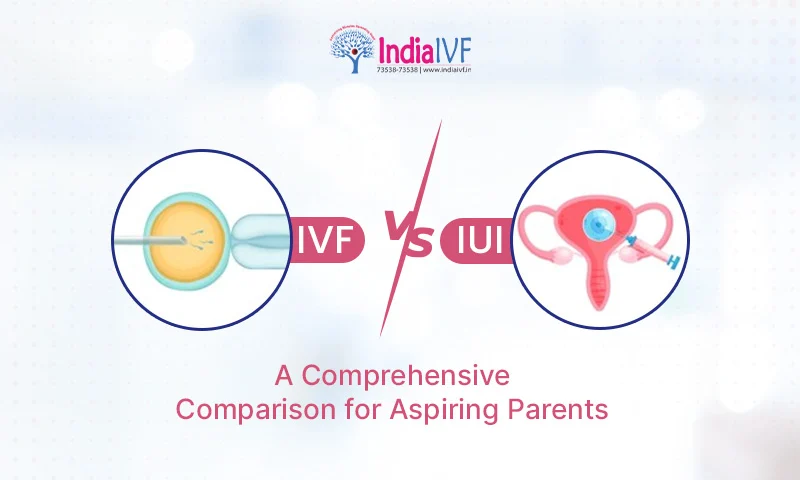
    Comparison of IUI and IVF with illustrations of each procedure.

    Sperm Analysis and Semen Analysis: The Importance of Regular Testing

    Another benefit of regular sperm and semen analysis is that it can track the effectiveness of any fertility treatments. If a couple is undergoing fertility treatments, such as in vitro fertilization (IVF), regular testing can help monitor the success of the treatment. By tracking sperm and semen quality, doctors can make adjustments to the treatment plan if needed to increase the chances of a successful pregnancy.

    It is also important to note that sperm and semen analysis is a simple and non-invasive procedure. While some men may feel uncomfortable providing a semen sample, the process is quick and painless. The sample is typically collected through masturbation or by using a special condom during intercourse. The sample is then analyzed in a laboratory, and results are usually available within a few days. Overall, the benefits of regular testing far outweigh any potential discomfort or embarrassment.

    In addition to the physical benefits, regular sperm and semen analysis can also have a positive impact on men’s mental health. Infertility can be a source of stress, anxiety, and even depression for men and their partners. By regularly monitoring sperm and semen quality, men can have peace of mind knowing that they are taking proactive steps to maintain their reproductive health. This can reduce stress and anxiety and contribute to overall mental well-being.

    In conclusion, regular sperm and semen analysis are essential tools for monitoring and maintaining male reproductive health. These tests can not only identify potential fertility issues but also provide valuable insights into overall health and well-being. By regularly testing, men can take proactive steps to address any issues and increase their chances of successful conception. So, if you are a man who wants to ensure your fertility and overall health, schedule a sperm and semen analysis today.

    Summary:

    Sperm and semen analysis are important tools for monitoring and maintaining male reproductive health. These tests provide valuable information about sperm quality, fertility, and overall health. Regular testing can help identify potential issues early on, make lifestyle changes to improve sperm quality, track the effectiveness of fertility treatments, and have a positive impact on mental health. The process is simple and non-invasive, and the benefits far outweigh any discomfort or embarrassment. So, it is essential for men to prioritize regular sperm and semen analysis for their reproductive and overall health.

  • Fertility Coaching: Empowering Your Journey to Parenthood

    Blog Post:

    Fertility coaching is a rapidly growing field that aims to support individuals and couples on their journey to parenthood. It is a holistic approach that combines emotional support, lifestyle changes, and practical tools to empower individuals and help them navigate the complex and often overwhelming process of trying to conceive.

    For many people, starting a family is a deeply desired goal, but it can also be a challenging and emotional experience. From fertility issues to pregnancy loss, the path to parenthood is not always straightforward. This is where fertility coaching can make a significant difference, providing a safe and supportive space for individuals to address their fears, concerns, and hopes.

    Empowering Your Journey to Parenthood:

    Fertility coaching goes beyond traditional therapy by incorporating a proactive and solution-oriented approach. Unlike traditional therapy, which focuses on past experiences and emotions, fertility coaching focuses on the present and future. It helps individuals identify and overcome obstacles, create a personalized plan, and take action towards their goal of becoming parents.

    test tube with sperm in blue liquid, promoting IUI success rate and factors influencing fertility.

    Fertility Coaching: Empowering Your Journey to Parenthood

    One of the most significant benefits of fertility coaching is the emotional support it provides. The journey to parenthood can be emotionally taxing, and individuals often feel isolated, overwhelmed, and anxious. Fertility coaches act as a compassionate and non-judgmental support system, providing a safe space for individuals to express their feelings and fears. They help individuals navigate through the emotional rollercoaster of fertility treatments, pregnancy loss, and other challenges.

    Fertility coaches also help individuals identify and address any limiting beliefs or fears that may be hindering their journey to parenthood. These beliefs and fears can often stem from past experiences or societal expectations. By addressing them, individuals can gain a better understanding of themselves and their desires, allowing them to move forward with more confidence and clarity.

    In addition to emotional support, fertility coaching also focuses on lifestyle changes that can improve fertility and overall well-being. This can include optimizing nutrition, incorporating stress-reduction techniques, and maintaining a healthy exercise routine. Fertility coaches work closely with individuals to create a personalized plan that fits their unique needs and lifestyle. By making these lifestyle changes, individuals can improve their chances of conceiving and create a healthier environment for their future child.

    Practical tools and strategies are also an essential aspect of fertility coaching. Fertility coaches provide individuals with tools to manage stress, anxiety, and other emotions that may arise during their journey to parenthood. They also offer guidance on navigating the complex world of fertility treatments, including understanding medical procedures, choosing the right fertility clinic, and managing the financial aspects.

    Another significant benefit of fertility coaching is the sense of empowerment it provides. Trying to conceive can often feel like a loss of control, but fertility coaching helps individuals regain a sense of control over their journey. By addressing fears and limiting beliefs, making lifestyle changes, and having practical tools and strategies, individuals feel more confident and in charge of their fertility journey.

    In summary, fertility coaching is a holistic approach that provides emotional support, lifestyle changes, and practical tools to empower individuals on their journey to parenthood. It helps individuals address fears and limiting beliefs, make lifestyle changes, and regain a sense of control over their fertility journey. With the help of a fertility coach, individuals can navigate the challenges of trying to conceive and create a healthier and more positive experience.

  • Fertility Coaching vs Fertility Doctors: Which Offers a Holistic Approach?

    As the demand for fertility treatments continues to rise, more and more options are becoming available to individuals and couples struggling with fertility issues. Among these options are fertility coaching and fertility doctors, both of which offer different approaches to helping individuals achieve their dream of starting a family. While fertility doctors focus on medical interventions and treatments, fertility coaching takes a more holistic approach, addressing not just the physical aspects of fertility but also the emotional and mental well-being of the individual. In this blog post, we will explore the differences between fertility coaching and fertility doctors, and discuss why a holistic approach may be beneficial for those seeking fertility support.

    Fertility Coaching: A Holistic Approach

    Fertility coaching is a relatively new field that aims to support individuals and couples through their fertility journey. Fertility coaches work with their clients to address not just the physical aspects of fertility, but also the emotional and mental aspects. They provide support, guidance, and education on how to optimize fertility through lifestyle changes, stress management techniques, and emotional support.

    One of the key differences between fertility coaching and fertility doctors is that fertility coaching takes a more holistic approach, looking at the individual as a whole, rather than just focusing on their reproductive organs. Fertility coaches recognize that fertility is not just a physical issue, but also a mental and emotional one. They understand that factors such as stress, diet, and emotions can play a significant role in fertility and work with their clients to address these aspects.

    Fertility coaches also provide a safe and non-judgmental space for individuals to express their fears, frustrations, and emotions related to their fertility struggles. They offer emotional support and help individuals cope with the stress and anxiety that often comes with trying to conceive. This holistic approach can be particularly beneficial for those who have been struggling with infertility for a long time, as it allows them to address all aspects of their well-being and make positive changes that can improve their chances of conceiving.

    Fertility Doctors: A Medical Approach

    On the other hand, fertility doctors approach fertility issues from a medical perspective. They focus on diagnosing and treating the underlying medical conditions that may be causing infertility. These treatments may include medications, surgeries, or assisted reproductive technologies such as in vitro fertilization (IVF) or intrauterine insemination (IUI).

    Fertility doctors play a crucial role in helping individuals achieve pregnancy, especially in cases where there are underlying medical issues. They conduct various tests and procedures to identify the cause of infertility, and then recommend the most appropriate treatment options. However, fertility doctors often do not address the emotional and mental aspects of fertility, which can be just as important as the medical aspects.

    Illustration of intrauterine insemination (IUI) procedure with syringe and catheter in the uterus.

    Fertility Coaching vs Fertility Doctors: Which Offers a Holistic Approach?

    The Benefits of a Holistic Approach

    Both fertility coaching and fertility doctors have their own benefits and can be used in conjunction to provide comprehensive support for individuals struggling with fertility issues. However, there are some distinct advantages to taking a holistic approach to fertility.

    Firstly, a holistic approach recognizes that fertility is not just a physical issue, but also a mental and emotional one. By addressing all aspects of well-being, individuals can improve their overall health and increase their chances of conceiving. This approach also empowers individuals to take control of their fertility journey and make positive changes to their lifestyle, which can have a significant impact on their overall health and fertility.

    Secondly, a holistic approach may be particularly beneficial for those who have been unsuccessful with medical treatments or have experienced recurrent miscarriages. By addressing underlying emotional and mental factors, individuals can reduce stress and anxiety, which can improve their chances of success with fertility treatments.

    Lastly, a holistic approach to fertility can also have positive long-term effects beyond just achieving pregnancy. By making positive lifestyle changes and addressing emotional and mental well-being, individuals can improve their overall health and well-being, which can have a lasting impact on their future fertility and overall quality of life.

    In conclusion, fertility coaching and fertility doctors offer different approaches to addressing fertility issues. While fertility doctors focus on medical interventions, fertility coaching takes a more holistic approach, addressing all aspects of well-being. By recognizing the importance of emotional and mental well-being in the fertility journey, individuals can benefit from a more comprehensive and empowering approach to achieving their dream of starting a family.

    Summary:

    Fertility coaching and fertility doctors offer different approaches to addressing fertility issues. While fertility doctors focus on medical treatments, fertility coaching takes a more holistic approach, addressing emotional and mental well-being in addition to physical health. By recognizing the importance of a holistic approach to fertility, individuals can improve their overall well-being and increase their chances of achieving pregnancy.

  • Male Factor Infertility and Lifestyle Changes: How Diet and Habits Can Affect Fertility

    Blog Post:

    Male factor infertility, also known as male infertility, is a condition where a man has difficulty in impregnating a woman despite frequent and unprotected sexual intercourse. It is estimated that male infertility accounts for about 40-50% of all infertility cases. While there are various factors that can contribute to male infertility, lifestyle choices and habits are often overlooked. In this blog post, we will explore the impact of diet and habits on male fertility and discuss lifestyle changes that can improve fertility.

    Diet and Male Fertility:

    Diet plays a crucial role in overall health and well-being, including fertility. Studies have shown that certain nutrients and dietary patterns can affect sperm quality and quantity, thus impacting male fertility. Here are some dietary factors that can affect male fertility:

    1. Antioxidants:

    Antioxidants are essential for maintaining reproductive health in men. They help protect sperm from damage caused by free radicals, which can affect sperm quality. Foods rich in antioxidants include fruits, vegetables, nuts, and whole grains. Some specific antioxidants that have been linked to improved sperm quality include vitamins C and E, selenium, and zinc.

    2. Omega-3 Fatty Acids:

    Omega-3 fatty acids are essential for sperm production and function. They also play a role in reducing inflammation, which can affect sperm quality. Foods rich in omega-3 fatty acids include fatty fish like salmon, mackerel, and sardines, as well as flaxseeds, chia seeds, and walnuts.

    3. Processed Foods:

    On the other hand, a diet high in processed and unhealthy foods has been linked to poor sperm quality. These foods are often high in trans fats, which can decrease sperm count and motility. They can also lead to inflammation and oxidative stress, which can damage sperm.

    4. Caffeine and Alcohol:

    Excessive caffeine and alcohol consumption have been linked to male infertility. Studies have shown that caffeine can affect sperm quality, while excessive alcohol intake can lead to hormonal imbalances and decreased sperm production. It is advisable to limit caffeine intake to no more than 300 mg per day and to moderate alcohol consumption.

    Lifestyle Habits and Male Fertility:

    Apart from diet, certain lifestyle habits can also affect male fertility. Here are some common habits that can have a negative impact on male fertility:

    1. Smoking:

    Smoking is harmful to overall health, and it can also have a significant impact on male fertility. Studies have shown that smoking can decrease sperm quality, sperm count, and motility. It can also lead to DNA damage in sperm, which can affect fertility and increase the risk of birth defects.

    2. Sedentary Lifestyle:

    A sedentary lifestyle, characterized by little or no physical activity, can also contribute to male infertility. Regular exercise has been linked to improved sperm quality and quantity. It can also help reduce stress and maintain a healthy body weight, both of which are essential for fertility.

    IVF vs IUI comparison graphic highlighting reproductive methods for aspiring parents.

    Male Factor Infertility and Lifestyle Changes: How Diet and Habits Can Affect Fertility

    3. Stress:

    Stress can affect male fertility in several ways. It can lead to hormonal imbalances, decrease libido, and cause erectile dysfunction. It can also affect sperm production and function. Finding ways to manage stress, such as through exercise, meditation, or therapy, can help improve fertility.

    4. Heat Exposure:

    Exposure to high temperatures can also have a negative impact on male fertility. It can lead to decreased sperm production and affect sperm quality. Activities like using hot tubs, wearing tight clothing, and prolonged sitting can increase scrotal temperature, thus affecting sperm production.

    Lifestyle Changes to Improve Male Fertility:

    Making positive lifestyle changes can significantly improve male fertility. Here are some changes that men can make to promote reproductive health:

    1. Follow a Balanced Diet:

    Eating a balanced diet that includes plenty of fruits, vegetables, whole grains, and healthy fats can help improve sperm quality and quantity. It is also essential to limit the intake of processed and unhealthy foods.

    2. Exercise Regularly:

    Regular exercise, such as running, swimming, or weightlifting, can help improve sperm quality and quantity. It can also reduce stress and maintain a healthy body weight, both of which are essential for fertility.

    3. Quit Smoking and Limit Alcohol Intake:

    Quitting smoking and limiting alcohol consumption can significantly improve male fertility. It is also advisable to avoid recreational drugs, as they can have a negative impact on reproductive health.

    4. Manage Stress:

    Finding ways to manage stress, such as through exercise, meditation, or therapy, can help improve fertility. It is also essential to maintain a healthy work-life balance and prioritize self-care.

    5. Avoid Heat Exposure:

    To improve male fertility, it is advisable to avoid activities that can increase scrotal temperature, such as using hot tubs or saunas, wearing tight clothing, or sitting for prolonged periods.

    In conclusion, male factor infertility is a prevalent issue, and lifestyle choices and habits can play a significant role in its development. By making positive lifestyle changes, men can improve their fertility and increase their chances of conceiving. It is essential to follow a balanced diet, exercise regularly, manage stress, and avoid harmful habits to promote reproductive health and overall well-being.

    Summary:

    Male factor infertility is a condition where a man has difficulty in impregnating a woman despite frequent and unprotected sexual intercourse. While there are various factors that can contribute to male infertility, lifestyle choices and habits are often overlooked. Diet and habits, such as smoking and a sedentary lifestyle, can have a negative impact on male fertility. On the other hand, following a balanced diet, exercising regularly, managing stress, and avoiding heat exposure can help improve fertility. By making positive lifestyle changes, men can increase their chances of conceiving and promote their overall well-being.

  • Male Factor Infertility and IVF: What You Need to Know

    Male Factor Infertility and IVF: What You Need to Know

    Infertility affects millions of couples around the world, and a significant portion of cases are due to male factor infertility. In fact, about 40% of infertile couples have a male factor contributing to their inability to conceive. While this can be a difficult and emotional journey for couples, there are options available to help them start a family. In vitro fertilization (IVF) is one such option that has been successful in helping many couples overcome male factor infertility. In this blog post, we will explore the causes of male factor infertility, how it can affect IVF success, and what couples need to know about this treatment option.

    Causes of Male Factor Infertility

    Male factor infertility can be caused by a variety of factors, including low sperm count, poor sperm motility (movement), abnormal sperm shape, and blockages in the male reproductive system. These issues can be a result of genetic factors, environmental factors, or lifestyle choices. For example, exposure to toxins, such as pesticides or chemicals, can affect sperm production and quality. Other risk factors for male factor infertility include smoking, excessive alcohol consumption, and obesity.

    In some cases, male factor infertility can also be a result of medical conditions, such as hormonal imbalances, infections, or genetic disorders. It is important for men to undergo a thorough examination and testing to determine the cause of their infertility.

    How Male Factor Infertility Affects IVF Success

    In vitro fertilization is a process in which eggs and sperm are fertilized outside of the body in a laboratory. The resulting embryos are then transferred into the woman’s uterus, where they have the potential to implant and develop into a pregnancy. While IVF has been successful in helping many couples overcome infertility, male factor infertility can affect the success of this treatment.

    The quality and quantity of sperm can significantly impact the success of IVF. If a man has a low sperm count or poor sperm quality, it may be more difficult to obtain enough viable sperm for the IVF process. This can result in a lower number of embryos available for transfer, decreasing the chances of a successful pregnancy. Additionally, if the sperm has difficulty fertilizing the eggs in the laboratory, it can also decrease the chances of success.

    What Couples Need to Know About IVF for Male Factor Infertility

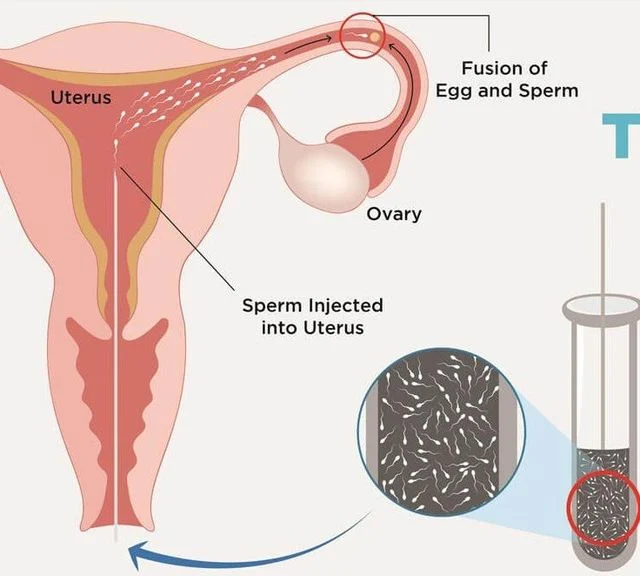
    Diagram illustrating the IUI process, showing sperm injection into the uterus and egg fertilization.

    Male Factor Infertility and IVF: What You Need to Know

    For couples struggling with male factor infertility, IVF can offer a ray of hope. Here are some important things to know about this treatment option:

    1. It may not be the first treatment option: In some cases, male factor infertility can be treated with medication or surgery. It is important for couples to explore all options before moving on to IVF.

    2. Donor sperm may be an option: In cases where the male partner has no viable sperm, donor sperm can be used for IVF. This allows the couple to still have a biological connection to their child.

    3. Success rates may be lower: As mentioned earlier, male factor infertility can decrease the chances of IVF success. It is important for couples to have realistic expectations and be prepared for multiple cycles of IVF if needed.

    4. Additional testing may be necessary: In some cases, additional testing may be needed to determine the best course of action for IVF. This can include genetic testing or sperm DNA fragmentation testing.

    5. Lifestyle changes can improve success: Making lifestyle changes, such as reducing alcohol consumption and quitting smoking, can improve sperm quality and increase the chances of IVF success.

    Conclusion

    Male factor infertility can be a challenging obstacle for couples trying to conceive. However, with advancements in technology and treatment options like IVF, many couples are able to overcome this hurdle and start a family. It is important for couples to be informed about the causes of male factor infertility and how it can impact IVF success. By working closely with their healthcare team, couples can explore the best options for their individual situation and increase their chances of achieving a successful pregnancy.

    In summary, male factor infertility is a common cause of infertility and can be caused by a variety of factors. It can affect the success of IVF, but with proper testing, treatment, and lifestyle changes, many couples can overcome this hurdle and achieve their dream of starting a family.

  • Male Factor Infertility Treatments: What to Expect and How to Prepare

    Infertility is a common issue that affects millions of couples worldwide. While many people tend to think of infertility as a female problem, the truth is that male factor infertility plays a significant role in about 30% of all infertility cases. This can be a frustrating and emotional experience for couples trying to conceive, but the good news is that there are various treatments available to help overcome male factor infertility. In this blog post, we will discuss what to expect and how to prepare for male factor infertility treatments.

    What is Male Factor Infertility?

    Male factor infertility refers to any fertility problem that originates from the male partner. This can include issues with sperm production, motility, or function. Some common causes of male factor infertility include hormonal imbalances, genetic disorders, and lifestyle factors such as smoking, excessive alcohol consumption, and drug use.

    Before starting any treatment for male factor infertility, it is essential to undergo a thorough evaluation to identify the specific cause of the issue. This may include a physical exam, semen analysis, hormone testing, and genetic testing. Once the cause has been determined, your doctor will recommend the most suitable treatment for you and your partner.

    Types of Male Factor Infertility Treatments

    1. Lifestyle Changes

    In some cases, making simple lifestyle changes can improve male fertility. This may include quitting smoking, reducing alcohol consumption, and maintaining a healthy diet and exercise routine. These changes can help improve sperm count, motility, and overall sperm health.

    2. Medications

    If a hormonal imbalance is the cause of male factor infertility, your doctor may prescribe medications to help regulate hormone levels. These medications may include clomiphene citrate, human chorionic gonadotropin (hCG), or gonadotropin-releasing hormone (GnRH) agonists. These drugs can help stimulate sperm production and improve fertility.

    3. Assisted Reproductive Technologies (ART)

    ART refers to a group of fertility treatments that involve handling eggs and sperm outside of the body. These treatments may be recommended for couples with severe male factor infertility or for those who have not been successful with other treatments.

    a. Intrauterine Insemination (IUI)

    IUI involves placing washed and concentrated sperm directly into the woman’s uterus during ovulation. This method can help bypass any issues with sperm motility or function and increase the chances of fertilization.

    b. In Vitro Fertilization (IVF)

    IVF is a more advanced form of ART that involves fertilizing eggs with sperm in a laboratory setting and then transferring the resulting embryo(s) into the woman’s uterus. This treatment can be used in cases of severe male factor infertility, as it allows for better selection and handling of sperm and can increase the chances of fertilization.

    success rate of IUI in India with a graphic of a uterus and syringe alongside a rising graph

    Male Factor Infertility Treatments: What to Expect and How to Prepare

    c. Intracytoplasmic Sperm Injection (ICSI)

    ICSI is a specialized form of IVF where a single sperm is injected directly into an egg. This treatment is often recommended for couples with severe male factor infertility, as it can help overcome issues with sperm motility, function, and low sperm count.

    4. Surgery

    In some cases, surgery may be recommended to correct any physical abnormalities that may be causing male factor infertility. This may include repairing a varicocele (enlarged veins in the testicles) or removing blockages in the reproductive tract.

    Preparing for Male Factor Infertility Treatments

    Preparing for male factor infertility treatments can be a daunting and emotional process. Here are some tips to help you and your partner prepare for this journey:

    1. Understand the Process

    It is essential to have a good understanding of the treatment process, including what it involves, the potential risks and side effects, and the success rates. This will help you and your partner prepare mentally and emotionally for the treatment.

    2. Communicate with Your Partner

    Infertility can be a challenging experience for both partners, and it is essential to communicate openly and support each other throughout the process. Discuss your feelings, fears, and expectations, and be there for each other during the highs and lows of treatment.

    3. Take Care of Your Physical and Mental Health

    Male factor infertility treatments can be physically and emotionally demanding, so it is crucial to take care of yourself. Eat a healthy diet, exercise regularly, and practice relaxation techniques to manage stress and anxiety.

    4. Seek Support

    Do not be afraid to reach out to family, friends, or a support group for help and advice. Having a strong support system can make a significant difference in coping with male factor infertility treatments.

    In summary, male factor infertility is a common issue that affects many couples, but there are various treatments available to help overcome it. These treatments may include lifestyle changes, medications, assisted reproductive technologies, and surgery. It is essential to undergo a thorough evaluation to determine the cause of male factor infertility and to prepare physically and emotionally for the treatment process. With the right support and mindset, couples can navigate through this journey and increase their chances of achieving their dream of starting a family.

  • The Importance of Early Detection: Diagnosing Male and Female Factor Infertility

    Blog post: The Importance of Early Detection: Diagnosing Male and Female Factor Infertility

    Infertility is a common issue that affects millions of couples around the world. While many people assume that infertility is solely a female problem, the reality is that both men and women can contribute to fertility issues. In fact, research shows that male factor infertility accounts for up to 40% of all infertility cases. However, the good news is that with early detection and proper treatment, many couples can overcome infertility and achieve their dream of having a family.

    In this blog post, we will explore the importance of early detection in diagnosing male and female factor infertility. We will discuss the causes of infertility, the role of early detection, and the available options for treatment. So, whether you are struggling to conceive or simply want to be proactive about your reproductive health, read on to learn more about this important topic.

    Causes of Infertility

    Infertility can be caused by a variety of factors, both in men and women. In women, the most common causes of infertility include hormonal imbalances, ovulation disorders, and structural issues with the reproductive organs. Endometriosis, a condition in which the tissue that lines the uterus grows outside of it, can also contribute to female infertility.

    On the other hand, male factor infertility is often caused by issues with sperm production, function, or delivery. These can include hormonal imbalances, genetic disorders, infections, and lifestyle factors such as smoking and excessive alcohol consumption. Additionally, certain medications and medical treatments, such as chemotherapy, can also affect sperm production and quality.

    The Role of Early Detection

    Early detection is crucial when it comes to diagnosing male and female factor infertility. Many couples wait until they have been trying to conceive for a year or more before seeking medical help. However, experts recommend that couples who are under 35 and have been trying to conceive for 12 months, or those over 35 and have been trying for 6 months, should seek medical advice. Early detection allows for a timely diagnosis, which can increase the chances of successful treatment.

    For women, early detection can help identify any underlying medical conditions that may be affecting fertility. This can include hormonal imbalances or structural issues with the reproductive organs. In some cases, early detection can also help diagnose conditions such as endometriosis, which may require surgical intervention for treatment.

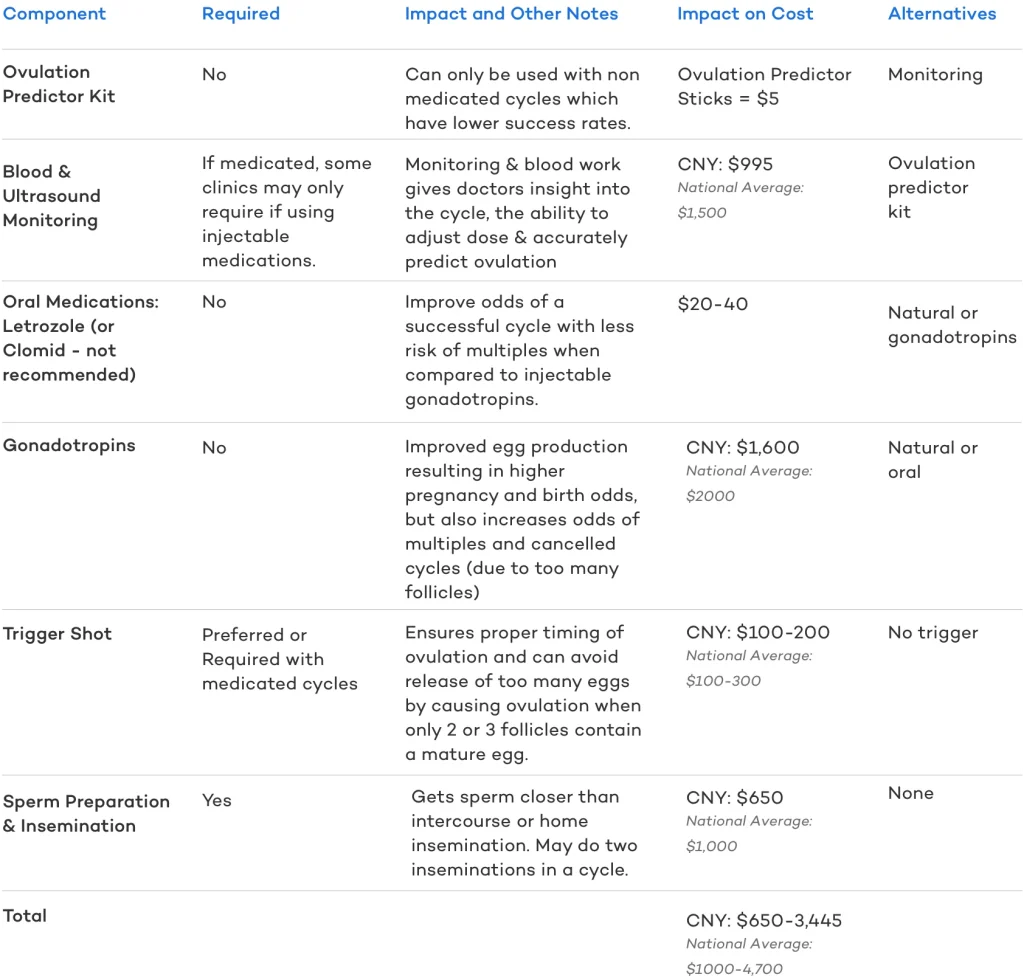
    Cost breakdown for IUI components, including requirements, impacts, and alternatives.

    The Importance of Early Detection: Diagnosing Male and Female Factor Infertility

    In men, early detection can help identify any issues with sperm production or function. A semen analysis, which is a simple and non-invasive test, can provide valuable information about sperm count, motility, and morphology. If any abnormalities are detected, further testing can help determine the cause and guide treatment options.

    Treatment Options

    The treatment for infertility will depend on the underlying cause and may involve a combination of medical, surgical, or assisted reproductive techniques. For women, hormonal therapies can help regulate ovulation and increase the chances of conception. In cases of structural issues, surgical intervention may be necessary to correct any abnormalities in the reproductive organs.

    For male factor infertility, treatment options may include hormonal therapy, antibiotics to treat infections, or surgery to correct any blockages or abnormalities in the reproductive organs. In cases of severe sperm abnormalities, assisted reproductive techniques such as intrauterine insemination (IUI) or in vitro fertilization (IVF) may be recommended.

    However, early detection is key in ensuring the success of these treatments. The longer a couple waits to seek medical help, the higher the chances of underlying fertility issues becoming more difficult to treat. This is why it is crucial to seek medical advice as soon as a couple suspects they may be facing fertility issues.

    In addition to medical treatments, lifestyle changes can also play a significant role in improving fertility. For both men and women, maintaining a healthy weight, reducing alcohol consumption, quitting smoking, and managing stress can all help increase the chances of successful conception.

    In conclusion, infertility is a common issue that can affect both men and women. Early detection is crucial in diagnosing and treating male and female factor infertility. By seeking medical help early on, couples can increase their chances of successful conception and start their journey towards building a family. So, if you and your partner are facing fertility issues, do not hesitate to seek medical advice and explore your options for treatment.

    Summary:

    Infertility is a common issue that affects both men and women, with male factor infertility accounting for up to 40% of all cases. The causes of infertility can vary, and early detection is crucial in identifying and treating these issues. For women, early detection can help diagnose conditions such as endometriosis, while in men, it can identify issues with sperm production or function. Treatment options for infertility can include medical, surgical, or assisted reproductive techniques, but early detection is key to their success. In addition to medical treatments, lifestyle changes can also play a significant role in improving fertility. Seeking medical advice early on can increase the chances of successful conception and help couples achieve their dream of starting a family.