Male Factor Infertility and IVF: What You Need to Know
Infertility affects millions of couples around the world, and a significant portion of cases are due to male factor infertility. In fact, about 40% of infertile couples have a male factor contributing to their inability to conceive. While this can be a difficult and emotional journey for couples, there are options available to help them start a family. In vitro fertilization (IVF) is one such option that has been successful in helping many couples overcome male factor infertility. In this blog post, we will explore the causes of male factor infertility, how it can affect IVF success, and what couples need to know about this treatment option.
Causes of Male Factor Infertility
Male factor infertility can be caused by a variety of factors, including low sperm count, poor sperm motility (movement), abnormal sperm shape, and blockages in the male reproductive system. These issues can be a result of genetic factors, environmental factors, or lifestyle choices. For example, exposure to toxins, such as pesticides or chemicals, can affect sperm production and quality. Other risk factors for male factor infertility include smoking, excessive alcohol consumption, and obesity.
In some cases, male factor infertility can also be a result of medical conditions, such as hormonal imbalances, infections, or genetic disorders. It is important for men to undergo a thorough examination and testing to determine the cause of their infertility.
How Male Factor Infertility Affects IVF Success
In vitro fertilization is a process in which eggs and sperm are fertilized outside of the body in a laboratory. The resulting embryos are then transferred into the woman’s uterus, where they have the potential to implant and develop into a pregnancy. While IVF has been successful in helping many couples overcome infertility, male factor infertility can affect the success of this treatment.
The quality and quantity of sperm can significantly impact the success of IVF. If a man has a low sperm count or poor sperm quality, it may be more difficult to obtain enough viable sperm for the IVF process. This can result in a lower number of embryos available for transfer, decreasing the chances of a successful pregnancy. Additionally, if the sperm has difficulty fertilizing the eggs in the laboratory, it can also decrease the chances of success.
What Couples Need to Know About IVF for Male Factor Infertility
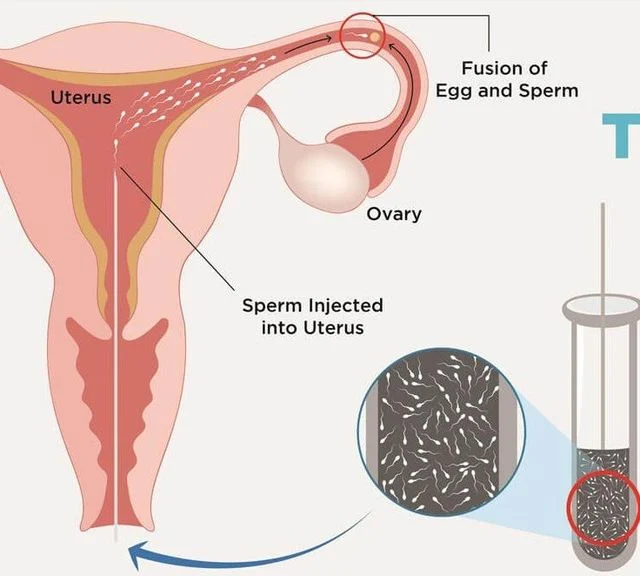
Male Factor Infertility and IVF: What You Need to Know
For couples struggling with male factor infertility, IVF can offer a ray of hope. Here are some important things to know about this treatment option:
1. It may not be the first treatment option: In some cases, male factor infertility can be treated with medication or surgery. It is important for couples to explore all options before moving on to IVF.
2. Donor sperm may be an option: In cases where the male partner has no viable sperm, donor sperm can be used for IVF. This allows the couple to still have a biological connection to their child.
3. Success rates may be lower: As mentioned earlier, male factor infertility can decrease the chances of IVF success. It is important for couples to have realistic expectations and be prepared for multiple cycles of IVF if needed.
4. Additional testing may be necessary: In some cases, additional testing may be needed to determine the best course of action for IVF. This can include genetic testing or sperm DNA fragmentation testing.
5. Lifestyle changes can improve success: Making lifestyle changes, such as reducing alcohol consumption and quitting smoking, can improve sperm quality and increase the chances of IVF success.
Conclusion
Male factor infertility can be a challenging obstacle for couples trying to conceive. However, with advancements in technology and treatment options like IVF, many couples are able to overcome this hurdle and start a family. It is important for couples to be informed about the causes of male factor infertility and how it can impact IVF success. By working closely with their healthcare team, couples can explore the best options for their individual situation and increase their chances of achieving a successful pregnancy.
In summary, male factor infertility is a common cause of infertility and can be caused by a variety of factors. It can affect the success of IVF, but with proper testing, treatment, and lifestyle changes, many couples can overcome this hurdle and achieve their dream of starting a family.