Blog Post:
In today’s world, there are numerous options available for couples struggling with fertility issues. From fertility medications to supplements, it can be overwhelming to decide what is best for your body. While both options have their own benefits and drawbacks, finding the right balance between fertility medications and supplements is crucial for optimizing your chances of conception.
Fertility Medications:
Fertility medications, also known as fertility drugs, are prescribed by doctors to help stimulate ovulation and increase the chances of pregnancy. These medications work by regulating hormones and stimulating the ovaries to produce and release eggs. Some common fertility medications include Clomiphene citrate, Gonadotropins, and Metformin.
Clomiphene citrate, also known as Clomid, is one of the most commonly prescribed fertility medications. It works by binding to estrogen receptors in the body, tricking the brain into thinking that estrogen levels are low. This triggers the release of hormones that stimulate the ovaries to produce and release eggs.
Gonadotropins, on the other hand, are injectable medications that contain follicle-stimulating hormone (FSH) and luteinizing hormone (LH). These hormones help to stimulate the ovaries to produce and release eggs. Gonadotropins are often used in combination with other fertility treatments, such as in vitro fertilization (IVF).
Metformin, a medication typically used to treat diabetes, is also sometimes prescribed for fertility issues. It works by reducing insulin resistance and balancing hormone levels, which can help women with polycystic ovary syndrome (PCOS) to ovulate and improve their chances of conceiving.
While fertility medications can be effective in helping couples conceive, they are not without their drawbacks. These medications can cause side effects such as hot flashes, mood swings, and headaches. They can also increase the risk of multiple pregnancies, which can be risky for both the mother and babies.
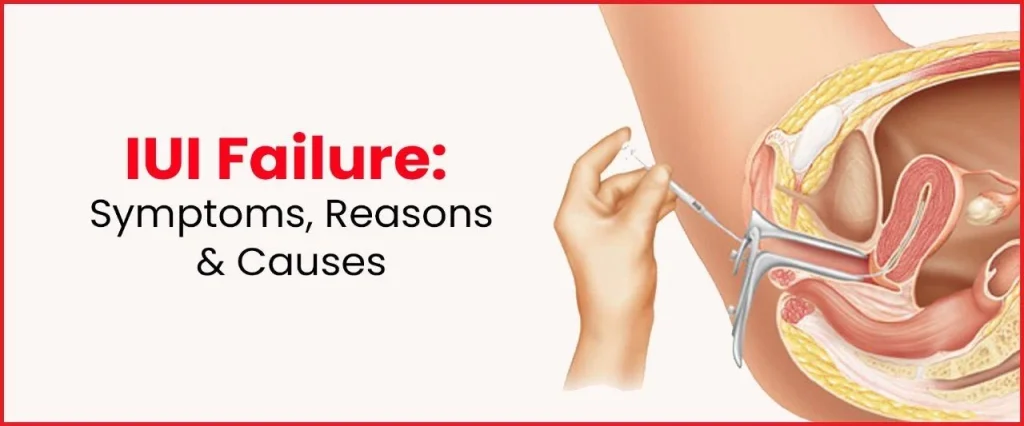
Fertility Medications vs Supplements: Finding the Right Balance for Your Body
Supplements:
In recent years, there has been a rise in the use of supplements as a natural alternative to fertility medications. Supplements are often seen as a more holistic approach to fertility, as they aim to improve overall health and balance hormones without the use of synthetic drugs.
Some of the most popular supplements for fertility include Coenzyme Q10, Myo-inositol, and Omega-3 fatty acids. Coenzyme Q10, or CoQ10, is an antioxidant that helps to improve egg and sperm quality. Myo-inositol is a nutrient that has been found to improve ovulation in women with PCOS. Omega-3 fatty acids, commonly found in fish oil supplements, can help to regulate hormones and improve fertility.
One of the major benefits of supplements is that they are generally safe and have minimal side effects. They can also be taken alongside other fertility treatments, making them a popular choice for couples undergoing assisted reproductive techniques.
Finding the Right Balance:
So, which option is best for you? The truth is, there is no one-size-fits-all answer. Every person’s body is unique, and what works for one couple may not work for another. It is essential to consult with a fertility specialist to determine the underlying cause of your fertility issues and discuss the best treatment plan for your specific situation.
In some cases, a combination of fertility medications and supplements may be recommended to optimize your chances of conception. For example, a woman with PCOS may benefit from taking Metformin to regulate insulin levels and Myo-inositol to improve ovulation.
It is also crucial to remember that fertility medications and supplements are not a quick fix. It takes time for these treatments to show results, and it is essential to be patient and consistent with their use. Additionally, making lifestyle changes such as maintaining a healthy diet and exercise routine can also greatly improve fertility.
In summary, fertility medications and supplements both have their own benefits and drawbacks, and the key is to find the right balance for your body. It is essential to consult with a fertility specialist, be patient, and make necessary lifestyle changes to optimize your chances of conception.