Tag: Fertility Treatments

  • Intrauterine Insemination vs Donor Insemination: A Comparative Cost Analysis

    Title: Intrauterine Insemination vs Donor Insemination: A Comparative Cost Analysis

    Introduction:

    Deciding to start a family is a big step for any couple, and for some, conception may not come easily. In such cases, couples may turn to assisted reproductive techniques such as intrauterine insemination (IUI) or donor insemination (DI) to increase their chances of pregnancy. While both procedures have proven to be effective, they come with their own set of differences, including costs. In this blog post, we will delve into the details of IUI and DI to better understand their costs and help couples make an informed decision.

    What is Intrauterine Insemination (IUI)?
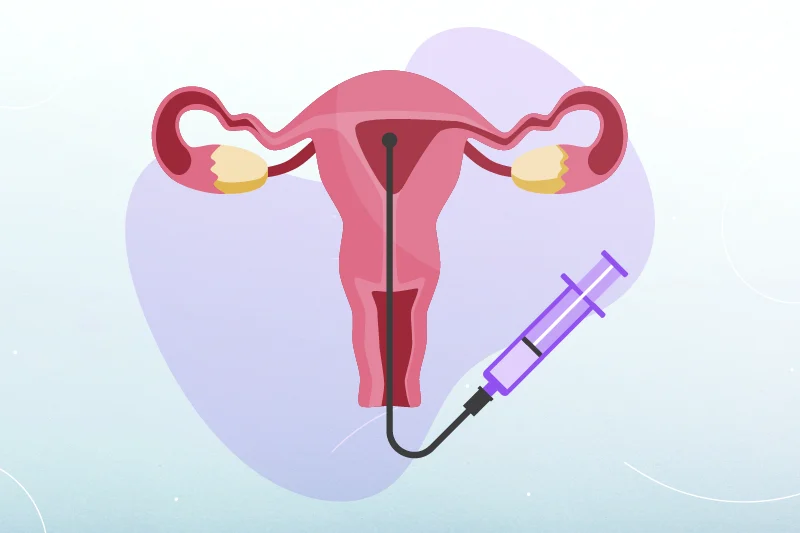
    IUI is a procedure in which sperm is placed directly into a woman’s uterus during ovulation, increasing the chances of fertilization. This method is often used for couples with unexplained infertility, mild male factor infertility, or cervical issues that may hinder sperm from reaching the egg.

    What is Donor Insemination (DI)?
    DI, on the other hand, involves using donor sperm from either a known or anonymous donor, which is inserted into the woman’s uterus during ovulation. This method is often used for same-sex couples, single women, or couples with severe male factor infertility.

    Cost Analysis:
    When it comes to costs, there are various factors to consider for both procedures, including consultations, medications, and the actual procedure itself.
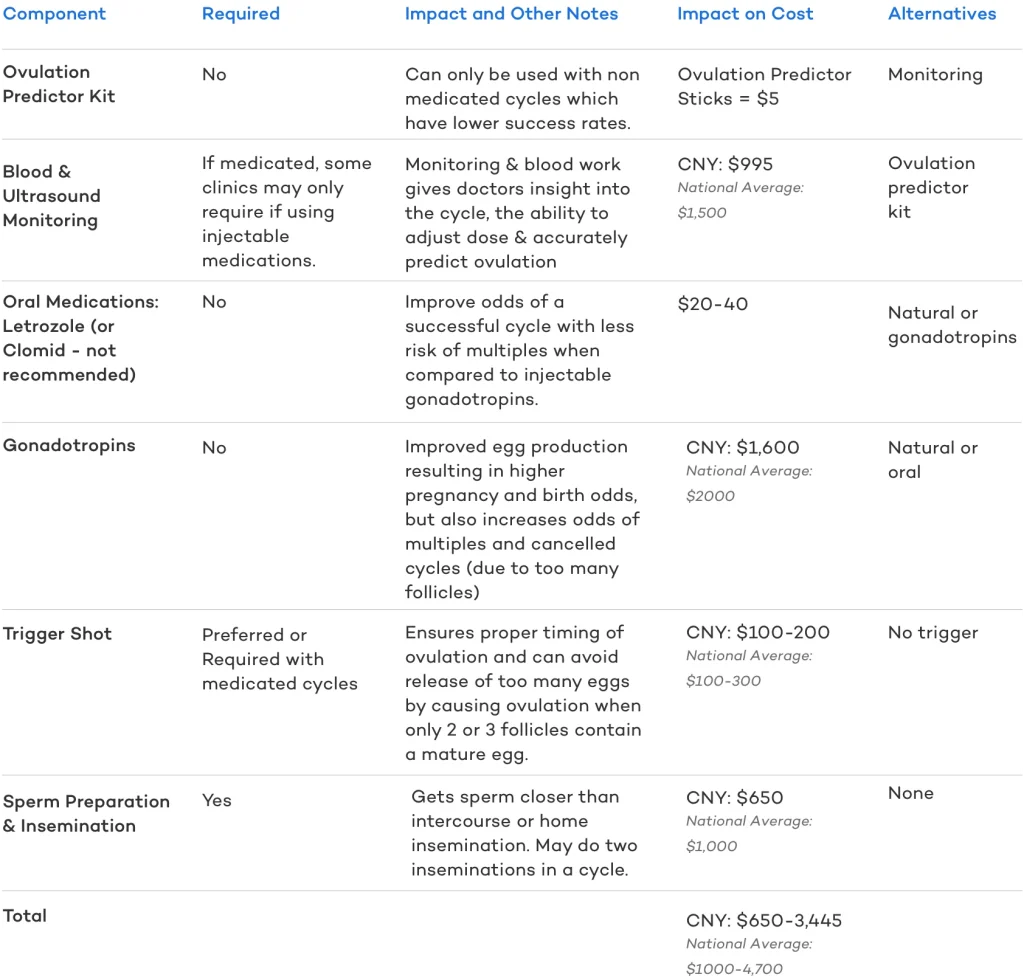
    Cost breakdown for IUI components, including requirements, impacts, and alternatives.

    Intrauterine Insemination vs Donor Insemination: A Comparative Cost Analysis

    Consultation Costs:
    Both IUI and DI require consultations with a fertility specialist to assess the couple’s medical history and determine the best course of action. These consultations can range from $200 to $500 per visit, and typically, multiple consultations may be needed before the procedure can be carried out.

    Medication Costs:
    Before IUI or DI, women are often prescribed fertility medications to stimulate ovulation and increase the chances of conception. The cost of these medications can vary significantly, but on average, they can range from $500 to $1,000 per cycle.

    Procedure Costs:
    The actual procedure costs differ for IUI and DI. IUI can cost anywhere from $300 to $1,000 per cycle, depending on factors such as the location, the clinic, and any additional services needed. On the other hand, DI can cost anywhere from $800 to $2,000 per cycle, as it involves purchasing donor sperm, which can be expensive.

    Success Rates:
    When considering costs, it’s essential to also take into account the success rates of both procedures. The success rates for IUI and DI vary, depending on various factors such as age, cause of infertility, and the number of cycles undergone.

    IUI has a success rate of 10-20% per cycle, with the chances increasing after multiple attempts. DI, on the other hand, has a higher success rate of 20-30% per cycle, as it involves using donor sperm that has been screened for quality and fertility.

    Insurance Coverage:
    Another crucial factor to consider is insurance coverage. While some insurance plans may cover a portion of the costs for fertility treatments, the coverage may differ for IUI and DI. Some insurance plans may cover the cost of IUI as it is less expensive compared to DI. However, it’s essential to check with your insurance provider to understand the extent of coverage for both procedures.

    Summary:
    In conclusion, both intrauterine insemination and donor insemination are effective assisted reproductive techniques that can help couples struggling with infertility to conceive. However, they come with different costs, with IUI being the more affordable option. It’s also essential to consider factors such as success rates and insurance coverage before making a decision.
  • The Role of Age in Choosing a Fertility Treatment: IUI vs DI

    As more and more couples are struggling with infertility, the demand for fertility treatments continues to rise. These treatments not only offer hope for those who want to start a family, but they also provide options for same-sex couples and single individuals who want to become parents. However, when it comes to choosing a fertility treatment, age plays a significant role in determining the most suitable option. In this blog post, we will explore the role of age in choosing a fertility treatment, specifically comparing two commonly used methods: Intrauterine Insemination (IUI) and Donor Insemination (DI).

    Age and fertility are closely intertwined, with a woman’s fertility declining as she ages. According to the American Society for Reproductive Medicine, a woman’s fertility starts to decline in her early 30s and significantly decreases after the age of 35. This decline is due to a decrease in the quantity and quality of eggs, making it more challenging to conceive naturally. As a result, many women in their late 30s and 40s turn to fertility treatments to increase their chances of getting pregnant.

    When it comes to IUI and DI, both methods involve the use of assisted reproduction techniques but differ in the source of sperm used. IUI involves placing washed and concentrated sperm directly into the uterus, while DI uses donor sperm to fertilize the egg. Let’s take a closer look at how age affects the success rates of these two methods.

    Intrauterine Insemination (IUI)

    IUI is a popular fertility treatment that is often the first choice for couples who are struggling to conceive. This method is commonly used when there are issues with sperm quality, low sperm count, or unexplained infertility. IUI is also a less invasive and less expensive option compared to other fertility treatments.

    One of the main factors that affect the success of IUI is the age of the woman. As a woman’s age increases, the quality and quantity of her eggs decrease, making it more challenging to conceive through IUI. The success rate of IUI in women under 35 is around 10-20%, but this rate drops to 5-10% in women over 40. This is because the quality of eggs in older women is lower, and there is a higher chance of chromosomal abnormalities, which can lead to miscarriage or birth defects.

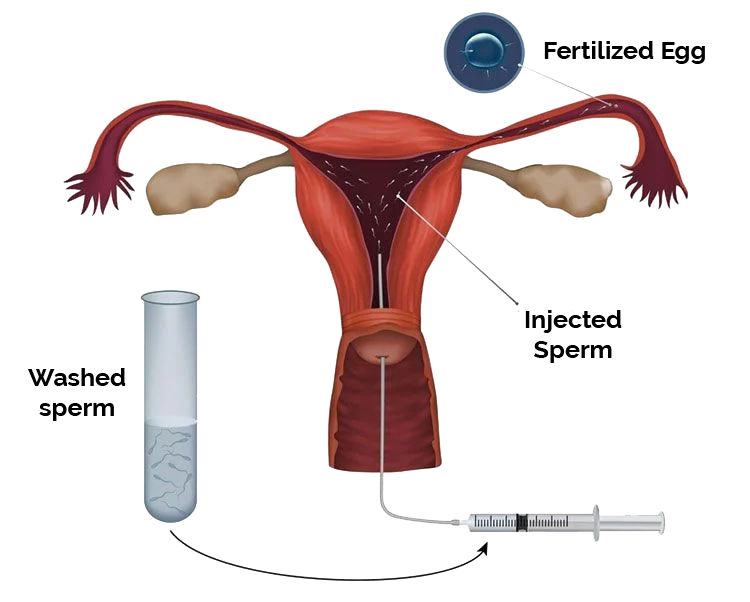
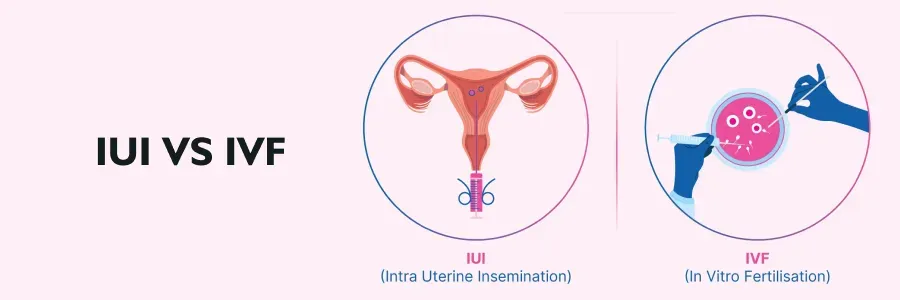
    Comparison of IUI and IVF treatments with diagrams of reproductive anatomy.

    The Role of Age in Choosing a Fertility Treatment: IUI vs DI

    Another factor to consider is the age of the male partner. While IUI can help overcome male infertility issues such as low sperm count, the age of the male partner can also affect the success rate. As men age, their sperm quality and quantity also decline, which can impact the fertilization and overall success of IUI.

    Donor Insemination (DI)

    Donor Insemination, also known as donor sperm, is another commonly used fertility treatment, especially for single women and same-sex couples. This method involves using donor sperm from a sperm bank or known donor to fertilize the woman’s egg. The success rate of DI is higher compared to IUI, with a 20-30% success rate in women under 35.

    Age also plays a significant role in the success of DI, but in a slightly different way. Unlike IUI, where the age of the woman is the main factor, the age of the sperm donor is crucial in DI. Sperm donors are typically young and healthy individuals, and the quality of their sperm is not affected by age. However, the age of the sperm donor can still indirectly affect the success of DI. As women age, the quality of their uterine lining and cervical mucus decreases, making it more difficult for the sperm to reach and fertilize the egg. Therefore, using a younger sperm donor can increase the chances of success in DI.

    Apart from the age of the sperm donor, the age of the woman can also affect the success of DI. As women age, their reproductive system becomes less receptive to pregnancy, and they are more likely to experience complications such as miscarriage. This can also impact the success of DI, making it crucial to consider the age of the woman when choosing this method.

    In conclusion, age plays a significant role in choosing a fertility treatment, and it is essential to consider it carefully when deciding between IUI and DI. While IUI may be a more suitable option for younger women, DI may offer better success rates for women in their late 30s and 40s. Ultimately, it is crucial to consult with a fertility specialist to determine the best treatment option based on age, overall health, and individual circumstances.

    In summary, age and fertility treatment are closely connected, with a woman’s age being a critical factor in the success of both IUI and DI. While IUI may be more suitable for younger women, DI may offer better success rates for women in their late 30s and 40s. It is essential to consult with a fertility specialist to determine the best treatment option based on age, overall health, and individual circumstances.

  • The Importance of Mental Health: IUI vs DI

    Summary:

    Mental health is a crucial aspect of overall well-being, yet it is often overlooked and stigmatized in our society. In recent years, there has been an increase in awareness and discussions surrounding mental health, leading to more options for treatment and support. Two commonly used methods for addressing mental health concerns are IUI (Intrauterine Insemination) and DI (Donor Insemination). Both methods have their own advantages and disadvantages, and it is essential to understand the differences between the two to make an informed decision.

    IUI is a fertility treatment that involves inserting sperm directly into a woman’s uterus to increase the chances of pregnancy. This method is often used by couples who are struggling with infertility due to factors such as low sperm count or endometriosis. While IUI primarily focuses on the physical aspect of conception, it can also have a significant impact on mental health. The process of trying to conceive can take a toll on a person’s mental well-being, especially if it is not successful. The constant pressure, disappointment, and uncertainty can lead to anxiety, depression, and other mental health issues. Therefore, it is crucial for individuals undergoing IUI to prioritize their mental health and seek support if needed.

    On the other hand, DI involves using donated sperm from a sperm bank to fertilize the woman’s egg. This method is often used by single individuals or same-sex couples who want to have a child. DI eliminates the physical aspect of conception, but it can also bring about different mental health challenges. For individuals who are using DI to become parents, there may be feelings of disappointment, loss, and grief associated with not being able to conceive naturally. Additionally, there may be concerns about the child’s genetic background and the challenges of explaining the conception process to them in the future. It is essential for individuals using DI to address these concerns and work through any emotional challenges that may arise.

    Comparison of IUI and IVF with illustrations of each procedure.

    The Importance of Mental Health: IUI vs DI

    Both IUI and DI can be emotionally and mentally taxing, and it is crucial for individuals to prioritize their mental health throughout the process. Seeking therapy or support groups can be beneficial in managing stress, anxiety, and other mental health concerns. Additionally, talking openly and honestly with a partner or a trusted friend can also help in processing and coping with the emotions that come with fertility treatments.

    In addition to seeking support, it is also essential to take care of one’s physical health. Eating well, exercising regularly, and getting enough rest can all contribute to improving mental well-being. Engaging in relaxation techniques such as yoga, meditation, or mindfulness can also be helpful in managing stress and anxiety.

    It is also crucial to acknowledge that mental health challenges can affect individuals differently and that there is no one-size-fits-all solution. It is essential for individuals to advocate for themselves and work with their healthcare providers to develop a personalized treatment plan that addresses both physical and mental health concerns.

    In conclusion, the journey to parenthood through IUI or DI can be both physically and emotionally challenging. It is essential for individuals to prioritize their mental health throughout the process and seek support when needed. By understanding the differences between IUI and DI and addressing mental health concerns, individuals can make informed decisions and work towards achieving their goal of starting a family.

  • IUI vs DI: What to Consider Before Making a Choice

    In today’s world, advancements in medical technology have made it possible for couples and individuals struggling with infertility to have a chance at starting a family. In the realm of assisted reproductive technology, two popular options are intrauterine insemination (IUI) and donor insemination (DI). While both procedures involve the insertion of sperm into a woman’s uterus, there are significant differences between the two that couples and individuals need to consider before making a choice. In this blog post, we will delve into the key factors to consider when making a decision between IUI and DI.

    IUI, also known as artificial insemination, is a fertility treatment that involves placing washed and prepared sperm directly into the uterus during ovulation. This treatment is often recommended for couples struggling with mild male infertility, unexplained infertility, or cervical issues. On the other hand, DI is a process where sperm from a donor is used to fertilize a woman’s egg. This option is usually chosen by couples or individuals who are unable to conceive due to severe male factor infertility, genetic disorders, or same-sex couples and single individuals.

    One of the first things to consider when choosing between IUI and DI is the success rates of each procedure. According to the American Society for Reproductive Medicine, the success rate of IUI is around 10-20% per cycle, depending on factors such as the age of the woman, sperm quality, and underlying fertility issues. On the other hand, DI has a higher success rate, with a 25% chance of pregnancy per cycle. However, it is essential to note that the success rates of both procedures may vary depending on individual circumstances.

    Another crucial aspect to consider is the cost of each procedure. IUI is generally less expensive than DI, with an average cost of $300-$1000 per cycle. This cost may increase if additional fertility drugs or procedures are required. In contrast, DI can cost upwards of $3000 per cycle, including the cost of donor sperm and medical procedures. It is essential to factor in these costs when making a decision, as multiple cycles may be needed to achieve a successful pregnancy.

    The next factor to consider is the involvement of a third party in the process. In IUI, the sperm used for fertilization comes from the woman’s partner, making it a more intimate and personal experience. However, in DI, the sperm comes from a donor, which may involve complex legal and emotional considerations. Couples and individuals considering DI must be prepared to navigate these issues and ensure that they are comfortable with the idea of using a donor.

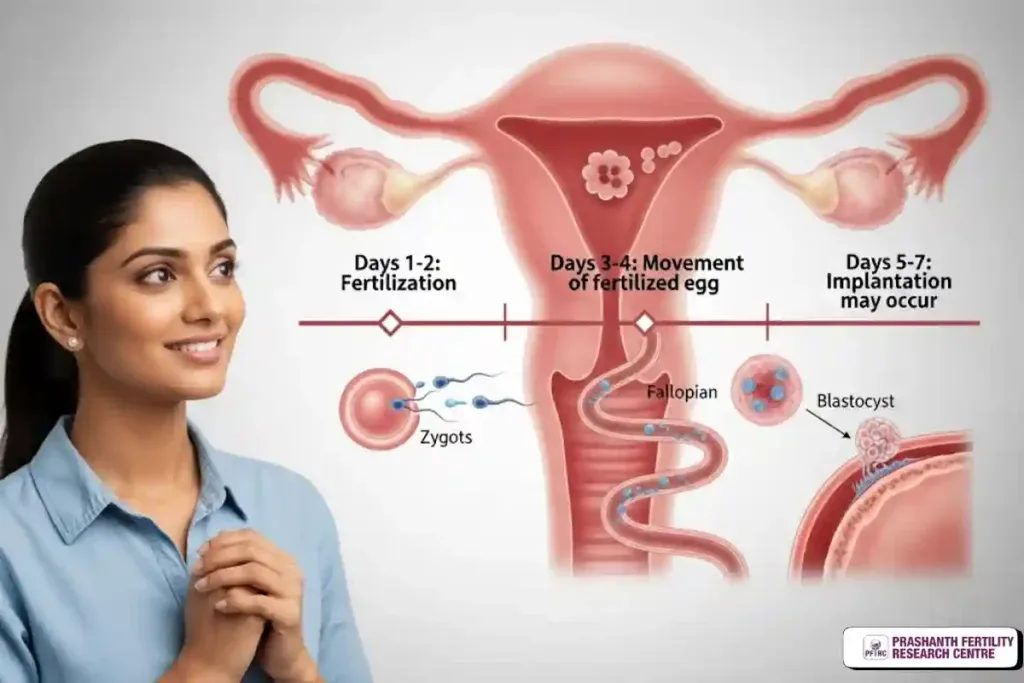
    Illustration showing fertilization and implantation timeline with a woman looking hopeful.

    IUI vs DI: What to Consider Before Making a Choice

    Another significant difference between IUI and DI is the level of control over the genetic makeup of the child. With IUI, couples have the option of using sperm from the male partner, ensuring that the child is biologically related to both parents. In DI, the donor’s genetic makeup is unknown, and the child may not share any genetic traits with the parents. This aspect may be a deal-breaker for some couples and individuals, while others may be open to the idea of a non-biological child.

    The emotional and psychological impact of fertility treatments should also be considered when making a decision between IUI and DI. IUI is a less invasive and less complicated procedure, which may be less stressful for couples and individuals. However, DI may involve more complex emotions, such as feelings of loss or grief for the biological connection between the child and the parents. It is essential to take into account the emotional toll of each procedure and be prepared for the potential challenges that may arise.

    It is also crucial to consider the legal implications of using donor sperm. In most states, the donor has no legal rights or responsibilities towards the child. However, it is essential to consult with a lawyer and have a clear understanding of the legalities involved in DI.

    In conclusion, when deciding between IUI and DI, it is essential to consider factors such as success rates, cost, involvement of a third party, genetic makeup of the child, emotional impact, and legal implications. Every individual and couple’s journey towards parenthood is unique, and it is vital to choose the option that aligns with your values, beliefs, and circumstances. Consulting with a fertility specialist can also provide valuable insights and guidance in making this decision.

    Summary:

    In today’s world, couples and individuals struggling with infertility have the option of two popular assisted reproductive technology procedures: intrauterine insemination (IUI) and donor insemination (DI). While both procedures involve the insertion of sperm into a woman’s uterus, there are significant differences between the two that must be considered before making a choice. Key factors to consider include success rates, cost, involvement of a third party, genetic makeup of the child, emotional impact, and legal implications. Every individual and couple’s journey towards parenthood is unique, and it is vital to choose the option that aligns with their values, beliefs, and circumstances.

  • The Success Rates for Same-Sex Couples: Intrauterine Insemination vs Donor Insemination

    Summary:

    Over the years, same-sex couples have faced numerous challenges when it comes to starting a family. With the advancement of reproductive technologies, options such as intrauterine insemination (IUI) and donor insemination (DI) have become more accessible for LGBTQ+ individuals and couples.

    However, there is still a lack of information and research on the success rates of these fertility treatments specifically for same-sex couples. In this blog post, we will explore the success rates of IUI and DI for same-sex couples and the factors that may affect these rates.

    Intrauterine Insemination (IUI) for Same-Sex Couples:

    IUI is a fertility treatment where sperm is placed directly into the uterus during the ovulation cycle. For same-sex couples, one partner can provide the eggs while the other partner carries the pregnancy. This process is also known as “reciprocal IVF” or “partner IVF.”

    According to a study published in the Journal of Assisted Reproduction and Genetics, the success rate of IUI for same-sex couples is between 10-15%. This is lower compared to the success rates for heterosexual couples, which range from 15-20%. The main reason for this difference is the lack of sperm quality in same-sex couples, as they typically use donor sperm.

    Another factor that may affect the success rates of IUI for same-sex couples is the age of the woman providing the eggs. As women age, their egg quality and quantity decrease, making it more difficult to conceive. Same-sex female couples may face this challenge, as they both have an increased risk of age-related infertility.

    Donor Insemination (DI) for Same-Sex Couples:

    DI involves using donor sperm to fertilize the egg, either through intrauterine insemination (IUI) or in vitro fertilization (IVF). This process is commonly used by same-sex male couples, as they do not have female partners to provide the eggs.

    A study published in the Journal of Obstetrics and Gynecology Canada found that the success rate of DI for same-sex male couples is between 15-20%. This is comparable to the success rates for heterosexual couples using DI.

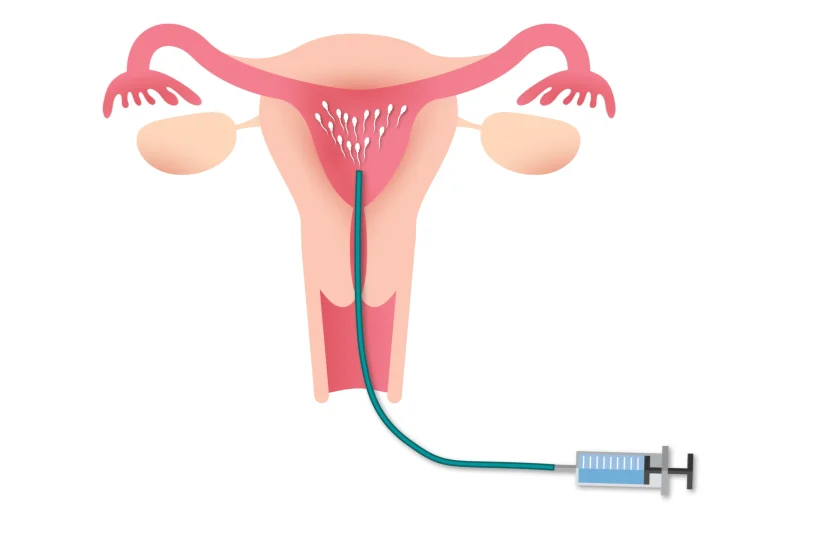
    diagram of the female reproductive system with an IUI syringe and test tube for artificial insemination

    The Success Rates for Same-Sex Couples: Intrauterine Insemination vs Donor Insemination

    One of the main reasons for the similar success rates is the use of donor sperm, which is typically of high quality and has been screened for genetic diseases. Additionally, same-sex male couples have the advantage of choosing a surrogate who is in her prime reproductive years, increasing the chances of success.

    Factors Affecting Success Rates for Same-Sex Couples:

    Besides the type of fertility treatment used, there are other factors that may affect the success rates for same-sex couples. These include age, overall health, and underlying fertility issues.

    As mentioned earlier, age plays a significant role in fertility for women. Same-sex female couples may face challenges in finding a suitable egg donor, as women over the age of 35 may have a lower chance of success with fertility treatments.

    For same-sex male couples, underlying health conditions such as obesity, diabetes, and high blood pressure may affect the success rates of DI. These health issues can impact sperm quality and overall reproductive health.

    Moreover, same-sex couples may also face discrimination and lack of support from healthcare providers, which can affect their mental and physical well-being, ultimately impacting their chances of success with fertility treatments.

    In Conclusion:

    While there is limited research on the success rates of fertility treatments for same-sex couples, it is essential to note that the success rates depend on various factors. These include the type of fertility treatment used, age, overall health, and underlying fertility issues.

    It is also worth noting that the success rates for same-sex couples may be lower compared to heterosexual couples, but they are still viable options for starting a family. With advancements in reproductive technologies and support from healthcare providers, LGBTQ+ individuals and couples can have successful pregnancies and create loving families.

    In summary, same-sex couples have a range of options for fertility treatments, including IUI and DI. However, success rates may be lower due to factors such as age, sperm quality, and underlying health issues. With proper support and resources, same-sex couples can overcome these challenges and have successful pregnancies.

  • Intrauterine Insemination vs Donor Insemination: A Look at the Process

    Intrauterine Insemination (IUI) and Donor Insemination (DI) are two common fertility treatments used to help couples conceive. While they both involve the insertion of sperm into a woman’s reproductive tract, the process and purpose of each are quite different. In this blog post, we will take a closer look at IUI vs DI, including their similarities, differences, and the process involved in each.

    IUI, also known as artificial insemination, is a relatively simple and non-invasive procedure that is often used to treat infertility. It involves placing washed and concentrated sperm directly into the uterus, bypassing the cervix and increasing the chances of fertilization. The goal of IUI is to increase the number of sperm that reach the fallopian tubes and ultimately increase the chances of fertilization.

    On the other hand, DI is a treatment option for couples who are unable to conceive due to male factor infertility or single women and same-sex female couples who want to have a child. In this process, donor sperm is used instead of the male partner’s sperm. The sperm is typically purchased from a sperm bank and then inserted into the woman’s reproductive tract through IUI or in some cases, through in vitro fertilization (IVF).

    The first step in both IUI and DI is to undergo fertility testing to determine the cause of infertility and determine the best treatment plan. If IUI is recommended, the woman may be prescribed fertility medications to stimulate ovulation and increase the chances of conception. In DI, a donor will be chosen based on certain criteria, such as physical characteristics, medical history, and education.

    Once the sperm is collected, it is washed and concentrated in a laboratory to remove any non-moving sperm and debris. This process also helps to increase the number of motile sperm, which are the most likely to fertilize an egg. The sperm is then inserted into the woman’s uterus using a thin catheter, which is inserted through the cervix. This process is painless and usually takes only a few minutes.

    Illustration showing fertilization and implantation timeline with a woman looking hopeful.

    Intrauterine Insemination vs Donor Insemination: A Look at the Process

    After the procedure, the woman may be advised to rest for a short period of time before resuming normal activities. She may also be prescribed progesterone supplements to support the uterine lining and increase the chances of implantation. Two weeks after the procedure, a pregnancy test will be taken to determine if the IUI or DI was successful.

    While both IUI and DI are relatively simple procedures, there are a few key differences between the two. The most obvious difference is the source of the sperm. In IUI, the sperm comes from the male partner, while in DI it comes from a donor. Additionally, IUI is used to treat infertility, while DI is used for couples with male factor infertility or single women and same-sex female couples.

    Another difference is the level of involvement from the male partner. In IUI, the male partner must provide a semen sample, which is then washed and prepared for insertion. In DI, the male partner does not need to be involved in the process, as the sperm is obtained from a donor. This can be beneficial for couples who may have difficulty producing a semen sample or for same-sex female couples.

    The success rates of IUI and DI also differ. While the success rates vary depending on individual factors such as age and overall health, IUI has a success rate of about 10-20% per cycle. DI, on the other hand, has a slightly higher success rate of 15-25% per cycle. However, multiple cycles may be needed for both treatments to be successful.

    In summary, IUI and DI are two fertility treatments that involve the insertion of sperm into a woman’s reproductive tract. While IUI is used to treat infertility and involves the male partner’s sperm, DI is primarily used for couples with male factor infertility or single women and same-sex female couples and uses donor sperm. The process for both treatments is similar, with slight differences in the source of sperm and the level of involvement from the male partner. Success rates also vary between the two treatments.

    In conclusion, IUI and DI offer hope to couples and individuals struggling with infertility. By understanding the process and differences between these fertility treatments, individuals and couples can make an informed decision about which option is best for them.

  • The Role of Technology: IUI vs DI

    Technology has had a profound impact on many aspects of our lives, including the way we conceive and have children. In recent years, there has been a rise in alternative methods of conception, such as Intrauterine Insemination (IUI) and Donor Insemination (DI). These techniques have been made possible through advancements in technology and have provided new options for individuals and couples who are struggling with fertility issues. In this blog post, we will discuss the role of technology in these two methods of conception and explore the differences between IUI and DI.

    Intrauterine Insemination, also known as artificial insemination, is a fertility treatment that involves placing sperm directly into a woman’s uterus. This procedure is typically performed when a couple is unable to conceive due to issues such as low sperm count, ovulation problems, or unexplained infertility. IUI is a less invasive and less expensive option compared to other fertility treatments, such as in vitro fertilization (IVF).

    One of the key technologies involved in IUI is the use of sperm washing. Sperm washing is a process that separates healthy sperm from other components in semen, such as dead sperm, mucus, and bacteria. This ensures that only the most viable sperm is used for insemination, increasing the chances of conception. This technology has greatly improved the success rates of IUI and has made it a more appealing option for couples who are trying to conceive.

    Another important technology in IUI is ultrasound imaging. Ultrasound is used to monitor the growth and development of follicles, which are fluid-filled sacs in the ovaries that contain eggs. This allows doctors to determine the best time for insemination, increasing the chances of a successful pregnancy. Ultrasound imaging has also made it possible to detect any abnormalities in the reproductive organs, which can affect fertility.

    In contrast, Donor Insemination involves using donated sperm to inseminate a woman. This method is often used by single women or same-sex couples who want to have a child. Donated sperm can come from known or anonymous donors, and it is typically obtained from sperm banks.

    Comparison of IUI and IVF treatments with diagrams of reproductive anatomy.

    The Role of Technology: IUI vs DI

    The use of technology in DI is similar to that of IUI, with the addition of genetic testing. Before being used for insemination, donated sperm is screened for genetic disorders and sexually transmitted infections to ensure the health of the child and the recipient. This technology has greatly reduced the risk of passing on hereditary diseases and has made DI a safer option for individuals and couples.

    One of the main differences between IUI and DI is the level of involvement of the male partner. In IUI, the male partner provides the sperm, while in DI, the sperm is obtained from a donor. This can have a significant impact on the emotional and psychological aspects of the conception process. In IUI, the male partner is more directly involved in the creation of the child, while in DI, the sperm donor remains anonymous and may have no involvement in the child’s life. This can lead to different dynamics within the family structure and should be carefully considered by couples when choosing between IUI and DI.

    Moreover, the success rates of IUI and DI can also differ due to various factors, including the age and fertility of the recipient, the quality of the sperm, and the timing of the insemination. Generally, success rates for both methods range from 10-20% per cycle, with DI having slightly higher success rates due to the use of donor sperm.

    In conclusion, technology has played a significant role in the advancements of fertility treatments, particularly in the methods of IUI and DI. These techniques have provided new options for individuals and couples struggling with infertility, and have greatly improved the chances of conceiving a child. However, it is important to carefully consider the emotional and psychological aspects of these methods, as well as the success rates, before making a decision. Consulting with a fertility specialist can help couples determine which method is best suited for their individual situation.

    Summary: Technology has greatly impacted the methods of conception, specifically Intrauterine Insemination (IUI) and Donor Insemination (DI). These methods have been made possible through advancements in technology, such as sperm washing and ultrasound imaging. While both methods have similar technologies involved, the main difference lies in the level of involvement of the male partner and the use of genetic testing in DI. It is important to carefully consider the emotional and psychological aspects, as well as the success rates, before choosing between IUI and DI.

  • The Role of Egg Quality: Intrauterine Insemination vs Donor Insemination

    Blog post:

    Egg quality plays a crucial role in the success of fertility treatments, such as intrauterine insemination (IUI) and donor insemination (DI). In recent years, there has been a growing demand for these procedures as more and more couples struggle with infertility. However, many people are still unsure about the differences between IUI and DI, particularly when it comes to the role of egg quality. In this blog post, we will explore the importance of egg quality in both IUI and DI, and how it can impact the success rates of these fertility treatments.

    What is Egg Quality?

    Before delving into the role of egg quality in fertility treatments, it is important to understand what it actually means. Egg quality refers to the health and viability of a woman’s eggs. As women age, their egg quality decreases, making it more difficult to conceive. Other factors such as lifestyle habits, underlying medical conditions, and genetics can also affect egg quality.

    The Role of Egg Quality in IUI

    IUI is a fertility treatment that involves placing washed and concentrated sperm directly into a woman’s uterus during ovulation. This procedure is commonly used for couples with unexplained infertility, mild male factor infertility, or cervical issues. The success of IUI heavily relies on the quality of the woman’s eggs.

    During IUI, the woman’s ovaries are stimulated with medications to produce multiple eggs, increasing the chances of fertilization. However, if the woman’s eggs are of poor quality, it may be more difficult for them to be fertilized by the sperm, resulting in a lower success rate. In addition, if the woman’s eggs are of low quality, the embryo may not develop properly, leading to a higher risk of miscarriage.

    diagram of a uterus with a syringe for intrauterine insemination procedure

    The Role of Egg Quality: Intrauterine Insemination vs Donor Insemination

    There are several factors that can affect egg quality in IUI. Age, as mentioned earlier, is a major factor. Women over the age of 35 have a higher risk of having poor quality eggs. Lifestyle habits such as smoking, excessive alcohol consumption, and a poor diet can also impact egg quality. Underlying medical conditions, such as polycystic ovary syndrome (PCOS) and endometriosis, can also affect egg quality.

    To improve egg quality in IUI, doctors may recommend certain lifestyle changes, such as quitting smoking and adopting a healthy diet. In some cases, they may also suggest using fertility medications to improve the chances of producing high-quality eggs.

    The Role of Egg Quality in DI

    DI is a fertility treatment that involves using donor sperm to fertilize a woman’s egg. This procedure is often recommended for couples with severe male factor infertility, single women, and same-sex couples. Unlike IUI, egg quality is not as crucial in DI, as the sperm used for fertilization comes from a healthy and fertile donor.

    However, egg quality can still play a role in the success of DI. Women with poor egg quality may have a harder time conceiving even with donor sperm. In some cases, doctors may recommend using fertility medications to improve the quality of the woman’s eggs before proceeding with DI. This can increase the chances of a successful pregnancy and reduce the risk of miscarriage.

    Choosing between IUI and DI

    Deciding between IUI and DI can be a difficult decision for couples struggling with infertility. Egg quality is just one of the many factors that need to be considered. IUI may be a better option for couples with mild male factor infertility, whereas DI may be recommended for couples with severe male factor infertility or same-sex couples. The decision ultimately depends on the individual situation of each couple and should be discussed with a fertility specialist.

    In summary, egg quality plays a crucial role in both IUI and DI. In IUI, the success of the procedure heavily relies on the quality of the woman’s eggs, whereas in DI, egg quality may not be as crucial but can still impact the chances of a successful pregnancy. Factors such as age, lifestyle habits, and underlying medical conditions can affect egg quality in both procedures. It is important for couples to discuss their options with a fertility specialist and make an informed decision based on their individual situation.

  • Intrauterine Insemination vs Donor Insemination: Breaking the Stigma

    Intrauterine Insemination (IUI) and Donor Insemination (DI) are two commonly used fertility treatments that are often misunderstood and stigmatized. Both procedures involve the insertion of sperm into a woman’s uterus, but there are significant differences between the two. In this blog post, we will discuss the differences between IUI and DI, the reasons behind their stigma, and how we can break it.

    IUI is a fertility treatment where washed and concentrated sperm is placed directly into the uterus using a thin catheter. This procedure is usually recommended for couples who have been trying to conceive for at least a year without success, have unexplained infertility, or have a male partner with a low sperm count. IUI is a simple, non-invasive procedure that can be performed in a doctor’s office and does not require anesthesia.

    On the other hand, DI, also known as donor sperm insemination, involves using donated sperm from a sperm bank or known donor to fertilize the woman’s egg. This procedure is primarily used for single women, same-sex female couples, or heterosexual couples where the male partner has a genetic disorder or does not produce sperm. DI can also be done in a doctor’s office, but it is a more involved process that requires careful screening of the donor and synchronization with the woman’s ovulation cycle.

    One of the main reasons for the stigma surrounding IUI and DI is the societal pressure to have a child naturally. Many people view these procedures as unnatural and believe that couples should only conceive through sexual intercourse. This belief is not only outdated but also ignores the fact that many individuals and couples struggle with infertility and need assistance to conceive.

    Another contributing factor to the stigma is the lack of education and understanding of these procedures. Fertility treatments, in general, are not openly discussed, and there is a lot of misinformation and myths surrounding them. This lack of knowledge can lead to fear and judgment, making it challenging for those who are considering IUI or DI to seek help.

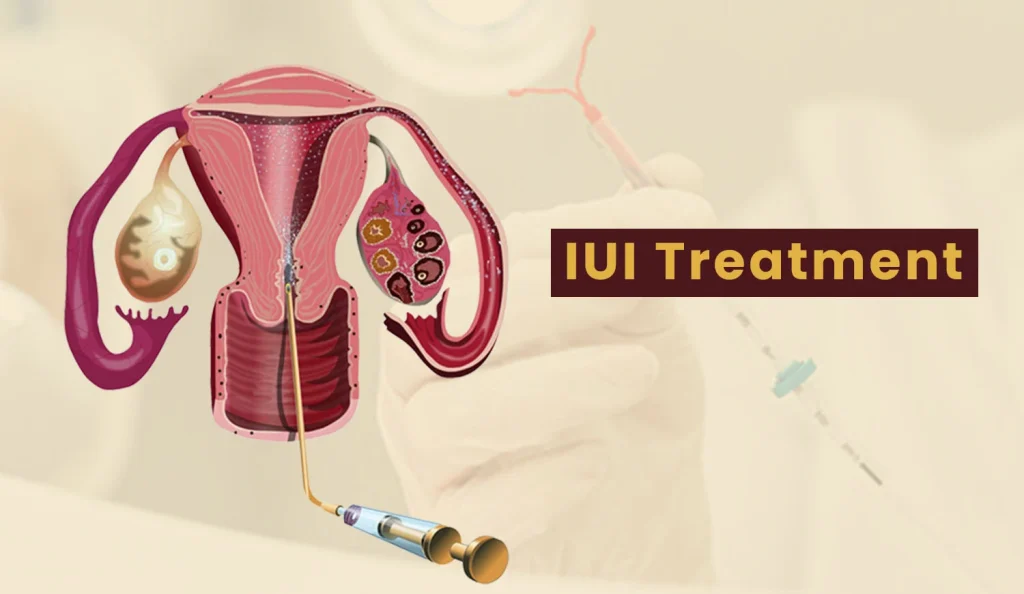
    illustration of the uterus and ovaries with a syringe, labeled "IUI Treatment" in the background

    Intrauterine Insemination vs Donor Insemination: Breaking the Stigma

    Furthermore, there is a stigma associated with using donor sperm. Some people view it as “playing God” or having a child that is not biologically theirs. This stigma is harmful and ignores the fact that many families are created through alternative methods, such as adoption or surrogacy. It also ignores the fact that genetics do not define a family; love and commitment do.

    So, how can we break the stigma surrounding IUI and DI? The first step is education. By openly discussing these procedures and providing accurate information, we can help people understand that fertility treatments are a valid and necessary option for many individuals and couples. We can also address the myths and misconceptions that contribute to the stigma and replace them with facts and empathy.

    Another crucial step is to challenge the societal pressure to conceive naturally. People should not be shamed for seeking medical assistance to have a child. It is a personal decision that should be respected and supported.

    Lastly, we need to promote inclusivity and acceptance of all types of families. Families come in all shapes and forms, and it is not for anyone to judge or dictate how they are created. By breaking the stigma surrounding IUI and DI, we can create a more inclusive and understanding society.

    In conclusion, IUI and DI are two fertility treatments that are often stigmatized due to societal pressure, lack of education, and misconceptions. By educating ourselves and others, challenging societal norms, and promoting inclusivity, we can break the stigma surrounding these procedures. It is time to change the narrative and support individuals and couples who are struggling with infertility to create their families.

  • Intrauterine Insemination vs Donor Insemination: A Personal Experience

    Intrauterine insemination (IUI) and donor insemination (DI) are two commonly used fertility treatments for couples struggling with infertility. While both methods involve inserting sperm into the female’s reproductive tract, they differ in the source of the sperm. In IUI, the sperm comes from the male partner, while in DI, the sperm is donated by a third party. As someone who has personally experienced both IUI and DI, I understand the emotional and physical journey of these two treatments and their impact on a couple’s fertility journey. In this blog post, I will share my personal experience with IUI and DI and discuss the pros and cons of each method.

    My journey towards parenthood began with the diagnosis of unexplained infertility. My husband and I had been trying to conceive for over a year with no success. After undergoing numerous tests and consultations with fertility specialists, we were left with no concrete explanation for our infertility. Our doctor recommended we try IUI as a first-line treatment.

    IUI involves the insertion of washed and concentrated sperm directly into the uterus during the woman’s ovulation period. This method is less invasive and less expensive compared to other assisted reproductive techniques such as in vitro fertilization (IVF). As someone who was terrified of needles, I was relieved that IUI did not require any injections or surgery. The procedure itself was painless and took only a few minutes. However, the preparation process, including monitoring my ovulation and taking fertility medication, was emotionally and physically draining.

    After three unsuccessful IUI cycles, we decided to explore other options. Our doctor suggested DI, where sperm from a donor is used to fertilize the egg. I was initially hesitant about using a donor sperm, but my husband and I discussed it and decided to move forward with it.

    DI involves a more complicated process compared to IUI. It requires the use of fertility medications to stimulate ovulation and closely monitoring the woman’s cycle. The donor sperm is then inserted into the uterus during ovulation, similar to IUI. However, the emotional and psychological aspects of DI were more challenging for me compared to IUI. I struggled with the idea of not having a biological connection to our child and the fear of how our child would perceive us in the future.

    Illustration of the uterus with a syringe, depicting the intrauterine insemination procedure.

    Intrauterine Insemination vs Donor Insemination: A Personal Experience

    Despite these concerns, we were fortunate to conceive after the first DI cycle. However, our journey towards parenthood was not over yet. We faced another challenge when our baby was born with a genetic condition passed down from the donor. This experience was emotionally and mentally challenging for both of us, and it made us question our decision to use donor sperm.

    Looking back, I realized that both IUI and DI have their own set of pros and cons. IUI is a less invasive and less expensive option, making it a more accessible choice for many couples. However, it also has a lower success rate compared to DI. On the other hand, DI offers a higher success rate and a chance for couples to have a biological child, but it comes with a higher emotional and psychological impact.

    In conclusion, both IUI and DI are viable options for couples struggling with infertility. Each method has its own set of benefits and challenges, and it ultimately depends on the individual’s preferences and circumstances. As for my personal experience, I am grateful for both IUI and DI as they have brought us closer to our dream of becoming parents. We have a beautiful child, and the journey towards parenthood has taught us valuable lessons about perseverance, patience, and the true meaning of family.

    Summary:

    Intrauterine insemination (IUI) and donor insemination (DI) are two fertility treatments commonly used by couples struggling with infertility. While IUI involves using sperm from the male partner, DI involves using sperm from a donor. The author shares their personal experience with both methods, discussing the emotional and physical journey of each and their impact on the fertility journey. IUI is less invasive and less expensive compared to DI, but DI offers a higher success rate and a chance for a biological child. Ultimately, the choice between IUI and DI depends on individual preferences and circumstances.