Breaking the Stigma: Talking About Infertility and Fertility Treatments – Artificial Insemination vs IVF
Infertility affects millions of couples worldwide, yet it is still a taboo topic that is rarely discussed openly. Many couples struggle with the emotional, physical and financial burden of infertility in silence, due to the stigma and shame surrounding the issue. However, it is important to break this stigma and have open and honest conversations about infertility and the various fertility treatments available, such as artificial insemination and in vitro fertilization (IVF).
Infertility is defined as the inability to conceive after one year of trying for a healthy, heterosexual couple. It can be caused by a variety of factors such as hormonal imbalances, physical conditions, or lifestyle choices. Regardless of the cause, it can be a devastating experience for couples who have always dreamed of starting a family.
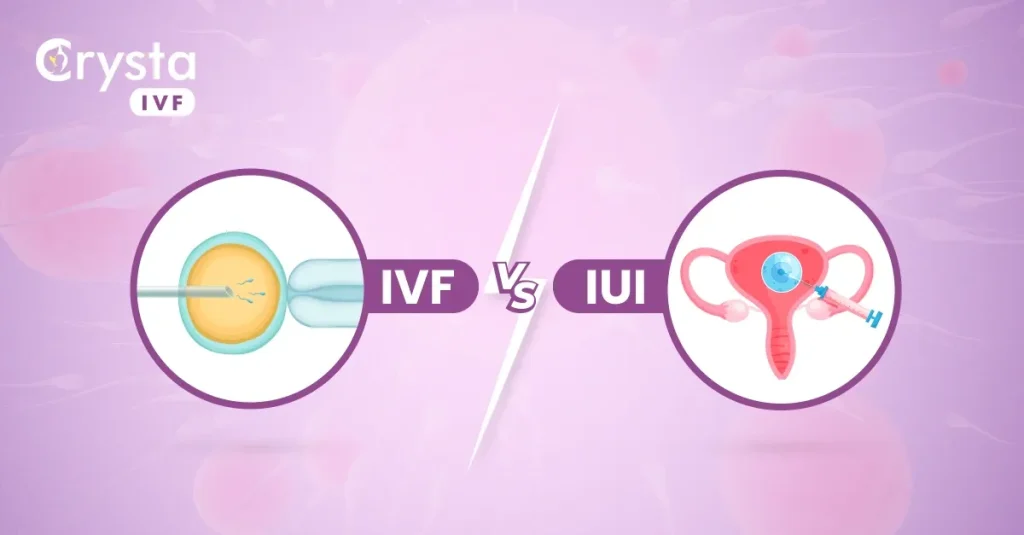
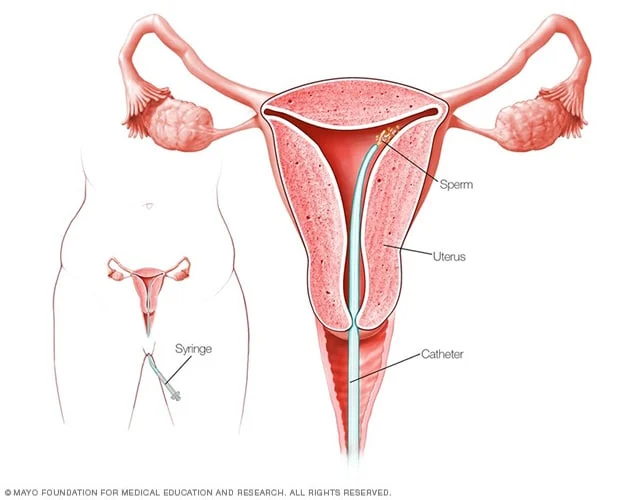
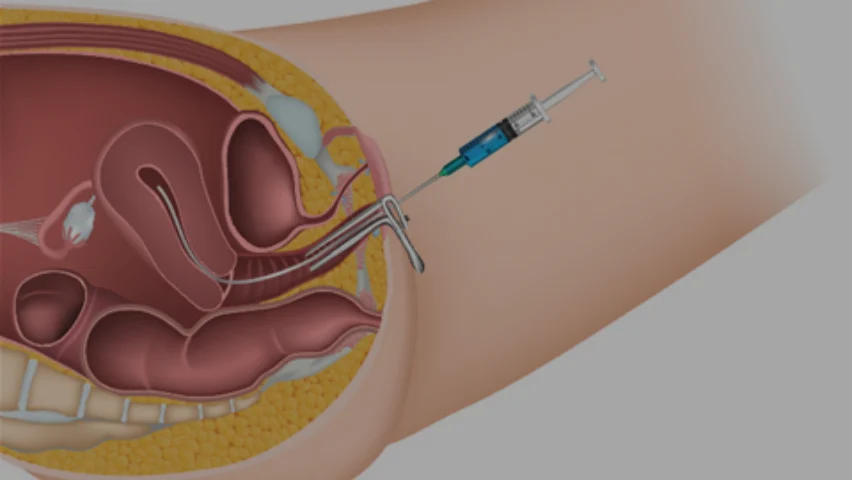
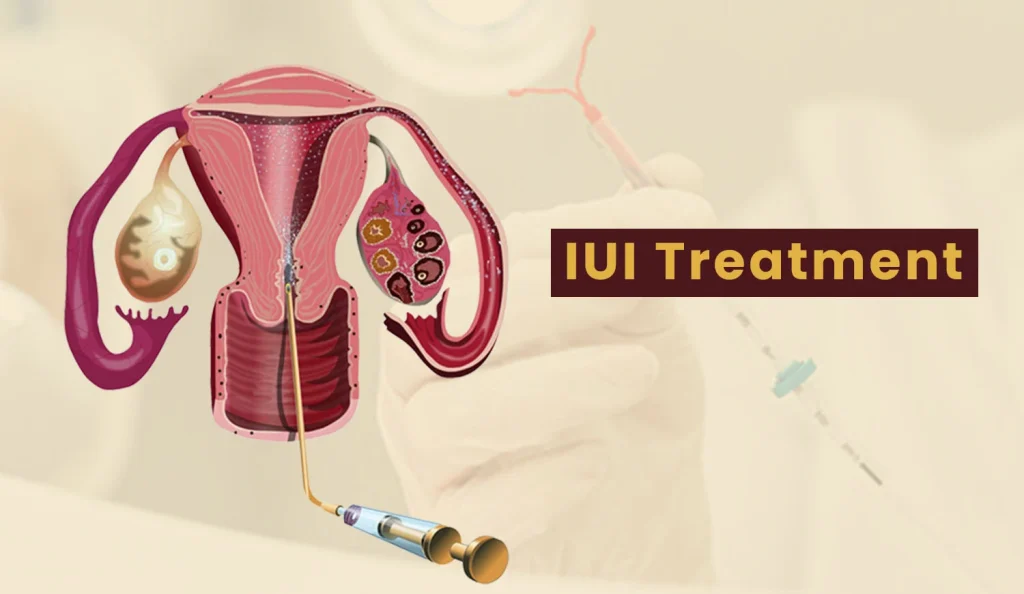
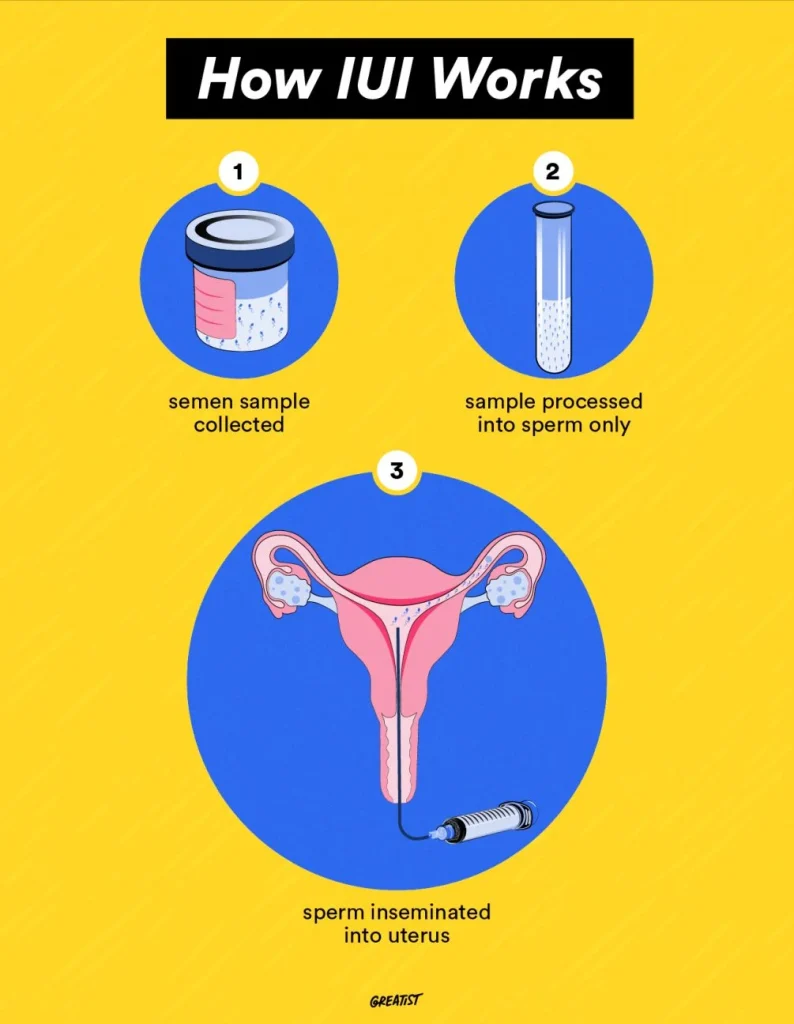
One of the most common fertility treatments is artificial insemination. This procedure involves placing sperm directly into the woman’s reproductive tract, bypassing the natural barriers such as the cervix and vagina. This can be done through intrauterine insemination (IUI) or intracervical insemination (ICI). IUI involves placing washed and concentrated sperm directly into the uterus, while ICI involves placing unwashed sperm at the entrance of the cervix.
Artificial insemination is a less invasive and less expensive option compared to other fertility treatments, making it a popular choice for couples. It can also be used for couples with male infertility, as the sperm can be collected and prepared in a laboratory. However, the success rates of artificial insemination can vary depending on several factors such as the age of the woman and the quality of the sperm.

On the other hand, IVF is a more complex and expensive fertility treatment. It involves fertilizing the eggs with sperm in a laboratory dish and then transferring the resulting embryo into the woman’s uterus. IVF can also involve the use of donor eggs or sperm if needed. This procedure is typically recommended for couples who have been unsuccessful with other fertility treatments, or for those with certain medical conditions that make it difficult to conceive naturally.
While IVF may have a higher success rate compared to artificial insemination, it also comes with a higher cost and potential risks such as multiple pregnancies and ovarian hyperstimulation syndrome. It also requires a significant emotional and physical commitment from the couple, as it involves hormone injections and multiple visits to the fertility clinic.
When it comes to choosing between artificial insemination and IVF, it is important for couples to consult with a fertility specialist and consider their individual circumstances. While artificial insemination may be a viable option for some couples, others may require the more advanced techniques of IVF.
Aside from the physical and financial aspects, the emotional toll of infertility and fertility treatments cannot be overlooked. It can be a rollercoaster of emotions for couples, as they navigate through the highs and lows of hope, disappointment, and uncertainty. This is why it is crucial to have open and supportive discussions about infertility and fertility treatments, to break the stigma and provide a safe space for those going through this journey.
Talking about infertility can also help to educate others on the topic and dispel any myths or misconceptions surrounding it. Many people still believe that infertility is solely a woman’s issue, when in fact, it affects both men and women equally. By having these conversations, we can also raise awareness about the various fertility treatments available and provide support for those who may be struggling in silence.
In conclusion, infertility and fertility treatments such as artificial insemination and IVF are important topics that need to be discussed openly and without shame. It is crucial to break the stigma surrounding these issues and provide support for couples who are going through this difficult journey. By having these conversations, we can not only help to destigmatize infertility, but also provide hope and support for those who need it the most.