Understanding the Process: Intrauterine Insemination vs Sperm Washing
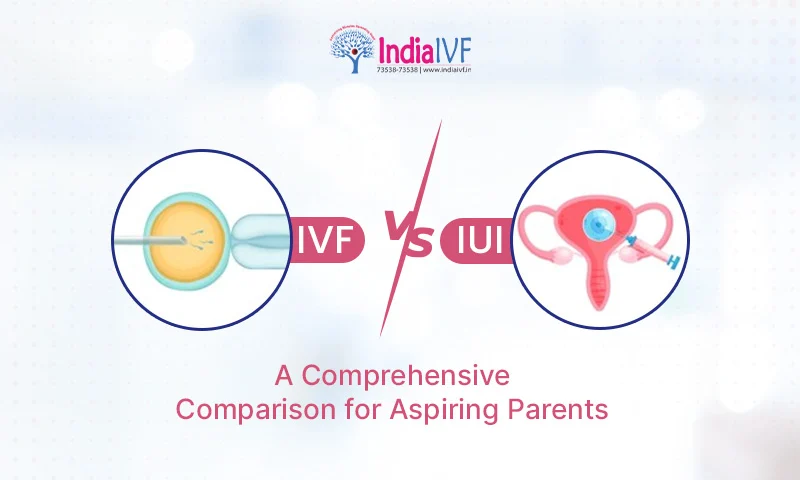
Intrauterine insemination (IUI) and sperm washing are two common fertility treatments used to help couples struggling with infertility. Both procedures involve the use of assisted reproductive technologies (ART) and aim to increase the chances of a successful pregnancy. While they may seem similar, there are significant differences between IUI and sperm washing that couples should understand before deciding which option is best for them.
What is Intrauterine Insemination (IUI)?
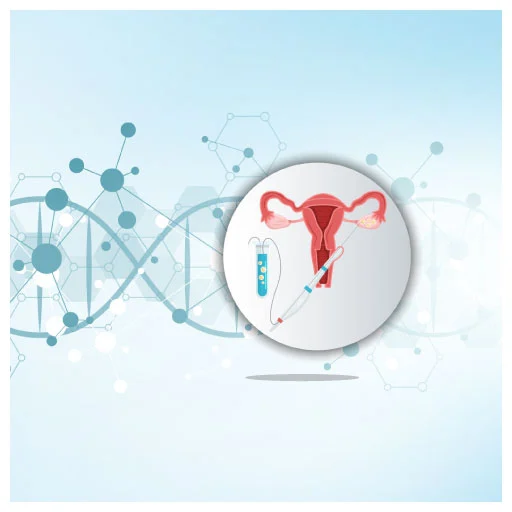
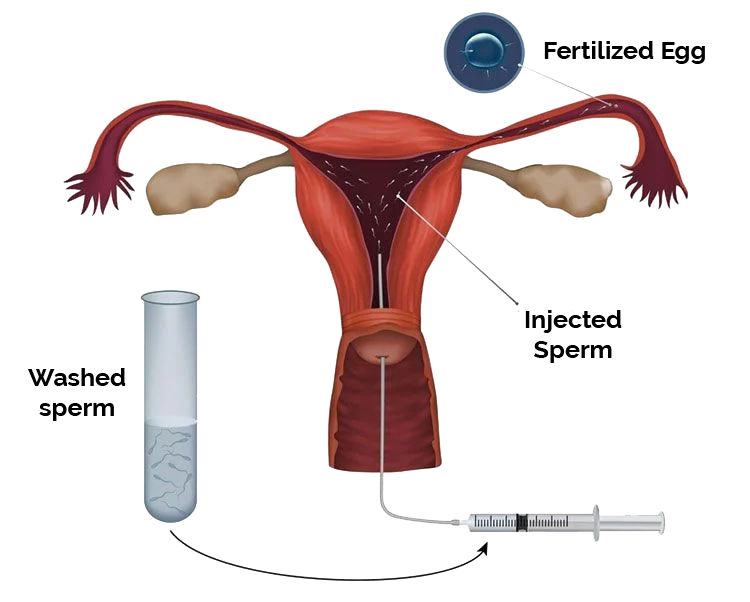
Intrauterine insemination, also known as artificial insemination, is a procedure in which sperm is inserted directly into a woman’s uterus during ovulation. This increases the chances of fertilization as the sperm is placed closer to the egg, bypassing the need for it to travel through the fallopian tubes. IUI is often recommended for couples with unexplained infertility, mild male factor infertility, or for single women and same-sex couples who want to conceive using donor sperm.
The Process of IUI
The process of IUI typically involves the following steps:
1. Ovarian Stimulation: Before the IUI procedure, the woman may be given fertility drugs to stimulate the ovaries to produce multiple eggs. This increases the chances of fertilization and pregnancy.
2. Sperm Collection and Preparation: The male partner or donor provides a semen sample, which is then washed and prepared in the laboratory. The washing process separates the healthy, motile sperm from the seminal fluid and dead sperm, ensuring that only the best-quality sperm is used for the IUI procedure.
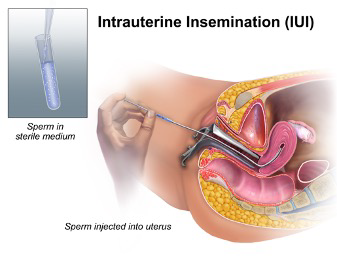
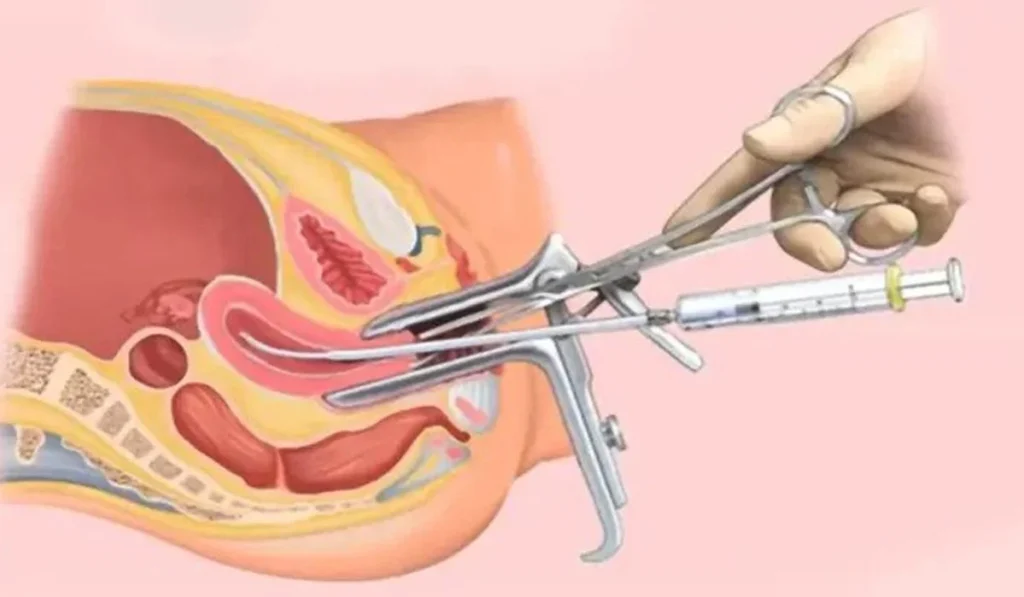
3. Insemination: Once the sperm is prepared, a thin, flexible catheter is inserted into the woman’s cervix and into the uterus. The washed sperm is then injected into the uterus, and the catheter is removed.
4. Rest and Monitoring: After the procedure, the woman may be advised to rest for a short period before resuming normal activities. She may also be monitored for ovulation and may be given progesterone supplements to support the development of the uterine lining.
What is Sperm Washing?
Sperm washing is a laboratory procedure that separates healthy, motile sperm from the seminal fluid and dead sperm. This process is typically used in conjunction with other ART procedures, such as in vitro fertilization (IVF) or IUI, to improve the quality of the sperm used for fertilization. Sperm washing is especially beneficial for couples with male factor infertility, as it can increase the chances of successful fertilization.
The Process of Sperm Washing
Understanding the Process: Intrauterine Insemination vs Sperm Washing
The process of sperm washing typically involves the following steps:
1. Sperm Collection: The male partner or donor provides a semen sample, which is then collected and placed in a sterile container.
2. Washing and Preparation: The sperm is washed and prepared in the laboratory using a special solution that separates the healthy, motile sperm from the seminal fluid and dead sperm.
3. Insemination: Once the sperm is prepared, it can be used for various ART procedures, such as IVF or IUI, depending on the couple’s specific needs and preferences.
4. Storage: Any remaining sperm can be frozen and stored for future use, if needed.
The Differences Between IUI and Sperm Washing
While both IUI and sperm washing involve the use of assisted reproductive technologies, there are some key differences between the two procedures. These include:
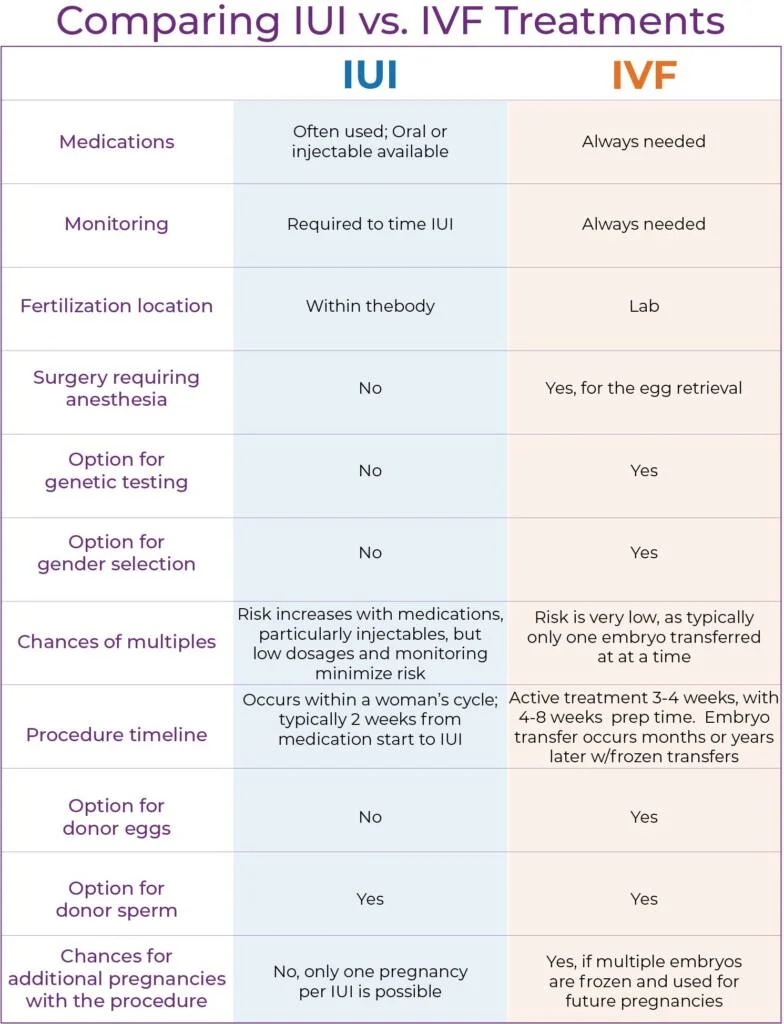
1. Purpose: The primary purpose of IUI is to increase the chances of fertilization by placing the sperm closer to the egg. On the other hand, the main purpose of sperm washing is to improve the quality of sperm used for fertilization.
2. Timing: IUI is typically performed during the woman’s ovulation, whereas sperm washing can be done at any time.
3. Fertility Issues: IUI is often recommended for couples with unexplained infertility, mild male factor infertility, or for single women and same-sex couples. Sperm washing, on the other hand, is primarily used for couples with male factor infertility.
4. Procedure: IUI involves the insertion of washed sperm directly into the uterus, while sperm washing is a laboratory procedure that prepares sperm for use in other ART procedures.
Which Option is Right for You?
Deciding between IUI and sperm washing depends on your individual circumstances and fertility issues. It’s essential to consult with a fertility specialist to determine which procedure is best for you. They will consider factors such as your age, medical history, and fertility test results to recommend the most suitable treatment option.
In conclusion, both IUI and sperm washing are effective fertility treatments that can increase the chances of a successful pregnancy. While IUI is primarily used to place sperm closer to the egg, sperm washing aims to improve the quality of sperm used for fertilization. Understanding the differences between the two procedures can help couples make an informed decision about which option is best for them.