Blog Post:
Fertility is a topic that affects many individuals and couples around the world. With advancements in medical technology, there are now various options available for those struggling with infertility. One of the most debated topics when it comes to fertility treatment is whether supplements or medical treatments have a higher success rate. In this blog post, we will explore the differences between fertility supplements and medical treatments and determine which one has a higher success rate.
Fertility Supplements
Fertility supplements are often marketed as a natural and non-invasive option for those trying to conceive. These supplements typically contain a combination of vitamins, minerals, and herbs that are believed to improve fertility. Some of the most commonly used supplements include folic acid, vitamin D, zinc, and chasteberry.
One of the main benefits of fertility supplements is that they are easily accessible and can be purchased over-the-counter without a prescription. They are also generally more affordable compared to medical treatments, making them an attractive option for those on a budget.
However, the effectiveness of fertility supplements is still a topic of debate. While some studies have shown positive results, others have found no significant difference in pregnancy rates between those taking supplements and those who are not. Additionally, supplements may take longer to show results, and in some cases, can even have adverse effects on fertility.
Medical Treatments
Fertility Supplements vs Medical Treatments: Which Has a Higher Success Rate?
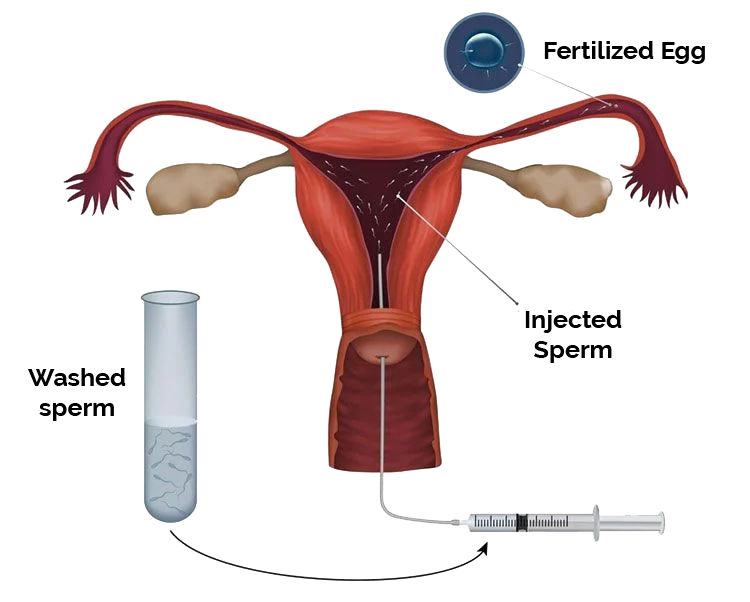
On the other hand, medical treatments for fertility include a range of procedures and interventions such as in-vitro fertilization (IVF), intrauterine insemination (IUI), and fertility drugs. These treatments are typically prescribed and monitored by a fertility specialist and require a more invasive approach.
One of the main advantages of medical treatments is that they have a higher success rate compared to fertility supplements. IVF, for example, has a success rate of around 30% per cycle, while IUI has a success rate of 10-20% per cycle. Additionally, medical treatments are tailored to an individual’s specific needs, making them more effective in addressing fertility issues.
However, medical treatments also come with their own set of challenges. They can be costly, with IVF averaging around $12,000 per cycle. They also come with potential risks and side effects, which can add to the stress and emotional toll of trying to conceive.
Which Has a Higher Success Rate?
When it comes to determining which option has a higher success rate, it is essential to consider the individual circumstances and factors at play. In some cases, individuals may have underlying medical conditions that require medical treatments, while others may benefit from the use of supplements.
In general, medical treatments have been found to have a higher success rate compared to fertility supplements. However, it is essential to note that both options have their own benefits and limitations. For some individuals, a combination of both may be the most effective approach.
Summary:
Fertility is a topic that affects many individuals and couples around the world. When it comes to addressing fertility issues, there are two main options to consider: fertility supplements and medical treatments. While supplements are easily accessible and affordable, their effectiveness is still a topic of debate. On the other hand, medical treatments have a higher success rate but can be costly and come with potential risks and side effects. Ultimately, the best approach will depend on an individual’s specific circumstances and needs.