Tag: Informed Consent

  • Home Insemination vs Clinical Insemination: Legal Considerations for Fertility Clinics

    Home Insemination vs Clinical Insemination: Legal Considerations for Fertility Clinics

    The journey towards starting a family can be a challenging and emotional one for many couples and individuals. With advancements in medical technology, there are now various options available for those struggling with infertility. Two common methods for achieving pregnancy are home insemination and clinical insemination. While both methods have their own advantages and disadvantages, there are also important legal considerations that fertility clinics must take into account when offering these services. In this blog post, we will explore the legal implications of home insemination and clinical insemination for fertility clinics.

    Home Insemination:

    Home insemination, also known as self-insemination or at-home insemination, is a method in which sperm is inserted into the vagina, cervix, or uterus of a woman without the assistance of a medical professional. This can be done using a home insemination kit, which typically includes a syringe, cervical cap, or soft cup. This method is often used by same-sex couples, single women, or couples who prefer to conceive in the comfort of their own home.

    One of the main advantages of home insemination is the convenience and privacy it offers. It eliminates the need to schedule appointments and travel to a fertility clinic, making it a more cost-effective option. Home insemination also allows for a more intimate and personal experience for the couple, as they can control the timing and process of insemination.

    However, there are legal considerations that fertility clinics must keep in mind when offering support or guidance for home insemination. The first and most important consideration is the legality of donor insemination. In many countries, including the United States, the use of donor sperm is legal as long as it is obtained from a licensed sperm bank. However, using donor sperm from a known donor (such as a friend or family member) can pose legal issues. In some states, the donor can be held financially responsible for any resulting child, which can lead to complicated legal battles.

    Another legal concern with home insemination is the potential health risks. If the donor sperm is obtained through an unregulated source, there is a higher risk of transmitting sexually transmitted infections or genetic diseases. This can result in legal liabilities for the fertility clinic if they were involved in the process.

    Clinical Insemination:

    Clinical insemination, also known as artificial insemination, is a procedure that is performed by a licensed medical professional in a fertility clinic. This method involves injecting sperm directly into the cervix, uterus, or fallopian tubes of the woman. This can be done using intrauterine insemination (IUI) or intra-cervical insemination (ICI).
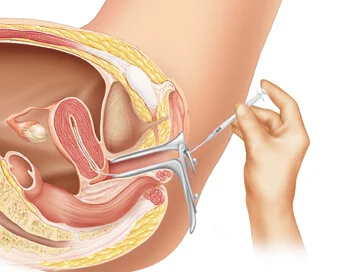
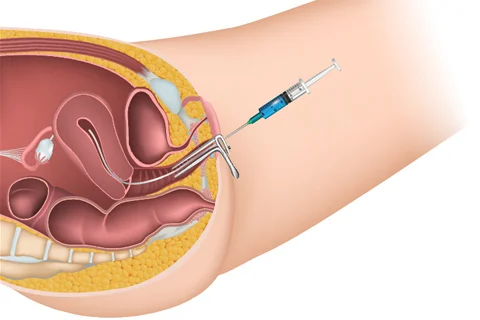
    illustration of intrauterine insemination procedure with a hand holding a speculum and syringe near the uterus

    Home Insemination vs Clinical Insemination: Legal Considerations for Fertility Clinics

    One of the main advantages of clinical insemination is the assurance of using safe and regulated donor sperm. Fertility clinics must follow strict guidelines and regulations when it comes to obtaining donor sperm, ensuring that it is free from any health risks. The use of medical professionals also reduces the risk of potential infections or other complications during the insemination process.

    From a legal standpoint, clinical insemination offers more protection for both the donors and the recipients. The donor is protected from any financial liabilities, as the sperm is obtained through a licensed sperm bank. The recipients are also protected, as the medical professionals involved in the process must adhere to strict medical and legal guidelines.

    Legal Considerations for Fertility Clinics:

    There are several legal considerations that fertility clinics must keep in mind when offering home insemination or clinical insemination services. One of the most important aspects is informed consent. Fertility clinics must ensure that all parties involved have given their full and informed consent for the insemination process. This includes the donor, the recipient, and any other involved parties, such as a partner or surrogate mother. Without proper consent, the clinic can be held legally responsible for any resulting issues or complications.

    Another important consideration is the use of proper medical procedures and protocols. Fertility clinics must adhere to strict medical guidelines and regulations when performing insemination procedures. This includes proper screening of donors for any potential health risks and following proper sanitation and handling techniques for the donor sperm.

    Fertility clinics must also be transparent and honest about the success rates of both home insemination and clinical insemination. They must provide accurate information about the chances of pregnancy and any potential risks involved in the process. Failure to do so can lead to legal repercussions and damage to the clinic’s reputation.

    In addition, it is crucial for fertility clinics to have proper legal documentation in place for all parties involved in the insemination process. This includes donor agreements, consent forms, and any other required legal documents. Having these documents in place can protect the clinic from potential legal issues in the future.

    Summary:

    In conclusion, both home insemination and clinical insemination are viable options for those looking to conceive. However, fertility clinics must be aware of the legal implications of offering these services. From obtaining proper consent to following strict medical guidelines, it is essential for fertility clinics to take all necessary legal precautions to protect both themselves and their patients. By understanding and adhering to these legal considerations, fertility clinics can provide a safe and ethical environment for those seeking fertility treatments.

  • The Ethics of Using Frozen Donor Sperm vs Fresh Donor Sperm

    The Ethics of Using Frozen Donor Sperm vs Fresh Donor Sperm: A Comprehensive Comparison

    In recent years, the use of assisted reproductive technology (ART) has become increasingly popular as more and more people struggle with infertility. One of the options available to those seeking to conceive through ART is the use of donor sperm. However, within this option, there is the decision of whether to use frozen donor sperm or fresh donor sperm. While both options have their pros and cons, the ethical implications of using one over the other must be carefully considered. In this blog post, we will explore the ethics of using frozen donor sperm versus fresh donor sperm and help you understand the factors to consider when making this important decision.

    The Process of Using Donor Sperm

    Before delving into the ethics of using frozen and fresh donor sperm, it is important to understand the process of using donor sperm. Donor sperm is typically used in cases where the intended parent(s) are unable to conceive using their own sperm, either due to infertility or other medical reasons. Donor sperm can be obtained from a sperm bank or through a known donor, who is usually a friend or family member. Once the sperm is obtained, it is then used through various ART procedures such as intrauterine insemination (IUI) or in vitro fertilization (IVF).

    The Ethics of Using Frozen Donor Sperm

    Frozen donor sperm is sperm that has been cryopreserved (frozen) and stored in a sperm bank for future use. There are several ethical considerations when it comes to using frozen donor sperm. One of the main concerns is the potential lack of informed consent from the donor. In many cases, donors are anonymous and may not have been fully informed about the potential consequences of their donation, such as the number of offspring that may result from their sperm being used. This raises ethical concerns about the rights of the child to know their biological origins and the potential psychological impact of not having access to this information.

    Another ethical concern with using frozen donor sperm is the possibility of genetic defects or diseases being passed down to offspring. While sperm banks do conduct screenings and tests on donors, there is still a small risk of genetic issues being present in the sperm. This raises questions about the responsibility of sperm banks to thoroughly screen and inform potential recipients of any potential risks.

    Additionally, there is the issue of commodification of human sperm. Donor sperm is often seen as a product to be bought and sold, raising concerns about the exploitation of donors and the potential for the creation of a market for human genetic material.

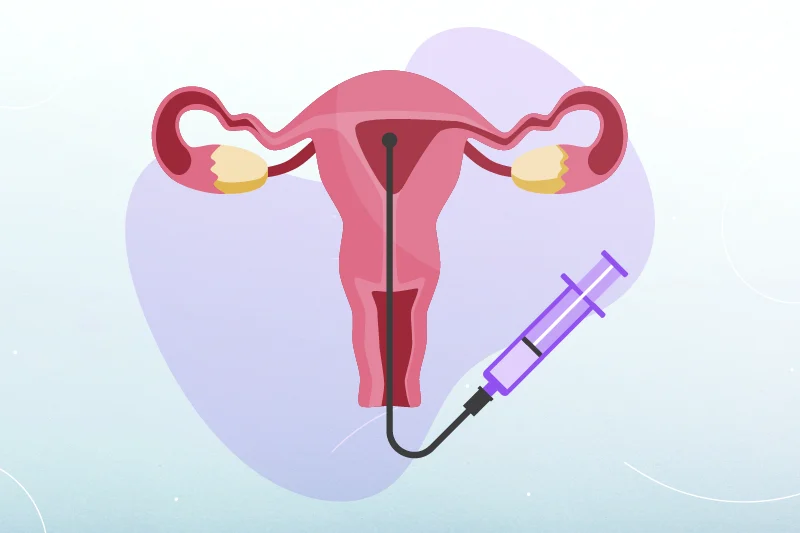
    Illustration of intrauterine insemination (IUI) procedure with syringe and catheter in the uterus.

    The Ethics of Using Frozen Donor Sperm vs Fresh Donor Sperm

    The Ethics of Using Fresh Donor Sperm

    Fresh donor sperm, on the other hand, is sperm that is donated and used immediately without being frozen and stored. One of the main advantages of using fresh donor sperm is the ability to have a known donor, such as a friend or family member. This can provide a sense of genetic connection and may be more appealing to some individuals or couples. However, this can also raise ethical concerns, such as the potential for coercion or pressure on the donor to donate.

    Another ethical consideration when using fresh donor sperm is the potential lack of legal protections for both the donor and the recipient. In cases where the donor is known, there may not be a legally binding agreement in place, leaving both parties vulnerable to potential legal disputes in the future.

    The Importance of Informed Consent

    Regardless of whether frozen or fresh donor sperm is used, informed consent is crucial in ensuring the ethical use of donor sperm. Both donors and recipients must be fully informed about the potential risks and consequences of using donor sperm, including the possibility of genetic diseases, legal implications, and the right of the child to know their biological origins. It is the responsibility of sperm banks and healthcare professionals to provide this information and obtain informed consent from all parties involved.

    Final Thoughts

    In conclusion, the use of donor sperm, whether frozen or fresh, has ethical implications that must be carefully considered. While both options have their advantages and disadvantages, it is important to prioritize the well-being and rights of all parties involved, including the donor, recipient, and potential child. Informed consent, thorough screening and testing, and responsible use of donor sperm are crucial in ensuring the ethical use of this technology.

    Summary:

    The use of donor sperm is a popular option for those struggling with infertility, but the decision of whether to use frozen or fresh donor sperm has ethical implications that must be carefully considered. Using frozen donor sperm raises concerns about informed consent, genetic risks, and commodification. On the other hand, using fresh donor sperm can involve known donors and provide a sense of genetic connection, but also raises concerns about coercion and legal protections. Informed consent and responsible use of donor sperm are crucial in ensuring the ethical use of this technology.

  • DIY Insemination and the Importance of Informed Consent

    DIY Insemination and the Importance of Informed Consent: A Guide for Individuals and Couples

    In today’s world, there are many different ways to start a family. With advancements in reproductive technology and a growing acceptance of non-traditional families, more and more people are exploring alternative methods of conceiving. One such method is DIY insemination, or at-home insemination, which involves using donor sperm to fertilize an egg without the help of a medical professional. While this may seem like a simple and affordable option for those looking to conceive, it is important to understand the process and the importance of informed consent before embarking on this journey.

    What is DIY Insemination?

    DIY insemination is the process of using donor sperm to fertilize an egg at home, without the assistance of a medical professional. It can involve a variety of methods, such as using a syringe or a menstrual cup to insert the sperm into the vagina, or using a home insemination kit. This process is often chosen by individuals and couples who are unable to conceive through traditional methods, such as heterosexual couples with male infertility issues, single individuals, or same-sex couples.

    The DIY insemination process may seem simple enough, but it is important to note that it is not a guaranteed method of conception. It requires careful planning and timing, as well as understanding the risks and potential complications involved. It is also crucial to have a thorough understanding of informed consent before proceeding with this method.

    Understanding Informed Consent

    Informed consent is the process of fully understanding and agreeing to a medical procedure or treatment. It involves being informed of all potential risks and benefits, as well as alternative options, so that an individual can make an educated decision about their own healthcare. In the case of DIY insemination, informed consent is necessary for both the donor and the recipient.

    For the donor, it is important to fully understand the legal and emotional implications of donating sperm. They must also be aware of any potential risks or health concerns that may come with the process. For the recipient, it is important to understand the potential risks and success rates of DIY insemination, as well as any legal and emotional implications for both themselves and the donor.

    The Importance of Informed Consent in DIY Insemination

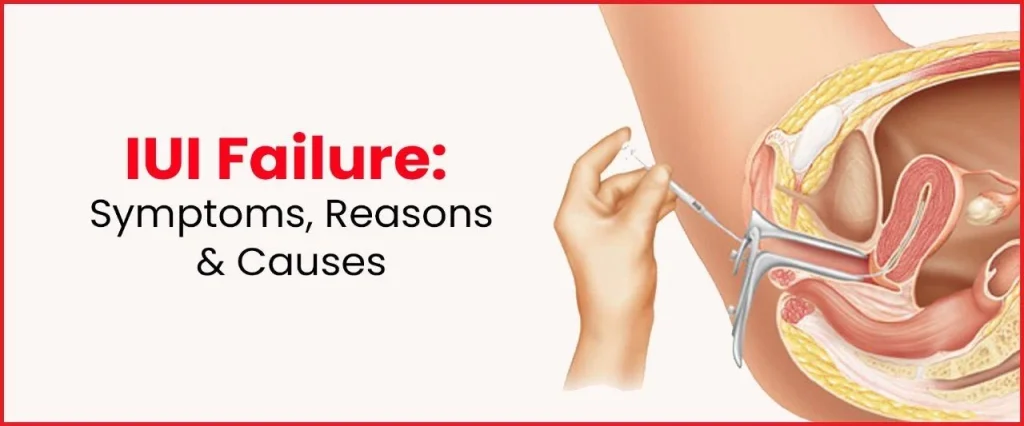
    illustration of IUI procedure with text on symptoms, reasons, and causes of IUI failure

    DIY Insemination and the Importance of Informed Consent

    Informed consent is essential in any medical procedure, and DIY insemination is no exception. Without informed consent, individuals and couples may be putting themselves and their potential child at risk. The lack of medical supervision and proper screening of the donor can lead to potential health issues for the recipient and the child, such as sexually transmitted infections or genetic disorders.

    In addition, the lack of legal documentation and agreements between the donor and the recipient can lead to complicated legal battles in the future. It is important for both parties to have a clear understanding of their rights and responsibilities before proceeding with DIY insemination.

    The Risks and Limitations of DIY Insemination

    While DIY insemination may seem like a convenient and affordable option, it is important to be aware of the potential risks and limitations involved. One of the biggest risks is the lack of medical supervision, which can lead to improper handling of the sperm and potential health complications. In addition, DIY insemination does not offer the same success rates as traditional medical insemination methods, such as intrauterine insemination (IUI) or in vitro fertilization (IVF).

    DIY insemination also has limitations when it comes to genetic screening and selection of the donor. Without proper medical supervision, there is a higher risk of using sperm from a donor with genetic disorders or diseases, which can be passed on to the child.

    The Importance of Seeking Professional Help

    While DIY insemination may seem like a tempting option, it is important to seek professional help before proceeding with this method. A reproductive specialist can provide guidance and support throughout the process, as well as ensure that all necessary health screenings and legal agreements are in place.

    In addition, seeking professional help can also increase the chances of successful conception. A reproductive specialist can offer more advanced and effective techniques, such as IUI or IVF, which have higher success rates than DIY insemination.

    DIY insemination may seem like an easy and affordable option, but it is crucial to consider the importance of informed consent and seek professional help before proceeding. It is essential to fully understand the risks and limitations involved and make an informed decision about your reproductive health.

    In summary, DIY insemination is a method of conceiving that involves using donor sperm at home without the assistance of a medical professional. However, it is important to understand the process and the importance of informed consent before embarking on this journey. Informed consent involves understanding all potential risks and benefits, as well as legal and emotional implications for both the donor and the recipient. Seeking professional help and guidance is crucial to ensure the safety and success of the process. DIY insemination may seem like a simple option, but it is important to carefully consider all factors before proceeding.

  • Egg Retrieval vs Egg Sharing: The Importance of Consent

    Blog Post:

    Egg retrieval and egg sharing are two commonly used techniques in assisted reproductive technology (ART) that have helped countless individuals and couples achieve their dream of having a child. While both methods involve the harvesting of a woman’s eggs, there are significant differences between the two, especially when it comes to the issue of consent.

    Egg retrieval, also known as oocyte retrieval, is a process where a woman’s eggs are retrieved from her ovaries, typically through a minimally invasive surgical procedure called transvaginal ultrasound aspiration. These eggs are then fertilized in a laboratory with sperm, and the resulting embryos are transferred into the woman’s uterus or frozen for future use. This procedure is commonly used in in-vitro fertilization (IVF) treatments, where the woman’s own eggs are used for fertilization.

    On the other hand, egg sharing is a process where a woman donates some of her eggs to another woman, usually a stranger, who is unable to produce her own eggs. The donor and recipient go through a screening process, and if they are deemed suitable, the donor’s eggs are retrieved and fertilized with the recipient’s partner’s sperm. The resulting embryos are then transferred into the recipient’s uterus or frozen for later use.

    While both egg retrieval and egg sharing can be life-changing for those undergoing fertility treatments, the issue of consent is of utmost importance. Consent is the act of giving permission or agreement to something, and in the context of ART, it refers to the donor’s or recipient’s informed and voluntary decision to undergo the procedure.

    success rate of IUI in India with a graphic of a uterus and syringe alongside a rising graph

    Egg Retrieval vs Egg Sharing: The Importance of Consent

    In egg retrieval, the woman is the sole decision-maker and gives consent for the procedure. She undergoes extensive counseling and screening to ensure that she fully understands the process and its potential risks. She also has the right to change her mind at any point before the procedure.

    However, in egg sharing, the issue of consent becomes more complex as it involves two individuals – the donor and the recipient. While the donor gives her consent to donate her eggs, the recipient also needs to give her consent to receive the eggs. In most cases, this consent is given before the donor’s eggs are retrieved, which means the donor’s eggs are harvested based on the recipient’s consent. This raises ethical concerns as the donor’s eggs are being used for the recipient’s benefit, and the donor may feel pressured to give her consent, especially if she is being compensated.

    Another important aspect of consent in egg sharing is the legal and financial implications for both the donor and recipient. The donor may have to undergo medical procedures and take medications that may have side effects, and she may also be required to disclose personal information and undergo psychological evaluations. The recipient, on the other hand, may have to bear the financial costs of the procedure and may also face legal issues if any disputes arise in the future regarding the child’s parentage.

    Moreover, there is also the issue of informed consent, which means that both the donor and recipient should be fully informed about the procedure and its potential risks and consequences. In egg sharing, the recipient may not be aware of the donor’s medical history or the number of eggs being retrieved, which can have implications for the success of the procedure and the health of the resulting child.

    In conclusion, while egg retrieval and egg sharing are both effective methods of assisted reproduction, the issue of consent is of utmost importance, especially in egg sharing. Both the donor and recipient should be fully informed and give their voluntary and informed consent for the procedure to ensure the safety and well-being of all parties involved.

    In summary, egg retrieval and egg sharing are two techniques used in assisted reproductive technology to help individuals and couples achieve their dream of having a child. Consent is crucial in both methods, but it becomes more complex in egg sharing, where the donor and recipient both need to give their informed and voluntary consent. The issue of consent should be carefully considered and addressed to ensure the well-being and rights of all parties involved.

  • The Legalities of Egg Retrieval vs Egg Sharing

    Blog Post:

    Egg donation has become a popular option for individuals and couples struggling with infertility. It involves the retrieval of eggs from a donor, which are then fertilized and transferred to the intended recipient. However, there are two different processes for obtaining these eggs: egg retrieval and egg sharing. While they may seem similar, there are important differences in the legalities surrounding each process. In this blog post, we will explore the legalities of egg retrieval vs egg sharing and help you understand the important factors to consider before making a decision.

    Egg Retrieval:

    Egg retrieval, also known as anonymous egg donation, involves the donation of eggs from a donor to a recipient with no contact or relationship between them. The donor is usually compensated for their time and effort, and the recipient may have the option to choose certain characteristics of the donor such as physical traits and educational background. This process is typically used for in vitro fertilization (IVF), where the eggs are fertilized with sperm in a lab and the resulting embryos are transferred to the recipient’s uterus.

    Legal Considerations:

    Egg retrieval is a complex process, and there are several legal considerations to be aware of. The first is the issue of consent. In order for the egg donation process to be legally valid, both the donor and the recipient must give their informed consent. This means that they must fully understand the process, its risks and potential outcomes, and give their consent freely without any pressure or coercion.

    Another important legal consideration is the contract between the donor and the recipient. This contract outlines the rights and responsibilities of both parties and covers issues such as compensation, confidentiality, and future contact between the donor and any resulting child. It is essential for both parties to carefully review and understand this contract before proceeding with the egg retrieval process.

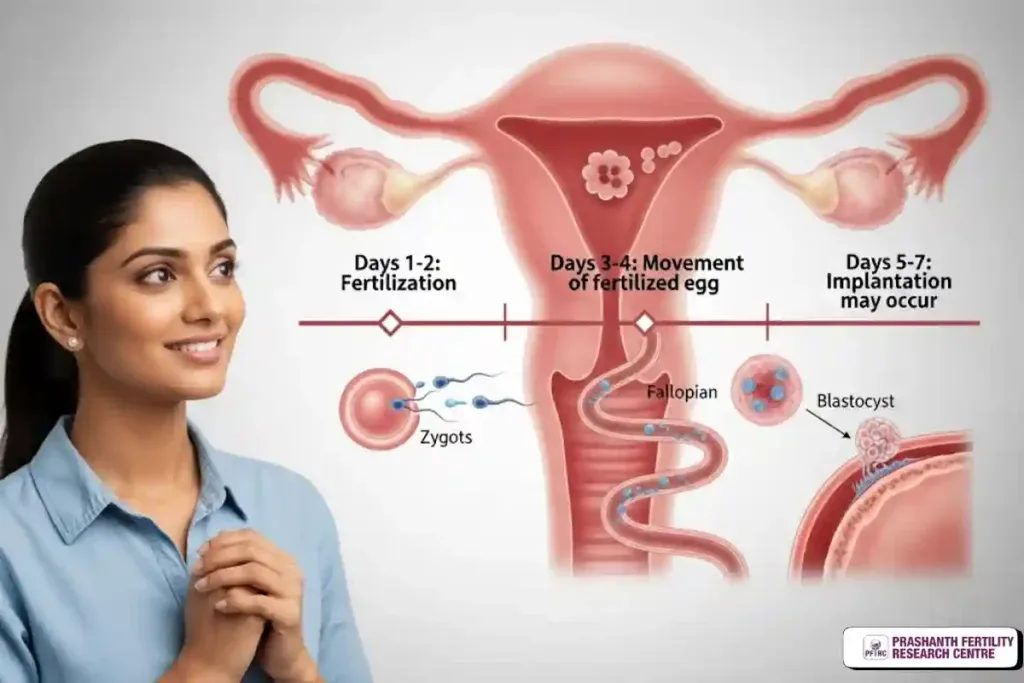
    Illustration showing fertilization and implantation timeline with a woman looking hopeful.

    The Legalities of Egg Retrieval vs Egg Sharing

    Additionally, there are legal requirements for egg donors, including medical and psychological screenings, as well as the need for legal representation. These requirements are put in place to protect the health and well-being of both the donor and the recipient, as well as to ensure that all parties are fully aware of their rights and responsibilities.

    Egg Sharing:

    Egg sharing, also known as known donation, involves a donor who is also undergoing fertility treatment and chooses to share their eggs with another individual or couple. In this process, the donor and recipient may have a personal relationship and may even know each other. This is often a more affordable option for recipients, as the donor’s fertility treatment costs may be covered by the recipient.

    Legal Considerations:

    Egg sharing has its own set of legal considerations, which are different from those of egg retrieval. The most important consideration is the shared genetics between the donor and the intended child. This can lead to complex legal issues, such as parental rights and responsibilities. In some cases, the donor may have legal rights to the child, even if they have no intention of being a parent.

    To avoid potential legal complications, it is crucial for both parties to have a clear understanding of their rights and responsibilities before proceeding with egg sharing. This includes discussing issues such as parental rights, financial responsibilities, and future contact between the donor and the child.

    Summary:

    In summary, egg retrieval and egg sharing are two different processes for obtaining eggs for fertility treatment. Egg retrieval involves an anonymous donation, while egg sharing involves a known donor sharing their eggs with someone they may have a personal relationship with. Both processes have their own set of legal considerations, including informed consent, contracts, and legal requirements for donors. It is essential for both parties to fully understand these legalities before proceeding with either process.

  • The Ethics of Egg Retrieval vs Egg Sharing

    The Ethics of Egg Retrieval vs Egg Sharing: Understanding the Moral Dilemmas and Complexities

    Egg donation and fertility treatments have become increasingly common in recent years, with more and more people turning to these options to fulfill their dreams of starting a family. However, with this rise in demand, there has also been a growing debate about the ethics of egg retrieval and egg sharing. On one hand, there are those who argue that women have the right to make decisions about their own bodies and should be compensated for their eggs. On the other hand, there are concerns about exploitation and the commodification of human life. In this blog post, we will delve into the moral dilemmas and complexities surrounding egg retrieval and egg sharing, and explore the various ethical considerations that come into play.

    The Basics of Egg Retrieval and Egg Sharing

    Before we dive into the ethical issues, let’s first understand what egg retrieval and egg sharing are. Egg retrieval, also known as egg harvesting, is the process of extracting eggs from a woman’s ovaries for the purpose of assisted reproduction. This can be done for a variety of reasons, such as in-vitro fertilization (IVF) or egg freezing. Egg sharing, on the other hand, involves a woman who has undergone egg retrieval sharing her eggs with another individual or couple who are struggling with fertility. This allows the recipient(s) to use the donated eggs for their own fertility treatments.

    The Ethics of Egg Retrieval

    One of the main ethical concerns surrounding egg retrieval is the potential exploitation of women. Some argue that offering financial compensation for egg donation can be seen as a form of coercion, especially for those who are in need of money. This raises questions about whether women are truly making a free and informed decision to donate their eggs, or if they are being influenced by financial incentives.

    Moreover, there are concerns about the potential physical and psychological risks of egg retrieval. The procedure itself can be invasive and carries the risk of complications, such as infection or ovarian hyperstimulation syndrome. Additionally, some studies have shown that egg donors may experience anxiety, depression, and other emotional distress after the procedure. It is important to consider whether these risks are fully explained to women before they make the decision to donate their eggs.

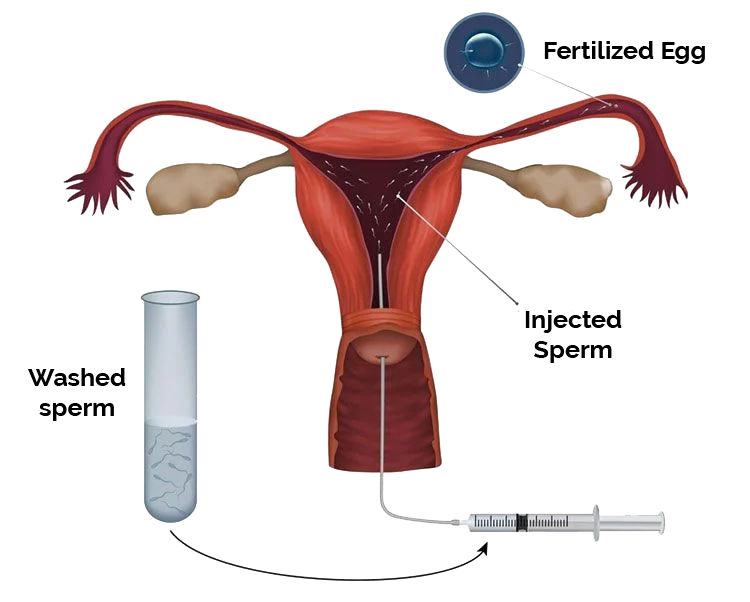
    diagram of the female reproductive system with an IUI syringe and test tube for artificial insemination

    The Ethics of Egg Retrieval vs Egg Sharing

    The Ethics of Egg Sharing

    Unlike egg retrieval, egg sharing involves a voluntary decision by the donor to share her eggs with another individual or couple. However, there are still ethical considerations to be made. One of the main concerns is the potential commodification of human life. By allowing individuals to purchase or “rent” eggs, some argue that it reduces the value of human life and turns it into a commodity. There are also concerns about the potential exploitation of the recipient(s) who may feel pressured to accept eggs from a donor in order to increase their chances of conceiving.

    Another ethical issue with egg sharing is the potential for genetic relationships to be formed without the knowledge or consent of all parties involved. In some cases, donors may remain anonymous, and the children conceived from their eggs may never know their biological origins. This raises questions about the rights of the child to know their genetic history and the implications this may have on their sense of identity.

    Finding a Balance: Ethical Guidelines for Egg Retrieval and Egg Sharing

    Given the various ethical concerns surrounding egg retrieval and egg sharing, it is clear that there is a need for ethical guidelines to ensure the well-being and autonomy of all parties involved. In the United States, the American Society for Reproductive Medicine (ASRM) has established guidelines for both egg retrieval and egg sharing. These guidelines include limits on the amount of compensation that donors can receive, as well as requirements for informed consent and thorough medical and psychological screenings for both donors and recipients.

    In addition to these guidelines, it is important for individuals and couples considering egg retrieval or egg sharing to carefully consider their own values and beliefs, as well as the potential risks and implications of these procedures. Open and honest communication between all parties involved is also crucial in ensuring that everyone’s rights and well-being are respected.

    In Summary

    The ethics of egg retrieval and egg sharing are complex and multifaceted. While these procedures offer hope for those struggling with fertility, it is important to consider the potential risks and ethical concerns that come with them. From concerns about exploitation and commodification of human life to the rights of the child to know their genetic origins, there are various ethical considerations that must be addressed. By following ethical guidelines and promoting open and honest communication, we can find a balance between respecting individual autonomy and ensuring the well-being of all parties involved.

  • The Ethics of Compensated vs Non-Compensated Sperm Donation in Sperm Banks vs Known Donors

    Blog Post: The Ethics of Compensated vs Non-Compensated Sperm Donation in Sperm Banks vs Known Donors

    Sperm donation has been a widely controversial topic for many years, with debates surrounding the ethics of compensated vs non-compensated sperm donation and the use of sperm banks vs known donors. On one hand, sperm donation can bring hope and happiness to individuals or couples struggling with fertility issues. On the other hand, it raises concerns about the potential exploitation of donors and the lack of regulations in the industry. In this blog post, we will delve into the ethical considerations of compensated and non-compensated sperm donation, and the differences between using sperm banks and known donors.

    Compensated Sperm Donation in Sperm Banks:
    Sperm banks are facilities that collect, screen, and store sperm from donors for the purpose of artificial insemination. In exchange for their sperm, donors are typically compensated financially. This raises ethical concerns as some argue that it turns sperm into a commodity and exploits donors who may be in dire financial situations. There have been cases where donors have been paid exorbitant amounts of money for their sperm, leading to questions about the motivations behind their donations.

    Moreover, there is a lack of regulation in the sperm banking industry, which means that donors may not be fully informed about the potential risks and long-term effects of sperm donation. This lack of transparency can also result in donors not being adequately compensated for potential health risks or future responsibilities. Additionally, there is a concern about the anonymity of donors, which can potentially lead to half-siblings unknowingly having relationships.

    Non-Compensated Sperm Donation from Known Donors:
    In contrast, non-compensated sperm donation from known donors refers to the act of a person donating their sperm to someone they know personally, such as a friend or family member. This type of donation is usually done out of altruism and does not involve any financial compensation. However, there are still ethical considerations to take into account.

    illustration of intrauterine insemination procedure with a syringe and catheter in the uterus.

    The Ethics of Compensated vs Non-Compensated Sperm Donation in Sperm Banks vs Known Donors

    Known donors may not be screened or tested as rigorously as donors in sperm banks, which can pose risks to the recipient and potential future offspring. There is also the potential for complicated relationships and legal issues to arise if the donor is known to the recipient and their family. For example, the donor may want to play a role in the child’s life, which can cause conflict and confusion. This can also create legal issues regarding parental rights and responsibilities.

    The Importance of Informed Consent:
    One of the key ethical considerations in both compensated and non-compensated sperm donation is the importance of informed consent. Donors must fully understand the process and potential risks involved in sperm donation, and recipients must be fully informed about the donor’s medical history and any potential genetic risks. Informed consent is crucial in ensuring that all parties involved are fully aware of the potential consequences and responsibilities that come with sperm donation.

    The Role of Regulation:
    In order to address the ethical concerns surrounding sperm donation, there is a need for regulation in the industry. This includes guidelines for screening and testing donors, providing adequate compensation and informed consent, and addressing the issue of donor anonymity. In countries such as the United Kingdom and Canada, there are laws in place that regulate sperm donation and protect the rights of all parties involved. These regulations help to ensure that sperm donation is conducted ethically and responsibly.

    In conclusion, the ethics of compensated vs non-compensated sperm donation in sperm banks vs known donors is a complex and multifaceted issue. Both options have their own set of ethical considerations, and it is important for all parties involved to fully understand the potential risks and responsibilities. Regulation is crucial in promoting ethical practices and protecting the rights of donors, recipients, and potential offspring. Ultimately, the well-being and best interests of all parties involved should be the top priority in any sperm donation process.

    Summary:
    Sperm donation is a controversial topic, with debates surrounding the ethics of compensated vs non-compensated donation and the use of sperm banks vs known donors. Compensated sperm donation in sperm banks raises concerns about exploitation and a lack of regulations, while non-compensated donation from known donors can lead to complicated relationships and legal issues. Informed consent and regulation are crucial in promoting ethical practices and protecting the rights of all parties involved.

  • The Debate on Anonymity: Sperm Banks vs Known Donors

    The Debate on Anonymity: Sperm Banks vs Known Donors

    In recent years, the topic of sperm donation has become increasingly popular and controversial. With more individuals and couples turning to alternative methods of conception, the debate on anonymity in sperm donation has intensified. On one hand, there are sperm banks that offer anonymous donors, while on the other hand, there is the option of known donors, where the donor’s identity is revealed to the recipient. This debate raises important ethical, legal, and emotional considerations for all parties involved. In this blog post, we will explore the arguments for and against anonymity in sperm donation and the potential impact it has on both donors and recipients.

    The Role of Sperm Banks

    Sperm banks have been around since the early 20th century and have become a popular option for those seeking donor sperm. These banks offer a wide range of donors, including anonymous donors who are kept completely confidential. The main argument for anonymity in sperm donation is the protection of the donor’s privacy. Many donors choose to remain anonymous because they do not want to be contacted by any potential offspring or have their personal information revealed to others.

    Anonymity also offers a level of protection for the recipient. In some cases, couples or individuals may prefer not to know the identity of the donor, as it eliminates any potential emotional attachment or legal obligations. This anonymity can also be beneficial for same-sex couples, as it allows both partners to be legal parents to the child without any legal complications.

    However, the anonymity of sperm donation also raises some ethical concerns. Critics argue that it denies the child the right to know their biological father’s identity and medical history. This information is crucial for the child’s health and well-being, as certain genetic conditions can be inherited. Without this information, the child may face challenges in the future, such as difficulty obtaining medical treatment or not knowing their familial medical history.

    The Impact on Donors

    While anonymity can provide protection for donors, it can also have negative impacts on their emotional well-being. Donors may feel a sense of disconnection from their potential biological children, as they have no involvement or knowledge of their well-being. This can lead to feelings of guilt or regret, especially if the child grows up and seeks out their biological father.

    Moreover, donors may also experience a lack of closure or a sense of loss if they are not able to have any contact with their potential offspring. As human beings, we have an innate desire to know about our biological origins, and this can be a significant emotional burden for donors who choose to remain anonymous.

    Known Donors: The Alternative Option

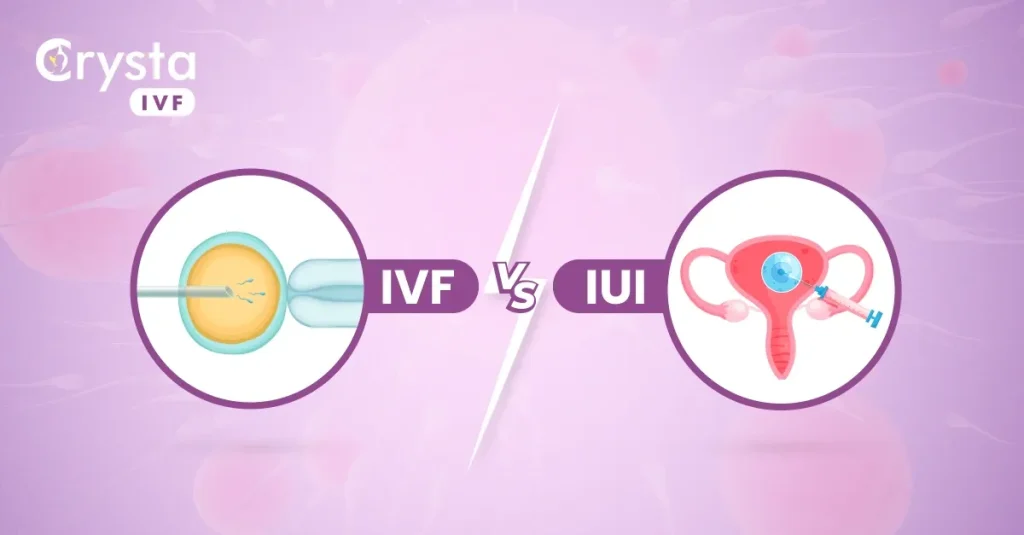
    Comparison of IVF and IUI procedures with illustrations of each method.

    The Debate on Anonymity: Sperm Banks vs Known Donors

    As the debate on anonymity continues, there has been a growing trend towards known donors. Known donors are individuals who are willing to reveal their identity to the recipient and potentially have a more active role in the child’s life. This option allows the child to have access to their biological father’s medical history and potentially build a relationship with them.

    For recipients, known donors can provide a sense of security and reassurance, as they have more information about the donor’s background and character. This option can also be appealing for those who want their child to have a relationship with their biological father and have a complete family structure.

    However, known donors also come with their own set of challenges. The donor’s involvement in the child’s life can lead to complicated legal and emotional dynamics. In some cases, the donor may seek parental rights or responsibilities, causing legal battles and emotional turmoil for all parties involved. There is also the potential for the donor to have a change of heart and withdraw from their involvement, causing distress for the child and the recipient.

    The Need for Clear Regulations

    The debate on anonymity in sperm donation highlights the need for clear regulations and guidelines to protect all parties involved. While sperm banks and known donors offer different options, there is a lack of consistency in terms of regulations and protocols. This can lead to confusion and potential legal issues, as there are no standard guidelines for sperm donation.

    In countries like the United Kingdom and Australia, anonymous sperm donation has been banned, and all donors are required to provide identifying information. This ensures that the child has access to their biological father’s medical history and allows for potential contact in the future. However, in countries like the United States, anonymity is still allowed in many states, leaving it up to the donor and recipient to decide on the level of involvement and disclosure.

    The Importance of Informed Consent

    Regardless of the option chosen, the most crucial aspect of sperm donation is informed consent. All parties involved, including the donor, recipient, and potential child, must fully understand the implications and risks of their decision. This includes understanding the potential emotional and legal ramifications of anonymity or known donation and having clear guidelines in place.

    Furthermore, it is essential to have proper counseling and support in place for all parties involved in sperm donation. This can help donors and recipients navigate their emotions and make informed decisions about the level of involvement they want in the child’s life.

    Summary

    In conclusion, the debate on anonymity in sperm donation raises important ethical, legal, and emotional considerations. While anonymity may offer protection for donors and recipients, it also denies the child the right to know their biological father’s identity and medical history. On the other hand, known donors provide more information and potential involvement but come with their own set of challenges. Clear regulations and guidelines are needed to ensure the well-being and rights of all parties involved, and informed consent should be a priority in the process of sperm donation.

  • The Ethics of Sperm Donation: Examining Sperm Banks vs Known Donors

    Blog Post Title: The Ethics of Sperm Donation: Examining Sperm Banks vs Known Donors

    Sperm donation is a process in which a man donates his sperm to help someone else conceive a child. This can be done through various means, such as sperm banks or known donors. While sperm donation has been around for decades, it has recently gained more attention and scrutiny due to the increasing demand for assisted reproduction and advancements in technology.

    However, with this increased demand and availability, there are also ethical concerns that arise. In this blog post, we will examine the ethics of sperm donation, specifically looking at the differences between sperm banks and known donors.

    Sperm Banks:

    Sperm banks are facilities that collect, freeze, and store donated sperm for future use. These banks have strict guidelines and protocols in place to ensure the safety and quality of the sperm. They also conduct thorough medical and genetic screenings of donors to rule out any potential health risks.

    One of the biggest advantages of using a sperm bank is the anonymity it offers. Donors are usually anonymous, and their identity is not shared with the recipients. This can be beneficial for individuals or couples who prefer to have no contact with the donor in the future or want to maintain their privacy.

    However, this anonymity also raises ethical concerns. Critics argue that children conceived through sperm donation have a right to know their biological father’s identity and medical history. This information can be crucial for their health and well-being. In some cases, donors may also have hereditary diseases or genetic disorders that could be passed on to the child. Without proper knowledge of the donor’s medical history, the child may not receive the necessary medical care.

    Another ethical concern with sperm banks is the commodification of sperm. Donors are often compensated for their sperm, which can create a financial incentive for individuals to donate. This raises questions about whether sperm donation is truly a selfless act or a means of making money.

    Known Donors:

    Known donors, on the other hand, are individuals who donate their sperm directly to someone they know, such as a family member or a friend. This type of donation is often done for altruistic reasons and does not involve any financial compensation. Unlike sperm banks, known donors do not have to go through the same rigorous screening process, which can be seen as both an advantage and a disadvantage.

    One of the main advantages of using a known donor is the possibility of having a relationship with the donor. This can be beneficial for the child, as they can have a better understanding of their biological background and potentially develop a relationship with the donor. It also allows for more transparency and openness between all parties involved.

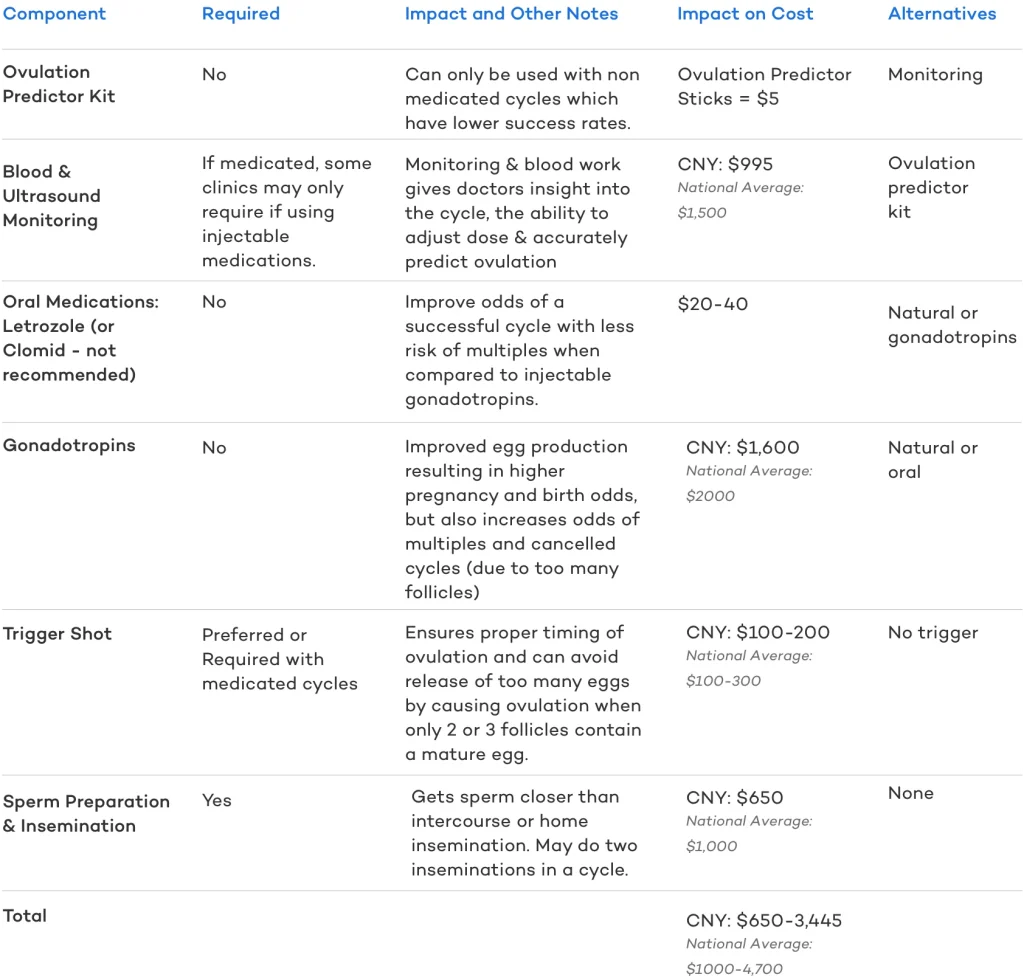
    Cost breakdown for IUI components, including requirements, impacts, and alternatives.

    The Ethics of Sperm Donation: Examining Sperm Banks vs Known Donors

    However, using a known donor also has its ethical concerns. Unlike sperm banks, known donors do not have the same level of anonymity, which can lead to legal and emotional complications. In some cases, known donors may want to have a more significant role in the child’s life, which can cause conflicts with the intended parents. This can also create potential issues with custody and parental rights.

    Another ethical concern with known donors is the lack of regulation and oversight. Unlike sperm banks, there are no strict guidelines or protocols in place for known donors, which can put the child’s health and well-being at risk. Without proper medical and genetic screenings, there is a higher chance of inherited diseases or genetic disorders being passed on to the child.

    The Importance of Informed Consent:

    One of the key ethical principles in sperm donation, regardless of the method used, is informed consent. It is crucial for all parties involved to fully understand the process, potential risks and benefits, and any legal implications before proceeding with sperm donation.

    In the case of sperm banks, donors must provide written consent and undergo counseling to ensure they fully understand the potential consequences of their donation. Recipients must also give informed consent and understand the legal implications of using donor sperm.

    With known donors, informed consent becomes even more critical. Since there is no third-party involvement, it is essential for all parties to have open and honest communication about their expectations and boundaries. This includes discussing potential involvement in the child’s life, legal rights and responsibilities, and any potential risks or concerns.

    Conclusion:

    In conclusion, the ethics of sperm donation is a complex and multifaceted issue. Both sperm banks and known donors have their advantages and disadvantages, and it ultimately comes down to personal preferences and circumstances. However, it is crucial for all parties involved to carefully consider the ethical concerns and ensure that informed consent is obtained before proceeding with sperm donation.

    The process of sperm donation should not be taken lightly, as it has a significant impact on the lives of all individuals involved, especially the child. As society continues to evolve and technology advances, it is essential to continue having open discussions and critical examinations of the ethics surrounding sperm donation.

    Summary:

    Sperm donation is a process in which a man donates his sperm to help someone else conceive a child. It can be done through sperm banks or known donors, each with its own set of ethical concerns. Sperm banks offer anonymity and rigorous screening but raise questions about the child’s right to know their biological father’s identity. Known donors allow for a relationship with the donor but lack regulations and oversight, posing potential legal and health risks. Informed consent is crucial in both methods, and it is essential to carefully consider the ethical concerns before proceeding with sperm donation.

  • Exploring the Ethics: Intrauterine Insemination vs In Vitro Fertilization

    Blog Post Title: Exploring the Ethics: Intrauterine Insemination vs In Vitro Fertilization

    Introduction:
    In today’s world, there are many different options available for couples who are struggling with infertility. Two common methods are Intrauterine Insemination (IUI) and In Vitro Fertilization (IVF). Both of these procedures involve assisted reproductive technology and have been successful in helping couples conceive. However, along with the medical and scientific advancements, there are also ethical considerations that come into play when it comes to these methods of conception. In this blog post, we will explore the ethics behind IUI and IVF, and how they differ from each other.

    Definition and Process of IUI:
    Intrauterine Insemination, also known as artificial insemination, involves placing washed sperm directly into a woman’s uterus during her ovulation period. This process is typically used when a couple is having difficulty conceiving due to issues with sperm quality or quantity. The sperm is collected from the male partner or a donor, washed and prepared before being inserted into the uterus. This procedure is relatively simple and can be done in a doctor’s office without the need for anesthesia.

    Definition and Process of IVF:
    In Vitro Fertilization, on the other hand, is a more complex procedure that involves fertilizing an egg with sperm in a laboratory setting. The process starts with the female partner undergoing hormonal injections to stimulate the ovaries to produce multiple eggs. Once the eggs are mature, they are retrieved from the ovaries and combined with sperm in a petri dish. After fertilization, the embryo is then transferred back into the woman’s uterus, where it can hopefully implant and result in a pregnancy. IVF is often used when there are issues with the woman’s fallopian tubes, or when other fertility treatments have not been successful.

    The Ethical Considerations of IUI:
    One of the main ethical concerns with IUI is the potential for multiple pregnancies. Since the procedure involves placing washed sperm directly into the uterus, there is a higher chance of multiple eggs being fertilized and resulting in a multiple pregnancy. While some couples may see this as a blessing, it can also lead to high-risk pregnancies and complications for both the mother and the babies. Additionally, there is the issue of donor sperm and the ethical implications that come with choosing a donor. Some may argue that using donor sperm goes against traditional views of conception and raises questions about the child’s identity and genetic heritage.

    Illustration of the uterus with a syringe, depicting the intrauterine insemination procedure.

    Exploring the Ethics: Intrauterine Insemination vs In Vitro Fertilization

    The Ethical Considerations of IVF:
    IVF also raises ethical concerns, particularly with the use of donor eggs or sperm. In this case, the child may not have a genetic connection to one or both of their parents, which can raise questions about identity and family dynamics. There are also concerns about the potential for unused embryos, as not all embryos that are created during the IVF process are transferred back into the uterus. Some may be discarded, while others may be kept frozen for future use. This raises ethical questions about the value and status of these embryos and what should be done with them.

    Another ethical consideration with IVF is the cost. This procedure can be expensive, and not all couples can afford it. This creates a divide between those who have the financial means to pursue IVF and those who do not, which can lead to feelings of injustice and inequality.

    The Role of Religion:
    Religion also plays a significant role in the ethical considerations of both IUI and IVF. Some religious beliefs view these methods of assisted reproduction as interfering with the natural process of conception and therefore, go against their beliefs. This can create a moral dilemma for couples who are struggling with infertility and are seeking treatment. They may feel conflicted between their desire to have a child and their religious beliefs.

    The Importance of Informed Consent:
    One crucial factor that applies to both IUI and IVF is the importance of informed consent. Both procedures involve complex medical and ethical considerations, and it is crucial for couples to fully understand the risks, benefits, and potential outcomes before making a decision. It is the responsibility of the medical professionals to provide thorough and accurate information and for the couple to ask questions and make an informed decision based on their values and beliefs.

    Conclusion:
    In conclusion, both IUI and IVF are effective methods of assisted reproduction, but they come with their own set of ethical considerations. Whether it is the potential for multiple pregnancies, the use of donor sperm or eggs, the cost, or religious beliefs, couples must carefully consider these factors before deciding on a course of action. It is also essential for medical professionals to follow ethical guidelines and provide informed consent to ensure that couples are fully aware of the implications of these procedures.

    Summary:
    Intrauterine Insemination (IUI) and In Vitro Fertilization (IVF) are two common methods of assisted reproduction that have helped many couples conceive. However, along with the medical and scientific advancements, there are also ethical considerations that come into play when it comes to these methods of conception. Some of the ethical concerns include the potential for multiple pregnancies, the use of donor sperm or eggs, the cost, and religious beliefs. Both procedures also require informed consent to ensure that couples are fully aware of the implications and can make an informed decision based on their values and beliefs.