The Ethics of Using Frozen Donor Sperm vs Fresh Donor Sperm: A Comprehensive Comparison
In recent years, the use of assisted reproductive technology (ART) has become increasingly popular as more and more people struggle with infertility. One of the options available to those seeking to conceive through ART is the use of donor sperm. However, within this option, there is the decision of whether to use frozen donor sperm or fresh donor sperm. While both options have their pros and cons, the ethical implications of using one over the other must be carefully considered. In this blog post, we will explore the ethics of using frozen donor sperm versus fresh donor sperm and help you understand the factors to consider when making this important decision.
The Process of Using Donor Sperm
Before delving into the ethics of using frozen and fresh donor sperm, it is important to understand the process of using donor sperm. Donor sperm is typically used in cases where the intended parent(s) are unable to conceive using their own sperm, either due to infertility or other medical reasons. Donor sperm can be obtained from a sperm bank or through a known donor, who is usually a friend or family member. Once the sperm is obtained, it is then used through various ART procedures such as intrauterine insemination (IUI) or in vitro fertilization (IVF).
The Ethics of Using Frozen Donor Sperm
Frozen donor sperm is sperm that has been cryopreserved (frozen) and stored in a sperm bank for future use. There are several ethical considerations when it comes to using frozen donor sperm. One of the main concerns is the potential lack of informed consent from the donor. In many cases, donors are anonymous and may not have been fully informed about the potential consequences of their donation, such as the number of offspring that may result from their sperm being used. This raises ethical concerns about the rights of the child to know their biological origins and the potential psychological impact of not having access to this information.
Another ethical concern with using frozen donor sperm is the possibility of genetic defects or diseases being passed down to offspring. While sperm banks do conduct screenings and tests on donors, there is still a small risk of genetic issues being present in the sperm. This raises questions about the responsibility of sperm banks to thoroughly screen and inform potential recipients of any potential risks.
Additionally, there is the issue of commodification of human sperm. Donor sperm is often seen as a product to be bought and sold, raising concerns about the exploitation of donors and the potential for the creation of a market for human genetic material.
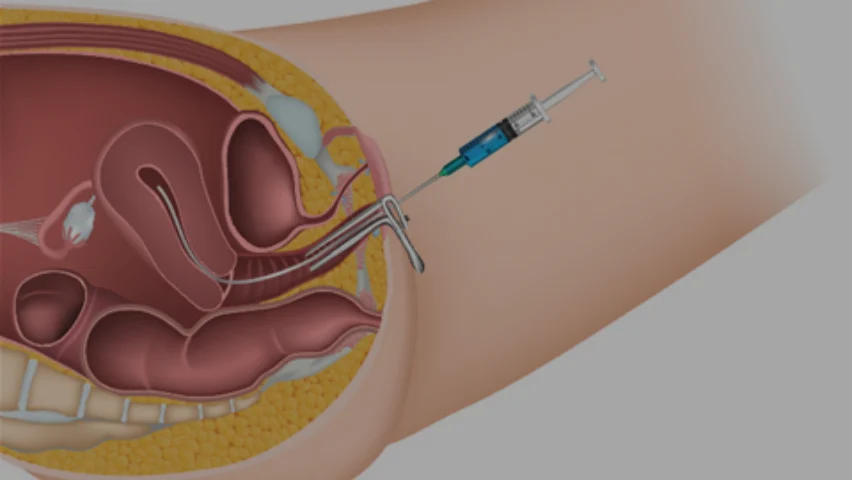
The Ethics of Using Frozen Donor Sperm vs Fresh Donor Sperm
The Ethics of Using Fresh Donor Sperm
Fresh donor sperm, on the other hand, is sperm that is donated and used immediately without being frozen and stored. One of the main advantages of using fresh donor sperm is the ability to have a known donor, such as a friend or family member. This can provide a sense of genetic connection and may be more appealing to some individuals or couples. However, this can also raise ethical concerns, such as the potential for coercion or pressure on the donor to donate.
Another ethical consideration when using fresh donor sperm is the potential lack of legal protections for both the donor and the recipient. In cases where the donor is known, there may not be a legally binding agreement in place, leaving both parties vulnerable to potential legal disputes in the future.
The Importance of Informed Consent
Regardless of whether frozen or fresh donor sperm is used, informed consent is crucial in ensuring the ethical use of donor sperm. Both donors and recipients must be fully informed about the potential risks and consequences of using donor sperm, including the possibility of genetic diseases, legal implications, and the right of the child to know their biological origins. It is the responsibility of sperm banks and healthcare professionals to provide this information and obtain informed consent from all parties involved.
Final Thoughts
In conclusion, the use of donor sperm, whether frozen or fresh, has ethical implications that must be carefully considered. While both options have their advantages and disadvantages, it is important to prioritize the well-being and rights of all parties involved, including the donor, recipient, and potential child. Informed consent, thorough screening and testing, and responsible use of donor sperm are crucial in ensuring the ethical use of this technology.
Summary:
The use of donor sperm is a popular option for those struggling with infertility, but the decision of whether to use frozen or fresh donor sperm has ethical implications that must be carefully considered. Using frozen donor sperm raises concerns about informed consent, genetic risks, and commodification. On the other hand, using fresh donor sperm can involve known donors and provide a sense of genetic connection, but also raises concerns about coercion and legal protections. Informed consent and responsible use of donor sperm are crucial in ensuring the ethical use of this technology.