Tag: Communication

  • The Role of Communication in Home Insemination and IVF for Same-Sex Couples

    Blog Post:

    In recent years, there has been a significant increase in the number of same-sex couples who are seeking to start a family through alternative methods such as home insemination and in vitro fertilization (IVF). However, these options can come with their own set of challenges and obstacles, particularly when it comes to communication between partners. In this blog post, we will explore the role of communication in home insemination and IVF for same-sex couples and discuss why open and effective communication is crucial for the success of these processes.

    Home insemination and IVF can be complex and emotionally charged processes, and it is important for couples to have a strong foundation of communication before embarking on this journey. This is especially true for same-sex couples, who may face additional hurdles such as legal barriers and societal stigma. Effective communication not only helps couples navigate these challenges, but it also strengthens their bond and increases their chances of success.

    The first step in any home insemination or IVF process is to have a thorough and honest conversation with your partner. This means discussing your individual desires, expectations, and concerns. It is essential to establish a shared understanding of why you want to have a child and what your goals are for the process. This will help you to stay on the same page throughout the journey and avoid any misunderstandings or conflicts.

    Moreover, communication is crucial when it comes to selecting a sperm donor. Same-sex couples may have different opinions and preferences when it comes to choosing a donor, and it is important to have open and respectful discussions about this. It is essential to consider factors such as genetic history, physical characteristics, and personality traits, and to come to a mutual decision that both partners are comfortable with.

    Another important aspect of communication in home insemination and IVF is setting boundaries and establishing roles. It is vital for couples to discuss and agree upon the level of involvement each partner will have in the process. This could include things like who will carry the pregnancy, who will be present during the insemination or IVF procedures, and who will be responsible for certain tasks such as tracking ovulation and administering medication. Clear communication and understanding of these roles can help alleviate any potential tension or misunderstandings during this time.
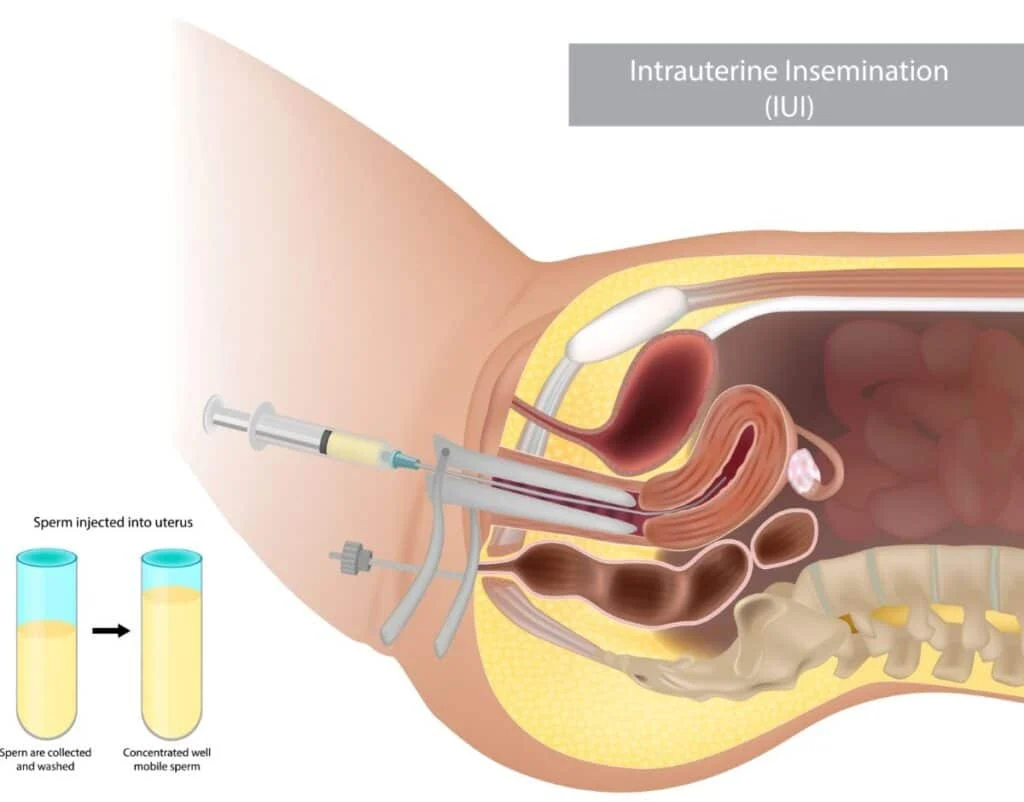
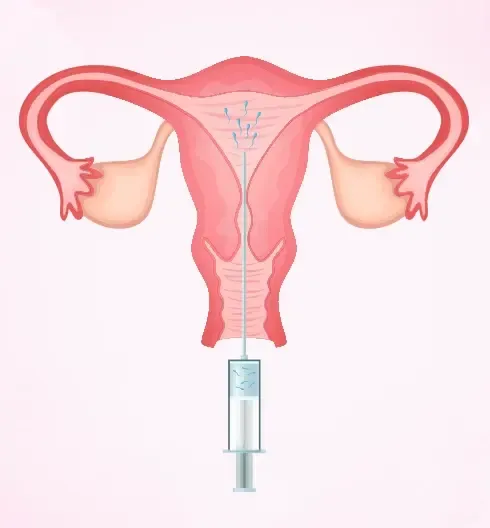
    Diagram illustrating intrauterine insemination (IUI) procedure with sperm injection into the uterus.

    The Role of Communication in Home Insemination and IVF for Same-Sex Couples

    Additionally, same-sex couples may face unique challenges and stressors during the home insemination or IVF process, such as legal barriers or discrimination from healthcare providers. In these situations, communication becomes even more crucial. Couples must be able to openly and honestly express their feelings, fears, and concerns to each other. This can help to provide emotional support and strengthen the bond between partners.

    Moreover, it is important for same-sex couples to communicate openly with their healthcare providers. This includes finding a doctor or fertility specialist who is experienced and knowledgeable about working with same-sex couples. It is also essential to have open and honest discussions with them about your family-building goals and any concerns you may have. This can help to ensure that you receive the best possible care and support throughout the process.

    In addition to communication between partners and healthcare providers, it is also vital for same-sex couples to have a strong support system in place. This could include friends, family members, or even online communities of other same-sex couples going through similar experiences. Having a support system can provide a safe space for couples to express their feelings and seek advice and guidance from others who understand their journey.

    Furthermore, communication plays a crucial role in the success of home insemination and IVF. For example, in home insemination, couples must carefully track ovulation and follow specific instructions for the insemination process. This requires open and effective communication between partners and the ability to work together as a team. Similarly, in IVF, couples must communicate and follow the doctor’s instructions for medication and procedures to maximize the chances of success.

    In conclusion, communication is essential in home insemination and IVF for same-sex couples. It helps to establish a strong foundation, navigate challenges, set boundaries, and provide emotional support throughout the process. Effective communication can also increase the chances of success and strengthen the bond between partners. As same-sex couples continue to expand their families through alternative methods, open and honest communication will continue to play a vital role in their journey.

    Summary:

    Same-sex couples who are seeking to start a family through home insemination and IVF face unique challenges and obstacles. Effective communication between partners is crucial in establishing a strong foundation, navigating challenges, setting boundaries, and providing emotional support throughout the process. It is important for couples to have open and honest discussions about their desires, expectations, and concerns, as well as to communicate with their healthcare providers and have a strong support system in place. Communication also plays a vital role in the success of home insemination and IVF, as it requires working together as a team and following instructions carefully. In conclusion, open and effective communication is essential for the success of home insemination and IVF for same-sex couples.
  • The Emotional Rollercoaster of Fertility Treatment: Coping Strategies

    Title: The Emotional Rollercoaster of Fertility Treatment: Coping Strategies

    Fertility treatment is often a long and difficult journey for couples who are struggling to conceive. It can bring a rollercoaster of emotions, from hope and excitement to disappointment and sadness. The physical and emotional toll of fertility treatment can be overwhelming, leaving couples feeling drained and exhausted. In this blog post, we will explore the emotional rollercoaster of fertility treatment and provide some coping strategies to help couples navigate this challenging journey.

    The Emotional Impact of Fertility Treatment:

    The journey of fertility treatment is often filled with a mix of emotions. For couples who have been trying to conceive for a long time, the news of infertility can be devastating. It can bring feelings of failure, inadequacy, and even guilt. The thought of not being able to have a child of their own can be heartbreaking for many couples.

    As couples begin fertility treatment, there is a sense of hope and excitement. They believe that this is the solution to their fertility struggles and that they will soon have a baby of their own. However, as the treatment progresses, there can also be feelings of anxiety and fear. The fear of failure, the fear of the unknown, and the fear of the financial burden can all add to the emotional rollercoaster.

    The constant ups and downs of emotions can take a toll on the mental health of couples. Many may experience depression, anxiety, and even anger throughout the process. It is important for couples to acknowledge and address these emotions in a healthy way to avoid feeling overwhelmed and burnt out.

    Coping Strategies for the Emotional Rollercoaster:

    1. Seek Support: Going through fertility treatment can feel isolating, but it is important to remember that you are not alone. Reach out to friends and family for support, or join a support group for couples going through similar experiences. Talking to others who understand what you are going through can provide a sense of comfort and validation.

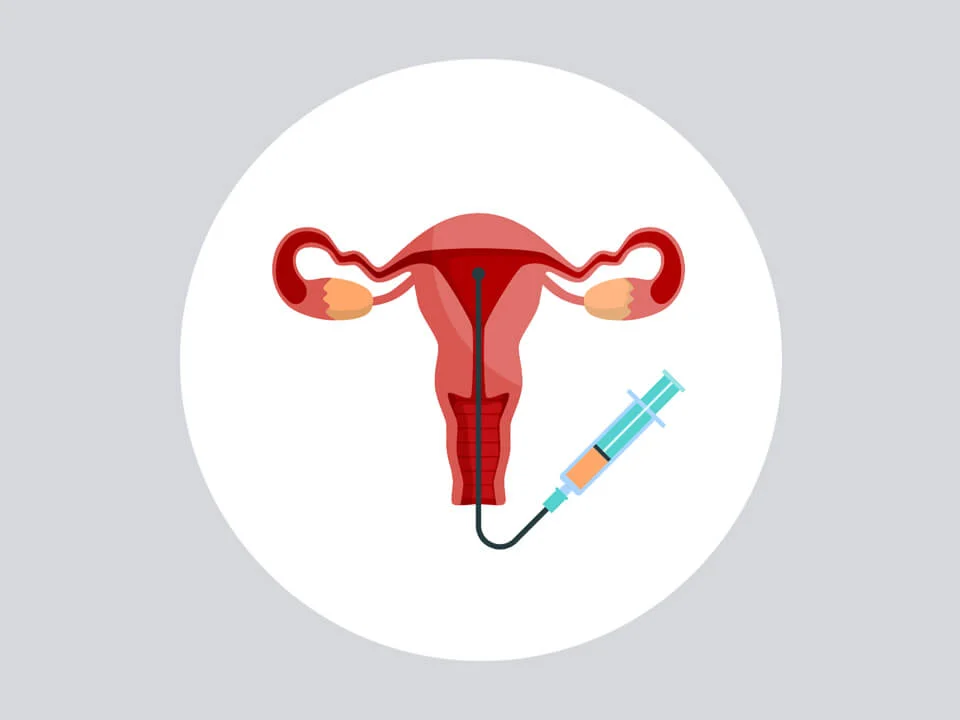
    Illustration of a uterus with a syringe indicating an intrauterine insemination procedure.

    The Emotional Rollercoaster of Fertility Treatment: Coping Strategies

    2. Communicate with your Partner: It is crucial to maintain open and honest communication with your partner throughout the fertility treatment process. Share your feelings, fears, and hopes with each other. This will not only help strengthen your relationship but also provide a sense of understanding and support.

    3. Take Care of Yourself: It is easy to neglect self-care while going through fertility treatment, but it is crucial to prioritize your physical and emotional well-being. Make time for activities that bring you joy and relaxation, such as exercise, meditation, or spending time with loved ones. Taking care of yourself will help you cope with the emotional toll of fertility treatment.

    4. Educate Yourself: Knowledge is power, and educating yourself about the different stages of fertility treatment can help you feel more prepared and in control. Attend support groups, read books, or talk to your doctor to learn more about the process and what to expect. This can help alleviate some of the fear and anxiety you may be feeling.

    5. Practice Mindfulness: Mindfulness techniques, such as deep breathing or meditation, can help you stay present and calm during the emotional rollercoaster of fertility treatment. These practices can also help reduce stress and anxiety, allowing you to cope better with the ups and downs of the journey.

    6. Seek Professional Help: If you are struggling to cope with the emotional toll of fertility treatment, do not hesitate to seek professional help. A therapist or counselor can provide you with the support and guidance you need to navigate this challenging journey.

    Final Thoughts:

    Fertility treatment is a difficult and emotional journey, but it is important to remember that it is worth it in the end. While there will be ups and downs, it is crucial to find healthy ways to cope with the emotional rollercoaster. With the right support and coping strategies, couples can navigate through this challenging time and come out stronger on the other side.

    In summary, fertility treatment can bring a rollercoaster of emotions, from hope and excitement to disappointment and sadness. The constant ups and downs can take a toll on the mental health of couples, but there are coping strategies that can help. Seeking support, communicating with your partner, taking care of yourself, educating yourself, practicing mindfulness, and seeking professional help are all ways to cope with the emotional toll of fertility treatment. By acknowledging and addressing these emotions, couples can navigate through this journey and come out stronger on the other side.

  • Fertility and Mental Health: The Connection and How to Improve Both

    Blog Post:

    Fertility and mental health are two crucial aspects of overall well-being, yet they are often overlooked and not given the attention they deserve. In recent years, there has been increasing awareness about the connection between fertility and mental health, highlighting the importance of addressing both issues together. This blog post will explore the link between fertility and mental health, the impact of mental health on fertility, and how to improve and support both for better overall health and happiness.

    The Connection Between Fertility and Mental Health

    Fertility and mental health are intertwined in a complex relationship. Research has shown that individuals struggling with fertility issues are more likely to experience mental health problems such as anxiety, depression, and stress. On the other hand, individuals with pre-existing mental health conditions may also face challenges with fertility.

    One possible explanation for this connection is the impact of stress on reproductive hormones. When a person experiences chronic stress, their body produces high levels of the stress hormone cortisol, which can disrupt the balance of reproductive hormones and affect fertility. Additionally, stress can also lead to unhealthy coping mechanisms such as smoking, alcohol consumption, and poor diet, all of which can impact fertility.

    Moreover, the emotional toll of fertility struggles can also take a toll on mental health. The constant disappointment, uncertainty, and financial burden can lead to feelings of hopelessness, guilt, and low self-esteem. This can lead to a vicious cycle of negative thoughts and emotions, further impacting fertility.

    The Impact of Mental Health on Fertility

    As mentioned earlier, mental health can have a significant impact on fertility. Studies have shown that women with depression and anxiety are more likely to have irregular menstrual cycles and longer time to conceive. Similarly, men with mental health issues may experience lower sperm quality and quantity.

    Additionally, certain mental health conditions can also affect fertility treatments. For example, individuals with eating disorders may have irregular or absent menstrual cycles, making it difficult to track ovulation and time fertility treatments. Similarly, individuals with substance abuse disorders may have difficulty following through with fertility treatments and may have lower success rates.

    Illustration of a uterus with a syringe, representing intrauterine insemination (IUI) procedure.

    Fertility and Mental Health: The Connection and How to Improve Both

    Improving Mental Health for Better Fertility

    The first step in improving fertility and mental health is seeking help and support. It is essential to recognize the signs and symptoms of mental health issues and seek professional help when needed. A therapist can help individuals cope with the emotional toll of fertility struggles and develop healthy coping mechanisms. Additionally, couples struggling with fertility can also benefit from couples therapy to improve communication and support each other through the process.

    In addition to seeking professional help, there are also several self-care practices that can improve mental health and, in turn, fertility. These include regular exercise, a healthy diet, and stress management techniques such as meditation, yoga, or journaling. It is also crucial to maintain a strong support system of friends and family who can provide emotional support and understanding.

    Supporting Fertility for Better Mental Health

    On the other hand, supporting fertility can also have a positive impact on mental health. The journey of trying to conceive can be emotionally and physically draining, so it is crucial to prioritize self-care and take breaks when needed. Taking time to rest and recharge can help reduce stress and improve overall well-being.

    Additionally, it is crucial to have open and honest communication with your partner throughout the fertility process. This can help alleviate feelings of isolation and strengthen the relationship. Seeking support from others who have gone through similar experiences, whether through support groups or online communities, can also provide comfort and understanding.

    Conclusion

    Fertility and mental health are two important aspects of overall health that are deeply connected. Struggling with fertility can take a toll on mental health, and pre-existing mental health conditions can impact fertility. Therefore, it is crucial to address both issues together and seek support when needed. By prioritizing self-care, seeking professional help, and maintaining open communication, it is possible to improve both fertility and mental health for a happier and healthier life.

    Summary:

    Fertility and mental health are closely linked, with individuals struggling with fertility issues being more likely to experience mental health problems, and those with pre-existing mental health conditions having challenges with fertility. This connection can be attributed to the impact of stress on reproductive hormones and the emotional toll of fertility struggles. Mental health can also affect fertility, with conditions such as depression and anxiety impacting the ability to conceive and complete fertility treatments. To improve both fertility and mental health, it is essential to seek support, practice self-care, and maintain open communication with partners and loved ones.

  • The Importance of Communication in Sperm Banks vs Known Donors

    Blog Post: The Importance of Communication in Sperm Banks vs Known Donors

    When it comes to starting a family, many couples struggle with infertility or other medical issues that prevent them from conceiving naturally. As a result, they turn to alternative methods such as sperm donation to help them achieve their dream of having a child. However, the process of sperm donation can be complex, and one of the key factors that can greatly impact the outcome is communication.

    In this blog post, we will explore the importance of communication in two different scenarios: sperm banks and known donors. We will discuss the different types of communication involved, how it can affect the donor-conceived child, and the role it plays in the relationship between the donor and the recipient.

    Sperm Banks: The Importance of Clear Communication

    Sperm banks are often the first choice for couples or individuals seeking a sperm donor. These banks have strict guidelines and protocols in place to ensure the health and safety of both the donor and the recipient. However, one of the most critical aspects of sperm donation in a bank setting is communication.

    Clear and open communication is essential between the donor and the sperm bank. The donor must provide accurate and up-to-date medical information, which is then shared with the recipient. This information includes details about the donor’s family medical history, lifestyle habits, and any genetic conditions. It is crucial for the recipient to have this information to make an informed decision about the donor’s suitability.

    Moreover, communication is also vital between the sperm bank and the recipient. The bank must inform the recipient about the donor’s physical characteristics, such as height, weight, and hair and eye color, which can play a role in the child’s appearance. The recipient also has the right to know about the donor’s educational background, profession, and interests, which can help them understand the potential influence of the donor on their child’s life.

    The Impact on the Donor-Conceived Child

    The lack of communication in sperm banks can have a significant impact on the donor-conceived child. Without accurate and transparent information, the child may feel a sense of confusion and loss of identity. They may also have unanswered questions about their genetic background and medical history, which can be crucial for their health.

    Furthermore, the absence of communication can lead to feelings of resentment and anger towards the donor and the parents who chose them. It can also affect the child’s relationship with their family, as they may struggle with the idea of not having a genetic connection with one of their parents.

    Illustration of IUI procedure with uterus and syringe against a DNA background.

    The Importance of Communication in Sperm Banks vs Known Donors

    Known Donors: The Importance of Open Communication

    Known donors, on the other hand, are individuals who are personally known to the recipient, such as a friend or family member. The process of sperm donation in this scenario is less formal compared to sperm banks, and the level of communication may vary. However, it is still crucial to have open and honest communication between all parties involved.

    Unlike sperm banks, known donors have a more significant impact on the child’s life, as they are not just a genetic contributor but also a potential presence in the child’s upbringing. Therefore, it is essential for the donor and the recipient to have clear communication about their expectations and boundaries regarding the donor’s involvement in the child’s life.

    Moreover, known donors must also provide accurate medical information and undergo the necessary medical tests to ensure the health and well-being of the child. This information should also be shared with the recipient, who can then make an informed decision about using the donor’s sperm.

    The Role of Communication in the Donor-Recipient Relationship

    In both sperm banks and known donors, communication plays a significant role in the relationship between the donor and the recipient. In sperm banks, the donor and the recipient may not have any direct contact, but their communication through the bank is crucial in building trust and understanding between them.

    In the case of known donors, communication is vital in maintaining a healthy and positive relationship between the donor and the recipient. It is also essential for the donor to respect the recipient’s boundaries and understand their role in the child’s life.

    In either scenario, it is crucial for the donor and the recipient to discuss the legal aspects of sperm donation and have a written agreement in place to protect both parties. This agreement should also include the level of communication between the donor and the child, especially when the child reaches a certain age.

    Conclusion

    In conclusion, communication is a crucial element in sperm donation, whether through sperm banks or known donors. It is essential for the health and well-being of the donor-conceived child and plays a significant role in the relationship between the donor and the recipient. Clear and open communication can help build trust, understanding, and respect between all parties involved, leading to a more positive and satisfying experience for everyone.

    SEO Metadata:

  • The Emotional Journey: Intrauterine Insemination vs In Vitro Fertilization

    The Emotional Journey: Intrauterine Insemination vs In Vitro Fertilization

    For many couples struggling with infertility, the journey to starting a family can be an emotional rollercoaster. The process of trying to conceive can be filled with hope, disappointment, and uncertainty. In cases where traditional methods of conception are not working, many couples turn to assisted reproductive technologies (ART) such as intrauterine insemination (IUI) and in vitro fertilization (IVF). Both IUI and IVF are popular options for couples who are having difficulty conceiving, but they have distinct differences in terms of process, success rates, and emotional impact. In this blog post, we will explore the emotional journey of IUI versus IVF and provide insights for couples who are considering these options.

    Understanding IUI and IVF

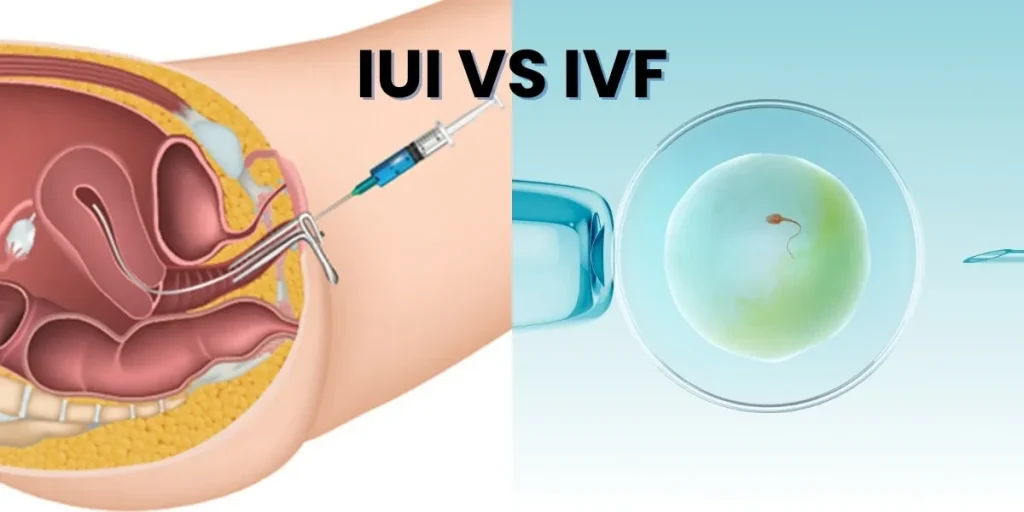
    Intrauterine insemination, also known as artificial insemination, is a relatively simple and non-invasive procedure where sperm is placed directly into the uterus during a woman’s ovulation period. This increases the chances of fertilization by bringing the sperm closer to the egg. IUI is often recommended for couples with unexplained infertility, minor sperm abnormalities, or when the male partner has difficulty with ejaculation.

    On the other hand, in vitro fertilization involves a more complex process. It begins with a woman undergoing hormonal stimulation to produce multiple eggs, which are then retrieved and fertilized with sperm in a laboratory. The resulting embryos are then transferred into the woman’s uterus, with the hopes of implantation and successful pregnancy. IVF is typically recommended for couples with more significant fertility issues, such as blocked fallopian tubes, severe male factor infertility, or advanced maternal age.

    The Emotional Impact of IUI

    For many couples, IUI can be a hopeful and exciting first step towards starting a family. The procedure is relatively quick and straightforward, and there is a sense of control and agency in the process. However, as with any fertility treatment, there are potential ups and downs that can affect a couple’s emotional state.

    The initial stages of IUI, such as monitoring ovulation and taking fertility drugs, can bring hope and anticipation. However, during the actual procedure, there can be feelings of discomfort and vulnerability. Many couples also experience anxiety and stress during the two-week wait, the time between the IUI and finding out if it was successful. This waiting period can be mentally and emotionally taxing, as couples often analyze every symptom and worry about the outcome.

    If the IUI is unsuccessful, there can be a sense of disappointment, and for some, a feeling of failure. This can be particularly challenging for couples who have invested time, money, and emotional energy into the process. It is essential for couples to communicate openly and seek support from each other and their healthcare team during this time.

    The Emotional Impact of IVF

    IVF involves a more invasive and intensive process, and the emotional impact can be more significant compared to IUI. The physical and emotional toll of hormonal stimulation, egg retrieval, and embryo transfer can be exhausting and overwhelming. The uncertainty of the outcome and the financial strain of IVF can also add to the emotional stress.

    comparison of IUI and IVF fertility treatments with illustrations of procedures and a petri dish with an egg and sperm

    The Emotional Journey: Intrauterine Insemination vs In Vitro Fertilization

    The emotional journey of IVF often starts with excitement and hope, as couples prepare for the procedure and anticipate the possibility of a successful pregnancy. However, as the process goes on, there can be feelings of isolation, frustration, and disappointment. The physical discomfort and side effects of the hormones can also take a toll on a woman’s emotional well-being.

    The two-week wait after the embryo transfer can be filled with anxiety and fear of the unknown. Many couples struggle with the idea of putting all their hopes and dreams into this one chance, and the fear of a negative result can be overwhelming. If the IVF cycle is unsuccessful, there can be a deep sense of grief and loss. Couples may feel a sense of emptiness and struggle to come to terms with the outcome.

    Coping Strategies for the Emotional Journey

    No matter which fertility treatment a couple chooses, the emotional journey can be challenging. It is essential to have coping strategies in place to help navigate the ups and downs of the process. Here are some tips for managing the emotional impact of IUI and IVF:

    1. Communicate openly and honestly with your partner. It is essential to have open and honest communication throughout the process. Share your feelings, fears, and thoughts with each other to help support one another.

    2. Seek support from friends, family, or a support group. It can be helpful to talk to others who have gone through or are going through a similar experience. A support group can provide a safe space to share and receive support from others who understand.

    3. Take care of your emotional well-being. It is crucial to prioritize self-care during this time. Practice stress-relieving activities such as meditation, yoga, or journaling. Seek counseling or therapy if needed.

    4. Educate yourself about the process. Having a better understanding of the procedures, success rates, and potential challenges can help alleviate some of the anxiety and fear.

    5. Set realistic expectations. It is essential to acknowledge that fertility treatments do not have a 100% success rate. Setting realistic expectations can help manage disappointment and reduce the emotional impact of a negative outcome.

    Summary

    The emotional journey of IUI and IVF can be a challenging and emotional experience for couples struggling with infertility. While both procedures have their unique emotional impacts, it is important for couples to communicate openly, seek support, practice self-care, and set realistic expectations. With the right mindset and coping strategies in place, couples can navigate the emotional ups and downs of fertility treatments and come out stronger together.

  • Exploring the Emotional Bond in Traditional and Gestational Surrogacy

    Exploring the Emotional Bond in Traditional and Gestational Surrogacy

    Surrogacy is a method of assisted reproduction in which a woman carries and gives birth to a baby for another couple or individual. There are two types of surrogacy – traditional surrogacy and gestational surrogacy. In traditional surrogacy, the surrogate mother is the biological mother of the child as her own egg is used in the process. On the other hand, gestational surrogacy involves the use of IVF technology, where the embryo is created using the intended parents’ egg and sperm, or through the use of a donor egg or sperm. While both types of surrogacy can help people achieve their dream of having a child, they also involve unique emotional bonds between the surrogate and the intended parents. In this blog post, we will explore the emotional bond in traditional and gestational surrogacy and how it affects all parties involved.

    Traditional Surrogacy and Emotional Bond

    In traditional surrogacy, the surrogate mother is genetically related to the child she carries. This can create a strong emotional bond between the surrogate and the child, as well as the intended parents. The traditional surrogacy process involves artificial insemination, where the surrogate mother’s egg is fertilized with the intended father’s sperm. This intimate involvement in the conception of the child can lead to a deep connection between the surrogate and the child, similar to that of a biological mother and child.

    The emotional bond in traditional surrogacy can also be strengthened by the surrogate’s physical and emotional connection to the pregnancy. As the child grows inside her, the surrogate may feel a strong sense of responsibility and love for the baby. This can result in a unique and special bond between the surrogate and the child, making the idea of giving the baby to the intended parents after birth a difficult decision.

    On the other hand, the intended parents may also develop a strong emotional bond with the surrogate mother. They may feel immense gratitude and appreciation towards her for carrying their child, and may also view her as an important part of their family. This bond can be further strengthened through regular communication and involvement in the pregnancy, such as attending doctor’s appointments and ultrasounds.

    Gestational Surrogacy and Emotional Bond

    In gestational surrogacy, the surrogate mother has no genetic connection to the child as the embryo is created using the intended parents’ egg and sperm or through the use of a donor. This can make it easier for the surrogate to separate herself emotionally from the pregnancy and the child. However, this does not mean that there is no emotional bond between the surrogate and the child.

    The gestational surrogacy process involves a detailed legal agreement between the surrogate and the intended parents, outlining the expectations and responsibilities of both parties. This can help establish boundaries and clarify the emotional connection between the surrogate and the child. However, it is not uncommon for the surrogate to feel some emotional attachment to the baby she carries, especially if she has been involved in the pregnancy for a long time.

    The intended parents in gestational surrogacy may also develop a strong emotional bond with the surrogate mother. They may see her as a selfless and generous woman who is helping them fulfill their dream of having a child. The intended parents may also feel a sense of responsibility towards the surrogate, as she is carrying their child and taking care of herself for the sake of their baby.

    Illustration of a uterus with a syringe indicating an intrauterine insemination procedure.

    Exploring the Emotional Bond in Traditional and Gestational Surrogacy

    The Role of Communication in Building Emotional Bonds

    In both types of surrogacy, communication plays a crucial role in building and maintaining the emotional bond between all parties involved. Open and honest communication between the surrogate and the intended parents can help establish boundaries, clarify expectations, and address any concerns or issues that may arise during the surrogacy journey.

    Regular communication between the surrogate and the intended parents can also help build a sense of trust and understanding, leading to a stronger emotional connection. This can involve sharing updates and milestones throughout the pregnancy, as well as discussing any emotional challenges or changes that may occur.

    Challenges in the Emotional Bond

    While surrogacy can bring immense joy and fulfillment to all parties involved, it is not without its challenges. The emotional bond between the surrogate and the intended parents can sometimes lead to conflicting emotions and difficult decisions. For example, the surrogate may struggle with the idea of giving up the baby she has carried for nine months, while the intended parents may experience feelings of guilt or anxiety about not being able to carry their own child.

    It is important for all parties to acknowledge and address these challenges, and seek support and guidance when needed. This can include seeking professional counseling or joining support groups specifically for surrogacy. With open communication and a strong support system, the emotional bond in surrogacy can be a positive and rewarding experience for everyone involved.

    In Conclusion

    Surrogacy is a complex and emotional journey, and the emotional bond between the surrogate and the intended parents is a crucial aspect of the process. Whether it is traditional or gestational surrogacy, the emotional bond can be a source of joy, but also bring challenges and difficult decisions. However, with open communication, trust, and support, this bond can ultimately lead to a positive and fulfilling surrogacy journey for all involved.

    Summary:

    Surrogacy involves a woman carrying and giving birth to a baby for another couple or individual. There are two types of surrogacy – traditional and gestational. In traditional surrogacy, the surrogate is genetically related to the child, leading to a strong emotional bond between the surrogate, the child, and the intended parents. In gestational surrogacy, the surrogate has no genetic connection to the child, but can still develop an emotional bond. Communication plays a crucial role in building and maintaining the emotional bond between all parties involved, but there can also be challenges and difficult decisions along the way. With open communication and support, the emotional bond in surrogacy can be a positive and fulfilling experience.

  • Egg Donation vs Egg Freezing: The Impact on Relationships

    Egg Donation vs Egg Freezing: The Impact on Relationships

    Egg donation and egg freezing are two medical procedures that have gained significant popularity in recent years. Both procedures involve the use of a woman’s eggs for fertility purposes, but they have different implications for relationships. Egg donation involves a woman donating her eggs to another person or couple who are unable to conceive on their own. Egg freezing, on the other hand, allows a woman to preserve her eggs for future use when she is ready to start a family. While both procedures have their own benefits and drawbacks, they can have a significant impact on relationships in various ways.

    In this blog post, we will explore the impact of egg donation and egg freezing on relationships. We will discuss the emotional, physical, and financial implications of these procedures and how they can affect relationships between partners, family members, and even friends. We will also delve into the societal and cultural attitudes towards egg donation and egg freezing and how they can influence relationships. By the end of this post, you will have a better understanding of the impact of these procedures on relationships and how to navigate them in your own life.

    Emotional Impact on Relationships:
    Egg donation and egg freezing both involve intense emotional processes for the individuals involved. For the donor, egg donation can bring up feelings of selflessness and altruism, but it can also bring up feelings of loss and detachment from their genetic material. These emotions can affect their relationship with their partner, as well as their family and friends. It is essential for the donor to have a supportive partner who understands and respects their decision to donate their eggs.

    On the other hand, egg freezing can also bring up a range of emotions for the woman undergoing the procedure. She may feel a sense of relief and control over her fertility, but she may also experience anxiety and pressure to use her frozen eggs in the future. This can put a strain on her relationship with her partner, who may have different plans for their future family. It is crucial for couples to have open and honest communication before and after the egg freezing process to navigate any potential conflicts.

    Physical Impact on Relationships:
    Egg donation and egg freezing are both medical procedures that can have physical implications for the individuals involved. Egg donation involves the retrieval of eggs through a minor surgical procedure, which can have physical side effects such as bloating, discomfort, and potential complications. This can affect the donor’s ability to engage in physical activities, including intimacy with their partner. It is essential for couples to discuss and plan for any potential physical changes that may occur during and after the egg donation process.

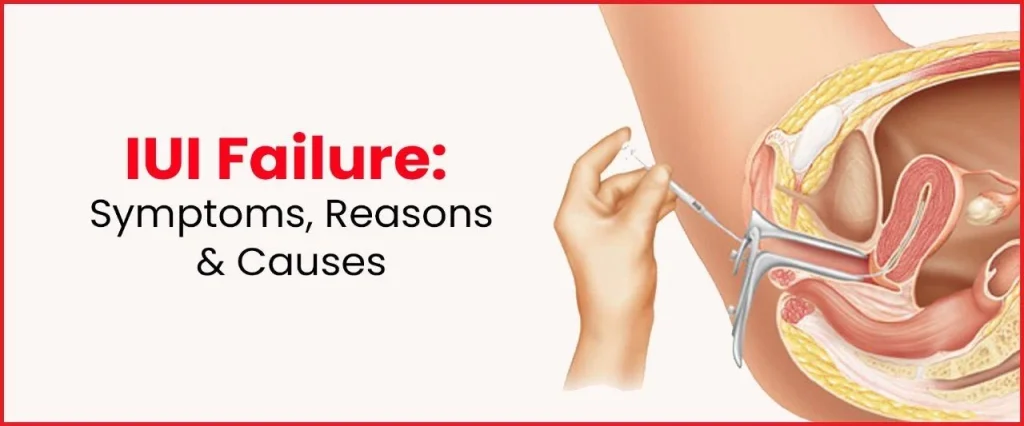
    illustration of IUI procedure with text on symptoms, reasons, and causes of IUI failure

    Egg Donation vs Egg Freezing: The Impact on Relationships

    Similarly, egg freezing also involves the retrieval of eggs through a minor surgical procedure. The hormone injections required for egg freezing can also have physical side effects, such as mood swings, nausea, and bloating. This can also impact the woman’s relationship with her partner, who may need to support and care for her during this process. It is crucial for couples to be aware of these potential physical effects and have a plan in place to manage them together.

    Financial Impact on Relationships:
    Egg donation and egg freezing are not only emotionally and physically demanding but also financially. Egg donation can be a costly process, as it involves medical procedures and medication. This can put a strain on the donor’s relationship with their partner, who may need to support them financially. On the other hand, egg freezing can also be expensive, but it can offer women the opportunity to delay starting a family until they are in a more stable financial position. This can alleviate some pressure on the couple’s relationship and allow them to focus on other financial goals.

    Societal and Cultural Attitudes:
    Egg donation and egg freezing are still relatively new procedures, and as such, there are societal and cultural attitudes towards them. Egg donation is often seen as an act of kindness and generosity, but there can also be a stigma attached to it, with some people viewing it as “selling” one’s eggs. This can affect the donor’s relationship with their partner and family, who may not understand or support their decision. Similarly, egg freezing can be viewed as delaying a woman’s biological clock, and there can be pressure from society to have children at a certain age. This can impact the woman’s relationship with her partner, who may have different expectations for their family planning.

    Navigating Relationships:
    Egg donation and egg freezing can have a significant impact on relationships, but there are ways to navigate them successfully. Open and honest communication is key, not just between the partners but also with family and friends. It is essential for couples to discuss their expectations, fears, and concerns before and during the procedure. It is also crucial to seek support from friends, family, or a therapist, if needed, to manage any emotional or physical challenges that may arise.

    In conclusion, egg donation and egg freezing can have a significant impact on relationships. From emotional and physical challenges to financial and societal pressures, these procedures can bring up a range of emotions and dynamics in relationships. It is crucial for couples to have open and honest communication, seek support when needed, and have a plan in place to navigate these challenges together. By understanding the impact of these procedures on relationships, we can better prepare ourselves and our loved ones for this journey.

    Summary:
    Egg donation and egg freezing are two medical procedures that involve the use of a woman’s eggs for fertility purposes. These procedures can have a significant impact on relationships, both emotionally and physically. They can also bring up financial and societal pressures that can affect the dynamics between partners, family, and friends. Navigating these procedures in relationships requires open communication, support, and a plan to manage any potential challenges that may arise.

  • Single Motherhood: Creating a Supportive and Loving Home

    Single motherhood is a reality for many women around the world, and it comes with its own set of challenges and struggles. However, being a single mother does not mean that a home cannot be supportive and loving. In fact, with the right mindset and support system, single mothers can create a warm and nurturing environment for their children.

    In this blog post, we will discuss the various ways in which single mothers can create a supportive and loving home for their children. From establishing routines and boundaries to seeking outside help, we will cover all the essential aspects of single motherhood.

    1. Establish a Routine
    One of the first steps in creating a supportive and loving home as a single mother is to establish a routine. Children thrive on structure and knowing what to expect, so having a set routine can bring a sense of stability and security to their lives.

    This routine can include set meal times, designated homework and study times, and a consistent bedtime. This not only helps with managing the household but also allows children to feel a sense of control and stability in their daily lives.

    2. Set Boundaries
    As a single mother, it can be tempting to want to be your child’s friend rather than their parent. However, it is crucial to set boundaries and establish yourself as the authority figure in the household.

    This means having clear rules and consequences for misbehaviour, as well as enforcing them consistently. Children need structure and discipline, and by setting boundaries, you are showing them that you care about their well-being and are invested in their growth and development.

    3. Create Quality Time
    With the responsibilities of being a single mother, it can be challenging to find time for yourself, let alone quality time with your children. However, it is essential to make an effort to have one-on-one time with each child.

    This could be as simple as reading a book together, going for a walk, or having a movie night. By creating these special moments with your children, you are not only strengthening your bond but also showing them that they are a priority in your life.

    4. Seek Support
    Being a single mother can be overwhelming, and it is essential to have a support system in place. This could include family members, friends, or other single mothers who can offer advice and a listening ear.

    Diagram illustrating intrauterine insemination (IUI) procedure with sperm injection into the uterus.

    Single Motherhood: Creating a Supportive and Loving Home

    Additionally, there are many support groups and resources available for single mothers, both online and in-person. These can provide a sense of community and understanding, which can be incredibly beneficial for single mothers.

    5. Focus on Communication
    Communication is key in any relationship, and this holds true for the relationship between a single mother and her children. Open and honest communication can help build trust and understanding between you and your children.

    Make an effort to listen to your children and validate their feelings. Encourage them to express themselves and let them know that they can come to you with any concerns or issues.

    6. Practice Self-Care
    As a single mother, it can be easy to neglect your own needs while focusing on your children. However, taking care of yourself is essential in creating a supportive and loving home.

    Make time for self-care activities, whether it’s taking a relaxing bath, going for a walk, or reading a book. By taking care of yourself, you are setting a positive example for your children and showing them the importance of self-love and self-care.

    7. Be Honest
    It is important to be honest with your children about the reality of being a single mother. This doesn’t mean burdening them with your struggles and hardships, but rather explaining to them that every family is unique and that your family may look different from others.

    Being honest with your children can help them understand and appreciate your efforts as a single mother, and it can also foster a sense of empathy and understanding towards others.

    8. Create a Positive Environment
    Lastly, it is crucial to create a positive environment in your home. This can include displaying positive affirmations, keeping the space clean and organized, and avoiding negative or toxic influences.

    A positive environment can help foster a sense of peace and happiness in your home, which can greatly benefit both you and your children.

    In conclusion, being a single mother may come with its challenges, but it does not mean that a home cannot be supportive and loving. By establishing routines and boundaries, seeking support, and prioritizing communication and self-care, single mothers can create a warm and nurturing environment for their children. Remember, every family is unique, and what matters most is the love and support within the home.

  • Navigating Relationships: Single Motherhood vs Traditional Family Planning

    Navigating Relationships: Single Motherhood vs Traditional Family Planning

    Relationships are an essential part of our lives, and the way we navigate them can greatly impact our happiness and well-being. When it comes to family planning, there are two main paths that individuals can choose: traditional family planning or single motherhood. Both options come with unique challenges and rewards, and it’s important to carefully consider which path is best for you. In this blog post, we will explore the differences between single motherhood and traditional family planning and provide tips for navigating relationships in either scenario.

    Single Motherhood

    Single motherhood is becoming increasingly common in today’s society. According to the U.S. Census Bureau, there are over 10 million single mother households in the United States. This number continues to rise as more and more women choose to become mothers without a partner.

    One of the biggest challenges of single motherhood is the financial burden. Raising a child on one income can be difficult, and many single mothers struggle to make ends meet. This can lead to added stress and anxiety, which can affect both the mother and child’s well-being.

    Another challenge of single motherhood is the lack of a partner to share the responsibilities of raising a child. Single mothers often have to juggle work, household duties, and parenting on their own. This can be overwhelming and can lead to feelings of loneliness and isolation.

    Despite these challenges, there are also many rewards to being a single mother. Many women who choose this path do so because they want to have a child and don’t want to wait for the “perfect” partner. Single mothers often have a strong support network of friends and family who help them navigate the challenges of parenthood. They also have the freedom to make all the decisions regarding their child’s upbringing without having to compromise with a partner.

    Traditional Family Planning

    Traditional family planning involves two partners who plan to have a child together. This is often seen as the “ideal” way to start a family, as it provides a stable and supportive environment for both the parents and the child.

    comparison of IUI and IVF fertility treatments with illustrations of procedures and a petri dish with an egg and sperm

    Navigating Relationships: Single Motherhood vs Traditional Family Planning

    However, traditional family planning also comes with its own set of challenges. One of the biggest challenges is the strain that a new child can put on the relationship. Raising a child requires a lot of time, energy, and resources, which can leave little room for the couple’s relationship. This can lead to feelings of neglect and resentment, which can strain the relationship.

    Another challenge of traditional family planning is the pressure to conform to societal expectations. Many couples feel the need to have a child because it is seen as the “normal” thing to do, even if they are not ready or do not really want to. This can lead to a lot of stress and unhappiness within the relationship.

    Despite these challenges, traditional family planning also has its rewards. Couples who plan to have a child together often have a strong foundation of love and commitment, which can help them weather the challenges of parenthood. They also have the advantage of having a partner to share the responsibilities of raising a child, making it less overwhelming.

    Tips for Navigating Relationships

    No matter which path you choose, navigating relationships can be challenging. However, there are some tips that can help you maintain healthy and fulfilling relationships in either scenario.

    First and foremost, communication is key. Whether you are a single mother or part of a traditional family, open and honest communication is essential for a strong and healthy relationship. This means expressing your needs, listening to your partner’s needs, and finding ways to compromise and support each other.

    It’s also important to have a strong support network. This is especially crucial for single mothers who may not have a partner to rely on. Having friends and family who can offer emotional support, help with childcare, or just lend a listening ear can make a big difference in navigating the challenges of parenthood.

    Self-care is also essential. It’s easy to get caught up in the responsibilities of raising a child and forget about your own needs. Taking time for yourself, whether it’s going for a walk, reading a book, or taking a bath, can help you recharge and be a better parent and partner.

    Lastly, it’s important to be kind to yourself. Both single mothers and couples who plan to have a child can feel overwhelmed and stressed at times. It’s important to remember that it’s okay to make mistakes and to ask for help when needed. Being kind to yourself and practicing self-compassion can help you navigate the challenges of parenthood with greater ease.

    In conclusion, whether you choose to become a single mother or plan a family with a partner, navigating relationships can be challenging. It’s important to carefully consider your options and choose the path that feels right for you. By practicing open communication, building a strong support network, taking care of yourself, and being kind to yourself, you can navigate the challenges of parenthood and maintain healthy and fulfilling relationships.

  • The Emotional Toll of Fertility: How to Cope with DIY Treatments

    Blog Post:

    Fertility struggles can be emotionally draining, leaving couples feeling isolated, hopeless, and overwhelmed. While there are various medical treatments available, they can be costly and not always successful. This has led many couples to turn to DIY treatments, which can also come with their own set of emotional challenges. In this blog post, we will explore the emotional toll of fertility and provide tips on how to cope with DIY treatments.

    The Emotional Impact of Fertility Struggles

    The desire to have a child is a natural and instinctive one for many couples. When faced with fertility struggles, it can be a devastating blow to their dreams of starting a family. The constant disappointment and uncertainty can take a toll on a couple’s mental health and relationship. Many couples may experience feelings of guilt, inadequacy, and shame, as if they are failing at something that should come naturally.

    Moreover, the fertility journey often involves invasive and uncomfortable procedures, which can lead to physical and emotional discomfort. The hormonal treatments and medications can also cause mood swings, making it challenging to cope with daily life and relationships. The emotional impact of fertility struggles can be overwhelming and can affect many aspects of a couple’s life.

    Turning to DIY Treatments

    Due to the high costs and limited success rates of medical treatments, many couples are turning to DIY treatments as an alternative. DIY treatments include at-home insemination, tracking ovulation, and using fertility supplements and herbs. While these treatments may seem more affordable and accessible, they come with their own emotional challenges.

    One of the biggest emotional challenges of DIY treatments is the lack of medical supervision. Without a doctor’s guidance, couples may feel anxious and uncertain about the effectiveness and safety of the treatments. This can lead to increased stress and anxiety, which can further impact their mental health.

    Moreover, DIY treatments may not always be successful, leading to disappointment and feelings of failure. Unlike medical treatments, where a doctor can provide support and guidance, couples may feel alone and without resources when their DIY treatments fail. This can take a toll on their emotional well-being and cause strain on their relationship.

    Coping with DIY Treatments

    While DIY treatments may come with their own set of emotional challenges, there are ways to cope and manage the emotional toll of fertility struggles. Here are some tips to help you navigate the emotional journey of DIY treatments:

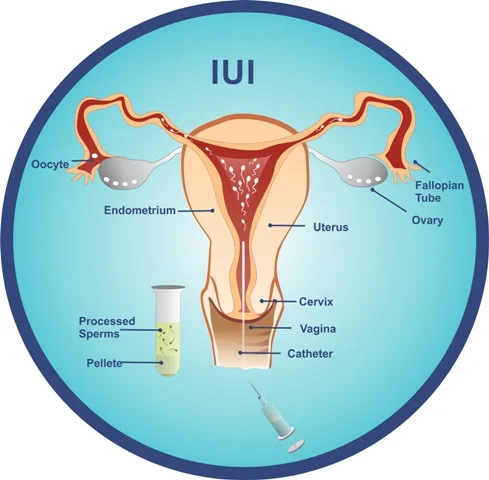
    diagram illustrating intrauterine insemination (IUI) with labeled reproductive anatomy and procedures

    The Emotional Toll of Fertility: How to Cope with DIY Treatments

    1. Seek Support

    One of the most important things you can do when facing fertility struggles is to seek support. This can be from friends and family, a support group, or a therapist. It is essential to have a safe space to share your feelings and concerns without judgment. Talking to others who have gone through similar experiences can also be incredibly helpful in feeling less alone.

    2. Educate Yourself

    With DIY treatments, it is crucial to educate yourself and gather as much information as possible. This can help ease some of the anxiety and uncertainty that comes with these treatments. However, it is essential to be cautious about the information you find online and to consult with a medical professional before trying any DIY treatments.

    3. Practice Self-Care

    The emotional toll of fertility struggles can be exhausting, and it is essential to take care of yourself. Engage in activities that bring you joy and relaxation, such as yoga, meditation, or spending time in nature. Make sure to also prioritize your physical health by getting enough sleep, eating well, and exercising regularly.

    4. Communicate with Your Partner

    Fertility struggles can put a strain on even the strongest of relationships. It is crucial to communicate openly and honestly with your partner about your feelings and concerns. Together, you can support each other through the emotional journey and find ways to cope with the challenges.

    5. Consider Professional Help

    If you find that the emotional toll of fertility struggles is overwhelming and affecting your daily life, it may be beneficial to seek professional help. A therapist or counselor can provide you with tools and techniques to manage your emotions and cope with the stress of fertility struggles.

    Summary:

    Fertility struggles can take a toll on a couple’s emotional well-being, leading to feelings of isolation, hopelessness, and stress. DIY treatments, while more affordable and accessible, can also come with their own set of emotional challenges. To cope with the emotional toll of DIY treatments, it is crucial to seek support, educate yourself, practice self-care, communicate with your partner, and consider professional help if needed.