Tag: Adoption

  • The Price of Parenthood: Navigating the Costs of Fertility Treatments and Adoption

    Blog Post:

    Parenthood is a dream for many people, but for some, it may come with a hefty price tag. Fertility treatments and adoption can be expensive options for those wanting to start a family, and navigating the costs can be overwhelming. In this blog post, we will explore the various factors that contribute to the price of parenthood and how to financially prepare for these options.

    The Cost of Fertility Treatments:

    According to the American Society for Reproductive Medicine, the average cost of a single IVF (In Vitro Fertilization) cycle is around $12,000. However, this cost can vary greatly depending on individual circumstances. Additional factors such as medication, genetic testing, and frozen embryo transfers can significantly increase the overall cost of fertility treatments.

    One of the main reasons for the high cost of fertility treatments is that they are not usually covered by insurance. Most insurance companies consider fertility treatments as an elective procedure and therefore do not provide coverage. This leaves individuals and couples to bear the full financial burden.

    Another factor that contributes to the high cost of fertility treatments is the need for multiple cycles. According to the Centers for Disease Control and Prevention, the success rate for IVF is around 30% for women under 35. This means that many individuals and couples may need to go through multiple cycles, increasing the overall cost.

    Ways to Manage the Cost of Fertility Treatments:

    1. Research and Compare: It is essential to research and compare different fertility clinics to find the best possible price. Some clinics may offer discounted rates or financing options that can help reduce the cost.

    2. Utilize Insurance Benefits: While most insurance companies do not cover fertility treatments, some may provide coverage for specific procedures or medications. It is crucial to understand your insurance benefits and utilize them to the fullest.

    3. Consider Shared Risk Programs: Some fertility clinics offer shared risk programs where a portion of the cost is refunded if the treatment is unsuccessful. This can be a beneficial option for those who may need multiple cycles.

    4. Look into Grants and Financial Assistance: There are various grants and financial assistance programs available for those struggling with the cost of fertility treatments. Doing thorough research and applying for these programs can help alleviate some of the financial burden.

    The Cost of Adoption:

    Adoption is another option for those looking to start a family, but it can also come with a significant price tag. The cost of adoption can range from $0 to $50,000, depending on the type of adoption and individual circumstances.
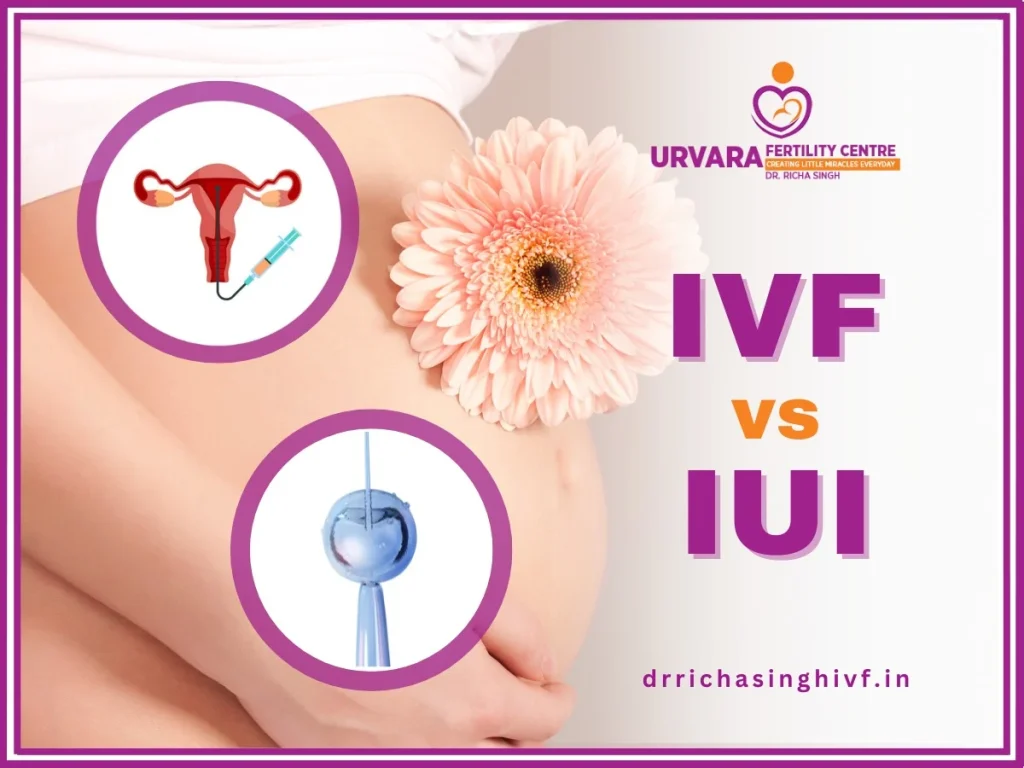
    IVF vs IUI comparison with illustrations of reproductive processes and a flower on a pregnant belly.

    The Price of Parenthood: Navigating the Costs of Fertility Treatments and Adoption

    The most affordable option for adoption is through the foster care system, where most of the costs are covered by the state. However, this option may not be suitable for everyone as it comes with its own set of challenges and uncertainties.

    Private domestic adoption, where a child is placed directly with the adoptive family, can cost between $20,000 to $40,000. This cost includes legal fees, agency fees, and birth mother expenses.

    International adoptions can be even more expensive, with costs ranging from $25,000 to $50,000. This high cost is due to travel expenses, legal fees, and international program fees.

    Ways to Manage the Cost of Adoption:

    1. Explore Different Types of Adoption: It is essential to consider different types of adoption and their associated costs. While international and private domestic adoptions may come with a higher price tag, foster care adoption can be a more affordable option.

    2. Look into Tax Credits and Benefits: The federal government provides a tax credit of up to $14,300 for adoption-related expenses. This can significantly help reduce the overall cost of adoption.

    3. Research Adoption Grants and Loans: There are various organizations and foundations that offer grants and loans for adoptions. These can help alleviate some of the financial burden and make adoption more attainable for families.

    4. Consider Fundraising: Many families turn to fundraising to help cover the costs of adoption. This can include events, selling products, or crowdfunding campaigns. It is essential to research and follow any legal guidelines before starting a fundraising campaign.

    The Emotional Cost of Parenthood:

    While the financial cost of parenthood is significant, the emotional cost should not be overlooked. Fertility treatments and adoption can be emotionally taxing, and the journey can be full of ups and downs. It is essential to prioritize self-care and seek support from loved ones or a therapist during this process.

    In conclusion, the price of parenthood can be a significant obstacle for many individuals and couples. It is essential to thoroughly research and understand the costs associated with fertility treatments and adoption. With proper planning and utilizing resources available, starting a family can be more attainable despite the high costs.

    Summary:

    Parenthood is a dream for many, but the cost of fertility treatments and adoption can be a significant barrier. Fertility treatments can cost around $12,000 per cycle, and adoption can range from $0 to $50,000. The lack of insurance coverage and the need for multiple cycles contribute to the high costs. However, there are ways to manage these expenses, such as researching and comparing different options, utilizing insurance benefits, and looking into grants and financial assistance. It is also essential to consider the emotional cost of parenthood and prioritize self-care during this process.
  • Fertility Preservation for Women with Fertility Issues: Exploring Alternative Options

    Blog Post:

    Fertility preservation is a topic that is often overlooked, but it is a crucial consideration for women who are facing fertility issues. For many women, the ability to conceive and carry a child is a natural and expected part of life. However, there are a variety of factors that can affect a woman’s fertility, including medical conditions, genetic disorders, and age. These issues can make it difficult or even impossible for a woman to conceive naturally, leading to feelings of disappointment, frustration, and loss.

    Fortunately, there are alternative options available for women who are struggling with fertility issues. In this blog post, we will explore the concept of fertility preservation and discuss some of the alternative options that are available for women who want to preserve their ability to have children in the future.

    Understanding Fertility Preservation:

    Fertility preservation is the process of preserving a woman’s fertility for future use. This can include preserving eggs, embryos, or ovarian tissue. The goal of fertility preservation is to increase the chances of a woman being able to conceive and carry a child in the future, even if she is currently facing fertility issues.

    There are various reasons why a woman may choose to undergo fertility preservation. For some, it may be due to a medical condition or treatment that could potentially impact their fertility, such as cancer treatment. For others, it may be a personal choice to delay pregnancy for personal or professional reasons.

    Alternative Options for Fertility Preservation:

    1. Egg Freezing:

    Egg freezing, also known as oocyte cryopreservation, is a process in which a woman’s eggs are extracted and frozen for future use. This option is usually recommended for women who are not yet ready to have children, but want to preserve their fertility for the future.

    The process of egg freezing involves stimulating the ovaries with hormones to produce multiple eggs, which are then retrieved and frozen. These frozen eggs can be used later for in vitro fertilization (IVF) in order to achieve a pregnancy. Egg freezing has become increasingly popular in recent years, with advances in technology making it a more viable option for women facing fertility issues.

    2. Embryo Freezing:

    Embryo freezing is a similar process to egg freezing, with the key difference being that the eggs are fertilized with sperm before being frozen. This option is most suitable for women who are in a committed relationship and want to preserve their fertility with their partner’s sperm.

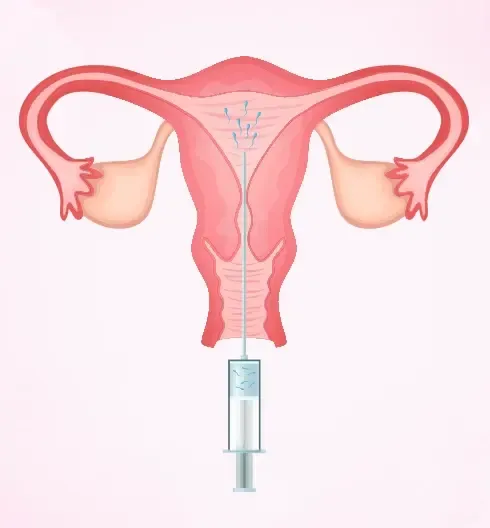
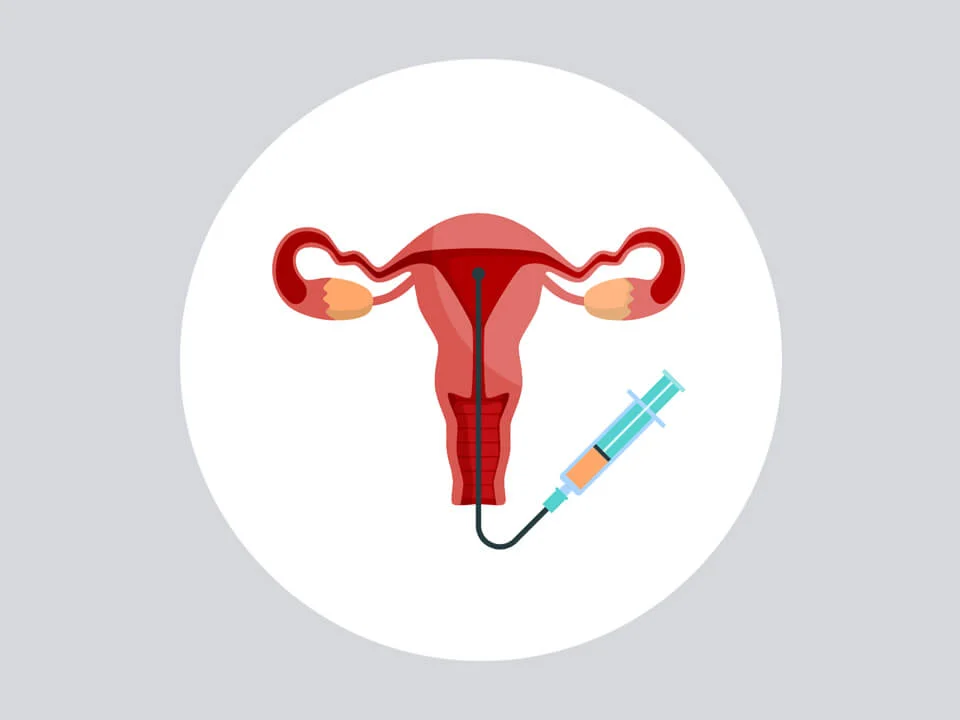
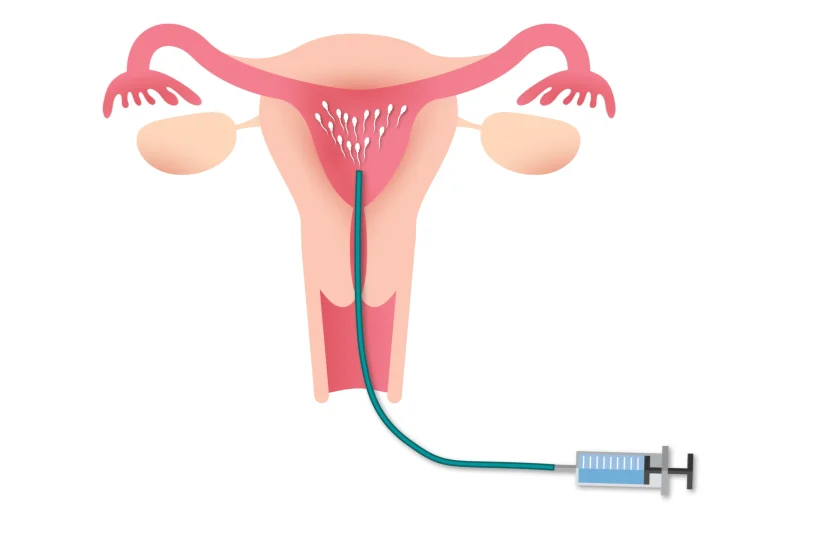
    Illustration of a uterus with a syringe, representing intrauterine insemination (IUI) procedure.

    Fertility Preservation for Women with Fertility Issues: Exploring Alternative Options

    After the eggs are retrieved, they are fertilized in a laboratory and the resulting embryos are frozen. These embryos can then be thawed and transferred to the woman’s uterus during an IVF cycle at a later date. Embryo freezing is often a more successful option than egg freezing, as the embryos have a higher chance of survival.

    3. Ovarian Tissue Freezing:

    Ovarian tissue freezing is a less commonly known option for fertility preservation. This procedure involves removing a small piece of ovarian tissue and freezing it for future use. The tissue can then be transplanted back into the woman’s body at a later date, with the hope that it will produce eggs and allow for natural conception.

    This option is most suitable for women who are facing certain medical conditions or treatments that may damage their ovaries, such as chemotherapy or radiation. However, it is still considered an experimental procedure and its success rates are not as high as egg or embryo freezing.

    4. Surrogacy:

    Surrogacy is another alternative option for women with fertility issues. This involves using a gestational carrier to carry the pregnancy to term. In this process, the eggs are retrieved from the intended mother or a donor, fertilized with sperm, and then transferred to the surrogate’s uterus.

    Surrogacy can be a viable option for women who are unable to carry a pregnancy themselves but still want to have a biological child. It is a complex and costly process, but it can provide hope for women who thought they may never be able to have a child.

    5. Adoption:

    For women who are unable to conceive or carry a child, adoption is another option to consider. While it may not be a biological option, adoption allows women to become mothers and build a family in a different way. There are various types of adoption, including domestic, international, and foster care, each with its own unique process and requirements.

    Summary:

    Fertility preservation is a crucial consideration for women with fertility issues. It is the process of preserving a woman’s fertility for future use and can involve various options such as egg freezing, embryo freezing, ovarian tissue freezing, surrogacy, and adoption. These alternative options provide hope and possibilities for women who are struggling to conceive naturally.

    SEO metadata:

  • Fertility Preservation vs Adoption: Making the Right Choice for You

    Summary:

    Fertility preservation and adoption are two options available to individuals or couples who want to have children but are facing challenges in conceiving naturally. While both options offer the opportunity to become parents, they differ greatly in their processes, costs, and emotional implications. Making the right choice between fertility preservation and adoption is a deeply personal decision that depends on individual circumstances and beliefs.

    In this blog post, we will discuss the pros and cons of fertility preservation and adoption, as well as factors to consider when making this decision. We will also explore the emotional aspects of both options and provide resources for further guidance. By the end of this post, you will have a better understanding of which option may be the best fit for you and your family.

    Fertility Preservation:

    Fertility preservation, also known as fertility treatment or assisted reproduction, is a medical procedure that helps individuals or couples conceive a child. This option is typically used by those who are facing fertility challenges or have a medical condition that may impact their ability to conceive, such as cancer treatment. Fertility preservation involves various methods, including in vitro fertilization (IVF), egg freezing, and sperm freezing.

    One of the main advantages of fertility preservation is that it allows individuals to have a biological connection to their child. This can be a crucial factor for those who want to pass down their genes or have a strong desire for a biological connection with their child. Additionally, fertility preservation offers a sense of control and allows individuals to plan when they want to have children, rather than relying on chance.

    However, fertility preservation can be a costly and emotionally taxing process. The success rates of fertility treatments vary, and some individuals may require multiple attempts before achieving a successful pregnancy. This can result in significant financial and emotional strain. Moreover, the process may also involve hormone injections and invasive procedures, which can be physically uncomfortable.

    Adoption:

    Adoption is the process of legally and permanently welcoming a child into one’s family. It involves taking on the legal rights and responsibilities of a child who is not biologically related to the adoptive parents. Adoption can be a viable option for individuals or couples who are unable to conceive naturally or choose not to pursue fertility treatments.

    One of the significant advantages of adoption is that it provides a loving home for a child in need. It also allows individuals or couples to become parents without the physical and emotional challenges of fertility treatments. Adoption also offers a sense of fulfillment and purpose for those looking to expand their family.

    However, adoption can also be a lengthy and expensive process. The adoption process involves various steps, such as home studies, background checks, and legal proceedings, which can take months or even years to complete. Additionally, adoptive parents may face challenges in bonding with their child, especially if the child is older or has experienced trauma in their past.

    Factors to Consider:

    diagram of a uterus with a syringe for intrauterine insemination procedure

    Fertility Preservation vs Adoption: Making the Right Choice for You

    When deciding between fertility preservation and adoption, there are several factors to consider. These include:

    1. Medical Condition: If you or your partner have a medical condition that affects fertility, it’s essential to consult with a medical professional to determine the best course of action. Fertility preservation may be a better option for those with a medical condition that can impact their ability to conceive.

    2. Age: Age plays a significant role in fertility, and as individuals age, the chances of conceiving naturally decrease. For those who are older, adoption may be a better option as it offers a shorter and more straightforward process.

    3. Emotional Readiness: The decision to have a child is a significant one, and it’s crucial to consider your emotional readiness for both fertility preservation and adoption. Fertility treatments can be emotionally taxing, and adoption may also have its own set of challenges. It’s essential to take the time to understand your emotions and make a decision that feels right for you.

    4. Financial Considerations: Both fertility preservation and adoption can be expensive processes. It’s crucial to consider your financial situation and determine which option is more feasible for you. It’s also essential to keep in mind that there may be additional costs involved in raising a child, such as education and healthcare expenses.

    Emotional Aspects:

    The decision between fertility preservation and adoption can be an emotional one. It’s essential to take the time to understand your emotions and address any concerns or fears you may have. Some individuals may feel a strong desire for a biological connection with their child, while others may find fulfillment in providing a loving home for a child in need.

    It’s also vital to consider the potential emotional challenges that may arise during the process. Fertility treatments can be physically and emotionally taxing, and adoption may involve navigating relationships with birth parents and potential challenges in bonding with the child. It’s essential to have a support system in place and seek professional guidance if needed.

    Resources:

    If you are struggling to make a decision between fertility preservation and adoption, there are various resources available to help you. These include support groups, online forums, and counseling services. It’s essential to educate yourself on both options, speak with professionals, and connect with others who have gone through a similar experience.

    Making the Right Choice:

    Ultimately, the decision between fertility preservation and adoption depends on individual circumstances and beliefs. It’s essential to take the time to understand your emotions, consider the factors involved, and seek guidance if needed. Both options offer the opportunity to become a parent, and the most important thing is to make a decision that feels right for you and your family.

    In conclusion, fertility preservation and adoption are two options available for those facing challenges in conceiving naturally. While both options have their pros and cons, the decision ultimately comes down to individual circumstances and beliefs. It’s essential to consider factors such as medical conditions, age, emotional readiness, and financial considerations when making this decision. It’s also crucial to understand the emotional aspects and seek support and guidance throughout the process. No matter which option you choose, the most important thing is to make a decision that feels right for you and your family.

  • Beyond Biological Parenthood: Exploring Adoption and Surrogacy as Infertility Treatments

    Blog Summary:

    Infertility is a difficult and often emotional journey for many individuals and couples. As medical technology advances, there are now alternative options available for those struggling with infertility, such as adoption and surrogacy. In this blog post, we will delve into the world of adoption and surrogacy as infertility treatments, exploring the process, benefits, and challenges associated with each.

    Adoption as an Infertility Treatment:

    Adoption is the process of legally taking on the responsibility of raising a child who is not biologically related to the adoptive parents. While the idea of adoption may seem daunting, many individuals and couples have found it to be a fulfilling and rewarding way to build a family. There are two main types of adoption: domestic and international.

    Domestic adoption involves adopting a child within one’s own country. This process typically involves working with an adoption agency, which helps match prospective parents with a child who is in need of a loving home. The process can take anywhere from several months to a few years, and may involve a waiting period, home study, and background checks.

    International adoption, on the other hand, involves adopting a child from another country. This process can also take several months to a few years, and may involve additional legal and bureaucratic steps, as well as travel to the child’s country of origin. While international adoption can be a more complex and expensive process, it also allows individuals and couples to give a child from a different culture and background a loving home.

    Benefits of Adoption as an Infertility Treatment:

    One of the main benefits of adoption as an infertility treatment is the opportunity to give a child a loving family and home. Many individuals and couples who are unable to conceive a child of their own find joy and fulfillment in providing a home for a child in need. In addition, adoption can also provide a sense of fulfillment and purpose for those struggling with infertility, as they are able to build a family in a different way.

    Another benefit of adoption is the opportunity to choose the age and background of the child. While some may prefer to adopt a newborn, others may choose to adopt an older child or a child with special needs. This allows for more flexibility and the ability to find the best fit for one’s family.

    Challenges of Adoption as an Infertility Treatment:

    One of the main challenges of adoption is the emotional rollercoaster that comes with the process. From the waiting period to the potential disappointments and setbacks, the journey to adoption can be emotionally draining. It is important for individuals and couples to have a strong support system and to be prepared for the challenges that may arise.

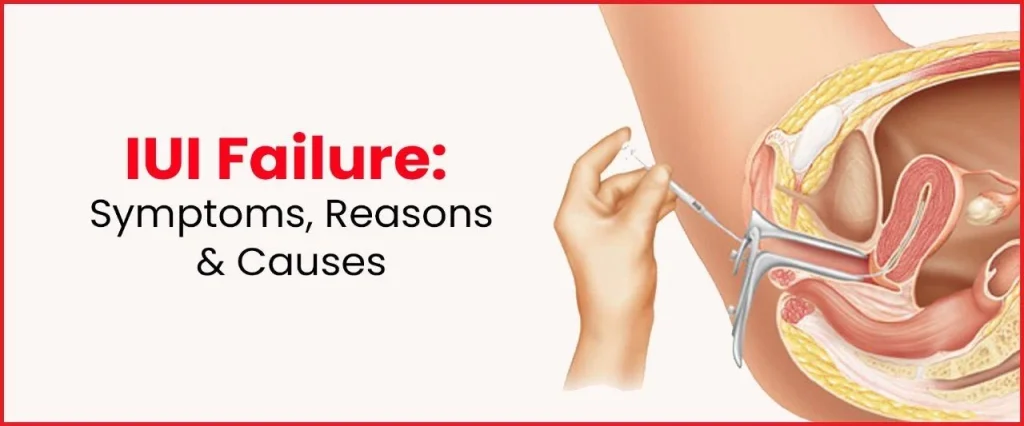
    illustration of IUI procedure with text on symptoms, reasons, and causes of IUI failure

    Beyond Biological Parenthood: Exploring Adoption and Surrogacy as Infertility Treatments

    In addition, the cost of adoption can also be a challenge for some. While there are financial resources available, adoption can be an expensive process, with fees ranging from a few thousand dollars to tens of thousands of dollars. It is important for prospective adoptive parents to carefully consider their financial situation and to plan accordingly.

    Surrogacy as an Infertility Treatment:

    Surrogacy is the process of using a gestational carrier to carry and give birth to a child for an individual or couple. It is an option for those who are unable to carry a child themselves due to medical reasons or same-sex couples. There are two main types of surrogacy: traditional and gestational.

    Traditional surrogacy involves using the surrogate’s own egg to conceive the child, making her the biological mother. This process is less common and can raise legal and emotional complexities.

    Gestational surrogacy, on the other hand, involves using the eggs and sperm of the intended parents or donors to create an embryo, which is then transferred to the surrogate’s uterus. This process is more common and allows for a genetic connection between the child and the intended parents.

    Benefits of Surrogacy as an Infertility Treatment:

    One of the main benefits of surrogacy is the opportunity for individuals and couples to have a genetic connection to their child. This can be especially important for those who are unable to carry a child themselves. Surrogacy also allows for the intended parents to be involved in the pregnancy and childbirth process, from choosing the surrogate to being present at the birth.

    Challenges of Surrogacy as an Infertility Treatment:

    One of the main challenges of surrogacy is the cost. Surrogacy can be an expensive process, with fees for the surrogate, medical procedures, and legal expenses. In addition, there may be additional costs for travel, insurance, and other expenses. It is important for individuals and couples to carefully consider their financial situation and to plan accordingly.

    Another challenge is the legal complexities involved in surrogacy. Laws and regulations regarding surrogacy vary from state to state and country to country, making it important for individuals and couples to fully understand the legal process and potential risks involved.

    In Conclusion:

    Infertility can be a difficult and emotional journey, but there are now alternative options available to help individuals and couples build a family. Adoption and surrogacy are two such options, each with their own benefits and challenges. It is important for those considering these treatments to carefully research and understand the process, and to have a strong support system in place. Ultimately, the most important thing is to find the best fit for one’s family and to create a loving and supportive environment for a child in need of a home.

  • Beyond IVF: Exploring Alternative Male and Female Infertility Treatments

    Beyond IVF: Exploring Alternative Male and Female Infertility Treatments

    Infertility can be a devastating diagnosis for couples hoping to start a family. In the past, the primary treatment option for infertility has been in vitro fertilization (IVF). While IVF has helped countless couples achieve pregnancy, it is not the only option available. In fact, there are many alternative treatments for both male and female infertility that are worth exploring. In this blog post, we will discuss some of the alternative treatments and approaches to fertility and how they can help couples struggling to conceive.

    Female Infertility Treatments:

    1. Acupuncture: Acupuncture has been used for centuries to treat various health conditions, including infertility. This traditional Chinese medicine practice involves the insertion of thin needles into specific points on the body to stimulate energy flow. Studies have shown that acupuncture can help regulate menstrual cycles and improve fertility in women. It can also help reduce stress and anxiety, which can have a negative impact on fertility.

    2. Herbal Remedies: Herbal remedies have been used for centuries to treat various health conditions, including infertility. Certain herbs such as red clover, raspberry leaf, and chasteberry have been found to have beneficial effects on female fertility. These herbs can help regulate hormones, improve egg quality, and increase blood flow to the reproductive organs.

    3. Nutritional Therapy: Nutrition plays a crucial role in fertility. A balanced and healthy diet can help regulate hormones, improve egg quality, and increase the chances of conception. Nutritional therapy involves working with a registered dietitian or nutritionist to develop a personalized diet plan that can help improve fertility.

    4. Yoga: Yoga is a mind-body practice that has been found to have many benefits for women struggling with infertility. It can help reduce stress, improve blood flow to the reproductive organs, and balance hormones. Certain yoga poses, such as the butterfly pose and the cobra pose, can specifically target the reproductive organs and improve their function.

    Male Infertility Treatments:

    1. Chinese Herbal Medicine: Chinese herbal medicine has been used for centuries to treat male infertility. Certain herbs, such as ginseng and horny goat weed, have been found to have positive effects on sperm count, motility, and morphology. These herbs can also help improve blood flow to the reproductive organs and increase testosterone levels.

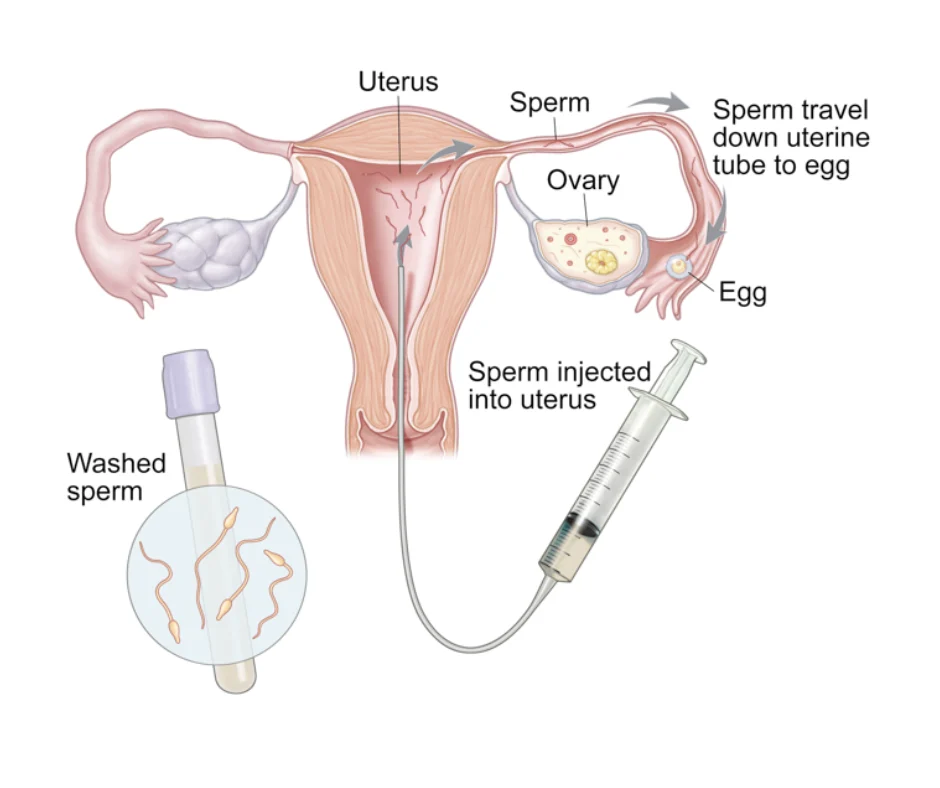
    diagram illustrating intrauterine insemination process, showing sperm injection into the uterus and egg fertilization pathway

    Beyond IVF: Exploring Alternative Male and Female Infertility Treatments

    2. Nutritional Supplements: Nutritional supplements can help improve male fertility by providing the body with essential vitamins and minerals. Supplements such as CoQ10, vitamin C, and zinc have been found to have positive effects on sperm quality and quantity.

    3. Stress Management: Stress can have a negative impact on male fertility. High levels of stress can lead to hormonal imbalances, reduced sperm count, and decreased sperm motility. Stress management techniques such as meditation, deep breathing, and exercise can help reduce stress and improve fertility.

    4. Chiropractic Care: Chiropractic care can help improve male fertility by correcting any misalignments in the spine that may be affecting the nerves responsible for reproductive function. Studies have shown that chiropractic care can help improve sperm quality and quantity.

    Alternative Approaches to Fertility:

    1. Mind-Body Therapies: Mind-body therapies, such as hypnotherapy and cognitive-behavioral therapy, can help improve fertility by reducing stress and anxiety. These therapies can also help couples address any underlying emotional issues that may be affecting their fertility.

    2. Functional Medicine: Functional medicine takes a holistic approach to fertility by looking at the body as a whole and addressing any underlying imbalances that may be affecting fertility. This approach involves conducting comprehensive lab tests to identify any nutritional deficiencies, hormonal imbalances, or other health issues that may be contributing to infertility.

    3. Assisted Reproductive Techniques: While IVF is the most well-known assisted reproductive technique, there are other options available, such as intrauterine insemination (IUI) and intracytoplasmic sperm injection (ICSI). These techniques can help couples with specific fertility issues, such as low sperm count or blocked fallopian tubes.

    4. Adoption: For couples who have exhausted all other options, adoption can be a beautiful way to start a family. While it may not be a traditional treatment for infertility, adoption can bring immense joy and fulfillment to couples struggling to conceive.

    In conclusion, while IVF has been the go-to treatment for infertility, there are many alternative treatments and approaches that can also help couples achieve their dream of starting a family. From acupuncture and herbal remedies to functional medicine and adoption, there are options available for both male and female infertility. It is important for couples to explore all their options and find the treatment that best suits their needs and circumstances.

  • Choosing the Right Path: Navigating Fertility Options

    Title: Choosing the Right Path: Navigating Fertility Options

    Fertility is a topic that is often surrounded by emotions, uncertainties, and difficult decisions. Couples who are trying to conceive may face challenges and roadblocks along the way, leading them to consider various fertility options. With the advancements in medical technology, there are now more options available than ever before. However, the abundance of choices can also make the decision-making process overwhelming and confusing. In this blog post, we will discuss the different fertility options available and provide guidance on choosing the right path for you and your partner.

    Understanding Fertility Options

    Before diving into the different fertility options, it is essential to have a basic understanding of fertility and how it works. Fertility refers to a person’s ability to conceive a child, and it is influenced by various factors such as age, health, and genetics. For couples who have been trying to conceive for over a year without success, they may be diagnosed with infertility. It is estimated that about 12% of couples in the United States struggle with infertility.

    Fertility options can be divided into two main categories: assisted reproductive technologies (ART) and non-ART options. ART includes procedures that involve the handling of eggs and sperm in a laboratory, such as in vitro fertilization (IVF), intrauterine insemination (IUI), and intracytoplasmic sperm injection (ICSI). Non-ART options, on the other hand, do not involve laboratory procedures and include fertility medications, surgery, and adoption.

    Factors to Consider When Choosing a Fertility Option

    When faced with fertility challenges, it can be challenging to determine which option is the best fit for you and your partner. Here are some factors to consider when making this decision:

    1. Age and Fertility: Age is a significant factor when it comes to fertility. As women age, their fertility declines, and the chances of conception decrease. It is essential to consider your age when choosing a fertility option and seek medical advice on the best course of action.

    2. Underlying Medical Conditions: Certain medical conditions can affect a person’s fertility, such as endometriosis, polycystic ovary syndrome (PCOS), or uterine fibroids. It is crucial to consult with a fertility specialist to determine if any underlying medical conditions are causing fertility issues and how they may impact your chosen fertility option.

    3. Financial Considerations: Fertility treatments can be expensive, and the cost varies depending on the type of procedure and the clinic. It is essential to consider your financial situation when choosing a fertility option and research insurance coverage or financing options that may be available.

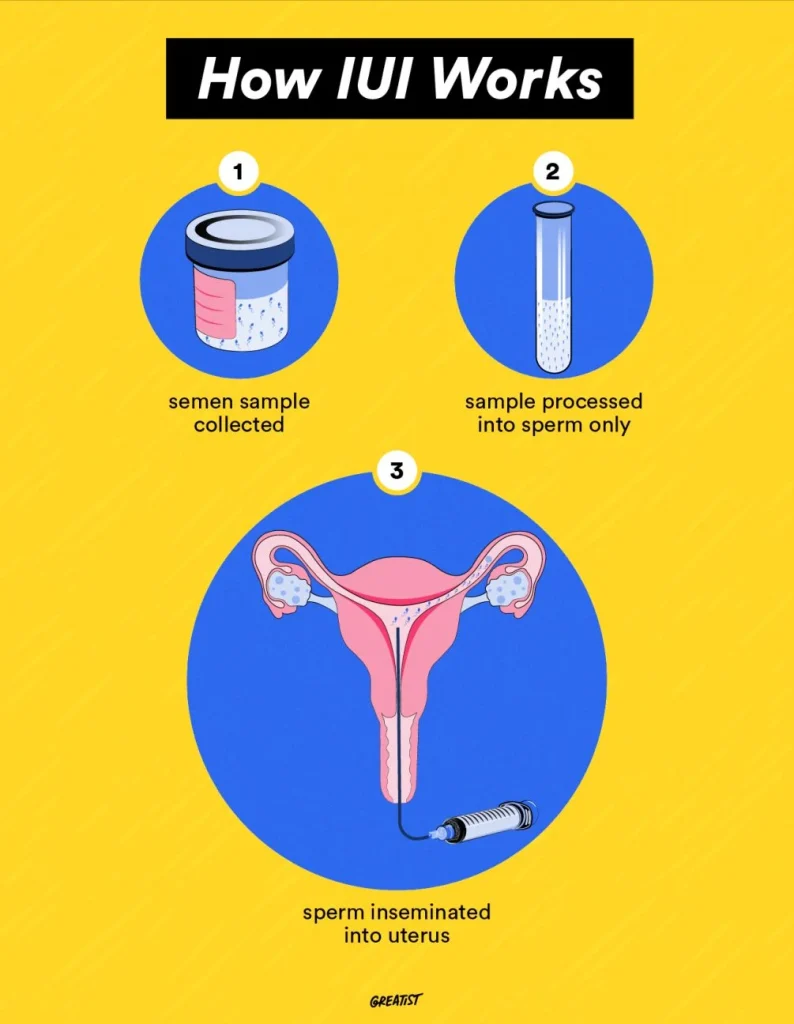
    illustration explaining the steps of intrauterine insemination (IUI) process on a bright yellow background

    Choosing the Right Path: Navigating Fertility Options

    4. Emotional Readiness: Going through fertility treatments can be emotionally taxing for couples. It is essential to consider your emotional readiness and the potential impact on your mental health when making a decision. Seeking support from a therapist or support group can be beneficial during this process.

    5. Success Rates: It is essential to research the success rates of different fertility options and choose one that aligns with your goals and expectations. Keep in mind that success rates may vary depending on factors such as age and underlying medical conditions.

    Common Fertility Options

    1. In Vitro Fertilization (IVF): IVF is a type of ART that involves the fertilization of an egg with sperm in a laboratory and then transferring the embryo to the uterus. This procedure is usually recommended for couples with severe infertility issues, such as blocked fallopian tubes or low sperm count. IVF has a higher success rate compared to other fertility options but can be costly and emotionally challenging.

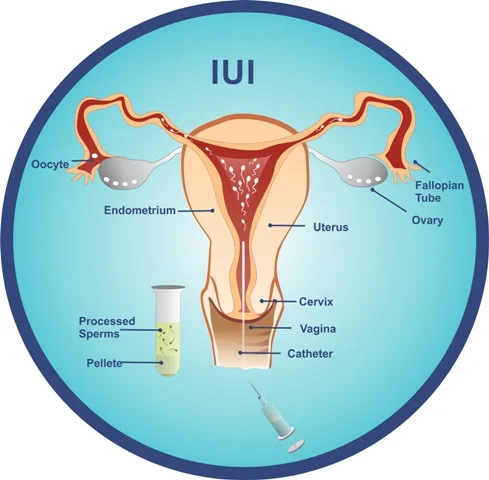
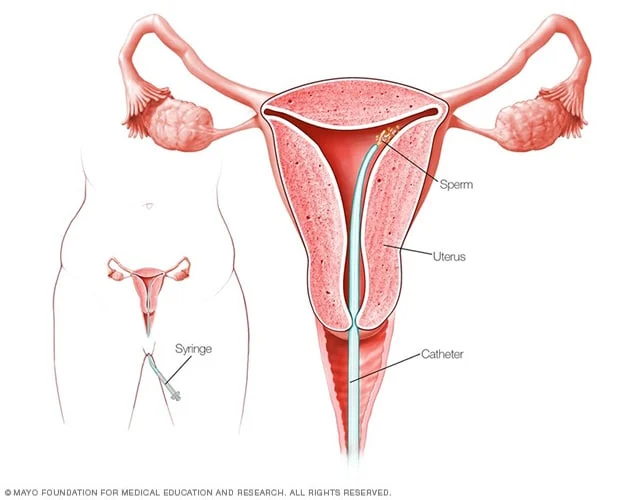
    2. Intrauterine Insemination (IUI): IUI is a non-ART option that involves the placement of sperm directly into the uterus during ovulation. This procedure is typically recommended for couples with mild fertility issues and has a lower success rate compared to IVF. It is less invasive and more affordable than IVF.

    3. Fertility Medications: Fertility medications are often used in conjunction with other fertility treatments to stimulate ovulation or improve the quality of eggs or sperm. They can also be used alone in the case of mild fertility issues. These medications can have side effects and should be used under the guidance of a fertility specialist.

    4. Surgery: In some cases, surgery may be recommended to correct underlying medical conditions that are causing fertility issues, such as blocked fallopian tubes or endometriosis. Surgery can improve the chances of natural conception or increase the success rate of other fertility treatments.

    5. Adoption: For some couples, adoption may be the best option to grow their family. Adoption can be a lengthy and expensive process, but it can be a rewarding way to become parents and provide a loving home to a child in need.

    Summary:

    Fertility is a complex and personal journey, and there is no one-size-fits-all solution. It is essential to consider various factors, such as age, underlying medical conditions, and financial considerations, when choosing a fertility option. The choice ultimately depends on the individual needs and goals of each couple. By understanding the different fertility options available and seeking guidance from a fertility specialist, couples can make an informed decision that is right for them.

  • The Debate on Disclosure: Should Donor-Conceived Children Know Their Biological Father?

    The use of assisted reproductive technology has become increasingly common in today’s society, resulting in a growing number of donor-conceived children. These children are conceived through the use of donated sperm, eggs, or embryos, and often have little to no information about their biological parents. This raises a significant debate on whether donor-conceived children should have the right to know and have a relationship with their biological father.

    On one hand, many argue that it is a child’s fundamental right to know their genetic origins and have a relationship with their biological father. The argument is based on the belief that it is essential for a child’s identity and well-being to know where they come from and have a complete understanding of their family history. This can also help them better understand and potentially address any hereditary health concerns.

    Furthermore, proponents of disclosure argue that keeping secrets from children can have negative psychological effects. When children are not told the truth about their origins, it can lead to feelings of confusion, betrayal, and a lack of trust. As they grow older and discover the truth on their own, it can cause significant emotional distress and harm the relationship with their parents.

    On the other hand, there are those who believe that donor-conceived children do not have the right to know their biological father. They argue that the donor’s role in the child’s life was solely to provide genetic material and that the intended parents are the only ones who should have a relationship with the child. Additionally, some argue that revealing the truth to the child can disrupt the family dynamic and potentially harm the child’s relationship with their non-biological parent.

    Religious and ethical considerations also play a significant role in the debate on disclosure. Some religious groups believe that creating a child through assisted reproductive technology is against the natural order of procreation and goes against their beliefs. Therefore, they may argue against disclosure to prevent the child from learning the truth and questioning their beliefs.

    Illustration of a uterus with a syringe indicating an intrauterine insemination procedure.

    The Debate on Disclosure: Should Donor-Conceived Children Know Their Biological Father?

    Another factor to consider is the legal aspect of disclosure. Laws regarding disclosure vary greatly from country to country and even within different states or provinces. In some places, donors have the right to remain anonymous, and the intended parents have no legal obligation to disclose the child’s origins. In other areas, donors are required to provide identifying information, and children have the right to access this information once they reach a certain age.

    In recent years, there has been a shift towards more openness and transparency in donor-conception. Many countries have implemented laws that allow donor-conceived children to access their genetic information and potentially have a relationship with their biological father. This has led to the creation of online platforms and registries that connect donors, donor-conceived children, and their families.

    Despite the ongoing debate on disclosure, there is a growing consensus that it is essential to have open and honest communication within families. While some may argue that it is not necessary for the child to know their biological father, it is crucial for parents to have these discussions and come to a decision together. It is also essential for parents to prepare for potential questions and have age-appropriate conversations with their children about their origins.

    In conclusion, the debate on disclosure of donor-conceived children’s biological father is a complex one with valid arguments on both sides. While it is crucial to respect the privacy and rights of all parties involved, the well-being and best interests of the child should remain the top priority. Ultimately, it is up to each family to determine what is best for them, but open and honest communication is key in navigating this sensitive topic.

    Summary: The use of assisted reproductive technology has led to a debate on whether donor-conceived children should know and have a relationship with their biological father. While some argue it is a child’s right to know their genetic origins, others believe it is not necessary. Factors such as legal, ethical, and religious considerations play a significant role in the discussion. However, the importance of open and honest communication within families is crucial in navigating this sensitive topic.

  • Surrogacy vs Adoption: What’s Best for the Child?

    Surrogacy and adoption are two methods of creating a family for couples who are unable to have children on their own. While both options have their own unique advantages and challenges, the ultimate decision should always be based on what is best for the child. In this blog post, we will explore the differences between surrogacy and adoption, and discuss the various factors that should be considered when making this important decision.

    Surrogacy is a process in which a woman carries and gives birth to a child on behalf of another couple or individual. This can either be through traditional surrogacy, where the surrogate’s own egg is used, or gestational surrogacy, where the embryo is created using the intended parents’ egg and sperm. On the other hand, adoption is the legal process of assuming the parental rights and responsibilities of a child who is not biologically related to the adoptive parents.

    One of the main arguments in favor of surrogacy is the genetic link between the child and at least one of the intended parents. For many couples, this is an important factor as they want their child to share their DNA and have a biological connection. However, this can also create complex emotional and legal issues, especially in cases of traditional surrogacy where the surrogate is genetically related to the child. In contrast, adoption offers the opportunity to provide a loving home to a child who may not have any biological ties to the adoptive parents. This can foster a strong sense of family and belonging, even without a genetic connection.

    Another consideration when deciding between surrogacy and adoption is the level of control and involvement in the pregnancy and birth process. In surrogacy, the intended parents have the ability to choose the surrogate and be involved in the pregnancy, from attending doctor’s appointments to being present at the birth. This can be a very rewarding experience for the intended parents, but it also means that they have to navigate the delicate relationship with the surrogate and respect her decisions and wishes. In adoption, the birth mother may choose the adoptive parents, but the level of involvement during the pregnancy and birth is usually limited. This can be a less emotionally charged process, but it also means that the adoptive parents have less control over the prenatal care and birth experience.

    diagram illustrating intrauterine insemination (IUI) with labeled reproductive anatomy and procedures

    Surrogacy vs Adoption: What's Best for the Child?

    The financial aspect is another important consideration when comparing surrogacy and adoption. Surrogacy can be a very expensive process, with costs ranging from $80,000 to $120,000 on average. This includes fees for the surrogate, medical expenses, legal fees, and agency fees. On the other hand, adoption costs can vary greatly, depending on whether it is a domestic or international adoption, and whether it is done through a public agency, private agency, or independently. While adoption can still be a significant financial investment, there are also resources available such as grants and tax credits to help offset the costs.

    One of the most crucial factors in deciding between surrogacy and adoption is the well-being and best interests of the child. In surrogacy, there is often a greater emphasis on the rights and needs of the intended parents, while adoption places a strong emphasis on the rights and needs of the child. Surrogacy contracts may include clauses that require the surrogate to follow specific guidelines during the pregnancy, such as avoiding certain foods or activities. This can be viewed as infringing on the surrogate’s autonomy, but it is also done in the best interest of the child. Adoption, on the other hand, involves a rigorous screening process to ensure that the adoptive parents are suitable and able to provide a safe and loving home for the child. This includes home visits, background checks, and counseling to prepare for the challenges of adoption.

    There are also some potential risks and complications associated with both surrogacy and adoption. In surrogacy, there is a risk of the surrogate developing complications during pregnancy, which can result in a higher chance of medical interventions and expenses. There is also the possibility of the surrogate changing her mind and wanting to keep the child, which can lead to a lengthy and emotionally draining legal battle. In adoption, there is a risk of the birth mother changing her mind before the adoption is finalized, which can be devastating for the adoptive parents. There is also the risk of the adopted child experiencing emotional or behavioral issues due to their history or traumatic experiences before adoption.

    In conclusion, both surrogacy and adoption have their own set of advantages and challenges, and the decision ultimately comes down to what is best for the child. It is important for couples to carefully consider all factors, including their personal preferences, financial situation, and the well-being of the child. Whether it is through surrogacy or adoption, the ultimate goal should always be to provide a loving and stable home for a child in need.

  • The Surrogacy vs Adoption Debate: Finding Common Ground

    The Surrogacy vs Adoption Debate: Finding Common Ground

    The decision to start a family is a life-changing and deeply personal one. For many couples and individuals, the traditional path to parenthood is not always feasible. This has led to an ongoing debate between surrogacy and adoption as alternative means of building a family. Both options have their own benefits and challenges, and the debate between the two can often be divisive. However, it is important to find common ground and have a deeper understanding of both surrogacy and adoption in order to make an informed decision. In this blog post, we will explore the surrogacy vs adoption debate and the potential for finding common ground between the two options.

    Understanding Surrogacy

    Surrogacy is the process of using a third party, known as a surrogate, to carry and give birth to a child for a couple or individual who is unable to conceive or carry a child themselves. There are two types of surrogacy: traditional surrogacy, where the surrogate’s egg is used, and gestational surrogacy, where the intended parent’s sperm and egg are used. Surrogacy is a complex and expensive process, involving legal contracts, medical procedures, and emotional considerations. However, for many people, it offers a chance to have a biological child and experience pregnancy and childbirth.

    Pros of Surrogacy

    One of the main benefits of surrogacy is the ability to have a biological child. For couples or individuals who are unable to conceive or carry a child themselves, surrogacy provides a way to have a child who shares their DNA. This can be a major factor in the decision-making process for those considering surrogacy. Additionally, surrogacy allows intended parents to be involved in the pregnancy and childbirth process, which can be a deeply meaningful experience for many.

    Cons of Surrogacy

    Surrogacy also has its challenges and drawbacks. The cost of surrogacy can be a major barrier for many, with the average cost in the United States ranging from $80,000 to $120,000. This high cost can make surrogacy inaccessible for many people, especially those who are already facing financial challenges due to infertility or other factors. Additionally, the legal and emotional complexities of surrogacy can be overwhelming for both the intended parents and the surrogate, and there is always a risk of legal disputes or emotional strains arising during the process.

    Understanding Adoption

    Adoption is the process of legally assuming the parental rights and responsibilities for a child who is not biologically related to the adoptive parents. There are several types of adoption, including domestic, international, and foster care adoption. Adoption offers a way for individuals and couples to become parents and provide a loving home for a child in need. However, it also comes with its own set of challenges and considerations.

    Pros of Adoption

    diagram illustrating intrauterine insemination (IUI) procedure with uterus, sperm, and catheter labeled

    The Surrogacy vs Adoption Debate: Finding Common Ground

    One of the main benefits of adoption is the ability to provide a child with a loving and stable home. Adoption offers a chance for children who may not have a permanent family to have a sense of belonging and security. Additionally, adoption can be a more affordable option compared to surrogacy, with the average cost in the United States ranging from $20,000 to $40,000. This can make adoption a more accessible option for many people.

    Cons of Adoption

    Adoption also has its challenges and limitations. One of the main drawbacks is the lack of genetic connection between the child and the adoptive parents. This can be a significant factor for those who are considering adoption, as it may impact the bonding and attachment process. Additionally, the adoption process can be lengthy and emotionally taxing, as it involves navigating legal and bureaucratic procedures and often requires prospective parents to go through extensive screening and background checks.

    Finding Common Ground

    The surrogacy vs adoption debate often pits these two options against each other, with each side arguing for their own merits. However, it is important to recognize that both surrogacy and adoption offer unique benefits and challenges, and there is potential to find common ground between the two.

    For couples or individuals who are considering surrogacy, it is important to acknowledge the challenges and complexities of the process and be prepared to address them. This includes having open and honest communication with the surrogate and understanding the legal and financial implications of surrogacy. Additionally, it is important to consider the potential emotional impact on all parties involved and have a support system in place.

    On the other hand, for those considering adoption, it is important to recognize the importance of genetic connection and the potential challenges of bonding with a child who is not biologically related. It is also crucial to have a realistic understanding of the adoption process and be prepared for the emotional rollercoaster it may entail. Having a support system and seeking guidance from experienced adoptive parents can also be helpful in navigating the process.

    Ultimately, the decision between surrogacy and adoption should not be a competition, but rather a personal and informed choice that takes into consideration individual circumstances and preferences. It is important to have a deeper understanding of both options and to seek guidance and support from professionals and those who have gone through similar experiences.

    In conclusion, the surrogacy vs adoption debate is a complex and emotional one, but there is potential to find common ground and have a deeper understanding of both options. Whether it is surrogacy or adoption, the ultimate goal is to provide a loving and stable home for a child and to fulfill the desire to become a parent. By recognizing the benefits and challenges of both options, individuals and couples can make an informed decision that is best for them and their future family.

    Summary:

    The debate between surrogacy and adoption as alternative means of building a family can often be divisive. However, it is important to find common ground and have a deeper understanding of both options in order to make an informed decision. Surrogacy offers the ability to have a biological child, while adoption allows for providing a loving home for a child in need. Both options have their own benefits and challenges, and it is crucial to acknowledge and prepare for them. Ultimately, the decision between surrogacy and adoption should not be a competition, but rather a personal and informed choice that takes into consideration individual circumstances and preferences.

  • Surrogacy vs Adoption: A Cultural Comparison

    Blog Post: Surrogacy vs Adoption: A Cultural Comparison

    Surrogacy and adoption are two methods of building a family that have become increasingly popular in today’s society. With advancements in technology and changing social norms, couples and individuals now have more options to fulfill their desire for parenthood. However, both surrogacy and adoption have their own unique set of cultural implications that can greatly influence one’s decision-making. In this blog post, we will take a closer look at the cultural aspects of surrogacy and adoption and how they differ in various parts of the world.

    Surrogacy is the process of using a surrogate mother to carry and give birth to a child for another person or couple. This method of having a child has gained popularity in recent years, especially with the rise of international surrogacy. Many countries, such as India and Ukraine, have become popular destinations for surrogacy due to their relatively low costs and less restrictive laws. However, the practice of surrogacy has also faced criticism and controversy, particularly in the United States where it is often seen as a commercial transaction.

    On the other hand, adoption involves legally taking on the responsibility of raising a child who is not biologically related to the adoptive parents. Adoption has been around for centuries and has been widely accepted as a way of creating a family. However, the process of adoption can be lengthy and complicated, with strict regulations and criteria that must be met by the adoptive parents.

    One of the main cultural differences between surrogacy and adoption lies in the role of genetics and biology. In surrogacy, the intended parents can have a biological connection to the child, as the embryo used for the surrogacy can be created using their own genetic material. This is often seen as a crucial factor for many couples who want to have a child that is genetically related to them. On the other hand, adoption involves no biological connection to the child, and the adoptive parents must come to terms with this fact and embrace the child as their own.

    Another cultural difference is the involvement of the birth mother. In surrogacy, the surrogate mother is often seen as a “carrier” of the child, and the intended parents are seen as the true parents. This can result in a complicated relationship between the surrogate and the intended parents, as well as the child. In contrast, adoption involves a relinquishing of parental rights by the birth mother, and the adoptive parents are seen as the sole parents of the child. This can create a more straightforward and stable family dynamic.

    test tube with sperm in blue liquid, promoting IUI success rate and factors influencing fertility.

    Surrogacy vs Adoption: A Cultural Comparison

    Moreover, surrogacy and adoption have different cultural implications when it comes to the legal and social status of the child. In surrogacy, the child is often born into a legal grey area, as laws and regulations around surrogacy can vary greatly from country to country. This can result in complex legal battles and uncertainty for the child’s future. In contrast, adoption is a more established and regulated process, and the child’s legal and social status is clear from the outset.

    Cultural attitudes towards surrogacy and adoption also differ significantly. In many parts of the world, adoption is seen as a noble act of giving a child a loving home, while surrogacy is often viewed with skepticism and moral judgement. In some cultures, surrogacy is even considered to be taboo, and those who utilize it may face social stigma and discrimination. This can make it challenging for intended parents to openly talk about their decision to pursue surrogacy.

    In terms of cost, surrogacy can be a more expensive option compared to adoption. In addition to medical fees, intended parents may also need to cover the cost of travel and accommodation in the surrogate’s home country. On the other hand, adoption costs can vary greatly depending on the agency and country, but it is generally considered to be a more economical option.

    In conclusion, surrogacy and adoption are two methods of family building that have their own unique cultural implications. While surrogacy offers a biological connection to the child, it can also involve complex legal and social issues. Adoption, on the other hand, provides a more established and regulated process, but can also involve challenges such as lengthy waiting periods and high costs. Ultimately, the decision between surrogacy and adoption is a personal one, and it is essential to consider the cultural aspects and implications before making a choice.

    Summary:

    Surrogacy and adoption are two methods of building a family that have gained popularity in today’s society. Surrogacy involves using a surrogate mother to carry and give birth to a child for another person or couple, while adoption is the process of legally taking on the responsibility of raising a child who is not biologically related to the adoptive parents. These methods have their own unique cultural implications, such as the role of genetics and biology, the involvement of the birth mother, legal and social status of the child, cultural attitudes, and cost. Ultimately, the decision between surrogacy and adoption is a personal one that should consider these cultural factors.